
Yuzu Kosho, a vibrant and aromatic Japanese condiment, has steadily gained popularity in culinary circles worldwide. This unique paste, crafted from yuzu citrus, chili peppers, and salt, offers a complex flavor profile that enhances a wide array of dishes. From its humble origins to its diverse applications, yuzu kosho provides a delightful sensory experience that is both refreshing and stimulating. In this comprehensive guide, we will delve into the history, ingredients, uses, and storage of yuzu kosho, offering a complete understanding of this exceptional Japanese seasoning.
What is Yuzu Kosho?
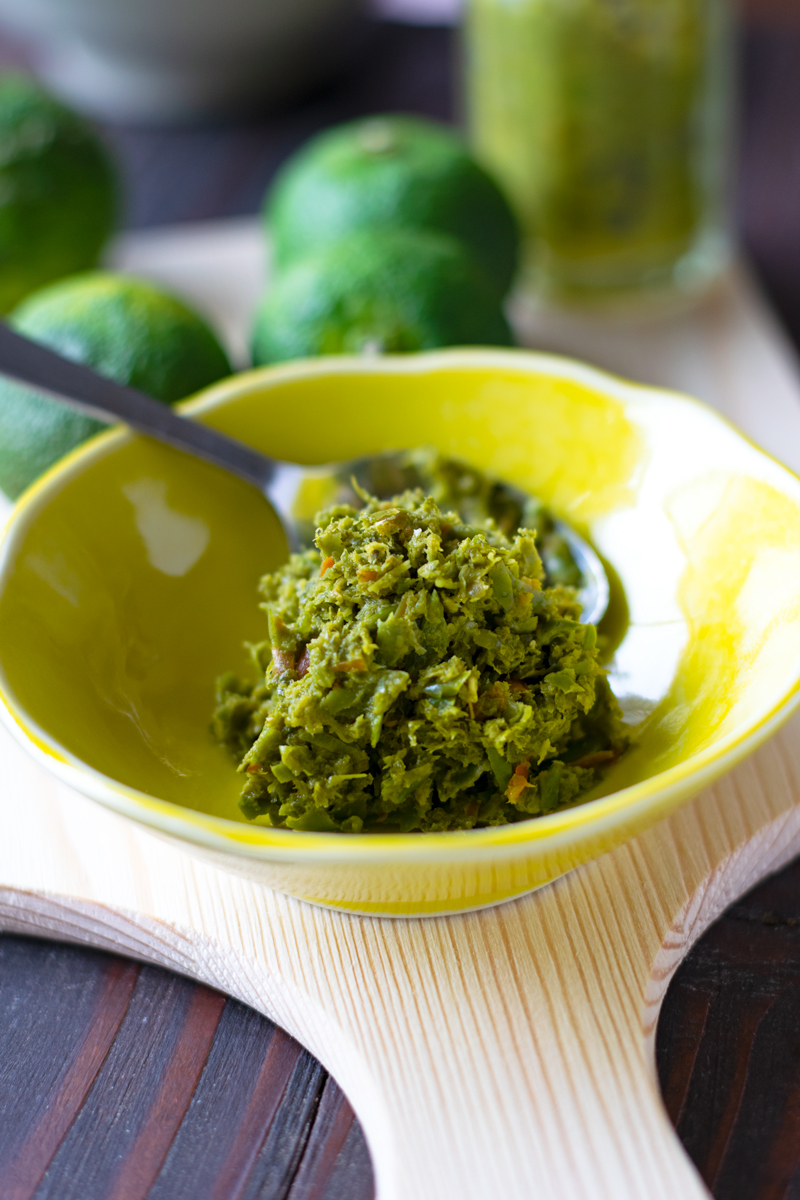
Yuzu Kosho is a traditional Japanese condiment made from the zest and juice of yuzu citrus fruit, chili peppers (typically green or red), and salt. The ingredients are fermented, resulting in a spicy, citrusy, and aromatic paste that is used to add depth and complexity to various dishes. Unlike many other chili pastes, yuzu kosho boasts a unique fragrance and a balanced flavor that combines heat with refreshing citrus notes.
The Origins of Yuzu Kosho
Yuzu Kosho originated in Kyushu, Japan, particularly in the regions of Fukuoka and Oita. Historically, it was a local specialty, prepared in households using ingredients sourced from their own gardens or local farms. The practice of making yuzu kosho dates back centuries, with families passing down their unique recipes and techniques through generations. The condiment was initially created as a way to preserve yuzu and chili peppers, which were abundant in the region, ensuring that these flavors could be enjoyed throughout the year.


The name "yuzu kosho" itself is indicative of its regional roots. "Yuzu" refers to the citrus fruit, while "kosho" is a local Kyushu term for chili pepper, differing from the standard Japanese word "togarashi." This regional nomenclature highlights the condiment's deep connection to the local culture and culinary traditions of Kyushu.
Traditional Ingredients and Preparation
The key ingredients in yuzu kosho are simple yet essential for its distinctive flavor:
Yuzu: The yuzu fruit is a Japanese citrus known for its aromatic zest and tart juice. It is more fragrant than lemons or limes, with a unique blend of floral and citrus notes.
Chili Peppers: Green or red chili peppers are used, depending on the desired level of heat and flavor profile. Green chilies offer a brighter, fresher taste, while red chilies provide a deeper, more intense heat.
Salt: Salt acts as a preservative and enhances the flavors of the yuzu and chili peppers. Sea salt is often preferred for its clean taste.
The traditional preparation of yuzu kosho involves several steps:
Grinding (Optional): Some recipes call for grinding the fermented mixture into a smoother paste using a mortar and pestle or a food processor.
The fermentation process is crucial for developing the unique flavor of yuzu kosho. During fermentation, the salt draws out moisture from the yuzu and chilies, creating a concentrated paste. The enzymes present in the ingredients break down complex compounds, resulting in a more harmonious and flavorful condiment.
Flavor Profile: Spicy, Citrusy, and Aromatic
Yuzu Kosho's flavor profile is a complex interplay of spicy, citrusy, and aromatic notes. The initial taste is dominated by the bright and zesty flavor of yuzu, which provides a refreshing and slightly tart sensation. This is quickly followed by the heat of the chili peppers, which can range from mild to intense, depending on the type and quantity of chilies used. The salt balances the flavors and adds a savory dimension to the paste.
The aroma of yuzu kosho is equally captivating. The fragrant essential oils in the yuzu zest release a complex bouquet of citrus, floral, and herbal notes. The chili peppers contribute a subtle spiciness to the aroma, creating a stimulating and invigorating sensory experience. The fermentation process further enhances the aroma, adding depth and complexity to the overall profile.
The texture of yuzu kosho can vary depending on the preparation method. Some varieties have a coarse, granular texture, while others are smoother and more paste-like. Regardless of the texture, yuzu kosho should be intensely flavorful and aromatic, with a balanced combination of heat, citrus, and salt.
How to Use Yuzu Kosho in Cooking
Yuzu Kosho is a versatile condiment that can be used in a wide range of culinary applications. Its unique flavor profile makes it an excellent addition to both Japanese and Western dishes, adding depth, complexity, and a touch of heat. Here are some popular ways to use yuzu kosho in cooking:
Yuzu Kosho as a Condiment
One of the simplest and most effective ways to enjoy yuzu kosho is as a condiment. A small dab of this flavorful paste can elevate the taste of various dishes, adding a burst of citrus and spice. Some popular uses include:
Sushi and Sashimi: Yuzu kosho can be used as an alternative to wasabi, providing a unique flavor pairing with raw fish.
Grilled Meats and Vegetables: A small amount of yuzu kosho can enhance the flavor of grilled meats and vegetables, adding a zesty and spicy kick.
Tofu: Yuzu kosho pairs well with tofu, adding flavor to otherwise bland dishes.
Noodle Dishes: A dab of yuzu kosho can be added to noodle soups or stir-fries for an extra layer of flavor.
Dipping Sauce: Mix yuzu kosho with soy sauce or ponzu for a flavorful dipping sauce for dumplings, tempura, or other appetizers.
When using yuzu kosho as a condiment, it's important to start with a small amount and adjust to taste. Its intense flavor can easily overpower a dish if used excessively.
Incorporating Yuzu Kosho into Marinades and Sauces
Yuzu Kosho can also be used as an ingredient in marinades and sauces, adding depth and complexity to the flavor profile. Its citrusy and spicy notes can enhance the taste of meats, seafood, and vegetables.
For marinades, yuzu kosho can be combined with other ingredients such as soy sauce, sake, mirin, ginger, and garlic. This marinade can then be used to flavor meats such as chicken, pork, or beef before grilling, roasting, or stir-frying. The yuzu kosho helps to tenderize the meat and infuse it with a complex flavor.
In sauces, yuzu kosho can be used to add a unique twist to traditional recipes. For example, it can be added to a vinaigrette for salads, a dipping sauce for tempura, or a glaze for grilled fish. Its versatility makes it a valuable ingredient for creating innovative and flavorful sauces.
Here are some tips for incorporating yuzu kosho into marinades and sauces:
Start with a small amount: Yuzu kosho is potent, so begin with a small quantity and adjust to taste.
Balance the flavors: Consider the other ingredients in the marinade or sauce and adjust the amount of yuzu kosho accordingly.
Experiment with different combinations: Yuzu kosho pairs well with a wide range of flavors, so don't be afraid to experiment with different combinations.
Creative Culinary Applications: From Noodles to Grilled Meats
Beyond its traditional uses, yuzu kosho can be incorporated into a variety of creative culinary applications. Its unique flavor profile makes it a versatile ingredient that can enhance the taste of both savory and sweet dishes.
Here are some innovative ways to use yuzu kosho in cooking:
Noodle Dishes: Add a dab of yuzu kosho to ramen, udon, or soba noodle soups for an extra layer of flavor. It can also be mixed into stir-fried noodles for a spicy and citrusy kick.
Grilled Meats: Use yuzu kosho as a rub for grilled meats such as steak, chicken, or pork. Its citrusy and spicy notes complement the smoky flavor of the grill.
Seafood: Yuzu kosho pairs well with seafood such as grilled fish, shrimp, or scallops. It can be used as a marinade, a condiment, or an ingredient in a sauce.
Vegetables: Add yuzu kosho to roasted or sautéed vegetables for a burst of flavor. It works especially well with root vegetables such as carrots, parsnips, and sweet potatoes.
Soups and Stews: Stir a small amount of yuzu kosho into soups and stews for added depth and complexity. It can be used to enhance the flavor of both vegetarian and meat-based dishes.
Salad Dressings: Whisk yuzu kosho into salad dressings for a unique twist. It pairs well with vinaigrettes and creamy dressings alike.
Dips and Spreads: Mix yuzu kosho into dips and spreads such as hummus, guacamole, or cream cheese for a flavorful kick.
Desserts: While less common, yuzu kosho can also be used in desserts. A small amount can add a surprising and delightful twist to ice cream, sorbet, or chocolate desserts.
Where to Find and Store Yuzu Kosho
As yuzu kosho gains popularity, it is becoming increasingly available in various retail outlets. However, finding high-quality yuzu kosho may require some searching. Proper storage is essential to maintain its freshness and flavor.
Buying Yuzu Kosho: Online and Specialty Stores
Yuzu Kosho can be found in a variety of locations, both online and in physical stores. Here are some of the best places to purchase this flavorful condiment:
Online Retailers: Online marketplaces such as Amazon, Rakuten, and specialty food websites offer a wide selection of yuzu kosho from various brands. These online retailers often provide detailed product descriptions and customer reviews, making it easier to find a high-quality product.
Japanese Grocery Stores: Japanese grocery stores are a reliable source for authentic yuzu kosho. These stores typically carry a range of Japanese condiments and ingredients, including yuzu kosho from well-known Japanese brands.
Specialty Food Stores: Specialty food stores that carry international or gourmet ingredients may also stock yuzu kosho. These stores often curate their selection carefully, ensuring that they offer high-quality products.
Asian Supermarkets: Large Asian supermarkets may carry yuzu kosho, especially those with a focus on Japanese cuisine. These supermarkets often have a wide selection of Asian ingredients at competitive prices.
When purchasing yuzu kosho, it's important to consider the following factors:
Ingredients: Look for yuzu kosho made with high-quality ingredients, including fresh yuzu zest, chili peppers, and sea salt.
Origin: Yuzu kosho from Kyushu, Japan, is generally considered to be the most authentic and flavorful.
Color: The color of yuzu kosho can range from green to red, depending on the type of chili peppers used. Both green and red yuzu kosho are delicious, so choose the one that appeals to your taste.
Texture: The texture of yuzu kosho can vary from coarse to smooth. Choose the texture that you prefer based on your intended use.
DIY Yuzu Kosho Recipe
For those who enjoy making their own condiments, creating yuzu kosho at home is a rewarding experience. The process is relatively simple, and the result is a fresh, flavorful paste that can be customized to your liking.
Here is a basic recipe for making yuzu kosho at home:
Instructions:
Tips for making homemade yuzu kosho:
Use fresh, high-quality yuzu fruits for the best flavor.
Adjust the amount of chili peppers to your desired level of heat.
Use sea salt for a clean, pure flavor.
Allow the yuzu kosho to ferment in the refrigerator for at least one week to allow the flavors to meld.
Proper Storage for Optimal Freshness
Proper storage is crucial for maintaining the freshness and flavor of yuzu kosho. Here are some tips for storing this flavorful condiment:
Refrigeration: Yuzu kosho should always be stored in the refrigerator to prevent spoilage and maintain its flavor. The cold temperature helps to slow down the fermentation process and preserve the freshness of the ingredients.
Airtight Container: Store yuzu kosho in an airtight container to prevent it from drying out and absorbing odors from the refrigerator. A clean glass jar with a tight-fitting lid is ideal.
Avoid Contamination: Always use a clean spoon or utensil when scooping yuzu kosho from the jar to prevent contamination. This will help to prolong its shelf life and maintain its quality.
Shelf Life: Yuzu kosho can last for several months in the refrigerator if stored properly. However, it's best to use it within 6-12 months for optimal flavor.
Check for Spoilage: If you notice any signs of spoilage, such as mold, discoloration, or an off odor, discard the yuzu kosho immediately.
By following these storage tips, you can ensure that your yuzu kosho remains fresh and flavorful for an extended period, allowing you to enjoy its unique taste in a variety of dishes.
Yuzu kosho is a versatile and flavorful condiment that can add a unique twist to a wide range of dishes. Whether used as a condiment, an ingredient in marinades and sauces, or a creative addition to various culinary creations, yuzu kosho is sure to delight the senses and elevate the taste of your meals. Understanding how to properly store yuzu kosho ensures its longevity and flavor, making it a valuable addition to any kitchen. Its origins in Kyushu, Japan, highlight its rich history and cultural significance, making it more than just a condiment but a culinary experience. Explore the world of creative culinary applications with yuzu kosho and discover the depth and complexity it brings to your favorite recipes. From its traditional uses to innovative applications, this Japanese citrus chili paste continues to captivate food enthusiasts worldwide.


Messenger

Back to top