
Vietnam, with its vibrant culture, stunning landscapes, and delicious cuisine, has become an increasingly popular destination for tourists worldwide. Among these, Japanese tourists have shown a particular affinity for the Southeast Asian nation. The rising number of Japanese tourists in Vietnam signals a deeper connection than just a passing travel trend. This article explores the various factors contributing to Vietnam's allure for Japanese travelers, from historical ties to practical considerations, and offers insights for those planning their own Vietnamese adventure.
The Allure of Vietnam: Why Japanese Tourists are Flocking
Vietnam's attraction to Japanese tourists is multifaceted, stemming from a blend of historical connections, economic factors, diverse experiences, and a sense of familiarity coupled with exotic allure. The country offers a unique proposition that resonates deeply with the Japanese sense of adventure and cultural appreciation.
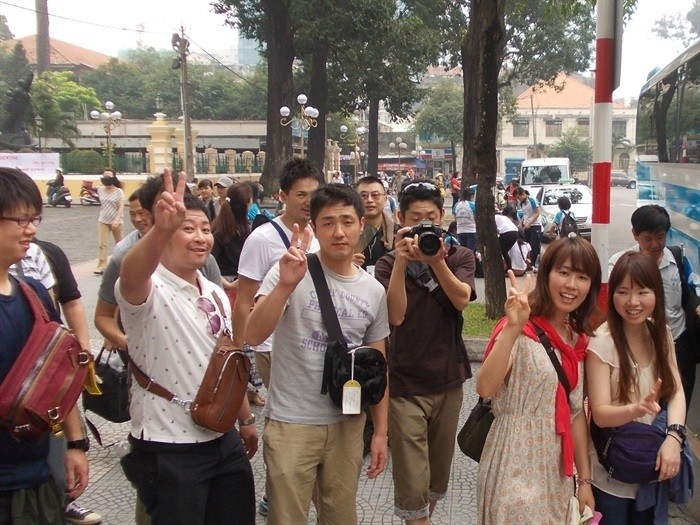
Historical and Cultural Connections Between Japan and Vietnam
The relationship between Japan and Vietnam extends back centuries, marked by periods of trade, cultural exchange, and even shared political ideologies. While historical complexities exist, a sense of mutual respect and understanding has generally prevailed. This shared history fosters a sense of connection that makes Vietnam a compelling destination for japanese visitors.
One notable aspect is the influence of Confucianism in both societies. This shared philosophical foundation shapes societal values, such as respect for elders, emphasis on education, and the importance of harmony. Japanese tourists often find these familiar values reflected in Vietnamese culture, creating a comfortable and welcoming environment.
Furthermore, the presence of Japanese businesses and investments in Vietnam has strengthened ties in recent decades. This economic cooperation has not only boosted Vietnam's economy but has also increased awareness and interest in Vietnam among the Japanese population. Many Japanese companies send employees to Vietnam for work assignments, further fostering cross-cultural understanding.
Affordable Travel Destination for Japanese Travelers
Compared to other popular destinations, Vietnam offers excellent value for money. The cost of accommodation, food, transportation, and activities is significantly lower than in Japan, making it an attractive option for budget-conscious travelers. This affordability allows Japanese tourists to experience more for less, whether it's indulging in delicious street food, staying in comfortable hotels, or exploring multiple regions of the country.
The favorable exchange rate between the Japanese Yen and the Vietnamese Dong further enhances the affordability factor. Japanese tourists find that their money stretches much further in Vietnam, allowing them to enjoy a higher standard of living during their travels.
Moreover, the availability of budget airlines and affordable tour packages makes it easier and more accessible for Japanese travelers to visit Vietnam. These options cater to a wide range of budgets and preferences, making Vietnam an appealing destination for solo travelers, families, and groups.
Diverse Landscapes and Experiences: From Beaches to Mountains
Vietnam boasts a remarkable diversity of landscapes, ranging from stunning beaches and lush rice paddies to majestic mountains and vibrant cities. This variety allows Japanese tourists to tailor their trips to their specific interests and preferences, ensuring a memorable and fulfilling experience.
For those seeking relaxation and sun-kissed shores, Vietnam's coastline offers a plethora of beautiful beaches. From the popular beaches of Da Nang and Nha Trang to the more secluded shores of Phu Quoc Island, there's a beach to suit every taste. These coastal destinations provide opportunities for swimming, sunbathing, water sports, and enjoying fresh seafood.
In contrast, the northern regions of Vietnam are characterized by breathtaking mountain scenery. Sapa, with its terraced rice fields and ethnic minority villages, is a popular destination for trekking and experiencing the region's unique cultural heritage. The mountainous landscapes offer a refreshing escape from the bustling cities and a chance to connect with nature.
Furthermore, Vietnam's cities offer a vibrant mix of history, culture, and modernity. Hanoi, the capital, is known for its charming Old Quarter, ancient temples, and delicious street food. Ho Chi Minh City, the country's largest metropolis, is a bustling hub of commerce and entertainment, with a rich history and a thriving culinary scene. Each city offers a unique glimpse into Vietnam's diverse character.
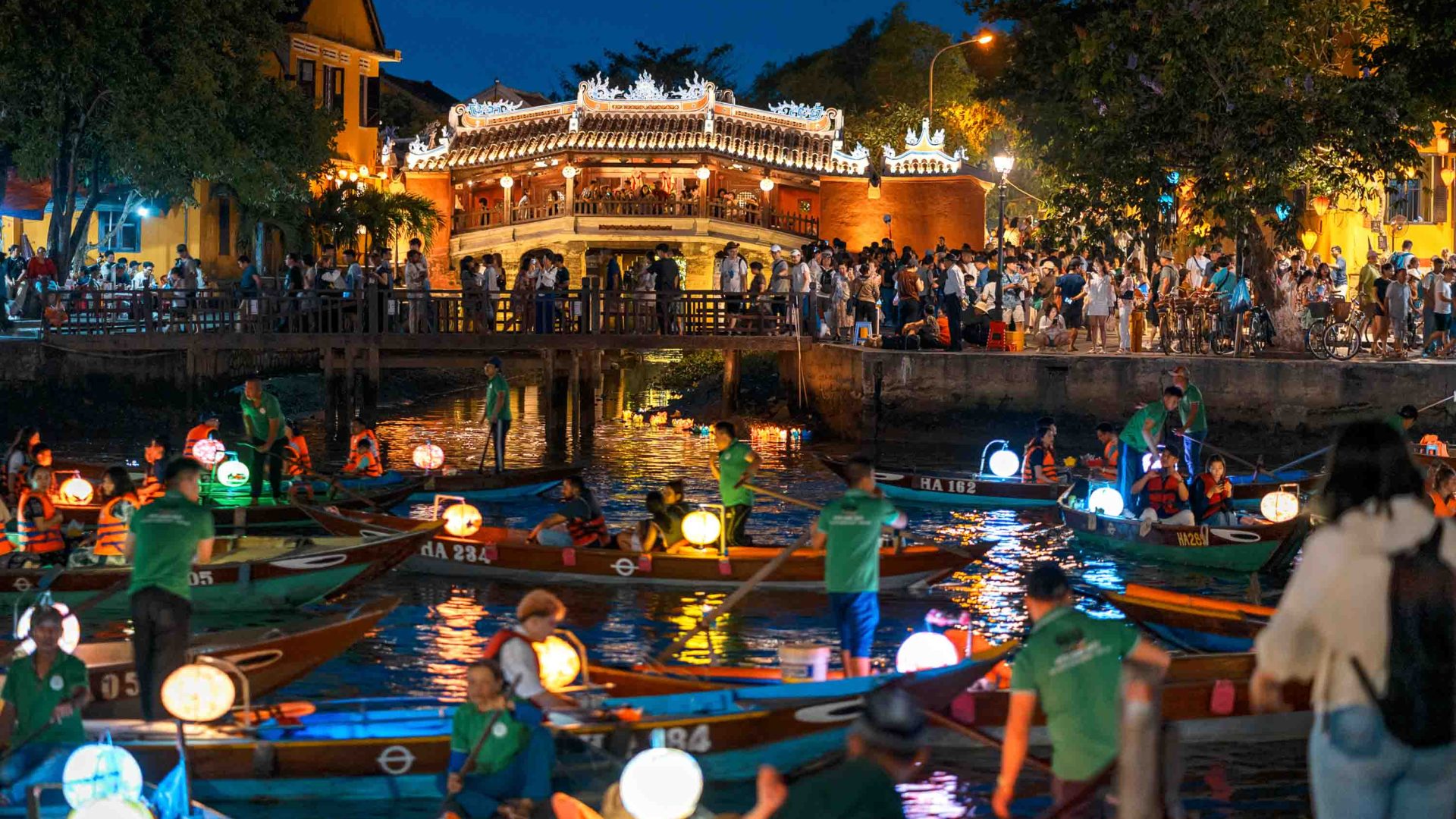
Top Destinations and Activities for Japanese Tourists
Vietnam offers a wide array of destinations and activities that particularly appeal to Japanese tourists. These include historical sites, cultural experiences, natural wonders, and culinary delights. By exploring these diverse offerings, Japanese travelers can gain a deeper appreciation for Vietnam's rich heritage and vibrant culture.
Exploring Hanoi's Old Quarter and Historical Sites
Hanoi's Old Quarter is a captivating maze of narrow streets, traditional shops, and ancient temples. This historic district offers a glimpse into the city's past and a chance to experience its unique charm. Japanese tourists often enjoy strolling through the streets, sampling local delicacies, and admiring the traditional architecture.
- Hoan Kiem Lake and Ngoc Son Temple: A serene oasis in the heart of Hanoi.
- Temple of Literature: Vietnam's first university, dedicated to Confucius.
- Hoa Lo Prison: A poignant reminder of Vietnam's struggle for independence.
Relaxing on the Beaches of Da Nang and Phu Quoc
Da Nang and Phu Quoc are two of Vietnam's most popular beach destinations, offering pristine sands, crystal-clear waters, and a range of water sports activities. These coastal paradises provide the perfect setting for relaxation and rejuvenation. Japanese tourists often flock to these beaches to escape the stresses of daily life and soak up the sun.
- My Khe Beach (Da Nang): Known for its soft white sand and gentle waves.
- Non Nuoc Beach (Da Nang): Famous for its picturesque Marble Mountains.
- Long Beach (Phu Quoc): The island's longest beach, offering stunning sunsets.
Experiencing the Bustling City Life of Ho Chi Minh City
Ho Chi Minh City, formerly Saigon, is a vibrant metropolis that pulsates with energy and excitement. This bustling city offers a fascinating blend of history, culture, and modernity. Japanese tourists often enjoy exploring the city's historical landmarks, sampling its diverse cuisine, and experiencing its lively nightlife.
- War Remnants Museum: A sobering reminder of the Vietnam War.
- Reunification Palace: The former residence of the President of South Vietnam.
- Cu Chi Tunnels: An intricate network of underground tunnels used by the Viet Cong.
Japanese tourists often enjoy the culinary experiences available in Ho Chi Minh. From street food to fine dining, the city has something to offer every palate. Many tours focus specifically on the food, and are designed for international visitors.
Tips for Japanese Tourists Planning a Trip to Vietnam
Planning a trip to Vietnam requires careful consideration of various factors, including cultural differences, language barriers, and transportation options. By understanding these aspects, Japanese tourists can ensure a smooth and enjoyable travel experience.
Understanding Vietnamese Customs and Etiquette
Vietnamese culture is deeply rooted in traditions and customs that may differ from those in Japan. By understanding and respecting these cultural nuances, Japanese tourists can avoid misunderstandings and foster positive interactions with locals. Some important customs to keep in mind include:
- Respect for elders: Addressing older people with honorifics and showing deference.
- Avoiding public displays of affection: Maintaining a respectful distance in public.
- Removing shoes before entering homes or temples: A sign of respect and cleanliness.
Essential Vietnamese Phrases for Communication
While English is spoken in tourist areas, learning a few basic Vietnamese phrases can greatly enhance the travel experience. Knowing how to say hello, thank you, and excuse me can go a long way in building rapport with locals.
- Xin chào (sin chow): Hello
- Cảm ơn (gahm uhn): Thank you
- Xin lỗi (sin loy): Excuse me
Communicating effectively can make the travel process much smoother and more enjoyable. Even a few phrases can help show respect for the local culture.
Navigating Transportation and Accommodation Options
Vietnam offers a variety of transportation options, ranging from taxis and buses to trains and domestic flights. Understanding the pros and cons of each option can help Japanese tourists choose the most convenient and cost-effective mode of transportation for their needs.
Accommodation options in Vietnam range from budget-friendly hostels to luxurious hotels and resorts. Japanese tourists can choose accommodation based on their budget, preferences, and travel style. Booking in advance is recommended, especially during peak season.
Consider these accommodation types:
- Hotels: Familiar and comfortable, with a range of amenities.
- Homestays: A chance to live with a local family and experience Vietnamese culture.
- Resorts: Luxurious and relaxing, with access to beaches and other facilities.
In conclusion, Vietnam's appeal to Japanese tourists is a result of its rich history, affordable travel costs, diverse landscapes, and unique cultural experiences. By understanding the nuances of Vietnamese culture and planning their trips carefully, Japanese travelers can create unforgettable memories in this captivating Southeast Asian nation. The combination of affordability and cultural richness makes Vietnam an ideal destination.


Messenger

Back to top