
Wasabi, with its pungent aroma and fiery kick, is an integral part of Japanese cuisine, particularly as a condiment for sushi and sashimi. This vibrant green paste, derived from the wasabi plant, adds a unique dimension to dishes, awakening the palate and complementing the flavors of the food. However, the world of wasabi is often shrouded in mystery, with many consumers unaware of the differences between real wasabi and its imitations. This article delves into the fascinating world of wasabi, exploring its origins, cultural significance, and diverse applications.
Understanding Wasabi: From Plant to Paste
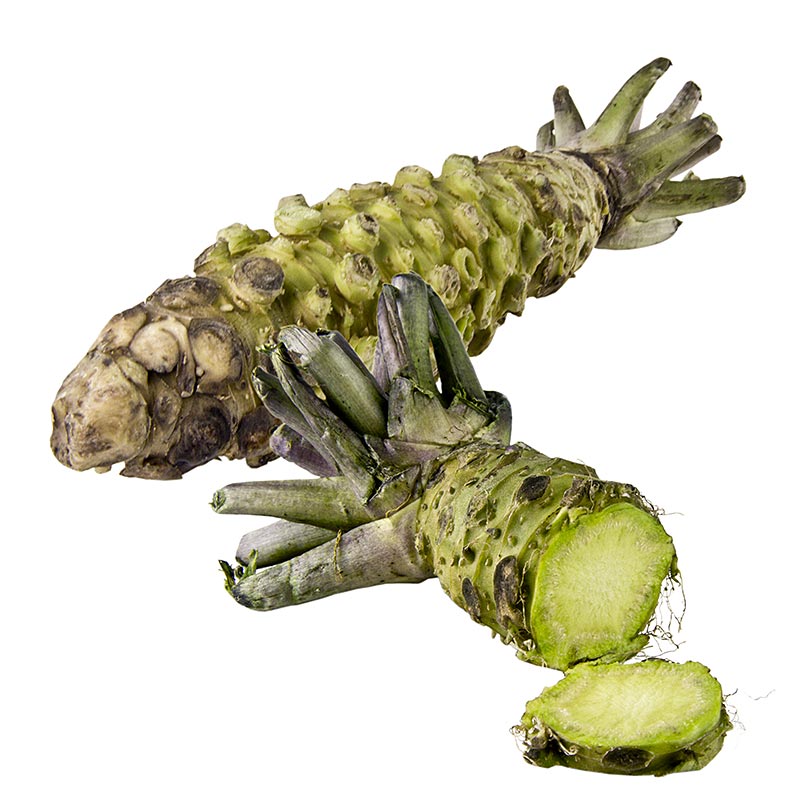
The quest to understand wasabi begins with the plant itself. Wasabia japonica, the source of genuine wasabi, is a rhizome that belongs to the Brassicaceae family, which also includes horseradish, mustard, and cabbage. Unlike its more common cousins, wasabi is notoriously difficult to cultivate, requiring specific environmental conditions to thrive.
The Wasabi Plant's Anatomy
The wasabi plant is characterized by its heart-shaped leaves, which are also edible, and its thick, green rhizome, which is the prized part used to make wasabi paste. The plant thrives in cool, shaded environments with a constant supply of fresh, flowing water. These specific requirements make growing wasabi a challenging and expensive endeavor, contributing to the high cost of real wasabi.
- Rhizome: The main stem grows horizontally underground.
- Leaves: Heart-shaped and edible.
- Stem: Upright and supports the leaves.
- Roots: Anchors the plant and absorbs nutrients.
- Flowers: Small, white and bloom in spring.
The Process of Making Wasabi Paste
The traditional method of preparing wasabi paste involves grating the fresh rhizome on a specialized grater, often made of sharkskin, which creates a very fine texture. The grating process releases volatile compounds that give wasabi its distinctive flavor and aroma. However, these compounds dissipate quickly, which is why wasabi is typically grated fresh, just before serving.
The paste's flavor can be described as a pungent, slightly sweet heat that quickly fades, leaving a refreshing sensation. This ephemeral quality is part of what makes fresh wasabi so highly valued.
Real Wasabi vs. Imitation Wasabi
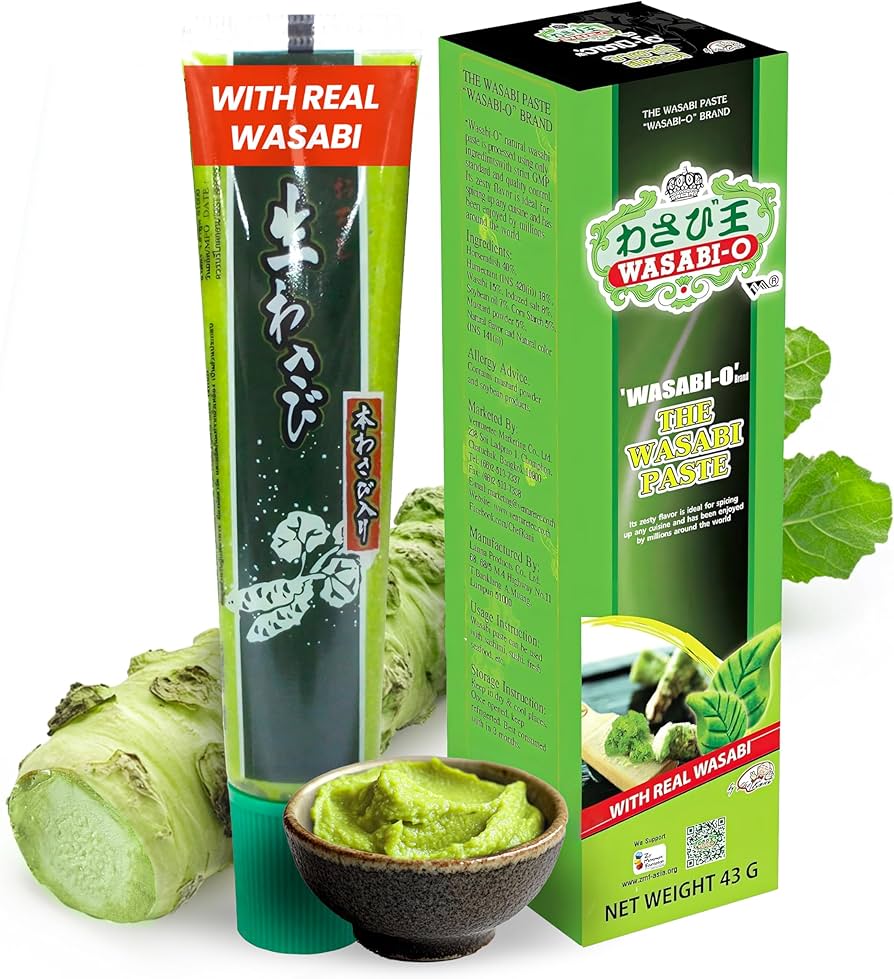
Due to the difficulty and expense of cultivating wasabi, much of the wasabi found outside of Japan is actually an imitation. This imitation wasabi is typically made from a blend of horseradish, mustard, and green food coloring. While it mimics the appearance of real wasabi, it lacks the complex flavor and delicate aroma.
Distinguishing between real and imitation wasabi can be challenging, but there are a few key indicators. Real wasabi has a more subtle, nuanced flavor, while imitation wasabi tends to be harsher and more intensely spicy. Additionally, real wasabi is often a pale green color, while imitation wasabi is typically a brighter, more artificial-looking green.
The Cultural Significance of Wasabi
Beyond its culinary applications, wasabi holds a significant place in Japanese culture and tradition. From its historical roots to its role in modern pop culture, wasabi has become a symbol of Japanese identity.
Wasabi in Japanese Tradition
Wasabi has been used in Japan for centuries, with evidence suggesting its consumption dating back to the Muromachi period (1336 to 1573). Initially, it was valued for its medicinal properties and later became a popular condiment among the elite. Over time, wasabi's popularity spread, and it eventually became an essential part of Japanese cuisine.
In traditional Japanese medicine, wasabi was believed to have antibacterial and anti-inflammatory properties. It was also used to help preserve food and to counteract the potential toxicity of raw fish.
Wasabi and Sushi Etiquette
Wasabi plays a crucial role in the art of sushi, where it is used to enhance the flavor of the fish and to balance the sweetness of the rice. Traditionally, a small amount of wasabi is placed between the fish and the rice, allowing the flavors to meld together harmoniously. However, wasabi uses can vary depending on personal preference, and some people prefer to mix it with soy sauce.
Proper sushi etiquette dictates that wasabi should be used sparingly, as too much can overpower the delicate flavors of the fish. It is also considered impolite to mix excessive amounts of wasabi into soy sauce, as this is seen as a sign of disrespect for the chef's artistry.
It is also worth noting that the purpose of wasabi with sushi extends beyond just flavor. Its antibacterial properties help to neutralize any potential bacteria in the raw fish, making it a practical addition to the meal.
Wasabi in Pop Culture
Wasabi has transcended its culinary roots and become a recognizable symbol of Japanese culture in popular media. It is often used in movies, television shows, and video games to represent Japanese cuisine or to add a touch of exoticism. Its unique flavor and vibrant color make it a memorable and easily identifiable element.
Exploring Wasabi-Infused Products
The distinctive flavor of wasabi has inspired a wide range of wasabi-infused products, from snacks and candies to beverages and condiments. These innovative creations offer a new way to experience the unique taste of wasabi, catering to a variety of palates and preferences.
Wasabi Snacks and Candies
Wasabi-flavored snacks and candies have become increasingly popular in recent years, offering a playful twist on traditional treats. From wasabi-coated peanuts and crackers to wasabi-flavored chocolate and gummy candies, these products provide a surprising and often addictive combination of sweet and savory flavors.
Despite the initial shock of the wasabi heat, many people find these snacks to be quite enjoyable, thanks to the balance of flavors and the satisfying crunch. They make for a unique and memorable snacking experience.
Wasabi-Flavored Beverages
Wasabi has also found its way into the beverage industry, with several companies experimenting with wasabi-flavored drinks. These include wasabi-infused beers, cocktails, and even energy drinks. The addition of wasabi adds a spicy kick to these beverages, creating a unique and invigorating drinking experience.
While wasabi-flavored beverages may not be for everyone, they offer a bold and adventurous option for those seeking a departure from traditional flavors.
Unique Wasabi-Based Creations
Beyond snacks, candies, and beverages, wasabi has inspired a variety of other creative culinary applications. Chefs around the world are incorporating wasabi into sauces, dressings, marinades, and even desserts, showcasing its versatility and ability to complement a wide range of flavors.
Wasabi aioli, for example, is a popular condiment for sandwiches and burgers, while wasabi vinaigrette adds a zesty twist to salads. Wasabi-infused chocolate ganache offers a surprising and sophisticated dessert option.
The flavor profile of wasabi is described as having a wasabi flavor that is pungent with a heat that doesn't linger long, which is why it pairs perfectly with sushi and sashimi.
In conclusion, wasabi is more than just a condiment; it is a cultural icon with a rich history and a diverse range of applications. Whether enjoyed in its traditional form as a complement to sushi or in innovative new creations, wasabi continues to captivate and delight palates around the world. From the careful cultivation of the wasabi plant to the artistry of preparing the perfect wasabi paste, every aspect of this unique ingredient reflects the dedication and passion of Japanese culinary tradition. As you savor your next bite of sushi with a touch of wasabi, take a moment to appreciate the journey of this extraordinary plant from its origins to its place on your plate, and you might even consider growing wasabi yourself.


Messenger

Back to top