
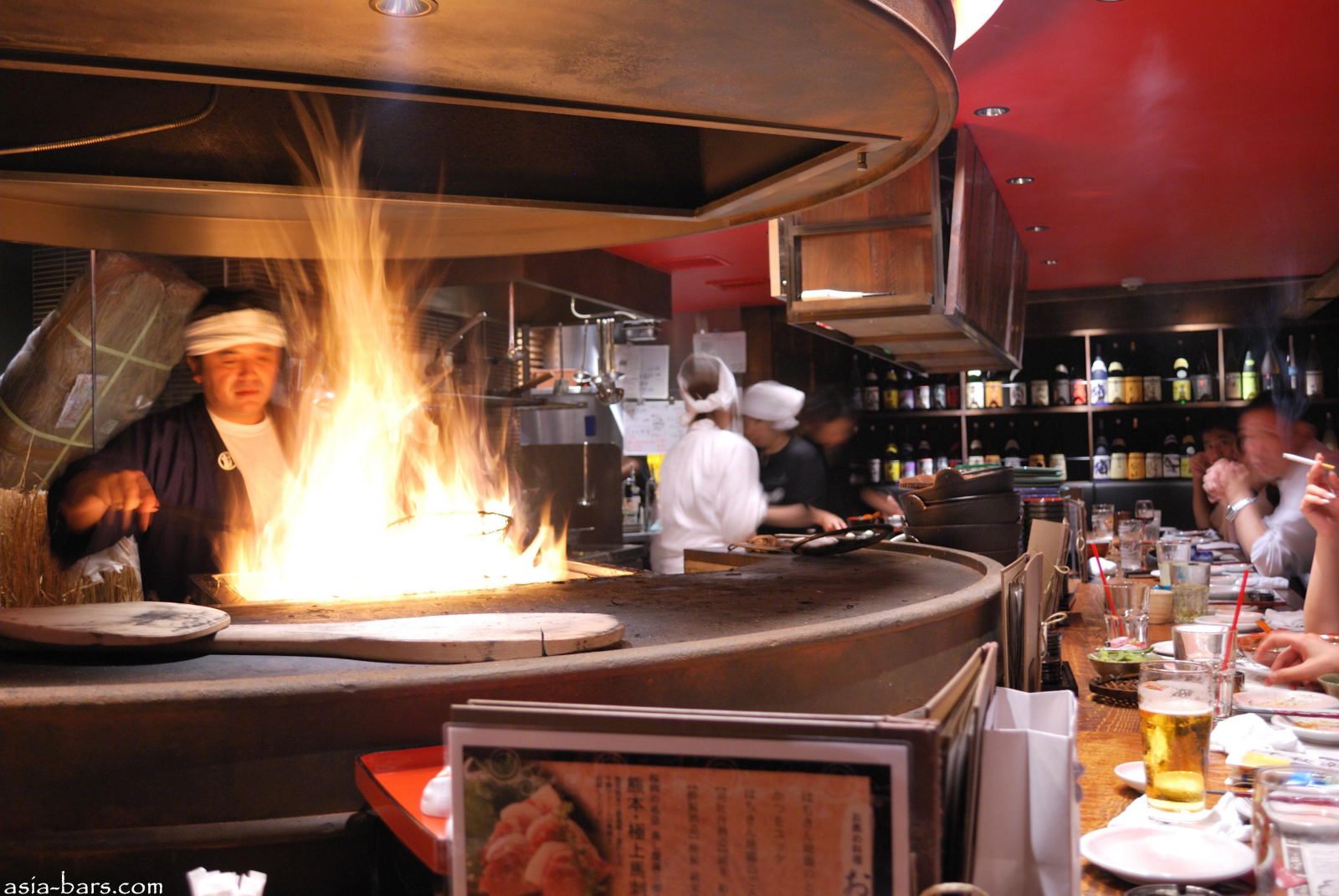
Warayaki, a dynamic and visually stunning Japanese cooking method, utilizes intense heat from burning straw to sear and flavor food. More than just a cooking technique, it's a culinary performance, infusing dishes with a unique smoky aroma and creating a delightful textural contrast. From the bustling izakayas of Tokyo to regional specialties, Warayaki offers a fascinating glimpse into Japan's rich gastronomic heritage. This article delves into the history, techniques, popular dishes, and nutritional aspects of Warayaki, providing insights into how you can even try this method at home.
The Origins of Warayaki Cooking
Warayaki, meaning “straw-fire cooking,” has its roots in Kochi Prefecture, located on the island of Shikoku. Historically, Kochi was a prominent fishing region, particularly known for its skipjack tuna (katsuo). Fishermen developed Warayaki as a quick and efficient way to prepare their catch directly on their boats. The intense heat from the burning straw seared the fish quickly, creating a flavorful crust while leaving the inside relatively rare. This method not only cooked the fish but also imparted a distinctive smoky flavor that became a signature of Kochi cuisine. Over time, Warayaki evolved from a practical cooking solution into a celebrated culinary art form, spreading beyond Kochi and gaining popularity throughout Japan.
The Historical Context
The development of Warayaki is closely linked to the availability of rice straw, a byproduct of rice cultivation, which was abundant in Kochi. Fishermen ingeniously utilized this resource to create a high-heat cooking method that was both efficient and flavorful. The technique was particularly well-suited for preparing katsuo, as the intense heat helped to eliminate any fishy odors and enhance its natural flavors. This innovative approach to cooking reflects the resourcefulness and culinary creativity of the people of Kochi.
Evolution into a Culinary Art
While initially a practical method for preparing food at sea, Warayaki gradually transformed into a refined culinary technique. Chefs began experimenting with different types of straw and adjusting the cooking time to achieve specific flavor profiles and textures. Restaurants specializing in Warayaki emerged, offering a variety of dishes prepared using this unique method. Today, Warayaki is recognized as a distinct and highly regarded aspect of Japanese cuisine, attracting food enthusiasts from around the world.
Essential Ingredients and Equipment
To perform Warayaki successfully, specific ingredients and equipment are essential. The quality of these elements directly impacts the flavor and authenticity of the dish.
Key Ingredients
- Straw: Rice straw is the most traditional and commonly used fuel for Warayaki. Its rapid burning rate and unique aroma contribute significantly to the dish's flavor profile. The straw must be dry and free from any contaminants to ensure a clean and consistent burn.
- Protein: While skipjack tuna (katsuo) is the most iconic ingredient, Warayaki can be applied to various proteins, including other types of fish (like salmon), beef (such as Wagyu), and even chicken. The choice of protein depends on personal preference and regional availability.
- Seasonings: Simple seasonings are typically used to complement the smoky flavor of Warayaki. Common choices include sea salt, soy sauce, citrus juices (such as yuzu or lemon), and grated ginger or garlic. These seasonings enhance the natural flavors of the protein without overpowering the smoky essence.
Specialized Equipment
- Warayaki Grill: A specialized grill designed to hold a large quantity of straw and allow for intense, direct heat. These grills often have a sloped design to facilitate airflow and maintain a consistent burn. The grill should also be sturdy and heat-resistant to withstand the high temperatures generated by the burning straw.
- Tongs: Long, heavy-duty tongs are essential for handling the protein during the cooking process. These tongs allow the chef to safely position and flip the food while keeping their hands away from the intense heat.
- Fire-Resistant Gloves: Protecting your hands from the extreme heat is crucial. Fire-resistant gloves made from materials like Kevlar provide excellent insulation and allow for safe handling of the food and equipment.
- Water Spray Bottle: A water spray bottle is necessary to control the flames and prevent the straw from burning too quickly. Spritzing water onto the straw helps to regulate the heat and maintain a consistent cooking temperature.
Warayaki Techniques and Methods
The Warayaki technique involves several key steps that require precision and attention to detail. Mastering these methods is crucial for achieving the desired flavor and texture.
Preparing the Straw
Before cooking, the rice straw must be properly prepared. This involves ensuring that the straw is completely dry and loosely packed to allow for adequate airflow. The straw is typically arranged in a thick layer on the Warayaki grill, ready to be ignited.
Igniting the Straw
Lighting the straw requires caution and a reliable ignition source. A long-handled lighter or torch is recommended to safely ignite the straw without getting too close to the flames. Once lit, the straw will quickly catch fire, producing intense heat and a characteristic smoky aroma.
Cooking Process
The cooking process is quick and requires constant monitoring. The protein is typically placed directly above or near the burning straw, allowing the intense heat to sear the surface. The chef must carefully control the cooking time to achieve the desired level of doneness, often leaving the interior of the protein relatively rare. Flipping the protein ensures even cooking and prevents burning.
Achieving the Perfect Sear
The key to successful Warayaki is achieving a perfect sear on the outside of the protein while maintaining a tender and juicy interior. This requires precise control of the heat and cooking time. The intense heat from the burning straw creates a Maillard reaction, resulting in a flavorful crust with a distinct smoky aroma.

Exploring the Flavors of Warayaki Cuisine
Warayaki imparts a unique flavor profile to food, characterized by a combination of smoky, savory, and umami notes. The intense heat from the burning straw sears the surface of the protein, creating a flavorful crust while leaving the interior tender and juicy. The smoke infuses the food with a distinctive aroma that is both appealing and complex.
The Smoky Essence
The smoky flavor is the hallmark of Warayaki cuisine. The type of straw used can influence the specific characteristics of the smoke, with rice straw imparting a slightly sweet and grassy note. The intensity of the smoke can be adjusted by controlling the amount of straw used and the cooking time.
Textural Contrasts
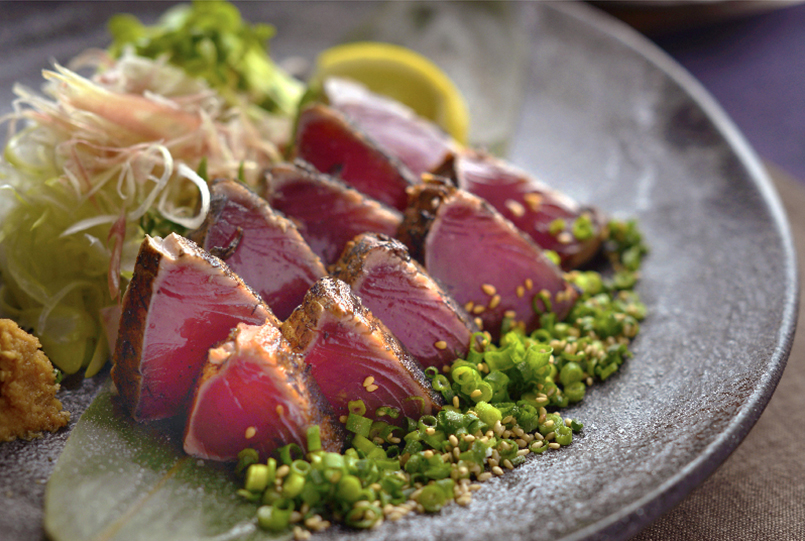
Warayaki creates a delightful textural contrast between the seared, crispy exterior and the tender, succulent interior of the protein. This contrast is particularly evident in dishes like katsuo tataki, where the fish is quickly seared over high heat, leaving the inside rare and flavorful.
Popular Warayaki Dishes
Several dishes have become synonymous with Warayaki cooking, each showcasing the unique flavors and textures that this method imparts.
Katsuo Tataki
Katsuo tataki is arguably the most famous Warayaki dish. Skipjack tuna is seared over burning straw, then chilled and sliced. It's typically served with grated ginger, garlic, and ponzu sauce. The smoky flavor of the seared tuna, combined with the refreshing condiments, creates a harmonious and satisfying dish. It's considered a delicacy and a prime example of traditional Japanese food.
Warayaki Wagyu Beef
Wagyu beef, known for its marbling and rich flavor, is also well-suited for Warayaki. The intense heat quickly sears the surface of the beef, creating a flavorful crust while preserving the tender and juicy interior. Warayaki Wagyu is often served with simple seasonings like sea salt and black pepper to highlight the natural flavors of the beef.
Other Seafood Options
While katsuo is the most traditional choice, other types of seafood can also be prepared using Warayaki. Salmon, mackerel, and other oily fish benefit from the smoky flavor and seared texture that Warayaki provides. These seafood dishes are often served with citrus-based sauces or fresh herbs to complement the richness of the fish.


Regional Variations in Warayaki
While Warayaki originated in Kochi Prefecture, regional variations have emerged, reflecting local ingredients and culinary preferences.
Kochi Prefecture: The Heart of Warayaki
In Kochi, Warayaki remains a central part of the local cuisine. Restaurants throughout the prefecture specialize in Warayaki dishes, using locally sourced ingredients and traditional techniques. The emphasis is on showcasing the natural flavors of the ingredients, with minimal seasoning and a focus on the smoky essence of the straw fire.
Tokyo and Other Metropolitan Areas
In larger cities like Tokyo, Warayaki has been adopted by high-end restaurants and izakayas, often with a modern twist. Chefs may experiment with different types of straw, marinades, and sauces to create unique and innovative Warayaki dishes. The presentation is often more elaborate, reflecting the sophisticated dining scene in these urban centers. Many Japanese restaurants in Tokyo now feature Warayaki on their menus.
The Nutritional Benefits of Warayaki
Warayaki, beyond its unique flavor, offers several nutritional benefits. The cooking method itself helps preserve nutrients and minimize the need for added fats.
Preservation of Nutrients
The high-heat, quick-searing nature of Warayaki helps to seal in the natural juices and nutrients of the protein. This minimizes the loss of vitamins and minerals that can occur with longer cooking methods. Additionally, the minimal use of added fats contributes to a healthier dish.
Rich in Omega-3 Fatty Acids
Many of the proteins commonly used in Warayaki, such as katsuo and salmon, are rich in omega-3 fatty acids. These essential fats are beneficial for heart health, brain function, and overall well-being. Incorporating Warayaki dishes into your diet can be a delicious way to increase your intake of omega-3s.
Warayaki at Home: Tips and Recipes
While traditionally performed in specialized restaurants, Warayaki can be adapted for home cooking with the right equipment and techniques.
Setting up Your Own Warayaki Grill
Creating a Warayaki setup at home requires careful planning and attention to safety. A sturdy, heat-resistant grill is essential, as is a well-ventilated outdoor space. Rice straw can be sourced from specialty food stores or online retailers. Always exercise caution when working with open flames and high heat.
Safety Precautions
- Always cook outdoors in a well-ventilated area.
- Keep a fire extinguisher or water source nearby.
- Wear fire-resistant gloves and eye protection.
- Never leave the grill unattended while in use.

Simple Warayaki Recipes for Beginners
For beginners, starting with simple recipes can help you master the basic techniques of Warayaki.
Warayaki Salmon with Lemon
Ingredients:
- Salmon fillet
- Sea salt
- Black pepper
- Lemon slices
- Rice straw
Instructions:
Advanced Warayaki Techniques and Recipes
Once you've mastered the basics, you can explore more advanced Warayaki techniques and recipes.
Warayaki Wagyu with Truffle Salt
Ingredients:
- Wagyu steak
- Truffle salt
- Soy sauce
- Rice straw
Instructions:
Warayaki is more than just a cooking method; it's a celebration of flavor, technique, and tradition. Whether enjoyed in a high-end restaurant or prepared at home, Warayaki offers a unique and unforgettable culinary experience. The intense heat and smoky aroma create a symphony of flavors and textures that are sure to delight the senses. As you delve into the world of Warayaki, you'll discover the culinary traditions of Japan and gain a newfound appreciation for this ancient art form. From its humble origins in Kochi Prefecture to its presence in modern kitchens around the world, Warayaki continues to captivate and inspire food lovers everywhere.


Messenger

Back to top