
Vietnamese table manners are deeply rooted in tradition and reflect the country's rich cultural heritage. Understanding these customs is essential for anyone visiting or doing business in Vietnam, as it demonstrates respect and facilitates smooth interactions. From the proper use of chopsticks to the nuances of communal dining, mastering Vietnamese dining etiquette can significantly enhance your experience. This guide provides a comprehensive overview of the key aspects of Vietnamese table manners, ensuring you navigate any dining situation with confidence.
Vietnam Table Manners: A Comprehensive Guide
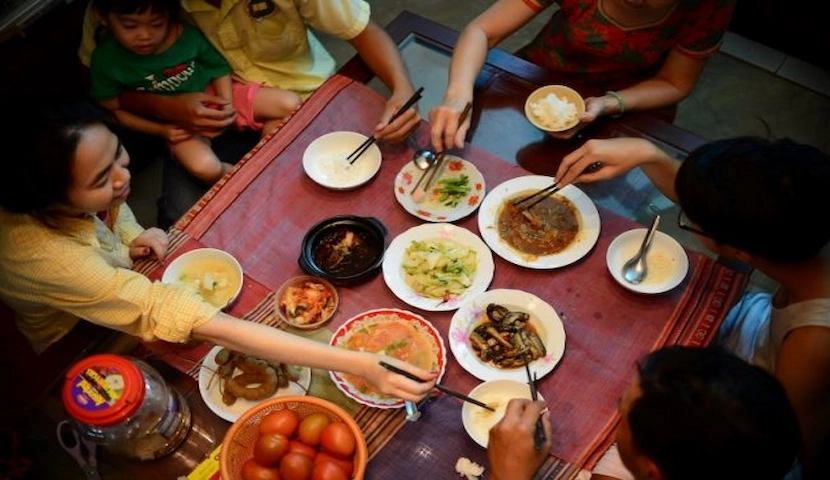
Dining in Vietnam is not merely about nourishing the body; it is a social event that emphasizes harmony, respect, and community. Vietnamese meals are often multi-generational affairs, with family members gathering to share food and conversation. The way food is presented, shared, and consumed all carry cultural significance, reflecting the values of Vietnamese society.
The Importance of Respecting Elders
Respect for elders is a cornerstone of Vietnamese culture, and this extends to the dining table. Elders are always served first, and it is customary to wait for them to begin eating before anyone else starts. This practice demonstrates deference and acknowledges their wisdom and experience. When offering food to an elder, use both hands as a sign of respect.
During the meal, younger members should refrain from speaking loudly or engaging in boisterous behavior. Maintaining a respectful and quiet demeanor is appreciated. Asking elders about their day or sharing stories are appropriate ways to engage, but always ensure the conversation is respectful and considerate.
Understanding Chopstick Etiquette
Chopsticks are the primary eating utensils in Vietnam, and using them correctly is crucial. Here are some key points of chopstick etiquette:
- Do not stick chopsticks upright in your rice bowl: This resembles incense offerings for the deceased and is considered very impolite.
- Use chopsticks to take food from communal dishes: Avoid using your personal chopsticks to pick up food from shared plates.
- Do not cross your chopsticks: Lay them parallel to each other on the chopstick rest or on the table.
- Avoid pointing with your chopsticks: Using chopsticks to gesture or point at someone is considered rude.
- Do not tap your chopsticks on the bowl: This is reminiscent of beggars seeking attention and is seen as disrespectful.
Proper handling of chopsticks shows that you are aware of and respect Vietnamese customs. Practice using chopsticks before your trip to Vietnam to feel more comfortable and confident at the dining table.
Navigating Communal Dishes
Vietnamese meals are typically served family-style, with a variety of dishes placed in the center of the table for everyone to share. Navigating these communal dishes requires some understanding of etiquette. Always use the serving utensils provided to take food from the shared plates. Avoid digging around or picking through the dishes to find your favorite pieces. Take a small portion of each dish to allow others to sample everything.
When passing dishes to others, use both hands as a sign of respect. If someone offers you food, accept it graciously, even if you are not particularly hungry. Refusing food can be seen as impolite. If you have dietary restrictions or allergies, politely inform your host in advance.

Essential Dos and Don'ts
To ensure a positive dining experience in Vietnam, it's important to be aware of the essential dos and don'ts. These guidelines cover various aspects of dining customs in Vietnam, from accepting food to using serving utensils.
Accepting Food with Both Hands
When someone offers you food, especially an elder, it is customary to accept it with both hands. This gesture shows respect and gratitude. Using only one hand can be seen as dismissive or impolite. This practice extends beyond the dining table and is often used when receiving gifts or important items.
If you are unable to eat a particular food item, politely decline, but do so with sincerity and gratitude. Explaining your reason for declining can help avoid any misunderstandings. However, always accept a small portion if offered, even if you only take a bite.
Avoiding Sticking Chopsticks Upright in Rice
As mentioned earlier, sticking chopsticks upright in a bowl of rice is a major faux pas in Vietnamese culture. This action is strongly associated with funeral rituals, where incense sticks are placed in a similar manner to honor the deceased. It is considered extremely bad luck and deeply disrespectful to the host and other diners.
Always lay your chopsticks horizontally on the chopstick rest or on the table when you are not using them. If a chopstick rest is not provided, it is acceptable to place them neatly on the edge of your plate. Ensure they are parallel to each other and not crossed.
Using Serving Utensils Appropriately
When dining from communal dishes, always use the provided serving utensils. This prevents the spread of germs and maintains hygiene. Avoid using your personal chopsticks or spoon to take food from shared plates. If serving utensils are not available, ask your host for them.
Take only the amount of food you intend to eat, and avoid taking the last piece of a dish without offering it to others first. If you accidentally drop food back into the communal dish, apologize and remove it with a serving utensil. Maintaining cleanliness and consideration for others is key to proper dining etiquette.
Regional Variations and Modern Influences
While the core principles of Vietnamese table manners remain consistent, there are regional variations and modern influences that can affect dining customs. Understanding these nuances can help you navigate different dining environments and demonstrate cultural sensitivity.
Differences in Table Settings Across Regions
Vietnam is a diverse country with distinct regional cuisines and customs. Table settings can vary depending on the region. In the North, meals may be more formal with specific arrangements of dishes and utensils. In the South, meals tend to be more casual and relaxed. Central Vietnam often features intricate and decorative table settings, reflecting the region's imperial history.
Generally, a typical Vietnamese table setting includes a rice bowl, chopsticks, a small dish for dipping sauces, and a spoon. Tea is often served throughout the meal, and small cups are used for sipping. Be observant of the table setting and follow the lead of your host to ensure you are using the utensils and dishes correctly.
The Impact of Western Culture on Dining
Vietnam has experienced significant economic and social changes in recent decades, leading to increased exposure to Western culture. This has influenced dining habits, particularly among younger generations. Western-style restaurants and fast-food chains are increasingly popular, and some traditional customs are becoming less strictly observed in these settings.
However, in traditional family meals and formal occasions, Vietnamese table manners still hold significant importance. It is essential to be aware of the context and adapt your behavior accordingly. When in doubt, observe the behavior of your host and other diners to gauge the appropriate level of formality.
Tips for Dining in Formal Settings
Dining in a formal setting in Vietnam requires a greater emphasis on etiquette and decorum. Here are some tips to help you navigate these situations:
By adhering to these guidelines, you can demonstrate your respect for Vietnamese culture and ensure a positive and memorable dining experience. Understanding and respecting cultural nuances is key to building strong relationships and fostering mutual understanding.

Mastering Vietnamese table manners is more than just knowing which fork to use; it's about demonstrating respect for Vietnamese culture and building meaningful connections. By understanding the importance of respecting elders, navigating communal dishes, and adhering to essential dos and don'ts, you can confidently participate in any dining situation. Remember to be observant, respectful, and adaptable, and your efforts will be greatly appreciated. Embracing these customs will undoubtedly enhance your experience and allow you to fully appreciate the richness of Vietnamese culture. Whether you're enjoying a casual meal with friends or attending a formal banquet, a basic understanding of Vietnamese etiquette will serve you well. As you continue to learn and explore, you'll find that food truly is a universal language, capable of bridging cultures and fostering understanding. By showing respect for Vietnamese traditions, you not only honor their heritage but also open doors to deeper connections and lasting relationships. Remember to always be mindful of your actions, and let your genuine appreciation for the culture shine through. This will undoubtedly leave a positive impression and create memorable experiences during your time in Vietnam. Always be aware of regional differences when traveling.


Messenger

Back to top