
Planning a trip from Japan to Vietnam? Obtaining a Vietnam tourist visa is a crucial first step for Japanese citizens. This comprehensive guide provides you with all the necessary information to navigate the visa application process smoothly and efficiently, ensuring your journey to Vietnam is hassle-free. From understanding the initial requirements and choosing the correct visa type to gathering the necessary documents and troubleshooting potential issues, this article will equip you with the knowledge you need.
Your Guide to Getting a Vietnam Visa from Japan
Securing a Vietnam visa as a Japanese citizen involves several key steps. Understanding the eligibility criteria, selecting the appropriate visa type, and meticulously following the application process are all essential for a successful outcome. Let's explore these aspects in detail.
Initial Requirements and Eligibility
Before diving into the application process, it's important to confirm that you meet the basic requirements for a Vietnam visa. Generally, Japanese citizens are eligible to apply for a tourist visa if they:
- Hold a valid Japanese passport with at least six months of remaining validity.
- Have a clean travel history with no prior visa violations.
- Can provide proof of sufficient funds to cover their expenses during their stay in Vietnam.
- Possess a confirmed return ticket or onward travel arrangement.
It's always best to check the latest regulations on the official website of the Vietnam embassy or consulate in Japan, as requirements can sometimes change.
Choosing the Right Visa Type
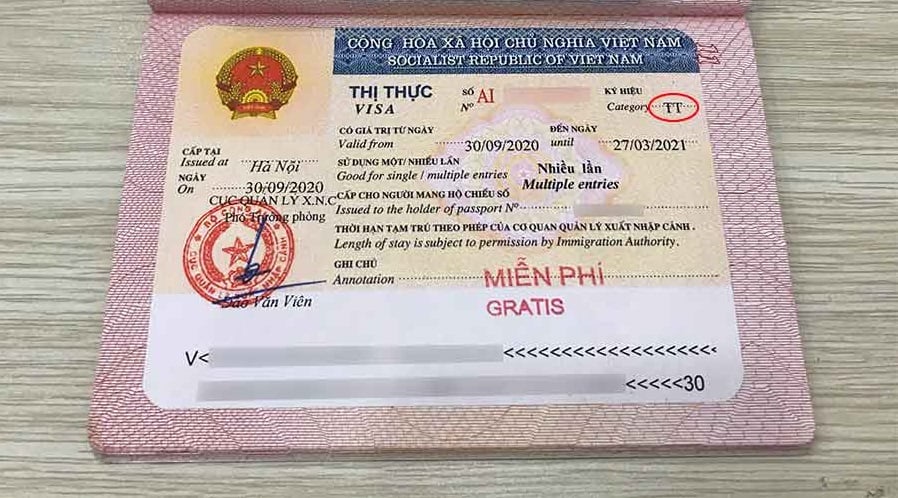
Vietnam offers various types of visas, but for tourism purposes, the most common options are the tourist visa (DL) and the e-visa. Here’s a breakdown:
- Tourist Visa (DL): This visa is typically valid for a single or multiple entries, with a maximum stay of 30 or 90 days. You can obtain it through the Vietnamese embassy or consulate.
- E-visa: This is an electronic visa that you can apply for online. It is usually valid for a single entry and a maximum stay of 30 days. The e-visa is a convenient option for short trips.
When deciding which visa type to apply for, consider the length of your stay and the number of entries you plan to make into Vietnam. For example, if you plan to visit neighboring countries and re-enter Vietnam, a multiple-entry visa is the better choice.
Understanding the Visa Validity Period
The validity period of your visa is the duration within which you are allowed to enter Vietnam. It's crucial to understand that the validity period is different from the duration of your stay. For instance, a visa might be valid for three months, but your permitted stay in Vietnam could be limited to 30 days. Make sure to plan your travel dates accordingly and avoid overstaying your visa, as this can lead to penalties and difficulties in obtaining future visas.
A Detailed Look at the Application Process
The application process for a Vietnam visa involves several steps, from gathering the necessary documents to submitting your application and paying the required fees. Let’s delve into each of these steps.
Gathering Necessary Documents
The documents required for a Vietnam visa application typically include:
- Original Passport: Your passport must be valid for at least six months beyond your intended stay in Vietnam.
- Visa Application Form: This form can usually be downloaded from the website of the Vietnamese embassy or consulate.
- Passport-sized Photographs: You will need to provide recent passport-sized photos that meet the specified requirements (usually 4x6 cm with a white background).
- Flight Itinerary: A copy of your round-trip flight ticket or confirmed flight itinerary.
- Hotel Booking Confirmation: Proof of your hotel reservation or accommodation details in Vietnam.
- Visa Fee: The visa fee varies depending on the type of visa and the processing time.
Ensure that all your documents are complete and accurate before submitting your application. Incomplete or inaccurate applications can lead to delays or rejection.
Completing the Application Form
The visa application form requires you to provide personal information, passport details, travel plans, and contact information. Fill out the form carefully and accurately, ensuring that the information matches the details in your passport and other supporting documents. Pay attention to details such as your date of birth, passport number, and the intended dates of your travel.
If you are applying for an e-visa, the online application form will guide you through the required fields. If you are applying through the embassy or consulate, you may need to download and print the form, then fill it out manually.
Submitting Your Application and Paying Fees
Once you have completed the application form and gathered all the necessary documents, you can submit your application. The submission process depends on the type of visa you are applying for:
- E-visa: Submit your application online through the official Vietnam e-visa portal. You will typically need to upload scanned copies of your passport and other required documents.
- Tourist Visa (Embassy/Consulate): You can submit your application in person at the Vietnamese embassy or consulate in Japan, or through the mail. Check the embassy or consulate's website for specific instructions on how to submit your application.
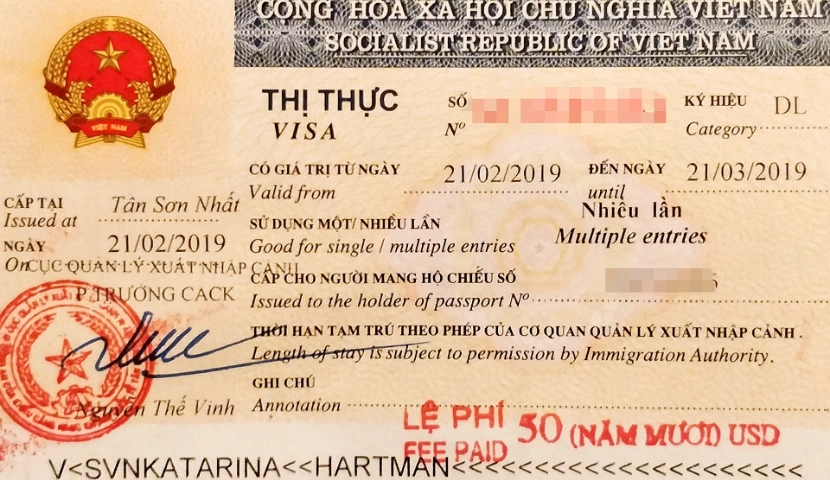
The visa fee can usually be paid online (for e-visas) or in person at the embassy or consulate. The fee varies depending on the type of visa and the processing time. Be sure to check the current fee schedule before submitting your application.
After You Get Your Visa
Receiving your Vietnam visa is a significant step, but there are still a few important things to keep in mind before you travel. Let's review these crucial aspects to ensure a smooth entry into Vietnam.
Important Things to Remember Before Traveling
Before you embark on your journey, double-check the following:
- Visa Validity: Ensure that your visa is still valid for the duration of your stay in Vietnam.
- Passport Validity: Verify that your passport has at least six months of remaining validity.
- Copies of Important Documents: Make copies of your passport, visa, and other important documents and store them separately from the originals.
- Travel Insurance: Consider purchasing travel insurance to protect yourself against unexpected events such as medical emergencies, trip cancellations, or lost luggage.
- Accommodation and Transportation: Confirm your hotel bookings and transportation arrangements in Vietnam.
Having these details in order will help you avoid potential problems upon arrival.
What to Expect at Immigration
Upon arrival in Vietnam, you will need to go through immigration. Be prepared to present the following:
- Your passport with a valid Vietnam visa.
- Your arrival/departure card (usually provided on the plane).
- Any other documents requested by the immigration officer.
The immigration officer may ask you questions about your purpose of visit, your intended length of stay, and your accommodation details. Answer truthfully and politely. Once you have cleared immigration, you can proceed to baggage claim and customs.
It's also worth noting that you should have access to emergency contact information. Keep a copy of your embassy's contact details handy in case of unforeseen issues.
Troubleshooting Common Visa Issues
Despite careful planning, visa issues can sometimes arise. Here are some common problems and how to address them:
- Visa Application Rejection: If your visa application is rejected, carefully review the reasons for the rejection and address any issues before reapplying. You may need to provide additional documentation or clarify certain information.
- Visa Delays: If your visa is delayed, contact the Vietnamese embassy or consulate to inquire about the status of your application. Be patient and provide any additional information they may request.
- Visa Errors: If there are errors on your visa (such as incorrect passport number or date of birth), contact the embassy or consulate immediately to request a correction.
Addressing these issues promptly can help minimize disruptions to your travel plans.
In conclusion, obtaining a Vietnam tourist visa from Japan requires careful planning and attention to detail. By understanding the requirements, following the application process diligently, and being prepared for potential issues, you can ensure a smooth and enjoyable trip to Vietnam. Remember to stay informed about the latest regulations and seek assistance from the Vietnamese embassy or consulate if needed. Safe travels!


Messenger

Back to top