
Kombu, a type of kelp seaweed, is celebrated for its remarkable ability to enhance the flavor of various dishes. Revered in Japanese cuisine for centuries, this sea vegetable is a powerhouse of umami, the savory fifth taste that adds depth and complexity to foods. Beyond its culinary applications, kombu also offers a range of nutritional benefits, making it a valuable addition to a healthy diet. This article explores the fascinating world of kombu, delving into its history, nutritional profile, flavor-enhancing properties, and practical tips for incorporating it into your everyday cooking. Discover how this natural flavor enhancer can elevate your culinary creations and contribute to a more flavorful and healthful lifestyle.

Kombu: The Umami-Rich Flavor Enhancer
Kombu is more than just seaweed; it's a culinary secret weapon. Its unique composition unlocks a world of savory possibilities, transforming simple dishes into culinary masterpieces. From traditional Japanese soups to modern gastronomic experiments, kombu's versatility makes it a staple in kitchens worldwide.
What is Kombu?
Kombu is a genus of kelp belonging to the Laminariaceae family. It is characterized by its broad, leathery leaves and is typically harvested from cold, nutrient-rich waters. Several species are commonly used in cooking, with *Saccharina japonica* being one of the most popular. After harvesting, kombu is typically dried and sold in various forms, including whole sheets, powders, and flakes.
History and Origins of Kombu
The use of kombu dates back centuries in Japan, with evidence suggesting its consumption as early as the Jomon period (14,000–300 BCE). It was initially harvested from the wild and later cultivated, with the cultivation techniques becoming more refined over time. During the Edo period (1603-1868), kombu became a valuable trade commodity, with extensive networks established to transport it from Hokkaido, where it was primarily harvested, to other parts of Japan. Today, kombu remains an integral part of Japanese culinary tradition, celebrated for its unique flavor and health benefits.
Nutritional Benefits of Kombu
Kombu is not only a flavor enhancer but also a nutritional powerhouse. It is rich in minerals like iodine, calcium, and iron. Iodine is essential for thyroid function, while calcium supports bone health, and iron is crucial for red blood cell production. Kombu also contains dietary fiber, which aids digestion and promotes gut health. Moreover, it contains various vitamins, including vitamin K, which plays a vital role in blood clotting. Incorporating kombu into your diet can contribute to overall well-being by providing these essential nutrients. Here are some key nutritional benefits:
- Rich in iodine, essential for thyroid health.
- Good source of calcium for strong bones.
- Contains iron, vital for red blood cell production.
- Provides dietary fiber for digestive health.
- Supplies vitamins, including vitamin K.
How Kombu Enhances Flavor
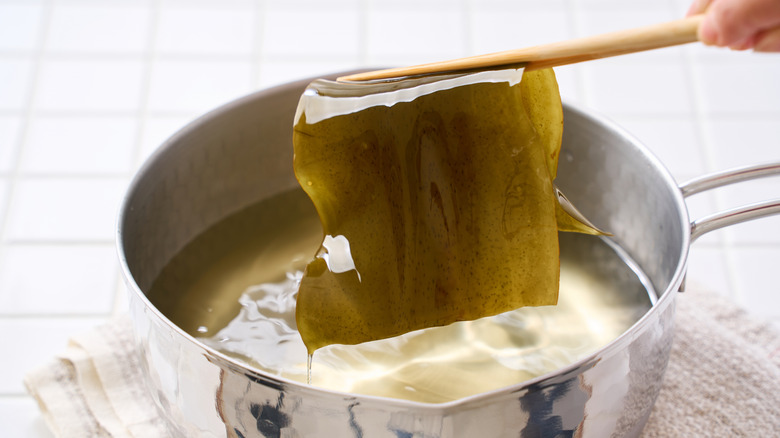
Kombu's flavor-enhancing properties stem from its high concentration of glutamates, naturally occurring amino acids that contribute to umami. When kombu is simmered in water, these glutamates are released, creating a rich, savory broth that can be used as a base for soups, stews, and sauces. Kombu also contains other flavor compounds that contribute to its complex taste profile, including mannitol, which provides a subtle sweetness. The combination of these compounds results in a unique flavor that enhances the taste of other ingredients, making dishes more flavorful and satisfying.
Umami and Glutamates in Kombu
Umami, often described as the fifth taste, is a savory flavor that is distinct from sweet, sour, salty, and bitter. It is primarily attributed to the presence of glutamates, which stimulate receptors on the tongue, sending signals to the brain that are interpreted as umami. Kombu is particularly rich in glutamates, with concentrations that can rival those found in meat and aged cheeses. This high glutamate content makes kombu an excellent source of umami, capable of enhancing the flavor of a wide range of dishes. The glutamates in kombu work synergistically with other flavor compounds to create a more complex and satisfying taste experience.
Many people are now looking for healthy food alternatives so they can boost their health without sacrificing the taste of their food.
Using Kombu to Make Dashi
Dashi is a fundamental broth in Japanese cuisine, serving as the base for miso soup, noodle dishes, and many other savory creations. Kombu is a key ingredient in making dashi, along with dried bonito flakes (katsuobushi). To make kombu dashi, the kombu is simmered in water to extract its glutamates and other flavor compounds. The resulting broth is clear, light, and intensely savory, providing a foundation for a wide variety of dishes. Kombu dashi can be made on its own or in combination with katsuobushi to create a more complex flavor profile. The process of making dashi is simple but requires attention to detail to ensure the best possible flavor.
Here’s a basic recipe for kombu dashi:
Kombu's Impact on Other Dishes
Beyond dashi, kombu can be used to enhance the flavor of a wide variety of dishes. It can be added to soups, stews, and sauces to impart a deeper, more savory flavor. Kombu can also be used to tenderize beans and grains, as its enzymes help break down complex carbohydrates, making them easier to digest. Additionally, kombu can be used as a seasoning, either ground into a powder or used as a wrap for fish or meat. Its versatility makes it a valuable ingredient in both traditional and modern cooking.
Incorporating Kombu into Your Cooking
Incorporating kombu into your cooking is simple and can significantly enhance the flavor of your dishes. Whether you're making soup, stew, or a simple pot of rice, adding a piece of kombu can elevate the taste to a whole new level. Experiment with different types of kombu and preparation methods to discover your favorite ways to use this versatile ingredient.
Different Types of Kombu
Several types of kombu are available, each with its unique characteristics and flavor profile. Ma-kombu is known for its mild, sweet flavor and is often used in dashi. Rishiri-kombu has a delicate flavor and is commonly used in Kyoto-style cuisine. Rausu-kombu has a strong, rich flavor and is often used in simmered dishes. Hidaka-kombu is soft and quick-cooking, making it ideal for everyday use. Each type of kombu offers a unique culinary experience, so it's worth exploring the different varieties to find the ones that best suit your taste.
Here are some popular types of kombu:
- Ma-kombu: Mild and sweet, ideal for dashi.
- Rishiri-kombu: Delicate flavor, used in Kyoto cuisine.
- Rausu-kombu: Strong and rich, great for simmered dishes.
- Hidaka-kombu: Soft and quick-cooking, perfect for daily use.

Kombu Preparation and Storage
Proper preparation and storage are essential to preserving the flavor and quality of kombu. Before using kombu, it should be rinsed to remove any excess salt or debris. However, it's important not to scrub it too vigorously, as this can remove some of the valuable glutamates. Kombu should be stored in a cool, dry place, away from direct sunlight. It can be kept in an airtight container or resealable bag. Properly stored kombu can last for several months.
Here are some tips for preparing and storing kombu:
- Rinse gently to remove excess salt.
- Avoid scrubbing too hard to preserve glutamates.
- Store in a cool, dry place.
- Keep in an airtight container or bag.
- Properly stored kombu can last for months.
Kombu Recipe Ideas
Kombu can be incorporated into a wide variety of recipes to enhance the flavor and add nutritional value. Here are a few ideas to get you started:
- Kombu Dashi: Use it as a base for miso soup, noodle dishes, and sauces.
- Kombu-infused Rice: Add a piece of kombu to the pot when cooking rice for a more flavorful and aromatic dish.
- Kombu Broth: Simmer kombu with vegetables and herbs to create a rich and nutritious broth.
- Kombu Salad: Rehydrate kombu and slice it thinly to add to salads.
- Kombu Seasoning: Grind dried kombu into a powder and use it as a seasoning for various dishes.
One popular recipe is kombu tsukudani, a simmered dish where kombu is cooked in soy sauce, mirin, and sake until it becomes tender and flavorful. This dish can be served as a side dish or condiment and is a great way to use up leftover kombu.
Another simple yet effective use of kombu is in making seasoned salt. Toast dried kombu lightly, then grind it with sea salt to create a flavorful seasoning that can be used on everything from roasted vegetables to grilled meats. This homemade seasoning blend adds a unique umami kick to your dishes.
Kombu is a versatile and nutritious ingredient that can enhance the flavor of a wide range of dishes. Its unique umami flavor, combined with its nutritional benefits, makes it a valuable addition to any kitchen. Whether you're making dashi, soup, stew, or a simple pot of rice, adding a piece of kombu can elevate the taste and provide a boost of essential nutrients. So, explore the world of kombu and discover the many ways it can enhance your culinary creations.


Messenger

Back to top