
Fish sauce, a staple in many Asian cuisines, is more than just a condiment; it's a flavor enhancer, a culinary secret weapon, and a testament to the art of fermentation. This amber-colored liquid, derived from fermented fish, adds a unique depth and complexity to dishes, often described as umami. From the bustling street food stalls of Southeast Asia to Michelin-starred restaurants around the globe, fish sauce has earned its place as an indispensable ingredient. Let's embark on a comprehensive journey to explore the rich history, diverse applications, and exciting future of this fascinating ingredient.
:max_bytes(150000):strip_icc()/ms-fish-sauce-ingredient-for-umami-getty-8e1f1950f62747c0a1aaaba26e5b76dc.jpg)
Fish Sauce: More Than Just a Condiment
Fish Sauce in Asian Cuisine
Fish sauce's roots are deeply intertwined with the culinary traditions of Southeast Asia. Its origins can be traced back to ancient practices of preserving fish through fermentation, a method that not only extended shelf life but also unlocked a world of complex flavors. In Vietnam, it's known as nước mắm; in Thailand, it's nam pla; and in the Philippines, it's patis. Each region boasts its own unique variations, influenced by local ingredients, fermentation techniques, and cultural preferences.
The production of fish sauce is a time-honored process. Typically, small fish, such as anchovies, are layered with salt in large vats or tanks. These mixtures are then left to ferment for months, or even years, allowing enzymes to break down the fish proteins into amino acids and other flavorful compounds. The resulting liquid is then drained, filtered, and bottled, ready to impart its distinctive taste to a wide array of dishes.
Across Southeast Asia, fish sauce is used in countless ways. It serves as a foundational ingredient in stir-fries, soups, curries, and marinades. It's also a key component of dipping sauces, adding a salty, savory, and slightly sweet element that complements fresh herbs, chili peppers, and other aromatics. The versatility of fish sauce lies in its ability to enhance and balance flavors, adding depth and complexity to both simple and elaborate recipes. The history and cultural importance of fish sauce in Asian cuisine cannot be overstated; it is a true cornerstone of the region's culinary identity.
The Umami Factor
Umami, often described as the fifth taste, is a savory, mouthwatering sensation that enhances the overall flavor profile of food. Fish sauce is a powerhouse of umami, thanks to its high concentration of glutamates, which are naturally produced during the fermentation process. These glutamates interact with taste receptors on the tongue, creating a rich, savory experience that is both satisfying and addictive.
The umami in fish sauce works synergistically with other flavors, amplifying sweetness, balancing acidity, and adding depth to savory dishes. It's what makes a simple stir-fry taste complex and nuanced, or a dipping sauce burst with flavor. Chefs and home cooks alike appreciate fish sauce for its ability to elevate dishes, adding a certain je ne sais quoi that is hard to replicate with other ingredients. It offers a unique flavor profile.
Beyond its umami richness, fish sauce also contributes other flavor notes, including saltiness, sweetness, and a subtle funkiness that adds character. These diverse flavor components make it a versatile ingredient that can be used in a variety of culinary applications. Whether you're looking to add depth to a vegetarian dish or enhance the savory notes of a meat-based creation, fish sauce is a valuable tool in any kitchen.
Health Considerations and Allergies
While fish sauce is a beloved ingredient, it's important to be mindful of its sodium content. Like many fermented foods, fish sauce is relatively high in sodium, which can be a concern for individuals with high blood pressure or other health conditions that require a low-sodium diet. Moderation is key when using fish sauce, and it's often possible to reduce the amount of salt added to a recipe when fish sauce is used.
Allergies are another important consideration. Fish sauce is derived from fish, so individuals with fish allergies should avoid it. Additionally, some brands may contain shellfish extracts or other allergens. Always check the ingredient list carefully before using fish sauce, especially if you have known allergies or sensitivities.
For those with dietary restrictions or allergies, there are several alternatives to fish sauce that can provide a similar umami flavor. Soy sauce, tamari, and mushroom-based sauces are all popular options. While they may not perfectly replicate the unique flavor of fish sauce, they can still add depth and complexity to dishes. Experimenting with different alternatives can help you find the best substitute for your specific needs and preferences.
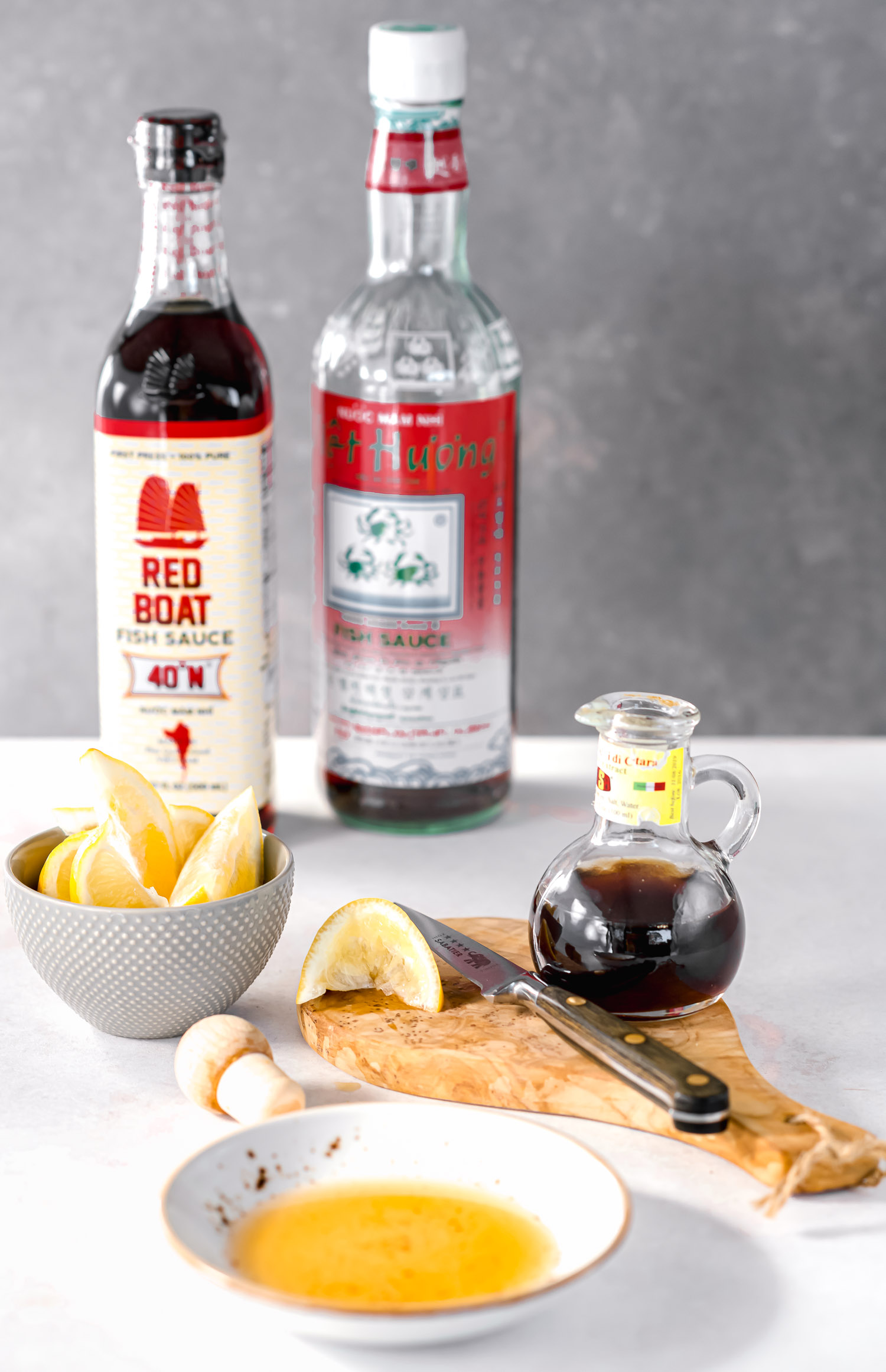
Fish Sauce Recipes to Try at Home
Classic Fish Sauce Marinade
A simple fish sauce marinade can transform ordinary ingredients into culinary masterpieces. This marinade is perfect for grilled meats, seafood, or even tofu. Here's a basic recipe:
This classic marinade is a versatile base that can be customized to your liking. Feel free to add other aromatics, such as ginger, lemongrass, or shallots, to create your own signature blend. The fish sauce marinade recipe helps to tenderize the food.
Delicious Fish Sauce Dipping Sauce
Fish sauce dipping sauce, also known as nước chấm in Vietnamese cuisine, is a staple condiment that adds a burst of flavor to spring rolls, grilled meats, and other dishes. Here's a simple recipe:
This dipping sauce is a perfect balance of sweet, sour, salty, and spicy, making it an irresistible accompaniment to a wide range of foods. It is an important part of Southeast Asian cuisine.
Other Creative Uses of Fish Sauce
Beyond marinades and dipping sauces, fish sauce can be used in a variety of other creative ways. Try adding a dash to soups or stews for an extra layer of umami. It can also be used to deglaze a pan after sautéing vegetables or meats, creating a flavorful sauce that coats the ingredients. Fish sauce can even be used in salad dressings, adding a savory depth that complements fresh greens and vegetables.
Experimenting with fish sauce in unexpected ways can lead to exciting culinary discoveries. Don't be afraid to add a dash to your favorite dishes and see how it transforms the flavors. Whether you're a seasoned chef or a home cook, fish sauce is a versatile ingredient that can add a touch of magic to your cooking.
The Future of Fish Sauce
Sustainable Production Methods
As concerns about environmental sustainability grow, the fish sauce industry is increasingly focusing on sustainable production methods. Overfishing and habitat destruction are major challenges facing the fishing industry, and it's important to ensure that fish sauce is produced in a way that minimizes its impact on marine ecosystems.
Sustainable fish sauce production involves using responsibly sourced fish, minimizing waste, and reducing the environmental footprint of the fermentation process. Some producers are exploring alternative fermentation methods that use less water and energy, while others are working to reduce the amount of salt used in the process. Consumers can support sustainable fish sauce production by choosing brands that are committed to responsible sourcing and environmental stewardship. The future depends on sustainable fish sauce production.
Innovations in Fish Sauce Flavors
While traditional fish sauce has a distinctive flavor that is beloved by many, some producers are experimenting with innovative flavor combinations to appeal to a wider audience. Infusing fish sauce with herbs, spices, or other aromatics can create unique flavor profiles that add complexity and depth to dishes. Some producers are even exploring the use of different types of fish or fermentation techniques to create entirely new styles of fish sauce.
These innovations are helping to expand the appeal of fish sauce, attracting new consumers and showcasing the versatility of this ancient ingredient. Whether you're a fan of traditional fish sauce or eager to try new and exciting flavor combinations, there's a fish sauce out there for everyone.
Fish Sauce in Modern Gastronomy
Fish sauce is no longer confined to the realm of Asian cuisine; it has become a staple ingredient in modern gastronomy around the world. Chefs are using fish sauce in creative and unexpected ways, incorporating it into sauces, dressings, and even desserts. Its ability to add umami and complexity to dishes makes it a valuable tool in any chef's arsenal.
From fine dining restaurants to casual eateries, fish sauce is adding a touch of magic to menus everywhere. Its versatility and unique flavor profile make it an ingredient that is sure to continue to inspire chefs and home cooks alike for years to come. The use of fish sauce in modern gastronomy is growing.
The journey of fish sauce, from its ancient origins to its modern-day applications, is a testament to the power of fermentation and the enduring appeal of umami. As we look to the future, it's clear that fish sauce will continue to play a vital role in the culinary landscape, inspiring chefs and home cooks alike with its unique flavor and versatility. Whether you're a seasoned fan or a curious newcomer, there's never been a better time to explore the world of fish sauce and discover the magic it can bring to your cooking.
The key to understanding and appreciating fish sauce lies in recognizing its ability to transform and elevate flavors. A few drops can awaken a dish, adding a depth and complexity that is both satisfying and memorable. It's a testament to how simple ingredients, when treated with respect and understanding, can create extraordinary culinary experiences. From enhancing the simplest stir-fry to adding a nuanced touch to a complex sauce, fish sauce is a versatile tool.
Fish sauce is more than a condiment—it’s a symbol of culinary tradition and the art of fermentation. From its rich history to its modern global appeal, its umami depth can elevate both classic and creative dishes. By choosing high-quality fish sauce and experimenting with different styles, cooks can unlock new layers of flavor. Embrace its complexity and let fish sauce add a touch of magic to your kitchen.


Messenger

Back to top