
Nimono, a cornerstone of Japanese cuisine, embodies the art of simmering ingredients in a flavorful broth. More than just a cooking technique, it represents a philosophy of gentle cooking that preserves the integrity and enhances the natural flavors of the ingredients. This article explores the depths of simmering Japanese style, from its basic principles to its regional variations and health benefits, offering a comprehensive guide for both novice and experienced cooks. We will delve into the essential ingredients, provide tips for creating your own nimono masterpieces, and explore the nuances of serving and garnishing this delightful dish. Whether you're seeking a comforting weeknight meal or an elegant dish for a special occasion, nimono offers a versatile and rewarding culinary experience.

Delving Into The World Of Nimono
Nimono Defined: More Than Just Simmering
Nimono (煮物) literally translates to “simmered thing,” but its essence extends far beyond a simple definition. It is a Japanese cooking technique where ingredients are simmered in a seasoned broth, typically dashi, soy sauce, mirin, and sake. The goal is to allow the ingredients to absorb the flavors of the broth while retaining their individual textures and shapes. Unlike boiling, simmering involves gentle heat, preventing the ingredients from becoming mushy or falling apart. This careful approach ensures that each component of the dish contributes its unique character to the overall harmony of flavors.
The key characteristics of nimono include:
- Gentle simmering: Maintaining a low, steady heat is crucial.
- Flavor absorption: Ingredients should be allowed to absorb the broth slowly.
- Ingredient integrity: Preserving the shape and texture of each ingredient is essential.
- Balanced flavors: The broth should complement, not overpower, the ingredients.
Nimono is not merely a method of cooking; it's a reflection of Japanese culinary values, emphasizing respect for ingredients and a commitment to creating balanced, harmonious dishes. It is a technique that requires patience and attention to detail, resulting in a dish that is both comforting and refined.
Regional Variations in Nimono Cooking
Like many traditional dishes, nimono exhibits regional variations that reflect local ingredients and culinary preferences. From the subtle sweetness of Kyoto-style nimono to the bolder flavors of dishes found in the countryside, each region offers a unique take on this classic technique. These variations often stem from the availability of specific ingredients and the historical influences that have shaped each region's culinary identity.
- Kyoto: Known for its delicate flavors and use of seasonal vegetables, Kyoto-style nimono often features light broths and subtle sweetness.
- Osaka: This region favors bolder flavors, with a preference for slightly sweeter and richer broths.
- Tokyo: Tokyo-style nimono often incorporates soy sauce more prominently, resulting in a savory and umami-rich flavor profile.
- Countryside: Rural areas often utilize locally sourced ingredients and hearty flavors, resulting in rustic and comforting nimono dishes.
Exploring these regional variations provides a deeper understanding of the versatility and adaptability of nimono. By experimenting with different ingredients and flavor combinations, you can create your own unique interpretations of this classic dish, reflecting your personal tastes and preferences. The regional diversity adds a layer of richness to the world of Japanese simmered dishes, making it an exciting culinary journey to explore.
Health Benefits of Nimono: A Nutritious Choice
Beyond its delightful flavors and cultural significance, nimono offers a range of health benefits. The gentle simmering process preserves the nutrients in the ingredients, while the use of dashi and other traditional seasonings adds depth of flavor without excessive salt or fat. Nimono is often packed with vegetables, providing essential vitamins, minerals, and fiber. This makes it a nutritious and satisfying meal option for those seeking a healthy and balanced diet.
Key health benefits of nimono include:
- Nutrient retention: Simmering preserves vitamins and minerals.
- Low in fat and calories: The gentle cooking method requires minimal oil.
- Rich in vegetables: Provides essential vitamins, minerals, and fiber.
- Hydrating: The broth contributes to overall hydration.
- Digestible: Gentle cooking makes ingredients easier to digest.
Nimono can be a great choice for those looking to incorporate more plant-based meals into their diet. By using seasonal vegetables and lean proteins, you can create a dish that is both nutritious and delicious. The versatility of nimono allows for endless customization, making it easy to adapt to your dietary needs and preferences. Whether you're seeking a light and refreshing meal or a hearty and comforting one, nimono offers a healthy and satisfying option.
Ingredients That Shine In Nimono
Dashi: The Foundation of Nimono Flavor
Dashi, the ubiquitous Japanese broth, serves as the bedrock of nimono's distinctive flavor profile. This clear, umami-rich broth is traditionally made from kombu (dried kelp) and katsuobushi (dried bonito flakes), although variations using shiitake mushrooms or niboshi (dried sardines) exist. Dashi provides a subtle yet profound depth of flavor that enhances the natural sweetness and savoriness of the other ingredients. Its delicate balance of flavors allows the other components of the dish to shine, creating a harmonious and satisfying culinary experience.
There are several types of dashi, each with its unique characteristics:
- Kombu dashi: Made from kombu, offering a clean and subtle flavor.
- Katsuobushi dashi: Made from katsuobushi, providing a smoky and savory taste.
- Awase dashi: A combination of kombu and katsuobushi, offering a balanced umami flavor.
- Shiitake dashi: Made from dried shiitake mushrooms, providing an earthy and rich flavor.
The choice of dashi depends on the specific ingredients and flavors you wish to highlight in your nimono. For delicate vegetables, a light kombu dashi may be preferred, while heartier dishes may benefit from the depth of flavor provided by katsuobushi or shiitake dashi. Regardless of the type, dashi is an indispensable ingredient in nimono, providing the foundation for its unique and satisfying taste.
Soy Sauce and Mirin: The Dynamic Duo
Soy sauce and mirin form a dynamic duo that infuses nimono with its signature sweet and savory flavor. Soy sauce, a fermented condiment made from soybeans, wheat, salt, and water, provides a salty, umami-rich base that balances the sweetness of the other ingredients. Mirin, a sweet rice wine, adds a subtle sweetness and glaze to the dish, enhancing its visual appeal and creating a harmonious flavor profile. The combination of soy sauce and mirin is essential for achieving the characteristic taste of nimono, creating a balanced and satisfying culinary experience.
When using soy sauce and mirin in nimono, it's important to consider the following:
- Soy sauce: Choose a high-quality soy sauce with a rich, umami flavor.
- Mirin: Use authentic mirin, not a substitute, for the best flavor and glaze.
- Ratio: Adjust the ratio of soy sauce and mirin to suit your taste preferences.
- Timing: Add soy sauce and mirin towards the end of cooking to prevent them from becoming bitter.
By carefully selecting and using soy sauce and mirin, you can create a nimono that is both flavorful and visually appealing. The dynamic interplay of these two ingredients is essential for achieving the authentic taste of this classic Japanese dish.

Seasonal Vegetables: Embracing Freshness
Seasonal vegetables play a starring role in nimono, adding vibrant colors, textures, and flavors to the dish. The Japanese culinary tradition emphasizes the importance of using ingredients that are in season, as they are at their peak flavor and nutritional value. By selecting fresh, seasonal vegetables, you can create a nimono that is not only delicious but also reflects the changing seasons and the bounty of nature. Embracing seasonality is a key aspect of creating authentic and satisfying nimono dishes.
Some popular seasonal vegetables for nimono include:
- Spring: Bamboo shoots, new potatoes, and spring peas.
- Summer: Eggplant, green beans, and okra.
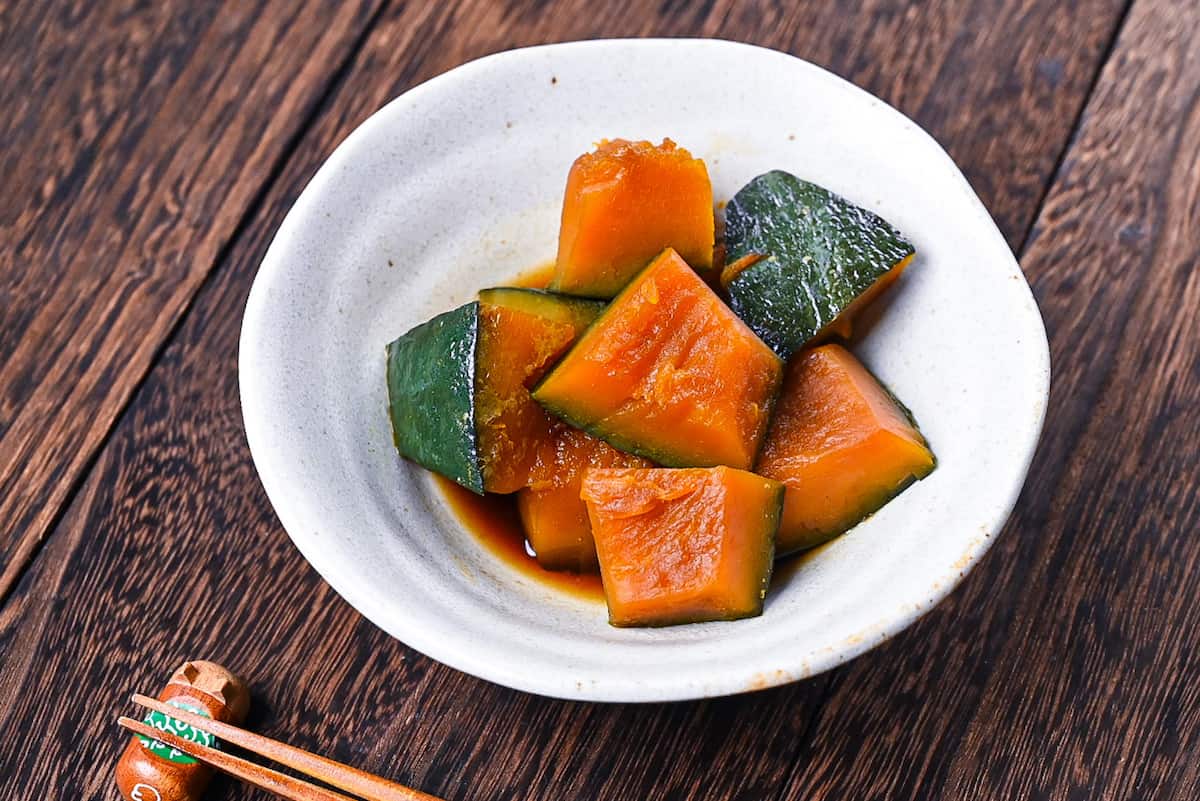
- Autumn: Pumpkin (kabocha), root vegetables, and mushrooms.
- Winter: Daikon radish, carrots, and burdock root.
The choice of vegetables will depend on your personal preferences and the availability of ingredients in your area. Experiment with different combinations of vegetables to create your own unique and seasonal nimono creations. By embracing the freshness and variety of seasonal vegetables, you can elevate your nimono dishes to new heights of flavor and visual appeal.
Creating Your Own Nimono Masterpieces
Adapting Recipes to Your Tastes
While traditional nimono recipes provide a solid foundation, don't be afraid to adapt them to suit your individual tastes and dietary needs. The beauty of nimono lies in its versatility and adaptability, allowing you to create a dish that is uniquely your own. Whether you prefer a sweeter or more savory flavor profile, or whether you have specific dietary restrictions, you can easily adjust the ingredients and seasonings to create a nimono that perfectly matches your preferences. Experimentation and creativity are key to unlocking the full potential of this classic Japanese technique.
Here are some tips for adapting nimono recipes:
- Adjust the sweetness: Increase or decrease the amount of mirin to control the sweetness of the dish.
- Adjust the saltiness: Add more or less soy sauce to adjust the saltiness.
- Experiment with different vegetables: Use your favorite seasonal vegetables or try new combinations.
- Add protein: Incorporate tofu, chicken, or fish for a heartier meal.
- Consider dietary restrictions: Use gluten-free soy sauce or vegetable broth for dietary restrictions.
By taking the time to experiment and adjust recipes to your own tastes, you can create a nimono that is not only delicious but also perfectly suited to your individual preferences. This personal touch is what transforms a simple simmered dish into a culinary masterpiece.
Experimenting with Different Broths and Seasonings
Beyond dashi, soy sauce, and mirin, there is a world of broths and seasonings to explore when creating nimono. Experimenting with different flavor combinations can add depth and complexity to your dishes, allowing you to create unique and exciting culinary experiences. From the subtle sweetness of sake to the umami-richness of shiitake mushrooms, the possibilities are endless. By venturing beyond the traditional ingredients, you can unlock new and exciting flavor profiles in your nimono creations.
Some ideas for experimenting with different broths and seasonings include:
- Sake: Adds a subtle sweetness and complexity to the broth.
- Ginger: Provides a warm and spicy flavor.
- Garlic: Adds a pungent and savory note.
- Sesame oil: Provides a nutty and aromatic flavor.
- Chili flakes: Adds a touch of heat.
- Miso: Adds a rich and savory umami flavor.
When experimenting with different broths and seasonings, start with small amounts and gradually increase to taste. This will allow you to control the flavor profile and ensure that the seasonings complement, rather than overpower, the other ingredients. With a little creativity and experimentation, you can create nimono dishes that are both unique and unforgettable. The exploration of different broths and seasonings is a gateway to endless culinary possibilities.
Serving Suggestions and Garnishing Ideas for Nimono
The presentation of nimono is just as important as the flavor. Serving and garnishing the dish thoughtfully can elevate the dining experience and showcase the beauty of the ingredients. Traditionally, nimono is served in small bowls, allowing each guest to appreciate the individual components of the dish. Garnishes add a touch of elegance and visual appeal, enhancing the overall presentation and complementing the flavors of the dish. With a little attention to detail, you can transform a simple simmered dish into a culinary masterpiece.
Some serving and garnishing ideas for nimono include:
- Serve in small bowls: Allows guests to appreciate individual components.
- Garnish with fresh herbs: Adds color and aroma.
- Use a drizzle of sesame oil: Enhances the flavor and visual appeal.
- Add a sprinkle of sesame seeds: Provides a nutty flavor and texture.
- Serve with steamed rice: Complements the flavors of the dish.
The key to serving and garnishing nimono is to keep it simple and elegant. Choose garnishes that complement the flavors of the dish and enhance its visual appeal. With a little creativity and attention to detail, you can create a dining experience that is both memorable and satisfying. The serving suggestions and garnishing ideas are the final touches for perfect dish.
In conclusion, mastering the art of simmering Japanese style (nimono) is a rewarding culinary journey. From understanding the basic principles and regional variations to experimenting with different ingredients and seasonings, there is always something new to discover. By embracing the versatility and adaptability of nimono, you can create dishes that are not only delicious but also reflect your personal tastes and preferences. So, gather your ingredients, embrace the gentle art of simmering, and embark on your own nimono adventure. With a little patience and creativity, you can unlock the secrets of this classic Japanese technique and create culinary masterpieces that will delight your family and friends. Enjoy the process of creating nimono masterpieces and savor the delicious results!


Messenger

Back to top