
Uni, often hailed as the gold of the sea, is a delicacy enjoyed worldwide. This article delves into the world of uni, exploring its definition, nutritional value, harvesting methods, and culinary uses. Whether you're a seasoned gourmand or new to the world of seafood, this comprehensive guide will provide a deeper understanding and appreciation for this unique ingredient.
:max_bytes(150000):strip_icc()/Uni-Explainer-FT-BLOG0523-791a96edc86c4179aa99078676981d40.jpg)
What is Uni?
The Definition of Uni
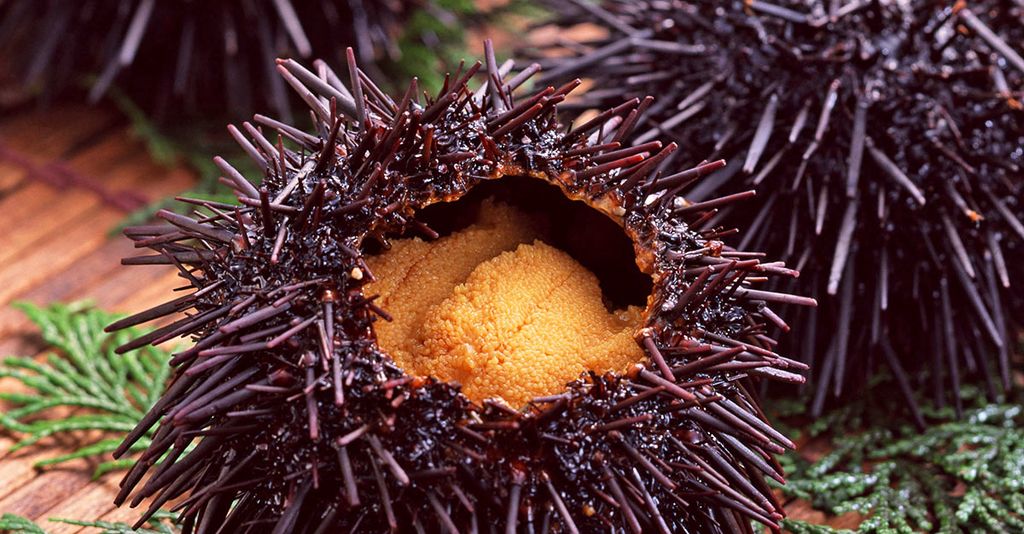
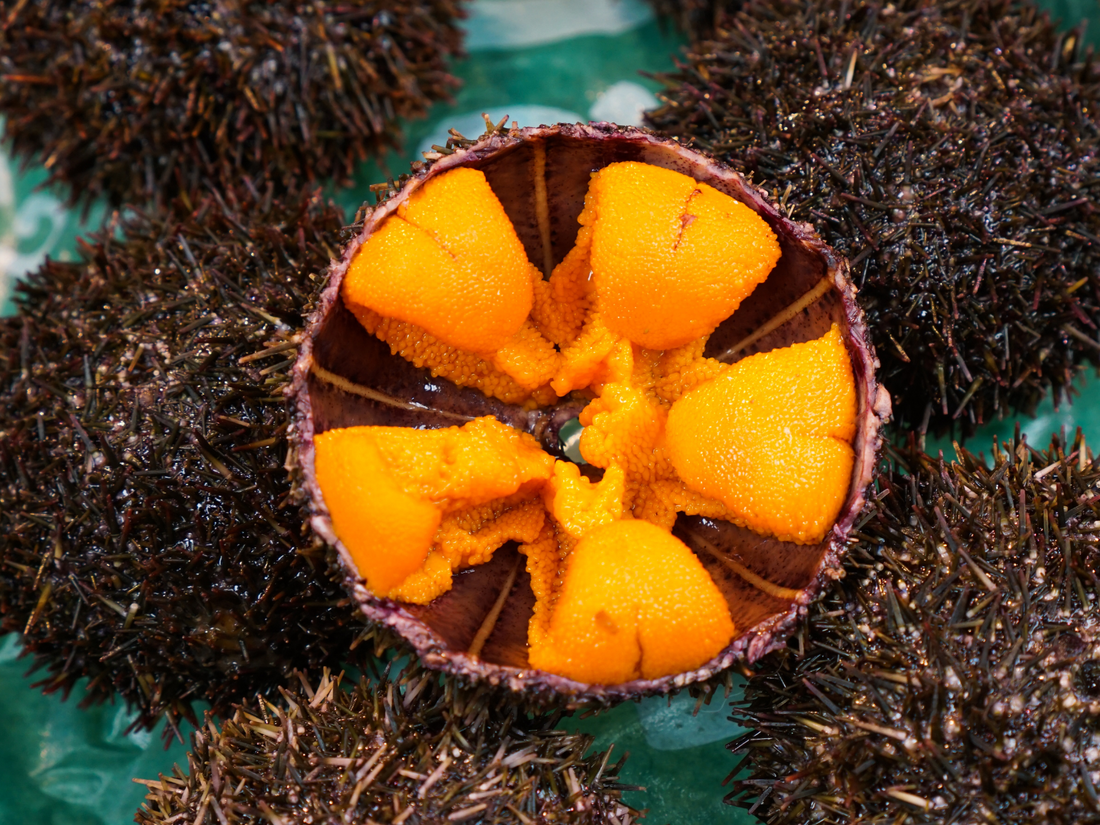
Uni is the Japanese name for the edible part of the sea urchin, specifically its gonads. These gonads, often referred to as roe, are prized for their creamy texture and rich, briny flavor. The color of uni ranges from light yellow to deep orange, depending on the species of sea urchin and its diet. It is important to understand that quality of uni can vary significantly based on these factors, making it a sought-after ingredient in high-end cuisine.
Different Types of Uni
Several species of sea urchins yield edible uni, each with its unique characteristics:
- Bafun Uni (Hemicentrotus pulcherrimus): Known for its small size and intense, slightly bitter flavor.
- Murasaki Uni (Strongylocentrotus nudus): A larger variety with a milder, sweeter taste.
- Aka Uni (Pseudocentrotus depressus): Characterized by its reddish hue and a robust, umami-rich flavor.
- Ezo Bafun Uni (Strongylocentrotus intermedius): A Hokkaido specialty, prized for its creamy texture and delicate sweetness.
The different types of uni offer a range of flavor profiles and textures, making them suitable for various culinary applications. Chefs often select specific types of uni based on their desired taste and the dish they are creating. The varying textures and flavors contribute significantly to the overall dining experience.
Uni's Role in the Ecosystem
Sea urchins play a crucial role in marine ecosystems, primarily as grazers. They feed on algae and seaweed, helping to maintain the balance of kelp forests and other coastal habitats. However, when sea urchin populations explode, they can overgraze these environments, leading to the formation of "urchin barrens," areas devoid of kelp and other marine life. This is why sustainable harvesting practices are so important.
The ecological impact of sea urchins is significant, and understanding their role is crucial for maintaining healthy marine environments. Overpopulation can devastate kelp forests, impacting other species that rely on these habitats. Therefore, managing sea urchin populations is vital for preserving biodiversity and ecosystem health.
The Nutritional Value of Uni
Beyond its exquisite taste, uni is also a nutritional powerhouse, offering a range of essential vitamins and minerals.
Vitamins and Minerals in Uni
Uni is rich in:
- Vitamin A: Important for vision, immune function, and cell growth.
- Vitamin C: An antioxidant that supports immune health and collagen production.
- Vitamin E: Protects cells from damage and supports healthy skin.
- Zinc: Essential for immune function, wound healing, and cell division.
- Iron: Necessary for oxygen transport in the blood.
- Magnesium: Plays a role in muscle and nerve function, blood sugar control, and blood pressure regulation.
- Omega-3 Fatty Acids: Beneficial for heart health and brain function.
These nutrients contribute to the overall health benefits associated with consuming uni. The high concentration of vitamins and minerals makes it a valuable addition to a balanced and nutritious diet.
Health Benefits of Eating Uni
The nutritional profile of uni translates into several potential health benefits:
- Supports Heart Health: Omega-3 fatty acids help reduce the risk of heart disease.
- Boosts Immune Function: Vitamins A, C, and zinc contribute to a strong immune system.
- Promotes Healthy Skin: Vitamins A and E support skin health and protect against damage.
- Enhances Brain Function: Omega-3 fatty acids are essential for cognitive function and memory.
While uni offers these potential health benefits, it's important to consume it in moderation as part of a balanced diet. Overconsumption of any single food, even a nutritious one, can lead to imbalances in nutrient intake.
Potential Risks and Allergies
Despite its nutritional advantages, there are some potential risks associated with consuming uni:
- Seafood Allergies: Individuals with shellfish allergies may also be allergic to sea urchins.
- High Cholesterol: Uni contains cholesterol, so those with high cholesterol levels should consume it in moderation.
- Contamination: Raw seafood can sometimes be contaminated with bacteria or parasites, so it's important to source uni from reputable suppliers.
It is crucial to be aware of these potential risks and to take necessary precautions. Individuals with known allergies or health conditions should consult with a healthcare professional before consuming uni. Choosing reputable suppliers and ensuring proper handling and storage can minimize the risk of contamination.
How is Uni Harvested and Prepared?
The harvesting and preparation of uni are critical to ensuring its quality and sustainability.
Sustainable Harvesting Practices
Sustainable harvesting is essential to protect sea urchin populations and the marine environments they inhabit. Practices include:
- Regulated Fishing Seasons: Establishing specific seasons for harvesting to allow populations to replenish.
- Size Limits: Setting minimum and maximum size limits for harvested urchins to protect breeding individuals.
- Marine Protected Areas: Creating areas where harvesting is restricted or prohibited to allow populations to thrive.
- Quota Systems: Implementing quotas to limit the total amount of uni harvested in a given area.
These practices help to ensure that sea urchin populations remain healthy and sustainable for future generations. Consumers can support sustainable harvesting by choosing uni from reputable sources that prioritize these practices.
The Processing and Grading of Uni
After harvesting, uni undergoes processing and grading to ensure its quality and freshness. The process typically involves:
The grading system reflects the quality and appearance of the uni, with higher grades commanding higher prices. Factors such as color, texture, and firmness are all considered during the grading process. Proper packaging and refrigeration are essential for maintaining freshness and preventing spoilage.
Common Culinary Uses of Uni
Uni is a versatile ingredient used in a variety of culinary applications:
- Sushi and Sashimi: Served raw as nigiri or sashimi, allowing its natural flavor to shine.
- Pasta: Incorporated into creamy sauces for a rich and decadent dish.
- Risotto: Added to risotto for a burst of umami flavor.
- Omelets and Frittatas: Used as a filling to add a luxurious touch.
- Sauces and Dips: Blended into sauces and dips for a unique and flavorful twist.
Its unique flavor profile makes it a sought-after ingredient in high-end restaurants and home kitchens alike. Chefs often experiment with different preparations to showcase the versatility of uni.
Uni's journey from the ocean to the plate is a testament to the delicate balance between culinary artistry and ecological responsibility. By understanding its origins, nutritional value, and sustainable harvesting practices, we can appreciate this delicacy while ensuring its availability for future generations. Supporting businesses that prioritize sustainable seafood choices is a great way to contribute to the health of our oceans and the enjoyment of this exquisite ingredient.


Messenger

Back to top