
Embarking on an omakase dining experience is akin to entrusting yourself to the artistic vision of a chef. Unlike traditional menus where you select each dish, omakase, derived from the Japanese phrase "I leave it to you," invites the chef to curate a personalized culinary journey. This article delves into the intricacies of an omakase menu, exploring what to expect, how to find the best restaurants, and whether the cost aligns with the value.


What To Expect From an Omakase Menu
The beauty of omakase lies in its spontaneity and the chef's ability to showcase the freshest, most exquisite ingredients available. It's an adventure for the palate, offering a unique and memorable dining experience each time.
Fresh, seasonal ingredients
At the heart of every exceptional omakase experience is a commitment to using only the freshest, seasonal ingredients. Chefs meticulously source their ingredients, often visiting local markets daily to select the finest seafood, produce, and other delicacies.
Peak Seasonality: Ingredients are chosen when they are at their peak flavor and texture.
Local Sourcing: Many chefs prioritize working with local farmers and fishermen to ensure freshness and support the community.
Quality Control: Rigorous standards are applied to ensure every ingredient meets the chef's exacting requirements.
This dedication to quality translates into dishes that are bursting with flavor and reflect the current season. From the delicate sweetness of spring vegetables to the rich umami of autumn seafood, the seasonal ingredients elevate the omakase experience to new heights.
Chef's selection and creativity
Omakase is more than just a meal; it's a culinary performance. The chef acts as both artist and conductor, carefully selecting and preparing each course to create a harmonious and balanced progression of flavors and textures.
Artistic Expression: Chefs use their expertise and creativity to craft dishes that are visually stunning and tantalizing to the palate.
Skillful Preparation: Each ingredient is treated with respect and prepared using traditional techniques to highlight its natural flavors.
Unpredictable Delights: Be prepared for surprises! The chef may introduce you to new and unusual ingredients or preparations that you wouldn't typically encounter.
The chef's selection is often influenced by the diner's preferences, dietary restrictions, and any allergies they may have. It's essential to communicate these needs to the chef at the beginning of the meal to ensure a personalized and enjoyable experience. The chef's creativity shines through in every course, making each omakase experience unique and memorable.

The personalized dining journey
The personalized dining journey is a hallmark of the omakase experience. Unlike a standard menu, omakase allows for a dynamic interaction between the chef and the diner, resulting in a tailored culinary adventure.
Interactive Experience: Engage with the chef! Ask questions about the ingredients, preparation methods, and the inspiration behind each dish.
Pace and Flow: The chef carefully controls the pace of the meal, ensuring a balanced and enjoyable progression of courses.
Customization: While the chef has creative freedom, they will also consider your preferences and dietary needs when creating the menu.
The omakase experience is not just about the food; it's about the connection between the chef and the diner. By entrusting yourself to the chef's expertise, you open yourself up to a truly unique and unforgettable culinary journey.
Finding The Best Omakase Restaurants
With the growing popularity of omakase, finding the right restaurant can be a daunting task. Here are some key considerations to help you navigate the options and discover the perfect spot for your next culinary adventure.
Researching local Omakase options
The first step in finding the best omakase restaurants is to conduct thorough research. Start by exploring online resources, such as restaurant review websites, food blogs, and social media platforms.
Online Reviews: Websites like Yelp, Google Reviews, and TripAdvisor offer valuable insights from other diners.
Food Blogs: Local food blogs often feature in-depth reviews and recommendations for omakase restaurants in your area.
Social Media: Platforms like Instagram and Facebook can provide visual inspiration and highlight trending restaurants.
Pay attention to the details in the reviews. Look for comments about the freshness of the ingredients, the chef's skill and creativity, the ambiance of the restaurant, and the overall value of the experience.
Reading reviews and ratings
While online reviews can be helpful, it's essential to approach them with a critical eye. Consider the source of the review, the reviewer's experience level, and any potential biases they may have.
Look for Patterns: Pay attention to recurring themes in the reviews. If multiple reviewers mention the same positive or negative aspects of a restaurant, it's likely to be a reliable indicator.
Consider the Context: Take into account the reviewer's expectations and preferences. What one person considers a minor flaw, another may find unacceptable.
Beware of Extremes: Be wary of overly positive or negative reviews, as they may be biased or unreliable.
In addition to reading reviews, pay attention to the restaurant's overall rating. A restaurant with a consistently high rating is generally a safe bet, but it's always a good idea to read some of the individual reviews to get a more nuanced understanding of the dining experience.
Considering price and ambiance
The price of omakase can vary widely depending on the restaurant, the quality of the ingredients, and the complexity of the menu. It's essential to consider your budget and expectations when choosing an omakase restaurant.
Set a Budget: Determine how much you're willing to spend on the omakase experience.
Compare Prices: Research the prices of different omakase restaurants in your area.
Look for Value: Consider the overall value of the experience, including the quality of the ingredients, the chef's skill, and the ambiance of the restaurant.
The ambiance of the restaurant is another important factor to consider. Do you prefer a formal and elegant setting, or a more casual and relaxed atmosphere? Choose a restaurant that matches your personal style and preferences.
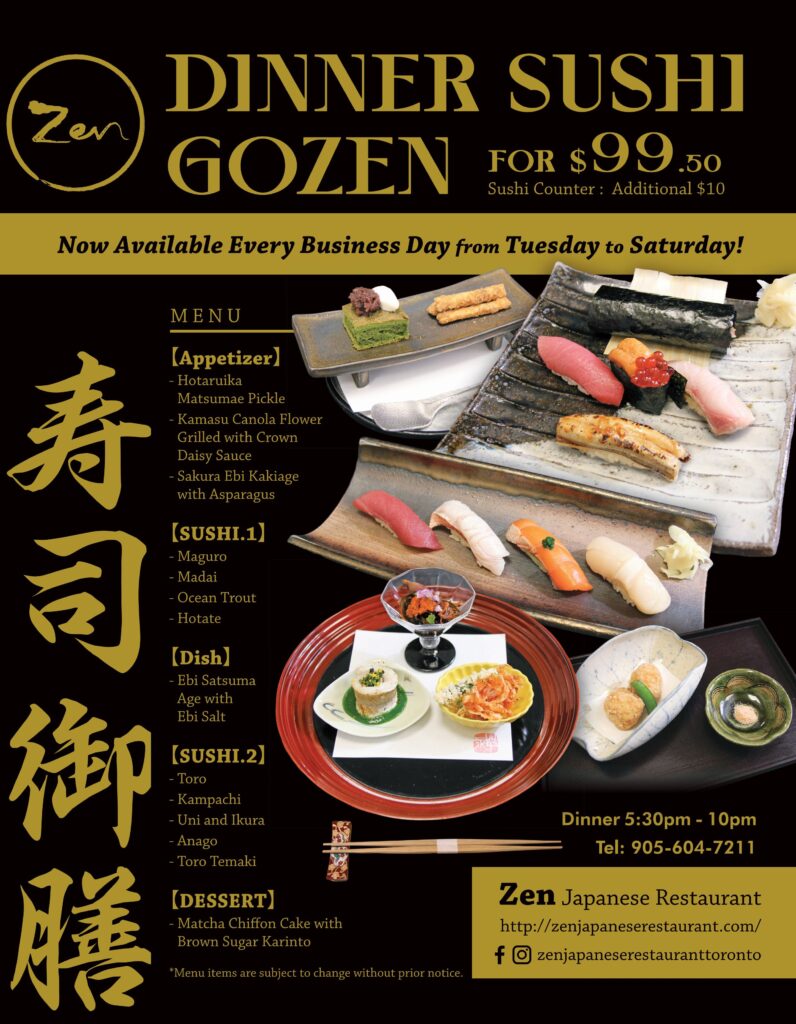
The Cost of Omakase and Value
Omakase is often perceived as an expensive dining option, and while it's true that it can be a significant investment, understanding the factors that contribute to the cost can help you appreciate the value it offers.
Breaking down the price of Omakase
Several factors contribute to the price of omakase. Understanding these elements can provide insight into the overall cost and value proposition.
Ingredient Quality: High-quality, fresh, and seasonal ingredients are a primary driver of cost. Sourcing premium seafood and produce requires significant investment.
Chef's Expertise: The skill and experience of the chef play a crucial role. Highly skilled chefs command higher prices due to their ability to create exceptional culinary experiences.
Preparation Techniques: Omakase often involves intricate and time-consuming preparation techniques, such as aging fish or making delicate sauces.
These factors, combined with the personalized service and intimate dining experience, contribute to the overall price of omakase.
Factors influencing Omakase pricing
Beyond the core elements, several other factors can influence the pricing of an omakase menu.
Restaurant Location: Restaurants in prime locations with high overhead costs may charge more for their omakase menus.
Restaurant Reputation: Well-established and highly regarded restaurants often command higher prices due to their reputation for quality and service.
Specialty Ingredients: The inclusion of rare or exotic ingredients can significantly increase the cost of the omakase menu.
It's essential to consider these factors when comparing the prices of different omakase restaurants. A slightly higher price may be justified if the restaurant offers superior ingredients, a more experienced chef, or a more luxurious ambiance.
Is Omakase worth the investment?
The question of whether omakase is worth the investment is subjective and depends on individual preferences and priorities. However, there are several compelling reasons to consider omakase as a worthwhile culinary experience.
Unique and Memorable: Omakase offers a unique and memorable dining experience that goes beyond simply eating a meal. It's an opportunity to explore new flavors, learn about Japanese cuisine, and connect with the chef.
Personalized Experience: The personalized nature of omakase allows you to tailor the experience to your preferences and dietary needs.
High-Quality Ingredients: Omakase restaurants typically use the highest quality ingredients available, ensuring a superior culinary experience.
Ultimately, the decision of whether to invest in an omakase experience depends on your budget, your appreciation for fine dining, and your desire to explore the world of Japanese cuisine. For those who value quality, creativity, and personalized service, omakase can be a truly rewarding and unforgettable experience. Experiencing Japanese fine dining through omakase is an investment in a unique culinary adventure.


Messenger

Back to top