
Planning a trip to Japan is exciting, but navigating the accommodation options can be daunting. From traditional ryokans to modern hotels, understanding the nuances of Japanese hospitality is key to a smooth and enjoyable experience. This guide provides essential Japan hotel tips to help you choose the right lodging and make the most of your stay.
Choosing Your Ideal Hotel
Japan offers a diverse range of hotel types, each with its unique charm and amenities. Selecting the right one depends on your preferences, budget, and travel style.
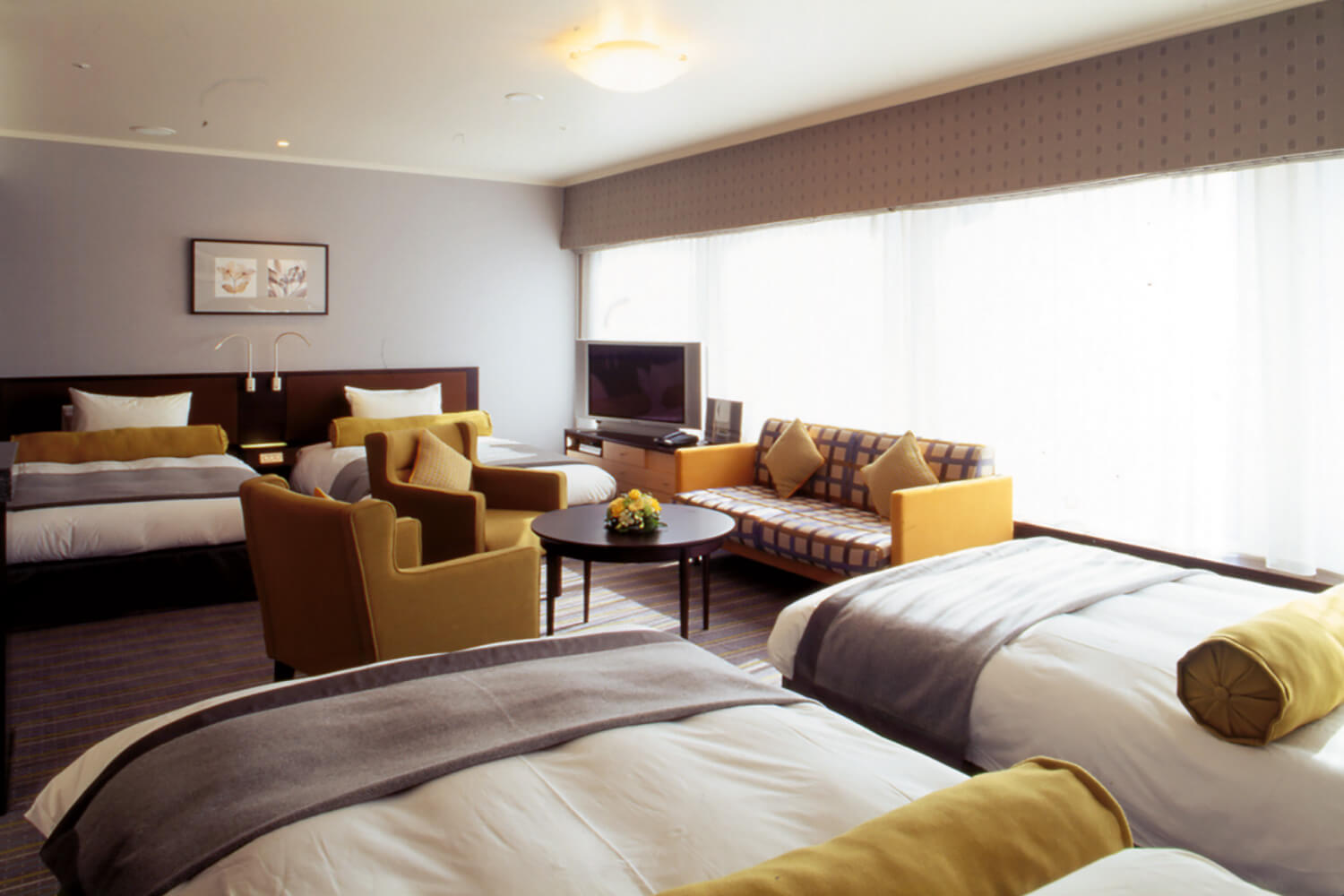
Western-Style Hotels
Western-style hotels in Japan provide familiar comforts and services for international travelers. These hotels typically offer amenities such as:
- Comfortable beds with Western-style mattresses.
- En suite bathrooms with showers and bathtubs.
- English-speaking staff.
- Breakfast buffets with a mix of Western and Japanese options.
- Business centers and meeting facilities.
These hotels are often located in major cities like Tokyo and Osaka and near transportation hubs, making them convenient for exploring the country. They are a great choice for travelers who prefer a familiar environment and require specific amenities.
Traditional Ryokans
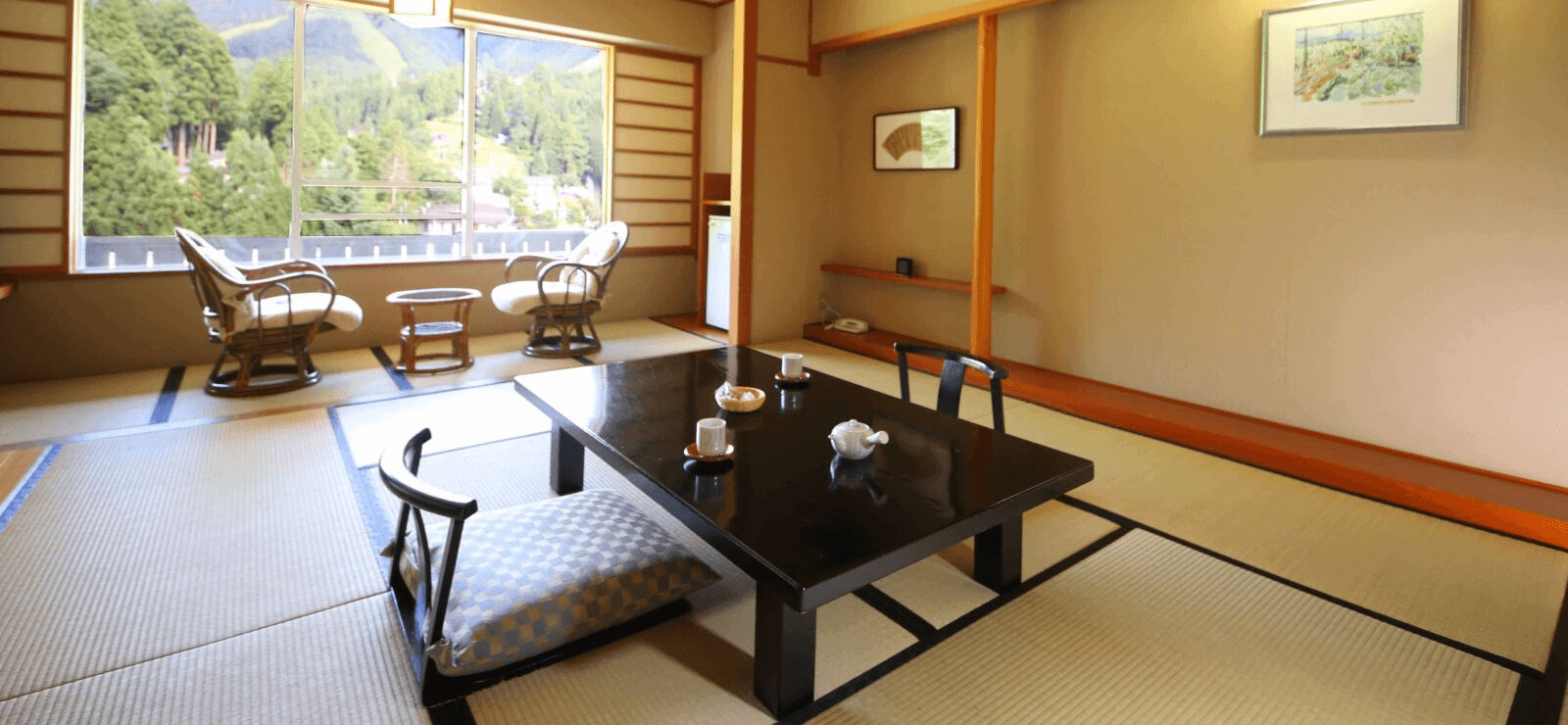
For a truly immersive cultural experience, consider staying in a traditional Japanese ryokan. Ryokans offer a glimpse into the country's rich heritage and provide a unique hospitality experience. Key features of ryokans include:
- Tatami mat flooring: Woven straw mats create a serene and minimalist atmosphere.
- Futon beds: Traditional bedding is laid out on the tatami mats each evening.
- Onsen (hot springs): Many ryokans feature onsen, offering a relaxing and rejuvenating experience.
- Kaiseki cuisine: Multi-course meals showcasing seasonal ingredients and culinary artistry.
- Yukata robes: Guests can wear yukata, a casual cotton kimono, throughout their stay.
Staying in a ryokan is an opportunity to experience Japanese hospitality and traditions firsthand. It's important to note that some ryokans may have shared bathroom facilities and require guests to remove their shoes upon entering. Understanding ryokan etiquette beforehand can enhance your experience.
Modern Boutique Hotels
Modern boutique hotels in Japan offer a blend of contemporary design and Japanese aesthetics. These hotels often feature:
- Stylish and well-appointed rooms.
- Unique design elements inspired by Japanese culture.
- Personalized service and attention to detail.
- Rooftop bars or lounges with city views.
- Convenient locations in trendy neighborhoods.
Boutique hotels cater to travelers seeking a stylish and comfortable stay with a local flair. They are a great option for those who appreciate design and want to experience the modern side of Japan. These hotels often incorporate Japanese design principles, such as minimalism and natural materials, creating a serene and inviting atmosphere.
Decoding Japanese Hotel Rooms
Understanding the features and layout of Japanese hotel rooms can help you feel more comfortable and prepared during your stay.
Tatami Mats and Futons
Tatami mats are a traditional Japanese flooring made of woven straw. They are soft, comfortable, and have a distinct aroma. In ryokans and some traditional hotel rooms, tatami mats cover the entire floor. Here are a few things to keep in mind when staying in a tatami room:
- Remove your shoes before stepping onto the tatami mats.
- Avoid dragging heavy objects across the mats to prevent damage.
- Futon beds are typically rolled out on the tatami mats in the evening.
- Enjoy the natural and calming atmosphere of the tatami room.
Sleeping on a futon can be a unique experience. While some may find it less comfortable than a Western-style bed, it is a traditional part of Japanese culture. Consider the cultural aspects of tatami and futons for a more enriching stay.
En Suite Bathrooms vs. Shared Facilities
Many modern hotels in Japan offer en suite bathrooms, similar to what you would find in Western hotels. However, some ryokans and older hotels may have shared bathroom facilities. Here's what to expect:
- En suite bathrooms: Provide privacy and convenience with a private toilet, sink, and shower or bathtub.
- Shared bathrooms: Typically clean and well-maintained, with separate facilities for men and women.
- Onsen etiquette: If your hotel has an onsen, follow the guidelines for bathing, such as washing before entering the hot spring.
If having a private bathroom is important to you, be sure to check the room description before booking. Shared facilities are common in more budget-friendly accommodations and can be a part of the authentic Japanese experience.
Room Size Considerations
Japanese hotel rooms are generally smaller than those in Western countries. It's important to be aware of this when booking your accommodation. Here are some room size considerations:
- Compact design: Japanese hotels are known for their efficient use of space.
- Minimalist furnishings: Rooms are often sparsely furnished to maximize space.
- Luggage storage: Consider using luggage forwarding services to avoid cluttering your room.
- Capsule hotels: A unique accommodation option offering small, pod-like rooms for budget travelers.
While the rooms may be small, they are usually well-equipped and comfortable. Consider booking a larger room if you require more space or are traveling with a family. Researching hotel room size beforehand can prevent surprises.
Making the Most of Hotel Services
Japanese hotels offer a range of services to enhance your stay, from laundry and dry cleaning to in-room dining and spa facilities.
Laundry and Dry Cleaning
Most hotels in Japan offer laundry and dry cleaning services. This can be especially convenient for travelers who are on a long trip or need to freshen up their clothes. Here's what to expect:
- Laundry service: Hotels typically provide laundry bags and forms in your room.
- Dry cleaning: Available for more delicate items.
- Coin laundries: Some hotels may have coin-operated laundry machines for guests to use.
- Same-day service: Often available for an additional fee.
Using the hotel's laundry and dry cleaning services can save you time and hassle. Check the hotel's website or ask at the front desk for more information about pricing and turnaround times. Utilizing hotel laundry services can greatly improve your travel experience.
In-Room Dining
In-room dining is a convenient option for those who prefer to dine in the privacy of their room. Many hotels in Japan offer a variety of in-room dining options, from Japanese cuisine to international dishes. Key features of in-room dining include:
- Extensive menus: Offering a wide range of options to suit different tastes.
- 24-hour service: Available at some hotels.
- Convenient delivery: Meals are delivered directly to your room.
- Privacy and comfort: Enjoy a meal in the comfort of your own space.
In-room dining can be a great option for a relaxing evening or a quick meal before heading out to explore the city. Check the hotel's menu for available options and pricing. The convenience of hotel in-room dining can be a lifesaver after a long day of sightseeing.
Spa and Wellness Facilities
Many hotels in Japan offer spa and wellness facilities, providing a relaxing and rejuvenating experience. These facilities may include:
- Onsen (hot springs): Natural hot springs with therapeutic properties.
- Massage services: Offering a variety of massage techniques.
- Saunas and steam rooms: For relaxation and detoxification.
- Fitness centers: Equipped with exercise machines and weights.
- Swimming pools: For a refreshing swim.
Taking advantage of the hotel's spa and wellness facilities can help you unwind and recharge during your trip. Book your treatments in advance to ensure availability. The hotel spa can be a perfect way to relax.
Planning your accommodation in Japan requires understanding the different types of hotels and the unique features of Japanese hotel rooms. By considering these essential travel tips, you can ensure a comfortable and memorable stay in this fascinating country. Remember to book in advance, especially during peak season, and be prepared to embrace the cultural nuances of Japanese hospitality.


Messenger

Back to top