
Japan's cherry blossom season, or sakura season, is a magical time of year, drawing visitors from across the globe. The delicate pink blossoms create breathtaking landscapes, offering a unique cultural experience. Planning a trip during this season requires careful consideration to ensure you make the most of this ephemeral beauty. This guide provides essential cherry blossom travel tips for Japan, covering everything from timing your visit to experiencing hanami and exploring beyond the blossoms. Understanding the nuances of this season will help you create unforgettable memories.
Planning Your Cherry Blossom Trip To Japan
Best Time To Visit For Cherry Blossoms
Determining the best time to see cherry blossoms in Japan is crucial for a successful trip. The bloom, known as 'sakura zensen' (cherry blossom front), starts in the south and moves north. Typically, the season begins in late March in Kyushu and reaches Hokkaido in early May. The peak bloom usually lasts only about a week, making precise timing essential.
Here's a general timeline:
- Okinawa: Late January to mid-February
- Kyushu (Fukuoka, Nagasaki): Late March to early April
- Honshu (Tokyo, Kyoto, Osaka): Late March to mid-April
- Hokkaido (Sapporo): Late April to early May
Keep in mind that these are averages, and the actual dates can vary by several days or even weeks depending on the year's weather conditions. Factors like temperature, rainfall, and sunlight all play a role in when the blossoms appear.
To stay updated, refer to the cherry blossom forecast Japan, which is released annually by the Japan Meteorological Agency and other weather services. These forecasts provide detailed predictions for various regions, helping you fine-tune your travel dates. Consider using multiple sources to get a comprehensive view, as forecasts can sometimes differ.
Flexibility is your friend. If possible, plan your trip with a buffer of a few days on either side of the predicted peak bloom. This will increase your chances of catching the blossoms at their finest, even if the forecast is slightly off.
Popular Cherry Blossom Viewing Locations
Japan boasts numerous breathtaking cherry blossom viewing spots. Each location offers a unique experience, from serene gardens to bustling parks. Here are some of the most popular destinations:
- Tokyo: Ueno Park, Shinjuku Gyoen National Garden, Chidorigafuchi Moat
- Kyoto: Maruyama Park, Philosopher's Path, Arashiyama Bamboo Grove
- Osaka: Osaka Castle Park, Kema Sakuranomiya Park
- Nara: Nara Park
- Hirosaki: Hirosaki Castle Park
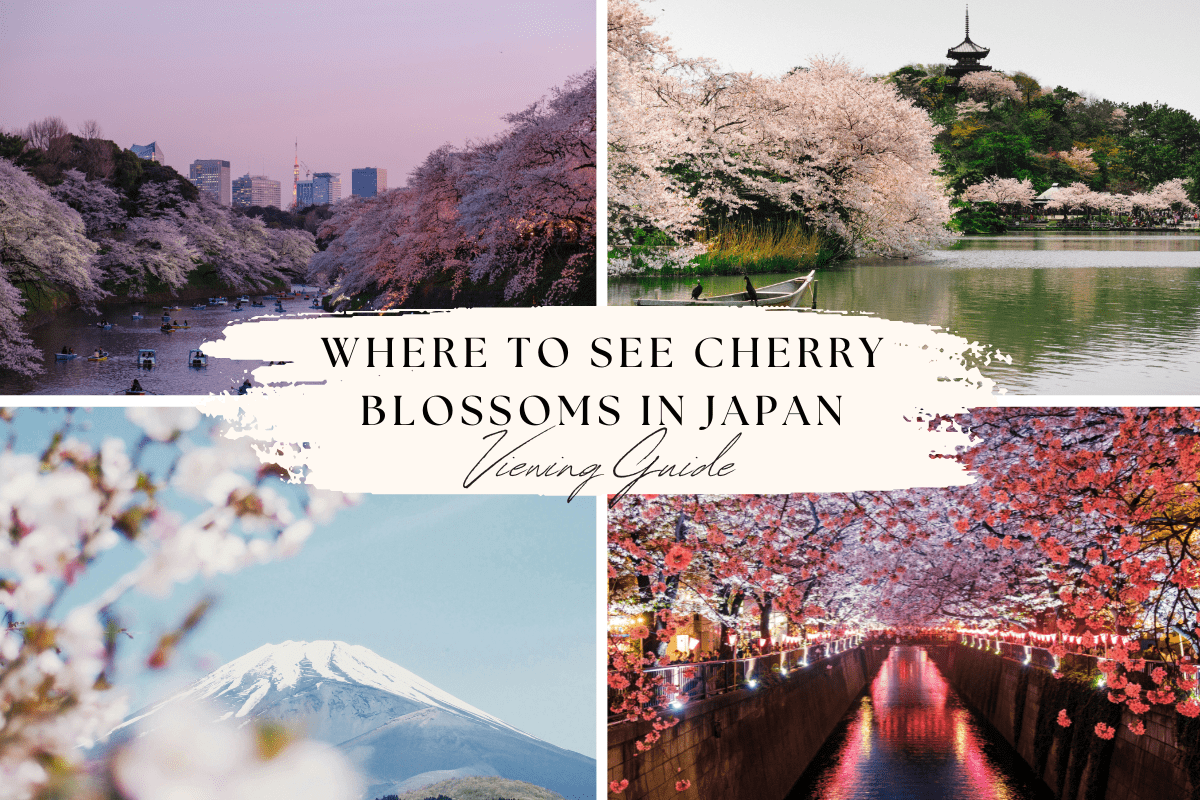
Tokyo, as the capital, provides a mix of traditional and modern viewing spots. Ueno Park is one of the most famous, with over 1,000 cherry trees. Shinjuku Gyoen offers a more tranquil experience with its diverse garden styles. Chidorigafuchi Moat provides stunning views of blossoms reflected in the water, and you can even rent a boat to get closer.
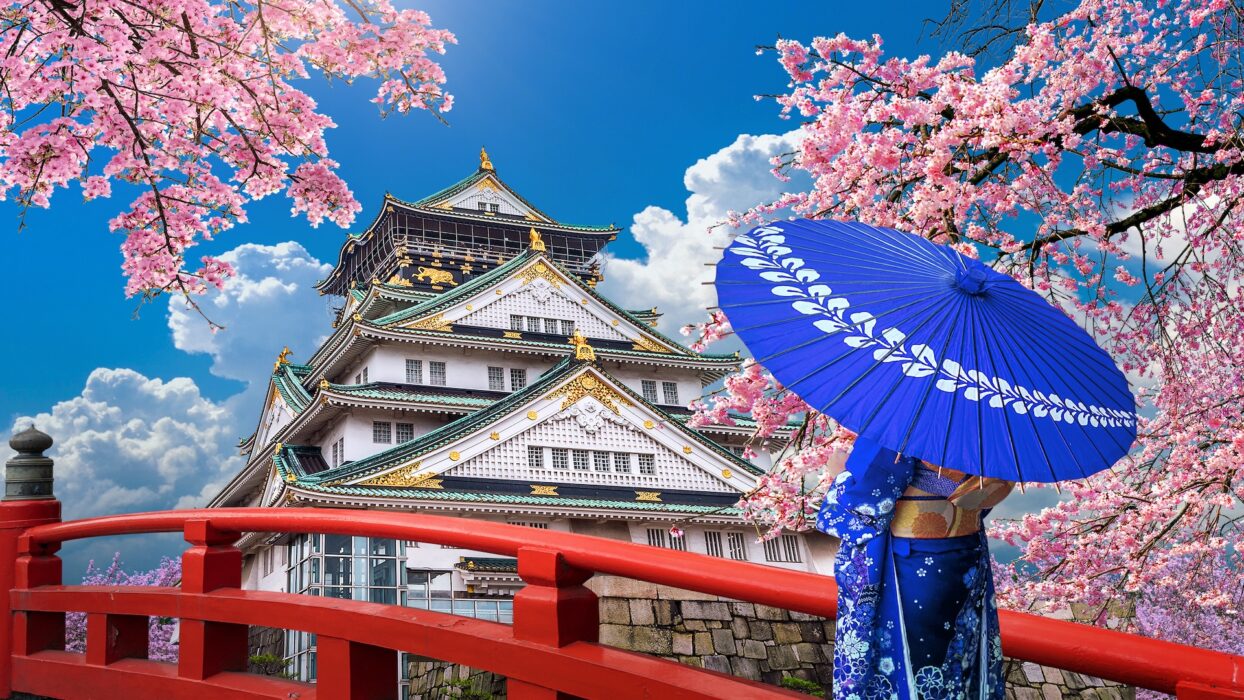
Kyoto, the ancient capital, offers a more traditional setting. Maruyama Park is known for its weeping cherry tree, which is illuminated at night. The Philosopher's Path is a scenic canal lined with cherry trees, perfect for a peaceful stroll. Arashiyama Bamboo Grove, while not exclusively a cherry blossom spot, provides a stunning backdrop when the nearby trees are in bloom.
Osaka features Osaka Castle Park, where the castle provides a majestic backdrop to the blossoms. Kema Sakuranomiya Park stretches along the Okawa River, offering miles of cherry trees.
Nara Park is famous for its friendly deer roaming freely among the cherry trees, creating a unique and picturesque scene.
Hirosaki Castle Park, in northern Japan, is considered one of the best viewing spots, with moats filled with fallen petals creating a pink carpet.
When choosing your viewing locations, consider the atmosphere you prefer. Some parks are lively and crowded, offering a festive atmosphere, while others are more serene and peaceful. Also, check for any special events or illuminations that might be taking place during your visit.
Booking Accommodation And Transportation
Securing accommodation and transportation well in advance is crucial, as the cherry blossom season is a peak travel period. Hotels, especially those near popular viewing spots, tend to book up quickly, and prices can be significantly higher.
Start your search for accommodation as early as possible, ideally several months in advance. Consider a variety of options, including hotels, traditional ryokans (Japanese inns), and Airbnb. Ryokans offer a unique cultural experience, often including onsen (hot springs) and traditional meals.
For transportation, the Japan Rail Pass can be a cost-effective option if you plan to travel extensively by train. However, it's important to calculate whether the pass will actually save you money, as it's only economical if you're making several long-distance trips. Individual train tickets can be purchased online or at train stations.
Consider purchasing a Japan Rail Pass if you plan to travel extensively between cities. This pass offers unlimited travel on most JR lines, including the Shinkansen (bullet train). However, it's important to note that the pass must be purchased before arriving in Japan, and it's only valid for a specific period.
Within cities, utilize the efficient public transportation systems, including trains and buses. Purchase a Suica or Pasmo card, which can be used on most public transportation in major cities. These cards can be easily recharged at stations and convenience stores.
If you plan to rent a car, be aware that driving in Japan can be challenging, especially in urban areas. Parking can be expensive and difficult to find, and the road system can be confusing. However, a car can be useful for exploring more remote areas.
Experiencing Hanami In Japan
Hanami, which translates to 'flower viewing,' is a cherished Japanese tradition. It involves gathering with friends and family under the cherry trees to enjoy food, drinks, and the company of loved ones. Participating in hanami is a quintessential Japan spring travel guide experience.
What To Bring For A Hanami Picnic
Preparing for a hanami picnic involves gathering the right supplies to ensure a comfortable and enjoyable experience. Here's a list of essentials:
- Picnic blanket or sheet: Choose a waterproof and durable blanket to protect against damp ground.
- Food and drinks: Pack a variety of snacks, meals, and beverages to share.
- Utensils and plates: Bring reusable or disposable utensils, plates, and cups.
- Trash bags: Essential for cleaning up after your picnic and respecting the environment.
- Wet wipes or hand sanitizer: To keep your hands clean, especially if eating with your hands.
- Cushions or folding chairs: For added comfort, especially if you plan to sit for an extended period.
- Camera or smartphone: To capture the beautiful scenery and memories.
- Portable charger: To keep your devices powered throughout the day.
- Warm clothing: Even on sunny days, the weather can be cool, especially in the evening.
- Entertainment: Bring games, books, or music to enhance the experience.
When it comes to food, consider packing a mix of traditional Japanese dishes and familiar favorites. Popular hanami foods include bento boxes, sushi, onigiri (rice balls), and dango (sweet dumplings). Don't forget to bring plenty of drinks, such as green tea, sake, or beer.
Hanami Etiquette And Customs
Respecting Japan travel etiquette and customs is essential for a positive hanami experience. Here are some key points to keep in mind:
- Arrive early: Popular spots fill up quickly, so arrive early to secure a good location.
- Claim your spot: Use your picnic blanket to mark your territory, but be mindful of others.
- Remove your shoes: When sitting on your blanket, it's customary to remove your shoes.
- Share food and drinks: Hanami is a communal activity, so share your food and drinks with others.
- Clean up after yourself: Dispose of your trash properly and leave the area as you found it.
- Be mindful of noise levels: Keep the noise down to respect other picnickers.
- Avoid touching the blossoms: Admire the blossoms from a distance and avoid touching or shaking the trees.
- Respect private property: Do not enter private property or restricted areas.
Hanami is not just about enjoying the blossoms; it's also about fostering a sense of community and respect. By following these customs, you can contribute to a positive and enjoyable experience for everyone.
Enjoying Local Food And Drinks During Hanami
Hanami is a great opportunity to indulge in local food and drinks. Many vendors set up stalls near popular viewing spots, offering a variety of seasonal treats. Be sure to try some of the following:
- Sakura mochi: A sweet rice cake filled with red bean paste and wrapped in a cherry blossom leaf.
- Hanami bento: A special bento box filled with seasonal delicacies.
- Dango: Sweet rice dumplings on a skewer, often flavored with soy sauce or sweet bean paste.
- Sake: Japanese rice wine, often enjoyed warm or cold.
- Beer: Many Japanese breweries offer special seasonal beers for hanami.
- Green tea: A refreshing and traditional beverage.
Exploring the local culinary scene is an integral part of the hanami experience. Don't be afraid to try new things and ask vendors for recommendations. Many vendors are happy to explain their products and offer samples.
Beyond The Blossoms: Exploring Japan
While the cherry blossoms are the main attraction, Japan offers a wealth of other attractions and activities to explore. Consider extending your trip to experience more of what the country has to offer. Taking day trips from Tokyo or other major cities can greatly enhance your travel experience.
Day Trips From Major Cities
From Tokyo, you can easily take day trips to numerous destinations, including:
- Hakone: A mountain resort town known for its hot springs, views of Mount Fuji, and art museums.
- Kamakura: A historic city with numerous temples, shrines, and the Great Buddha statue.
- Nikko: A UNESCO World Heritage site with stunning temples and shrines set in a beautiful natural landscape.
- Yokohama: A port city with a vibrant international atmosphere and numerous attractions.
From Kyoto, consider day trips to:
- Nara: Famous for its friendly deer and Todai-ji Temple, which houses a giant bronze Buddha statue.
- Osaka: A bustling city with a vibrant food scene and numerous attractions.
- Kobe: A port city known for its delicious beef and international atmosphere.
These day trips offer a chance to experience different aspects of Japan, from natural beauty to historical sites and modern cities.
Cultural Activities And Festivals
In addition to cherry blossom viewing, Japan offers a variety of cultural festivals in Japan and activities to enjoy during the spring season.
- Spring festivals: Many shrines and temples hold special festivals in the spring, featuring traditional music, dance, and food stalls.
- Tea ceremonies: Participate in a traditional tea ceremony to experience the art of preparing and serving matcha.
- Calligraphy and origami workshops: Learn the art of Japanese calligraphy or origami by attending a workshop.
- Gardens: Explore Japan's beautiful gardens, which are especially stunning in the spring.
- Temples and shrines: Visit Japan's numerous temples and shrines to learn about the country's religious and cultural heritage.
Participating in these activities will give you a deeper understanding of Japanese culture and traditions.
Respecting Local Customs And Traditions
When traveling in Japan, it's important to be mindful of local customs and traditions. Here are some key points to keep in mind:
- Bowing: Bowing is a common greeting and a sign of respect.
- Removing shoes: Remove your shoes when entering homes, temples, and some traditional restaurants.
- Using chopsticks: Learn the proper way to use chopsticks and avoid sticking them upright in your rice bowl.
- Tipping: Tipping is not customary in Japan.
- Public transportation: Refrain from talking loudly on public transportation and give up your seat for the elderly or disabled.
- Personal space: Be mindful of personal space and avoid standing too close to others.
- Photography: Ask for permission before taking photos of people or private property.
By showing respect for local customs and traditions, you can enhance your travel experience and demonstrate your appreciation for Japanese culture. Understanding these cultural nuances will allow you to fully immerse yourself in the beauty and traditions of Japan, creating a richer and more meaningful travel experience. Remember to explore Japan beyond the blossoms and discover the many facets of this fascinating country.
Planning a cherry blossom season travel to Japan requires careful preparation, but the rewards are well worth the effort. By following these tips, you can ensure a memorable and enriching experience. From timing your visit to experiencing hanami and exploring beyond the blossoms, Japan offers a unique and unforgettable adventure during the spring season.


Messenger

Back to top