
Tsukemono, often referred to as Japanese pickles, are an integral part of Japanese cuisine. These preserved vegetables offer a delightful balance of flavors, ranging from salty and sour to sweet and umami, adding a refreshing counterpoint to richer dishes. From humble home-style preparations to refined culinary creations, tsukemono showcase the ingenuity and resourcefulness of Japanese culinary traditions. These vibrant and flavorful accompaniments not only enhance the dining experience but also provide potential health benefits thanks to their fermentation process. This article delves into the world of tsukemono, exploring its history, ingredients, regional variations, nutritional value, and methods for making it at home.
What Is Tsukemono?
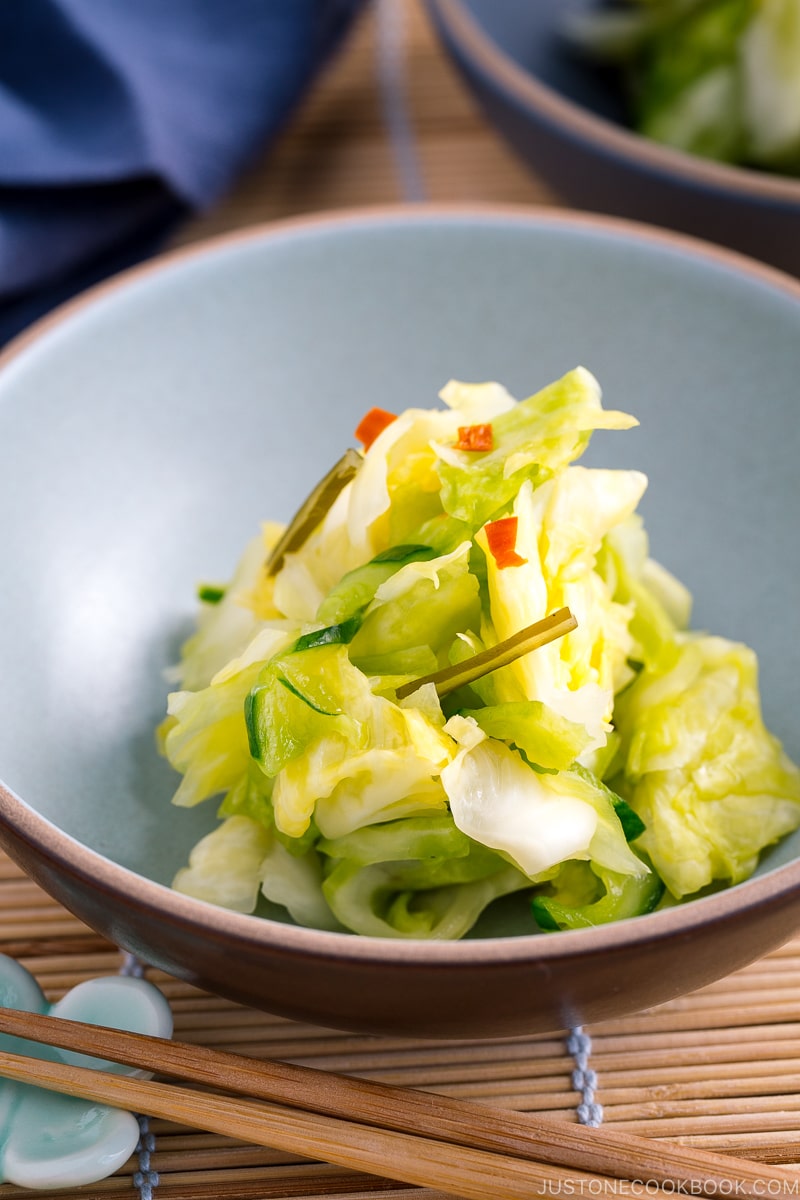
Tsukemono (漬物) literally translates to "pickled things." It encompasses a wide variety of pickled vegetables, fruits, and even seafood, preserved through various methods such as salting, brining, fermenting, or pickling in vinegar, miso, sake lees, or soy sauce. Tsukemono are more than just condiments; they are essential components of a traditional Japanese meal, providing contrasting flavors and textures that cleanse the palate and aid digestion. They are typically served alongside rice, miso soup, and a main dish, adding a vibrant touch to the overall dining experience. The diverse range of tsukemono reflects Japan's regional climates, agricultural produce, and culinary preferences.
A Brief History Of Tsukemono
The history of tsukemono dates back to ancient Japan, long before refrigeration was available. Pickling was initially developed as a means of preserving food for consumption during the winter months or times of scarcity. The earliest forms of tsukemono involved simple methods like salting or fermenting vegetables in rice bran. Over time, different pickling techniques and flavor combinations emerged, influenced by regional ingredients and cultural exchanges. During the Edo period (1603-1868), tsukemono production became more sophisticated, with various regional specialties gaining popularity. Today, tsukemono remains an important part of Japanese culinary heritage, with both traditional and modern variations enjoyed throughout the country.
Common Ingredients Used In Tsukemono
A vast array of ingredients can be used to make tsukemono, depending on the desired flavor profile and pickling method. Some of the most common vegetables include:
- Daikon radish: A large, white radish with a mild, slightly peppery flavor.
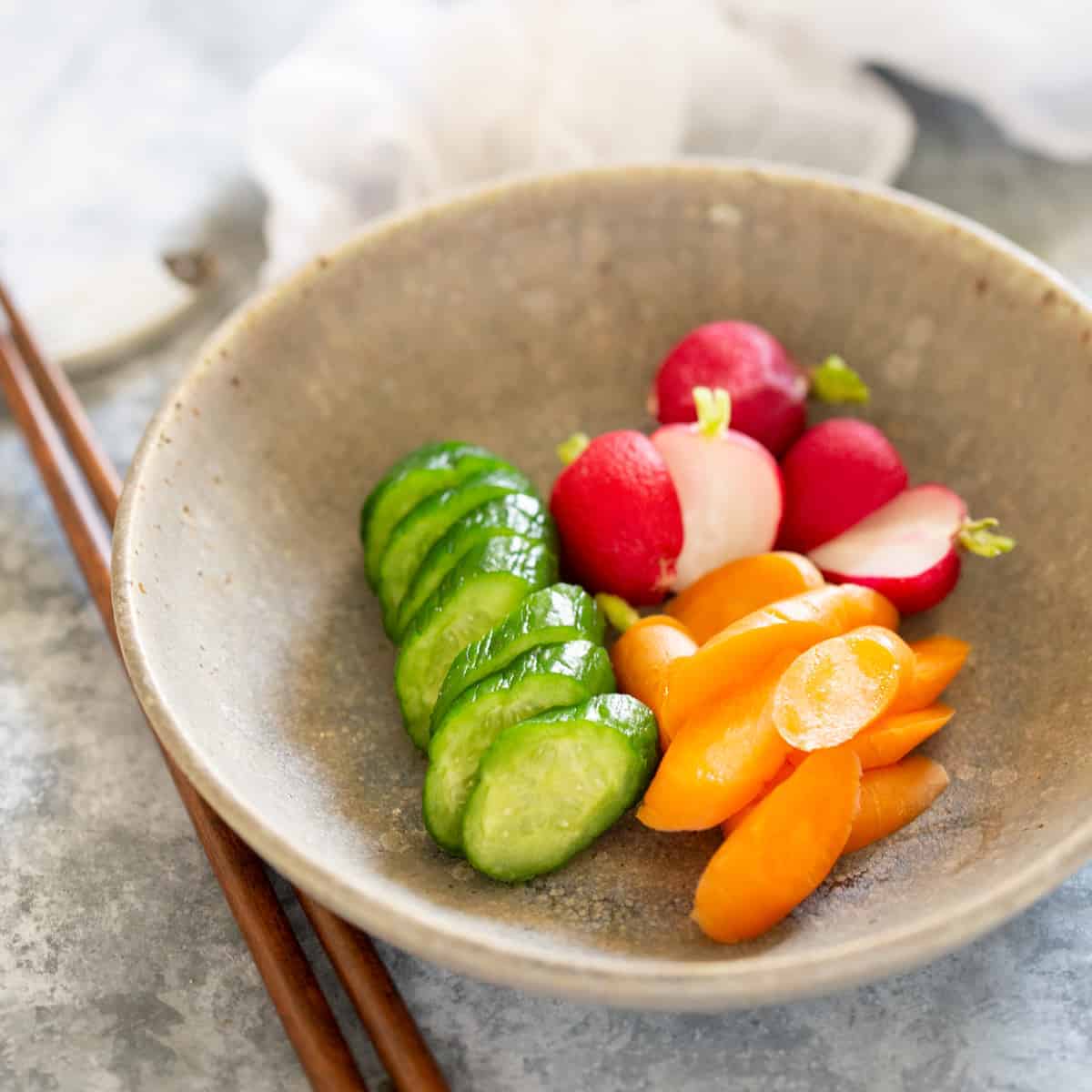
- Cucumber: Crisp and refreshing, cucumbers absorb pickling flavors well.
- Cabbage: Both Napa cabbage and regular cabbage are frequently used for tsukemono.
- Eggplant: Japanese eggplants, with their tender flesh, are ideal for pickling.
- Ginger: Adds a pungent and spicy flavor to tsukemono.
- Carrot: Provides sweetness and a vibrant color to pickled dishes.
- Turnip: Offers a slightly sweet and earthy flavor.
- Umeboshi plums: These tart and salty pickled plums are a unique and iconic tsukemono.
In addition to vegetables, other ingredients commonly used in tsukemono include salt, vinegar, miso, soy sauce, sake lees (the leftover solids from sake production), rice bran (nuka), sugar, and various spices. These ingredients contribute to the diverse range of flavors and textures found in tsukemono.
Regional Variations Of Tsukemono
One of the most fascinating aspects of tsukemono is its regional diversity. Each region of Japan boasts its own unique tsukemono specialties, reflecting local ingredients and culinary traditions. Here are a few notable examples:
- Kyoto: Known for its elegant and refined tsukemono, such as shibazuke (pickled eggplant and cucumber) and senmaizuke (thinly sliced pickled turnips).
- Nagoya: Famous for its akamiso-zuke, vegetables pickled in red miso, which imparts a rich and savory flavor.
- Osaka: Known for its takuan, a yellow pickled daikon radish that is often enjoyed with rice.
- Hokkaido: Renowned for its iberazuke, pickled herring roe, a delicacy that showcases the region's seafood bounty.
- Aichi: Popular for its narazuke, vegetables pickled in sake lees for an extended period, resulting in a complex and slightly alcoholic flavor.
Exploring the regional variations of Japanese pickled vegetables is a culinary adventure that offers a glimpse into the diverse flavors and traditions of Japan.
Health Benefits And Nutritional Value
Beyond their delicious flavors, tsukemono can also offer various health benefits, particularly those that are fermented.
Probiotic Benefits Of Fermented Tsukemono
Fermented tsukemono, such as nukazuke (pickled in rice bran) and some types of shiozuke (salt-pickled), are rich in probiotics, beneficial bacteria that promote gut health. Probiotics can aid digestion, boost the immune system, and even improve mental health. Incorporating fermented tsukemono into your diet can be a delicious way to support a healthy gut microbiome. The fermentation process also enhances the flavor and nutritional value of the vegetables, making them even more beneficial.
Vitamin And Mineral Content
Tsukemono retain many of the vitamins and minerals found in the fresh vegetables they are made from. Depending on the type of vegetable and pickling method, tsukemono can be a good source of vitamin C, vitamin K, potassium, and fiber. Additionally, some pickling methods, such as those using rice bran, can increase the levels of certain nutrients, like vitamin B1. While the nutrient content can vary, tsukemono can contribute to a balanced and healthy diet.
Potential Health Risks And Considerations
While tsukemono offers health benefits, it's essential to be aware of potential risks. Many tsukemono varieties are high in sodium due to the pickling process. Individuals with high blood pressure or sodium sensitivities should consume tsukemono in moderation. Additionally, some tsukemono may contain artificial additives or preservatives. Choosing tsukemono made with natural ingredients and consuming them as part of a balanced diet can help minimize potential health risks. Always read the labels carefully to be aware of the ingredients and nutritional content.
It is important to note that while tsukemono can be a healthy addition to your diet, it is not a substitute for a balanced diet and regular exercise.
How To Make Tsukemono At Home
Making tsukemono at home is a rewarding experience that allows you to customize the flavors and ingredients to your liking. Here's a basic recipe for quick pickles and some tips for successful tsukemono making:
Basic Tsukemono Recipe: Quick Pickles
This recipe provides a simple and quick way to make delicious tsukemono at home. It's perfect for beginners and can be adapted to various vegetables.
Ingredients:
- 1 cucumber, thinly sliced
- 1/2 cup rice vinegar
- 2 tablespoons sugar
- 1 tablespoon salt
- 1 teaspoon sesame oil (optional)
- 1/2 teaspoon red pepper flakes (optional)
Instructions:
This quick pickle recipe can also be used with other vegetables like carrots, daikon radish, or cabbage. Adjust the amount of sugar and salt to suit your taste.
Tips For Successful Tsukemono Making
Making delicious tsukemono at home requires attention to detail and a few key techniques. Here are some tips to ensure your tsukemono turns out perfectly:
- Use fresh, high-quality vegetables.
- Wash and prepare the vegetables properly.
- Use clean jars or containers to prevent contamination.
- Adjust the amount of salt, sugar, and vinegar to your liking.
- Experiment with different spices and flavorings.
- Store tsukemono in the refrigerator to maintain freshness.
- Check regularly for any signs of spoilage.
- Use a weight to keep the vegetables submerged in the pickling liquid.
By following these tips, you can create flavorful and authentic homemade tsukemono that will impress your family and friends.
Creative Tsukemono Recipes To Try
Once you've mastered the basic tsukemono recipe, you can explore more creative and adventurous flavor combinations. Here are a few ideas to inspire your culinary creativity:
- Spicy Daikon Tsukemono: Add ginger, garlic, and chili flakes to a basic daikon pickle for a fiery kick.
- Sweet and Sour Cabbage Tsukemono: Combine rice vinegar, sugar, soy sauce, and sesame oil for a balanced flavor profile.
- Miso-Pickled Eggplant: Marinate eggplant in miso paste for a rich and savory tsukemono.
- Umeboshi-Flavored Cucumber: Add chopped umeboshi plums to cucumber pickles for a tart and salty twist.
- Yuzu-Infused Radish: Use yuzu juice and zest to create a fragrant and refreshing radish pickle.
Experimenting with different ingredients and techniques is key to discovering your own unique tsukemono creations. Don't be afraid to try new things and adapt recipes to your personal preferences.
Making tsukemono at home is not just about preserving vegetables; it's about embracing a culinary tradition and creating something unique and flavorful.


Tsukemono is an essential part of Japanese cuisine, celebrated for its diverse flavors, textures, and cultural significance. Rooted in tradition yet easy to make at home, these pickles reflect Japan’s ingenuity in food preservation and seasonal eating. By exploring different varieties—from tangy umeboshi to crisp pickled vegetables—you can deepen your appreciation for Japanese culinary culture and add a healthy, flavorful touch to everyday meals. With quality ingredients and a bit of creativity, anyone can enjoy the art of tsukemono and discover new favorite flavors along the way.


Messenger

Back to top