
Yakitori Omakase offers a unique and intimate dining experience, elevating the simple concept of grilled chicken skewers into an art form. Unlike traditional a la carte yakitori restaurants, omakase puts the diner in the hands of the chef, who curates a personalized tasting menu based on the freshest ingredients and the diner's preferences. This guide will delve into the world of yakitori omakase, exploring its nuances, the experience it offers, and how to find the best restaurants for this culinary adventure.
Understanding Yakitori Omakase
What is Yakitori Omakase?
Omakase (お任せ) is a Japanese phrase that translates to "I'll leave it up to you." In the context of dining, it signifies a chef's choice menu where the diner trusts the chef to select and serve a series of dishes. Yakitori omakase applies this concept to yakitori, where the chef meticulously chooses different cuts of chicken, prepares them with various seasonings and techniques, and presents them in a curated order.
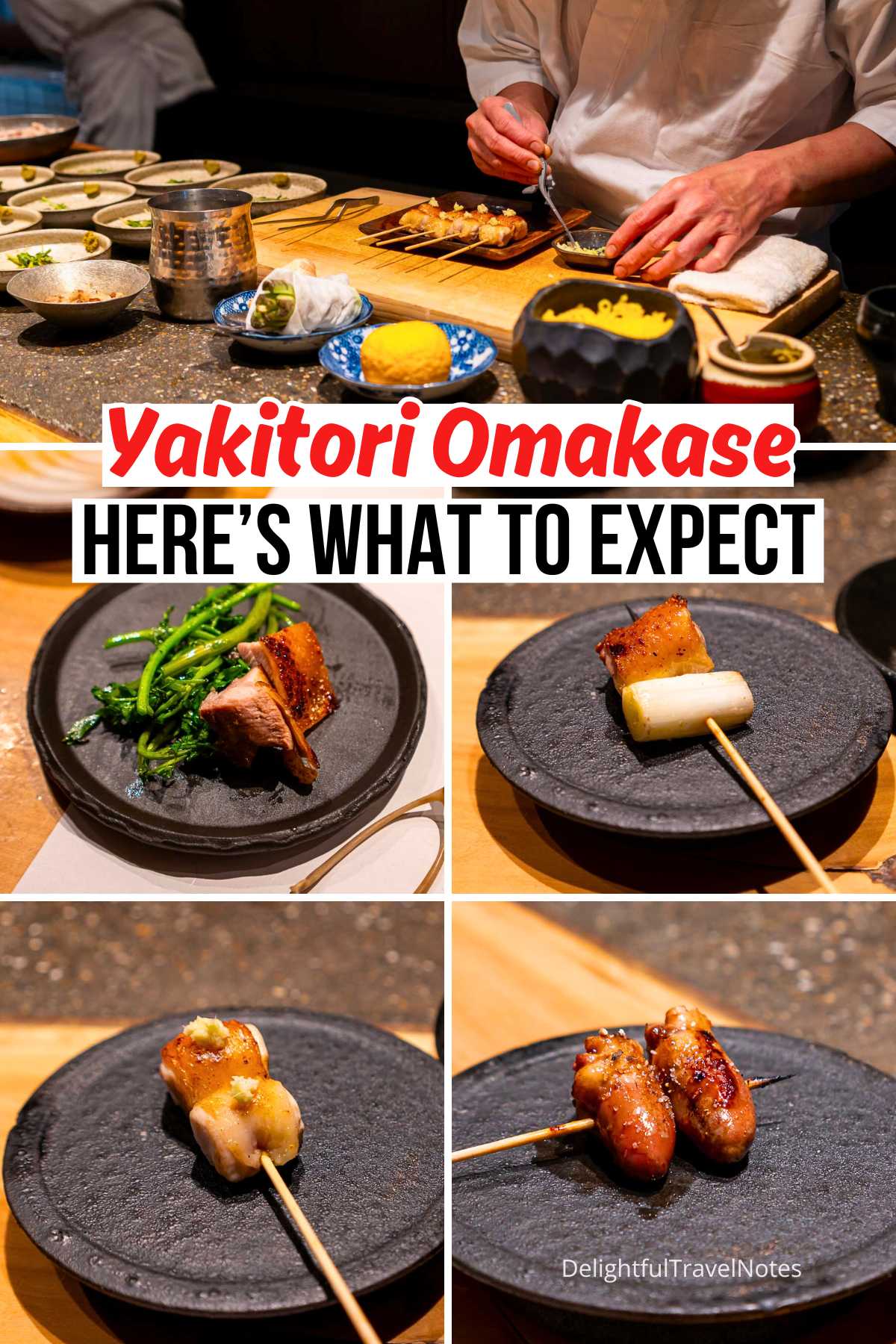
The experience is more than just eating grilled chicken; it's a journey through flavors and textures, guided by the chef's expertise and creativity. Each skewer is carefully crafted to highlight the unique characteristics of the chicken and complement the preceding and following courses. This can include rare cuts and cooking methods that aren't available on a standard menu. The chef's selection often reflects the seasonality of ingredients.
The Art of the Yakitori Chef
The yakitori chef, or yakitorisho, is a highly skilled artisan who undergoes years of training to master the art of grilling chicken. Their expertise extends beyond simply cooking the meat; they possess an in-depth understanding of the different cuts of chicken, how they react to heat, and which seasonings best enhance their flavor. They also need to know how to butcher the chicken properly.
The chef's role in omakase is even more crucial. They act as a culinary storyteller, carefully selecting each skewer to create a cohesive and memorable dining experience. They consider the diner's preferences, dietary restrictions, and even the overall mood to tailor the menu accordingly. A great yakitori chef is not just a cook but a true artist, using the grill as their canvas and the chicken as their medium.
Why Choose Omakase Over A La Carte?
While a la carte yakitori offers the freedom to choose individual skewers, omakase provides a more comprehensive and curated experience. Here's why you might choose omakase:
Exploration: Omakase allows you to try cuts and preparations you might not otherwise order, expanding your palate and appreciation for yakitori.
Chef's Expertise: You benefit from the chef's knowledge and creativity, experiencing yakitori in a way that highlights its full potential.
Balanced Meal: The chef ensures a balanced progression of flavors and textures, creating a harmonious and satisfying meal.
Surprise and Delight: The element of surprise adds excitement to the dining experience, as you never know what the next skewer will be.
Personalized Attention: Omakase often involves direct interaction with the chef, allowing for a more intimate and educational dining experience.
Choosing omakase also signals respect for the chef's skill and trust in their judgment, fostering a connection that elevates the entire meal.
The Yakitori Omakase Experience
A Journey Through Different Cuts of Chicken
One of the key aspects of yakitori omakase is the exploration of different cuts of chicken, each offering a unique flavor and texture profile. Some common cuts include:
Momo (もも): Thigh meat, known for its juicy and flavorful character.
Mune (むね): Breast meat, leaner than the thigh but can be incredibly tender when cooked properly.
Negima (ねぎま): Alternating pieces of thigh and scallion, a classic combination of savory and sweet.
Tsukune (つくね): Chicken meatballs, often made with cartilage for a unique texture.
Kawa (かわ): Chicken skin, grilled to crispy perfection and seasoned with salt or sauce.
Sunagimo (砂肝): Gizzard, offering a crunchy and slightly chewy texture.
Hatsu (ハツ): Heart, rich and flavorful with a slightly firm texture.
Reba (レバー): Liver, creamy and decadent, often served with a sweet soy glaze.
Seseri (せせり): Neck meat, prized for its springy texture and rich flavor.
Bonjiri (ぼんじり): Tail meat, also known as chicken oysters, incredibly juicy and flavorful.
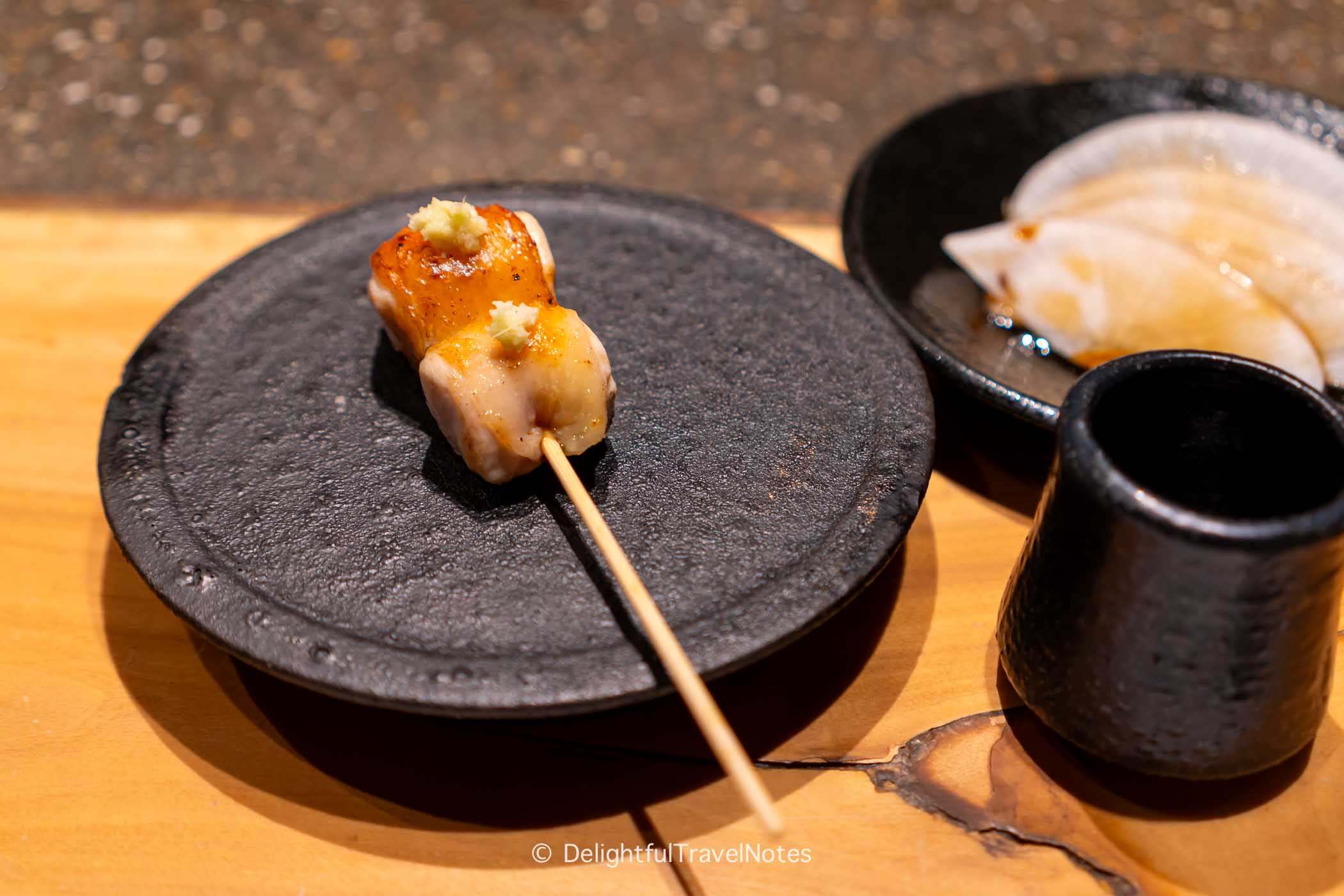
The chef will carefully select these cuts and others, preparing them with different seasonings and techniques to highlight their unique characteristics. The order in which they are served is also carefully considered, creating a progression of flavors and textures that builds throughout the meal. You can expect to experience different cuts of chicken.
Seasonal Ingredients and Unique Skewers
In addition to showcasing different cuts of chicken, yakitori omakase often incorporates seasonal ingredients to create unique and innovative skewers. During the spring, you might find skewers featuring bamboo shoots, fava beans, or cherry blossoms. Summer brings corn, eggplant, and shishito peppers. Autumn offers mushrooms, sweet potatoes, and ginkgo nuts. Winter features root vegetables, citrus fruits, and oysters.
These seasonal ingredients add another layer of complexity to the yakitori experience, complementing the flavors of the chicken and reflecting the changing seasons. Chefs may also experiment with unique combinations and preparations, such as wrapping chicken in shiso leaves, stuffing it with mochi, or topping it with uni. These unexpected twists and turns are part of what makes yakitori omakase so exciting and memorable. The seasonal ingredients really make the dish.
Pairing Yakitori with Sake and Other Drinks
No yakitori omakase experience is complete without the perfect beverage pairings. Sake is the traditional accompaniment, and a knowledgeable chef or sommelier can guide you through a selection of sakes that complement the different skewers. Light and dry sakes pair well with delicate cuts of chicken, while richer and more complex sakes can stand up to bolder flavors like liver or gizzard.
Other beverages that pair well with yakitori include:
Beer: Crisp lagers and pale ales can cleanse the palate between skewers.
Wine: Light-bodied white wines like Sauvignon Blanc or Pinot Grigio can complement the chicken.
Shochu: A Japanese distilled spirit that comes in various styles, offering a range of flavors and aromas.
Highballs: A refreshing mix of whisky and soda water, perfect for cutting through the richness of the yakitori.
The key is to choose beverages that enhance the flavors of the yakitori without overpowering them. Don't hesitate to ask the chef or staff for recommendations, as they will have the best understanding of which drinks pair well with their specific menu. You will want to find the right sake pairing.
Finding the Best Yakitori Omakase Restaurants
Factors to Consider When Choosing a Restaurant
With the growing popularity of yakitori omakase, it's essential to choose a restaurant that offers an authentic and high-quality experience. Here are some factors to consider:
Chef's Experience: Look for a restaurant with a chef who has extensive experience in yakitori and a deep understanding of Japanese cuisine.
Ingredient Quality: The best yakitori restaurants use high-quality, locally sourced chicken and seasonal ingredients.
Cooking Technique: Pay attention to the cooking technique, as the chef should be skilled in grilling the chicken to perfection over charcoal.
Atmosphere: The atmosphere should be intimate and inviting, with a focus on the dining experience.
Reviews and Recommendations: Read reviews and seek recommendations from trusted sources to get an idea of the restaurant's quality and reputation.
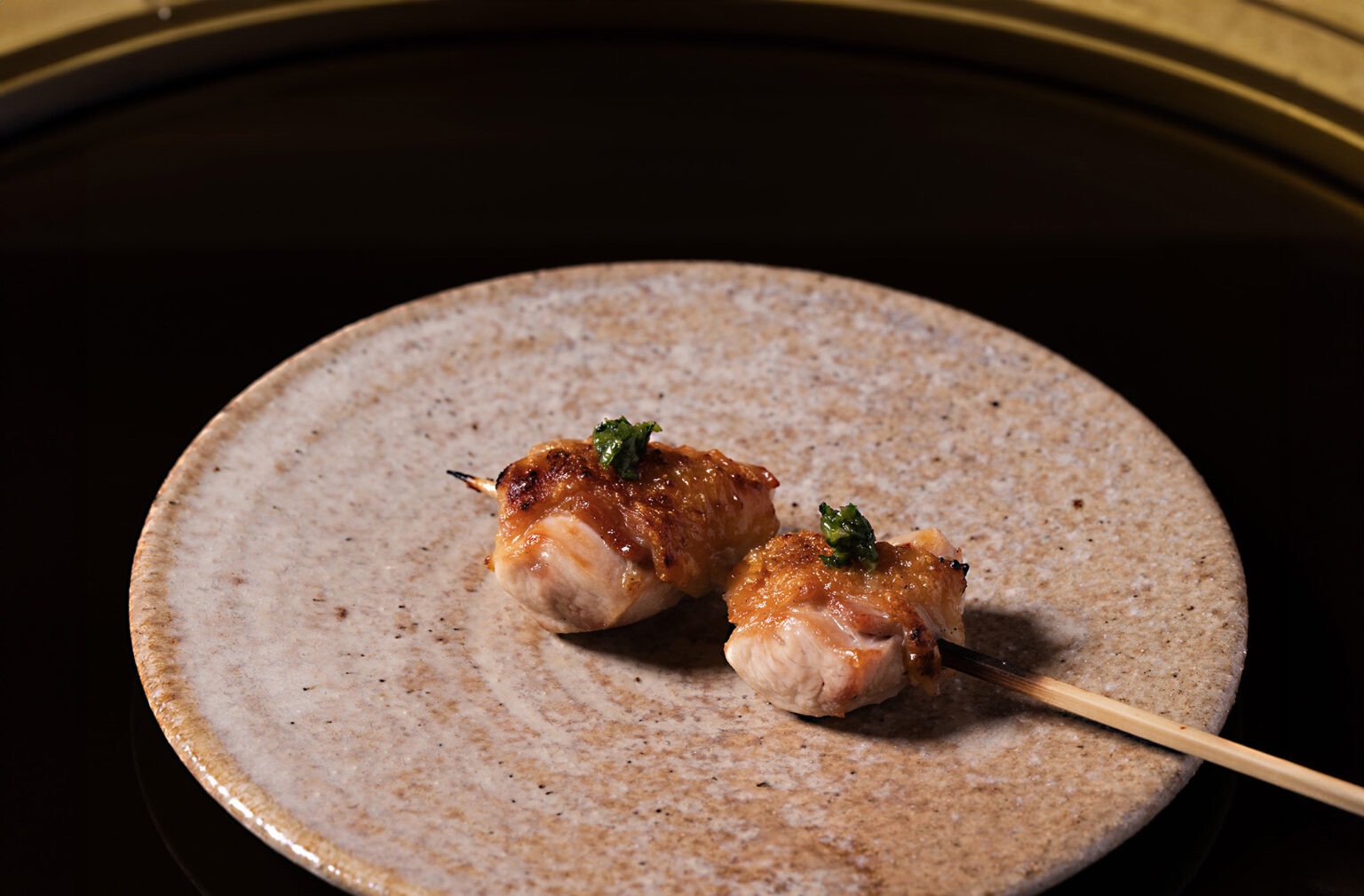
By considering these factors, you can increase your chances of finding a yakitori omakase restaurant that delivers a truly exceptional dining experience. It's important to find the best Japanese restaurant.
Top-Rated Yakitori Omakase Spots around the World
While the best yakitori omakase restaurants are often found in Japan, there are excellent options in other parts of the world as well. Here are a few top-rated spots:
Torishiki (Tokyo, Japan): A Michelin-starred yakitori restaurant known for its exceptional quality and meticulous preparation.
Birdyard (New York City, USA): Offers a modern take on yakitori omakase, using locally sourced ingredients and innovative techniques.
Yardbird (Hong Kong): A popular spot for yakitori and other Japanese dishes, with a focus on quality ingredients and creative flavors.
Tori Shin (New York City, USA): A sleek and stylish restaurant offering a refined yakitori omakase experience.
Hototogisu (Singapore): A cozy and intimate restaurant serving authentic yakitori omakase with a focus on seasonal ingredients.
This is just a small sampling of the many excellent yakitori omakase restaurants around the world. Do your research and explore the options in your area to find the perfect spot for your next culinary adventure.
What to Expect in terms of Price and Atmosphere
Yakitori omakase is generally more expensive than a la carte yakitori, reflecting the higher quality ingredients, the chef's expertise, and the more personalized dining experience. Prices can range from $50 to $200 or more per person, depending on the restaurant and the menu.
The atmosphere of yakitori omakase restaurants tends to be intimate and refined, with a focus on the dining experience. Many restaurants have counter seating, allowing diners to watch the chef at work and interact with them directly. The lighting is often dim and the music is subtle, creating a relaxed and inviting ambiance. The goal is to create a space where diners can focus on the food and enjoy the company of their fellow diners. Fine dining is key in these restaurants.
Ultimately, yakitori omakase is a culinary journey that offers a unique and unforgettable dining experience. By understanding the art of the yakitori chef, the different cuts of chicken, and the importance of seasonal ingredients and beverage pairings, you can fully appreciate the nuances of this exquisite cuisine. So, the next time you're looking for a special dining experience, consider yakitori omakase and let the chef guide you on a delicious adventure. Be sure to consider the foodie experience.


Messenger

Back to top