
Wasabi, with its vibrant green hue and pungent kick, is an essential condiment in Japanese cuisine, most famously paired with sushi and sashimi. However, what many consider wasabi is often an imitation, a blend of horseradish, mustard, and green food coloring. This article delves into the world of real wasabi, exploring its cultivation, the reasons behind its high cost, and its diverse culinary applications. Whether you're a seasoned chef or a curious home cook, understanding the nuances of wasabi will elevate your dining experience.

Understanding Real Wasabi
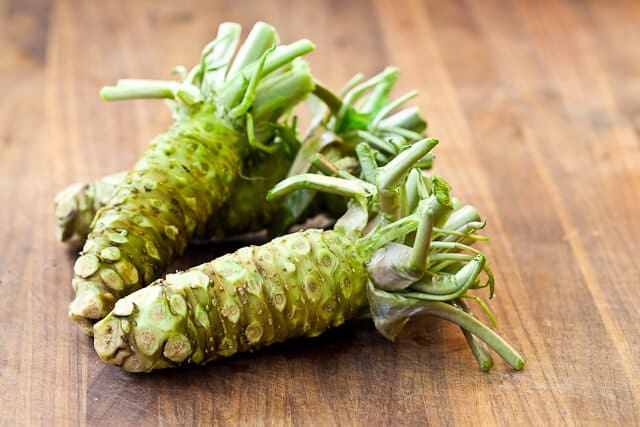
Authentic wasabi (Wasabia japonica) is a member of the Brassicaceae family, which also includes horseradish, mustard, and cabbage. It is the rhizome (underground stem) of the wasabi plant that is used as a condiment. The unique flavor profile of real wasabi is characterized by a fleeting heat that quickly dissipates, leaving a fresh, clean taste. This is due to the presence of allyl isothiocyanate compounds, which are released when the rhizome is grated.
The Difference Between Real and Imitation Wasabi
The most significant difference lies in the ingredients. Real wasabi is made solely from the grated rhizome of the wasabi plant. Imitation wasabi, on the other hand, is typically a mixture of horseradish, mustard, starch, and green food coloring. The flavor profiles also differ significantly. Real wasabi offers a complex, nuanced flavor with a clean, refreshing heat, while imitation wasabi tends to be more pungent and less refined.
Here's a breakdown of the key distinctions:
Ingredients: Real wasabi uses only the wasabi rhizome; imitation uses horseradish, mustard, and additives.
Flavor: Real wasabi has a fleeting, clean heat; imitation has a strong, often harsh, pungency.
Texture: Real wasabi has a slightly granular texture when freshly grated; imitation is often a smooth paste.
Color: Real wasabi has a natural pale green hue; imitation is often a vibrant, artificial green.
The health benefits also vary. Real wasabi contains unique isothiocyanates with potential anti-inflammatory and anti-cancer properties. While horseradish also offers some health benefits, it lacks the specific compounds found in wasabi.
Where Real Wasabi is Grown
Wasabi is notoriously difficult to cultivate, requiring specific environmental conditions. It thrives in cool, shady, and humid environments with a constant supply of fresh, flowing water. These conditions are typically found in mountain riverbeds in Japan. Japanese wasabi cultivation dates back centuries, and the country remains the primary producer of high-quality wasabi.
Outside of Japan, wasabi is also grown in other regions with suitable climates, including:
North America: Certain areas of the Pacific Northwest, particularly Oregon and Washington, have successfully cultivated wasabi.
New Zealand: The cool, damp climate of New Zealand provides ideal conditions for wasabi growth.
United Kingdom: Some farms in the UK have begun to experiment with wasabi cultivation, with varying degrees of success.
The location significantly impacts the flavor and quality of the wasabi. Japanese-grown wasabi is often considered the gold standard, owing to the long history and expertise in its cultivation.
The High Cost of Authentic Wasabi
Several factors contribute to the high cost of authentic wasabi. The demanding growing conditions, the long cultivation period (typically 2-3 years), and the labor-intensive harvesting process all play a role. Wasabi is also susceptible to various diseases and pests, which can further reduce yields and increase costs.
Here's a summary of the key cost drivers:
Limited Availability: Demand far exceeds supply, driving up prices.
Because of these factors, authentic wasabi can cost hundreds of dollars per kilogram, making it a luxury ingredient enjoyed by connoisseurs.
Growing Wasabi at Home
While challenging, growing wasabi at home is possible with careful planning and attention to detail. Creating the right environment is crucial for success.
The Ideal Conditions for Growing Wasabi
Wasabi requires cool temperatures (13-18°C or 55-65°F), high humidity (70-80%), and shade. It also needs a constant supply of fresh, flowing water. If you live in a region with hot summers, you may need to grow wasabi indoors or in a greenhouse with climate control.
Here are the essential environmental factors:
Temperature: Maintain a cool temperature range of 13-18°C (55-65°F).
Humidity: Ensure high humidity levels, ideally between 70-80%.
Shade: Provide ample shade to protect the plants from direct sunlight.
Water: Use a constant supply of fresh, flowing water or a well-draining soil mix.
Soil: Use a rich, organic soil mix with good drainage.
Consider these factors when selecting a location or setting up an indoor growing environment.
Step-by-Step Guide to Planting Wasabi
Here's a step-by-step guide to planting wasabi:
Harvest After 2-3 Years: Harvest the rhizomes when they reach a desirable size, typically after 2-3 years.
Patience and consistent care are essential for successful wasabi cultivation.
Common Pests and Diseases Affecting Wasabi
Wasabi is susceptible to several pests and diseases, including:
Root Rot: A fungal disease that causes the roots to decay.
Bacterial Soft Rot: A bacterial infection that causes the rhizome to become mushy.
Aphids: Small insects that suck sap from the leaves.
Slugs and Snails: Pests that feed on the leaves and rhizomes.
To prevent these problems, use disease-free planting material, ensure good drainage, and monitor plants regularly for signs of pests or diseases. Use organic pest control methods, such as neem oil or insecticidal soap, to control pests. Remove and destroy infected plants to prevent the spread of disease.
Wasabi in Different Cuisines
While most associated with Japanese cuisine, wasabi has found its way into various culinary traditions around the world.
Japanese Cuisine
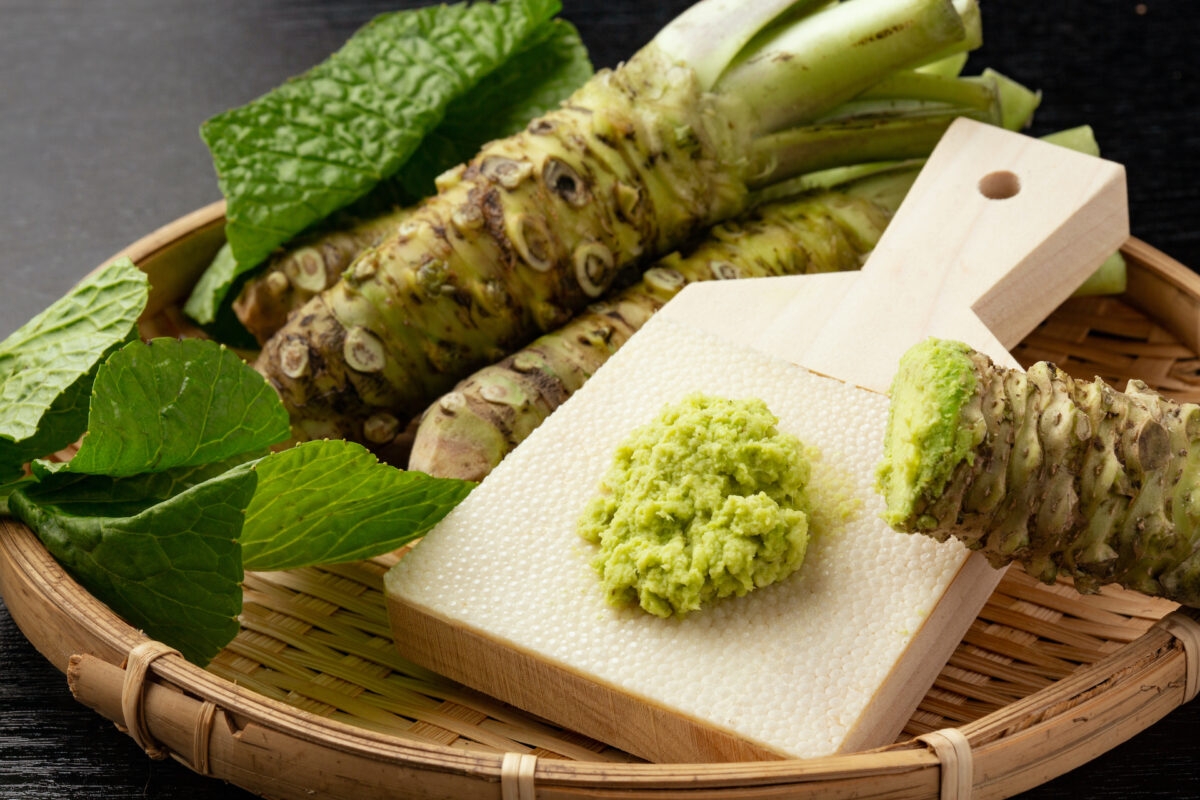
In Japanese cuisine, wasabi is traditionally served with sushi and sashimi. Its pungent flavor complements the delicate taste of raw fish and helps to cleanse the palate. Wasabi is also used as a condiment for soba noodles, tempura, and other dishes. It is typically grated fresh using a specialized grater called an oroshigane, which has a fine, bumpy surface that helps to release the wasabi's flavor compounds.
Here are some common uses of wasabi in Japanese cuisine:
Sushi and Sashimi: Served as a condiment to enhance the flavor of raw fish.
Soba Noodles: Added to the dipping sauce for soba noodles.
Tempura: Served as a condiment for tempura dishes.
Pickled Wasabi (Wasabi Zuke): Wasabi marinated in sake lees.
Wasabi Paste: Used as an ingredient in sauces and dressings.
The unique flavor of wasabi enhances the dining experience, providing a refreshing and stimulating contrast to other flavors.
Western Cuisine
In Western cuisine, wasabi is used to add a unique flavor and heat to various dishes. It can be incorporated into sauces, dressings, dips, and marinades. Wasabi powder or paste can also be added to mashed potatoes, deviled eggs, and other savory dishes. Some chefs even use wasabi to flavor desserts, such as ice cream and chocolate.
Here are some examples of wasabi's use in Western cuisine:
Wasabi Aioli: A flavorful sauce for sandwiches and burgers.
Wasabi Vinaigrette: A zesty dressing for salads.
Wasabi Mashed Potatoes: A unique twist on a classic side dish.
Wasabi Deviled Eggs: A spicy and flavorful appetizer.
Wasabi Chocolate: An adventurous and unexpected dessert.
The versatility of wasabi makes it a valuable ingredient for chefs looking to add a touch of excitement to their dishes.
Other Asian Cuisine
Beyond Japan, wasabi is also used in other Asian cuisines. In Korea, it may be added to seafood dishes or used as a condiment for grilled meats. In China, wasabi can be found in some hot pot broths and dipping sauces. Its pungent flavor adds depth and complexity to these dishes.
Here are some examples of wasabi's use in other Asian cuisines:
Korean Seafood Dishes: Added to enhance the flavor of raw or cooked seafood.
Chinese Hot Pot: Used as an ingredient in broths and dipping sauces.
Southeast Asian Sauces: Incorporated into various sauces and marinades.
The global appeal of wasabi continues to grow as chefs and home cooks discover its unique flavor and versatility. The growing demand for wasabi has led to increased cultivation efforts in various regions around the world, making it more accessible to consumers.
Wasabi is more than just a condiment; it's a culinary experience. From its challenging cultivation to its diverse culinary applications, wasabi offers a unique and rewarding journey for food enthusiasts. Whether you're enjoying it with sushi, experimenting with it in Western dishes, or exploring its use in other Asian cuisines, understanding the nuances of authentic wasabi flavor will undoubtedly elevate your culinary adventures.


Messenger

Back to top