
Sushi, a culinary art form with roots deeply embedded in Japanese culture, has transcended geographical boundaries to become a global delicacy. This comprehensive guide explores the fascinating journey of sushi, from its humble beginnings to its diverse forms and the intricate etiquette surrounding its consumption. Whether you're a seasoned sushi enthusiast or a curious beginner, this article will provide valuable insights into the world of sushi, including how to prepare it at home. The appeal of sushi lies in its simplicity and complexity, a balance achieved through meticulous preparation and the use of fresh, high-quality ingredients.

The Art of Sushi: A Culinary Journey
A Brief History of Sushi
The history of sushi dates back to ancient Southeast Asia, where a method of preserving fish in fermented rice was developed. This technique, known as *narezushi*, allowed for the preservation of fish for extended periods. Over time, this preservation method evolved, and the fermented rice began to be consumed along with the fish. This marked a significant step in the evolution of sushi. The practice then migrated to Japan, where it further transformed into what we recognize as sushi today. During the Edo period (1603-1868), sushi preparation became more refined, with the introduction of rice vinegar to enhance the flavor and speed up the fermentation process. This innovation led to the development of *haya-zushi*, or “fast sushi,” which could be prepared and eaten immediately. Modern sushi, particularly *nigirizushi*, emerged in the 19th century, thanks to the culinary ingenuity of Hanaya Yohei in Edo (present-day Tokyo). His creation, consisting of a slice of fresh fish atop a hand-pressed mound of vinegared rice, revolutionized sushi and paved the way for its global popularity.
Different Types of Sushi
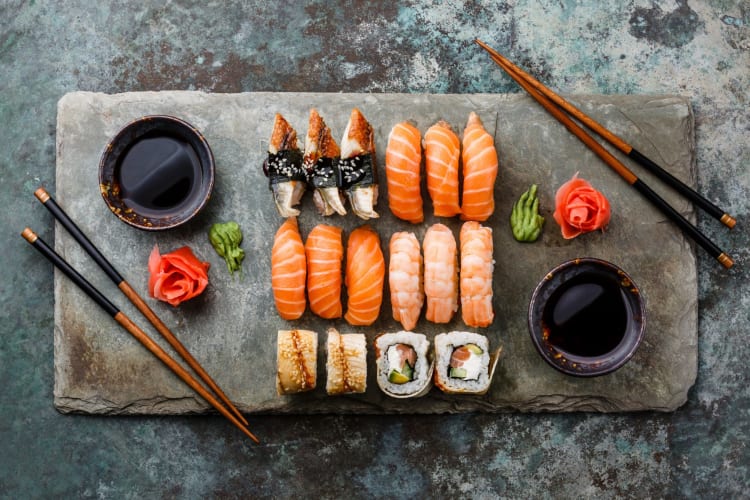
Sushi encompasses a wide variety of forms, each with its unique characteristics and preparation methods. Understanding the different types of sushi is essential for appreciating the diversity of this culinary art. Here are some of the most popular types of sushi:
- Nigirizushi: Hand-pressed sushi consisting of a slice of fish (or other topping) draped over a mound of vinegared rice.
- Makizushi: Rolled sushi, where rice and fillings are rolled in nori seaweed sheets. Common variations include *hosomaki* (thin rolls), *futomaki* (thick rolls), and *uramaki* (inside-out rolls).
- Temaki: Hand-rolled sushi cones filled with rice, fish, and vegetables.
- Inarizushi: Sushi rice stuffed into seasoned tofu pouches.
- Chirashizushi: A bowl of sushi rice topped with a variety of scattered ingredients, such as fish, vegetables, and egg.
- Oshizushi: Pressed sushi, where rice and toppings are pressed into a mold to create a compact, rectangular shape.


Each type of sushi offers a unique sensory experience, from the delicate balance of flavors in nigiri to the satisfying crunch of maki rolls. Exploring these variations allows sushi enthusiasts to discover their personal preferences and deepen their appreciation for the art of sushi.
Essential Ingredients for Making Sushi
The quality of sushi is heavily reliant on the freshness and quality of its ingredients. Sourcing the right ingredients is crucial for creating authentic and flavorful sushi. Here are some of the essential ingredients for making sushi:
- Sushi Rice: Short-grain Japanese rice is the foundation of sushi. It is cooked and seasoned with rice vinegar, sugar, and salt to create the characteristic sushi rice flavor.
- Nori Seaweed: Dried seaweed sheets used for rolling makizushi and temaki. Choose high-quality nori with a crisp texture and rich flavor.
- Fresh Fish: The star of many sushi dishes. Popular choices include tuna, salmon, yellowtail, and eel. Ensure the fish is sushi-grade, meaning it is safe to be consumed raw.
- Vegetables: A variety of vegetables are used in sushi, such as cucumber, avocado, carrots, and pickled radish (daikon).
- Wasabi: A pungent Japanese horseradish paste served as a condiment with sushi.
- Soy Sauce: Used for dipping sushi. Opt for a high-quality soy sauce with a balanced flavor.
- Pickled Ginger (Gari): Thinly sliced ginger pickled in sweet vinegar. It is used to cleanse the palate between bites of sushi.
These ingredients, when combined with skill and precision, create the harmonious balance of flavors and textures that define sushi. Obtaining fresh, high-quality ingredients is the first step towards creating exceptional sushi.
Exploring Sushi Culture and Etiquette
Sushi is more than just food; it is an integral part of Japanese culture, steeped in tradition and etiquette. Understanding sushi culture enhances the dining experience and shows respect for the art and craftsmanship behind it.
Understanding Sushi Restaurant Customs
Dining at a sushi restaurant involves certain customs and etiquette that are important to observe. Here are some key aspects of sushi restaurant etiquette:
- Seating: If possible, sit at the sushi counter to watch the chef prepare the sushi.
- Ordering: Order sushi in rounds, starting with lighter flavors and progressing to richer ones.
- Condiments: Use soy sauce sparingly and avoid mixing wasabi directly into the soy sauce.
- Eating: Eat nigiri in one bite, if possible, and use chopsticks or your fingers to pick up the sushi.
- Gratitude: Express your appreciation to the chef and staff for the meal.
Observing these customs demonstrates respect for the chef and the dining experience. Sushi is a communal and interactive meal, and understanding the etiquette enhances the enjoyment for everyone involved.
The Importance of Freshness and Quality
Freshness and quality are paramount when it comes to sushi. The delicate flavors and textures of sushi rely on the use of the freshest ingredients, particularly fish. Here are some reasons why freshness and quality are so important:
- Flavor: Fresh fish has a cleaner, more delicate flavor than fish that is past its prime.
- Texture: Fresh fish has a firm, smooth texture that is essential for a pleasant sushi experience.
- Safety: Consuming raw fish carries inherent risks, so it is crucial to ensure the fish is sushi-grade and handled properly to prevent foodborne illnesses.
- Presentation: Fresh, high-quality ingredients enhance the visual appeal of sushi, making it more appetizing.
Sushi chefs take great pride in sourcing the freshest and highest-quality ingredients, and this commitment is reflected in the taste and presentation of the sushi. Always choose reputable sushi restaurants that prioritize freshness and quality.
Pairing Sushi with Sake and Other Beverages
Pairing sushi with the right beverage can elevate the dining experience and complement the flavors of the sushi. Sake, a traditional Japanese rice wine, is a classic choice for pairing with sushi. Different types of sake, from light and dry to rich and sweet, can be paired with different types of sushi. Other beverages that pair well with sushi include:
- Green Tea: A refreshing and palate-cleansing beverage that complements the flavors of sushi.
- Beer: Light and crisp beers, such as Japanese lagers, can be a good match for sushi.
- White Wine: Dry white wines with high acidity, such as Sauvignon Blanc or Pinot Grigio, can pair well with certain types of sushi.
Experimenting with different beverage pairings can enhance the enjoyment of sushi and create a more memorable dining experience. Consider the flavors and textures of the sushi when selecting a beverage to pair with it.
Making Sushi at Home: A Step-by-Step Guide
Making sushi at home can be a fun and rewarding experience. While it may seem intimidating at first, with the right ingredients and techniques, anyone can create delicious sushi in their own kitchen. Here's a step-by-step guide to making sushi at home:
Preparing Sushi Rice Perfectly
The foundation of good sushi is perfectly cooked and seasoned sushi rice. Here's how to prepare sushi rice:
Properly prepared sushi rice should be slightly sticky, with a subtle tang from the vinegar seasoning. Mastering the art of sushi rice is essential for making delicious sushi at home.
Mastering Basic Sushi Rolls
Once you have prepared the sushi rice, you can start making basic sushi rolls. Here's a step-by-step guide to making makizushi (rolled sushi):


With practice, you can master the art of making various types of sushi rolls, from simple hosomaki to more elaborate futomaki and uramaki. Experiment with different fillings and techniques to create your own unique sushi creations.
Tips for Presenting Sushi Beautifully
Presentation is an important aspect of sushi, as it enhances the dining experience and reflects the care and attention that goes into its preparation. Here are some tips for presenting sushi beautifully:
- Arrange the Sushi Artistically: Arrange the sushi pieces on a plate in an aesthetically pleasing manner. Consider the colors, shapes, and textures of the different pieces.
- Garnish with Fresh Herbs: Garnish the sushi with fresh herbs, such as shiso leaves or microgreens, to add color and visual appeal.
- Use Attractive Serving Dishes: Serve the sushi on attractive serving dishes, such as wooden platters or ceramic plates.
- Provide Condiments in Small Dishes: Serve soy sauce, wasabi, and pickled ginger in small, elegant dishes.
By paying attention to presentation, you can elevate the dining experience and create a visually stunning sushi platter that is sure to impress. The art of sushi extends beyond the preparation to the final presentation, making it a feast for both the eyes and the palate.
Sushi is a culinary art form that has evolved over centuries, blending tradition with innovation. From its humble origins as a preservation method to its current status as a global delicacy, sushi continues to captivate and delight food lovers around the world. Understanding the history, types, etiquette, and preparation techniques of sushi enhances the appreciation for this remarkable dish. Whether you're dining at a sushi restaurant or making it at home, the world of sushi offers endless opportunities for exploration and enjoyment. The sushi-making process combines simple elements into an elegant finished product.


Messenger

Back to top