
Tempura, a quintessential Japanese dish, captivates diners with its ethereal lightness and delicate crunch. More than just deep-fried food, tempura is an art form that demands precision, quality ingredients, and a deep understanding of cooking techniques. This comprehensive guide delves into the secrets of achieving perfect tempura, from selecting the freshest ingredients to mastering the nuances of batter preparation and frying. Whether you're a seasoned chef or a home cook eager to explore new culinary horizons, this article will equip you with the knowledge and skills to create restaurant-quality tempura in your own kitchen.
Unveiling the Secrets of Perfect Tempura
Choosing the Right Seafood and Vegetables for Tempura
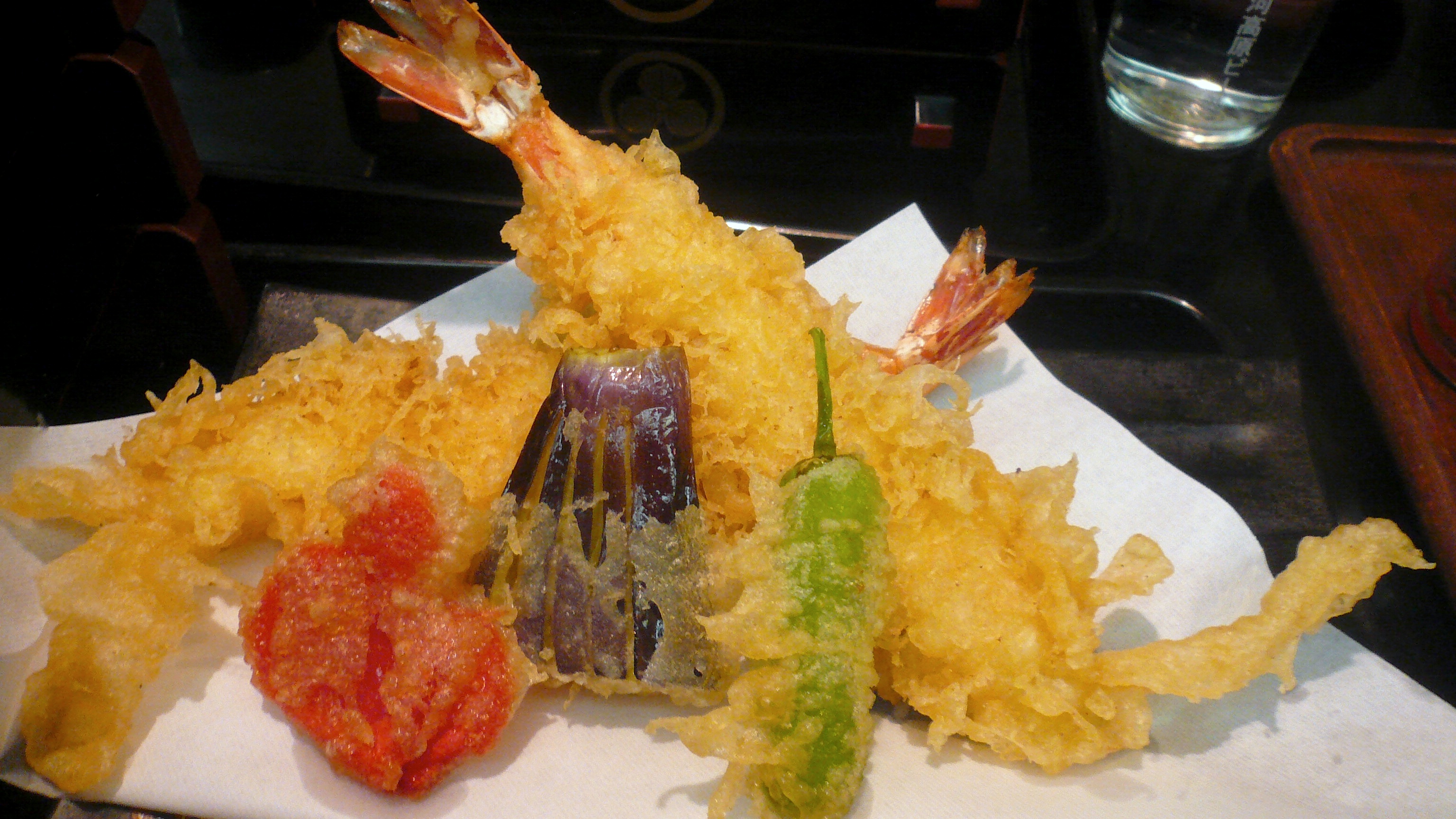
The foundation of exceptional tempura lies in the quality and freshness of its ingredients. The selection of seafood and vegetables plays a crucial role in determining the final taste and texture of the dish. When it comes to seafood, shrimp (ebi), squid (ika), and white fish (such as cod or whiting) are popular choices. Look for seafood that is firm, plump, and free of any fishy odor. Freshness is paramount, as it directly impacts the delicate flavor of the tempura.
For vegetables, the possibilities are endless. Classic options include:
- Eggplant: Choose firm, glossy eggplants with smooth skin.
- Sweet potato: Opt for smaller sweet potatoes, as they tend to be sweeter and cook more evenly.
- Bell peppers: Select peppers that are firm and brightly colored.
- Green beans: Ensure the beans are crisp and snap easily.
- Mushrooms: Shiitake and enoki mushrooms are excellent choices, offering unique textures and flavors.
Consider seasonal vegetables for the best flavor and quality. Preparing the ingredients properly is equally important. Seafood should be thoroughly cleaned, deveined (in the case of shrimp), and patted dry. Vegetables should be washed, trimmed, and cut into uniform sizes to ensure even cooking. Some vegetables, like sweet potatoes and carrots, may benefit from a brief parboiling to soften them slightly before frying. The key is to maintain a balance between tenderness and a slight crispness.
:max_bytes(150000):strip_icc()/basic-tempura-for-fish-and-seafood-1300531-hero-01-bbd91b4ee23940749fec5ab7693eadcc.jpg)
Making the Ideal Tempura Batter: A Step-by-Step Guide
The tempura batter is the soul of the dish, responsible for the light and airy coating that distinguishes tempura from other fried foods. The goal is to create a batter that is cold, thin, and only lightly coats the ingredients, allowing them to cook quickly and evenly without becoming greasy.
Here's a step-by-step guide to making the ideal tempura batter:
Some chefs add an egg yolk to the batter for richness and color, but this is optional. The key is to experiment and find what works best for your taste. Remember, the batter should be used immediately and not allowed to sit for too long, as it will lose its lightness.
Selecting the Best Cooking Oil for Authentic Tempura
The choice of cooking oil significantly impacts the flavor, texture, and overall quality of tempura. The ideal oil should have a high smoke point, a neutral flavor, and the ability to maintain a stable temperature during frying. Traditionally, a blend of sesame oil and vegetable oil is used in Japan. Sesame oil adds a subtle nutty aroma and flavor, while vegetable oil provides a clean base.
Other suitable options include:
- Canola oil: A good all-purpose oil with a neutral flavor and high smoke point.
- Grapeseed oil: Another neutral-flavored oil with a high smoke point and a light texture.
- Peanut oil: Offers a slightly nutty flavor and is a popular choice for deep-frying.
Avoid oils with strong flavors, such as olive oil, as they can overpower the delicate taste of the tempura. The oil temperature is critical. Aim for a temperature between 320°F and 340°F (160°C and 170°C). Use a deep-fry thermometer to monitor the temperature accurately. If the oil is too hot, the tempura will burn quickly on the outside while remaining uncooked on the inside. If the oil is not hot enough, the tempura will absorb too much oil and become soggy.
Tempura Variations and Modern Twists
Vegetarian Tempura: Expanding Beyond Seafood
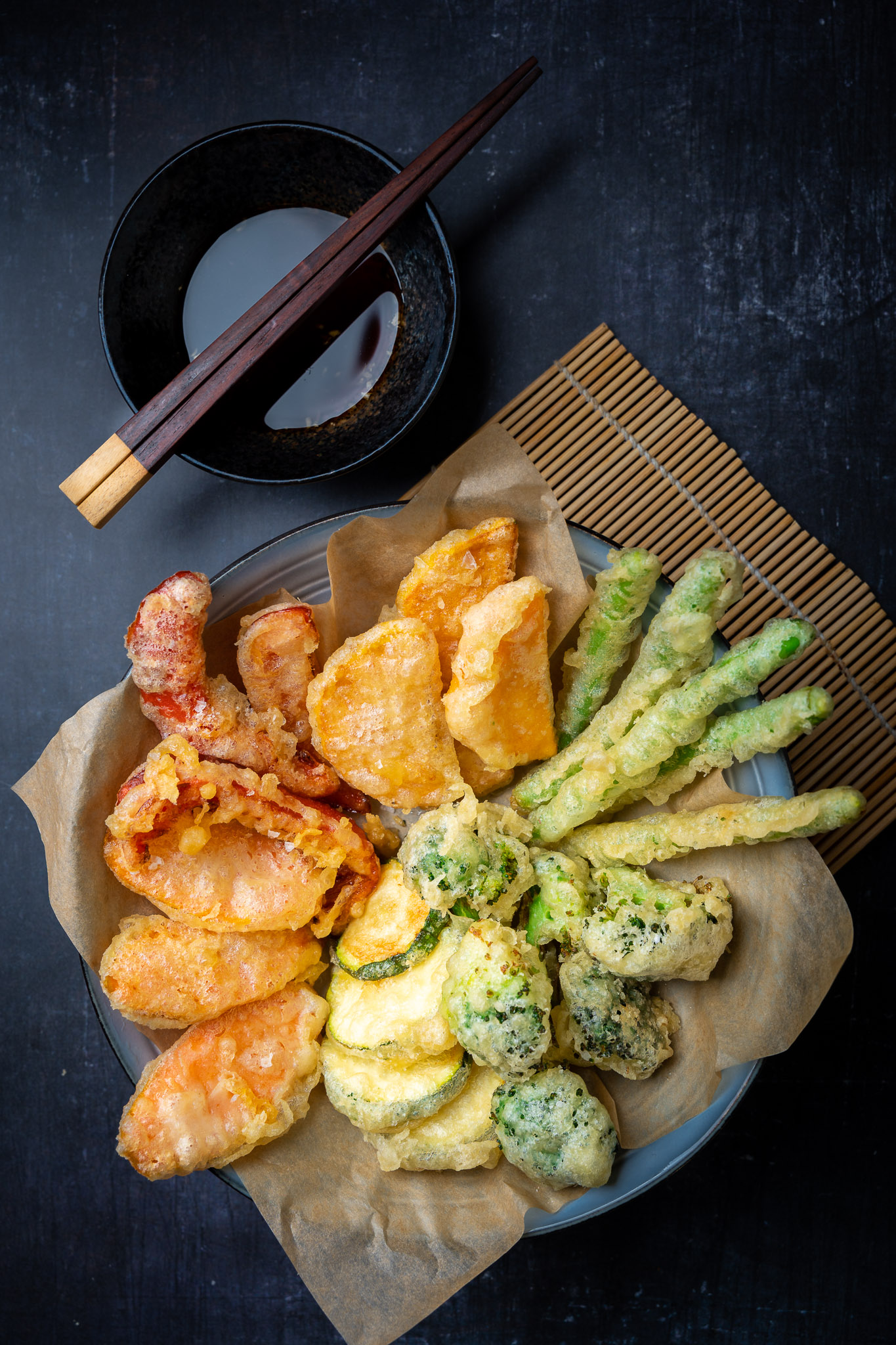
While seafood is a classic component of tempura, the dish lends itself beautifully to a wide array of vegetables. Vegetarian tempura offers a delightful alternative, showcasing the natural flavors and textures of seasonal produce. Some of the most popular vegetable choices include:
- Asparagus: Offers a slightly grassy flavor and a satisfying crunch.
- Broccoli florets: Provide a mild, earthy taste and a tender-crisp texture.
- Zucchini: Delicate and slightly sweet, zucchini cooks quickly and evenly.
- Onion rings: Add a touch of sweetness and a satisfying crispy texture.
- Lotus root: Offers a unique, slightly sweet flavor and a beautiful presentation.
When preparing vegetables for tempura, consider their cooking times and adjust the size and thickness accordingly. Dense vegetables like sweet potatoes and carrots may benefit from parboiling to ensure they cook through completely. Experiment with different combinations of vegetables to create your own signature vegetarian tempura platter.
Innovative Tempura Dishes and Fusion Cuisine
The versatility of tempura has inspired chefs around the world to create innovative dishes and fusion cuisines that push the boundaries of traditional Japanese cooking. From tempura-battered sushi rolls to tempura-topped pizzas, the possibilities are endless. One popular fusion dish is tempura tacos, where crispy tempura shrimp or vegetables are served in warm tortillas with a variety of toppings, such as salsa, guacamole, and pickled onions.
Another innovative approach is to use tempura as a coating for unconventional ingredients, such as ice cream or chocolate. Tempura ice cream, for example, involves quickly deep-frying a scoop of ice cream coated in tempura batter, creating a surprising contrast between the hot, crispy exterior and the cold, creamy interior.
These fusion dishes showcase the adaptability of tempura and its ability to complement a wide range of flavors and textures. By experimenting with different ingredients and techniques, you can create your own unique tempura creations that reflect your personal culinary style.
Tempura as a Street Food: Exploring Local Flavors
In Japan, tempura is not just a restaurant dish; it's also a popular street food, often served from food stalls and carts at festivals and markets. Street food tempura offers a more casual and accessible way to enjoy this beloved dish, with a focus on local flavors and regional specialties. One common street food variation is kakiage, a type of mixed tempura made with a combination of chopped vegetables and seafood.
Kakiage is typically formed into small patties and deep-fried until golden brown and crispy. It's often served with a dipping sauce or as a topping for rice bowls and noodle dishes. Another popular street food tempura is satsuma-age, a type of fried fish cake that originated in the Satsuma region of Japan. Satsuma-age is made with ground fish, vegetables, and seasonings, and then deep-fried until golden brown. It's a savory and satisfying snack that's perfect for enjoying on the go. Exploring the world of tempura street food is a great way to discover new flavors and experience the local culinary culture of Japan.
Troubleshooting Common Tempura Mistakes
Avoiding Soggy Tempura: Tips and Tricks
Soggy tempura is a common pitfall that can ruin the entire dish. The key to achieving crispy, non-greasy tempura is to minimize oil absorption during frying. Here are some tips and tricks to help you avoid soggy tempura:
- Use cold batter: As mentioned earlier, keeping the batter cold is crucial. Cold batter helps to prevent the ingredients from absorbing too much oil.
- Don't overcrowd the pan: Frying too many pieces of tempura at once will lower the oil temperature and cause the tempura to become soggy. Fry in small batches to maintain the optimal temperature.
- Drain excess oil: After frying, immediately transfer the tempura to a wire rack to drain excess oil. Avoid placing the tempura on paper towels, as they can trap steam and make the tempura soggy.
- Serve immediately: Tempura is best enjoyed immediately after frying, while it's still hot and crispy. If you need to keep it warm, place it in a preheated oven at a low temperature (around 200°F or 95°C).
Preventing Overcooking and Burning
Overcooked or burnt tempura is another common problem that can affect the taste and texture of the dish. To prevent overcooking, it's essential to monitor the oil temperature closely and adjust the cooking time accordingly. The ideal oil temperature is between 320°F and 340°F (160°C and 170°C). Use a deep-fry thermometer to ensure accuracy.
Different ingredients require different cooking times. Seafood and thinly sliced vegetables cook quickly, while denser vegetables like sweet potatoes and carrots may take longer. Remove the tempura from the oil when it's golden brown and crispy. Avoid letting it darken too much, as it will continue to cook after it's removed from the oil.
Maintaining Oil Quality and Preventing Splattering
Maintaining the quality of the cooking oil is essential for achieving consistent results and preventing splattering. As you fry tempura, small pieces of batter and food particles will inevitably fall into the oil. These particles can burn and affect the flavor of the oil. To prevent this, use a fine-mesh skimmer to remove any debris from the oil regularly. If the oil becomes dark or cloudy, it's time to change it.
Splattering is another common issue when deep-frying. To minimize splattering, make sure the ingredients are thoroughly dry before dipping them in the batter. Water droplets can cause the hot oil to splatter violently. You can also add a small amount of salt to the oil, which helps to reduce splattering. Always exercise caution when working with hot oil and wear appropriate safety gear, such as an apron and oven mitts.
Mastering the art of tempura requires practice, patience, and attention to detail. By following these tips and techniques, you can create delicious tempura that rivals the best restaurants. Experiment with different ingredients, flavors, and techniques to develop your own signature tempura style. With a little effort, you'll be able to impress your friends and family with this exquisite Japanese delicacy.


Messenger

Back to top