
Karaage, the quintessential Japanese fried chicken, is more than just a dish; it's a culinary experience. Known for its incredibly crispy exterior and juicy, flavorful interior, Karaage has captivated food lovers worldwide. This comprehensive guide delves into the history, characteristics, variations, and secrets to making perfect Karaage at home. Whether you're a seasoned cook or a kitchen novice, prepare to embark on a delicious journey into the heart of Japanese comfort food.

Exploring the World of Karaage
A Brief History of Karaage
The history of Karaage is intertwined with the culinary evolution of Japan. While deep-frying techniques were introduced to Japan much earlier, the modern version of Karaage as we know it today emerged in the early 20th century. It's believed that Karaage gained popularity after World War II, when there was a surplus of chicken available in the country. Restaurants and street vendors began experimenting with different marinades and cooking methods, leading to the diverse range of Karaage styles we see today.
The dish's name, "Karaage" (唐揚げ), suggests a connection to Chinese cuisine, as the first character, "Kara" (唐), traditionally refers to China or things of Chinese origin. However, Karaage is distinctly Japanese, having evolved independently with unique flavors and techniques.
The Key Characteristics of Karaage
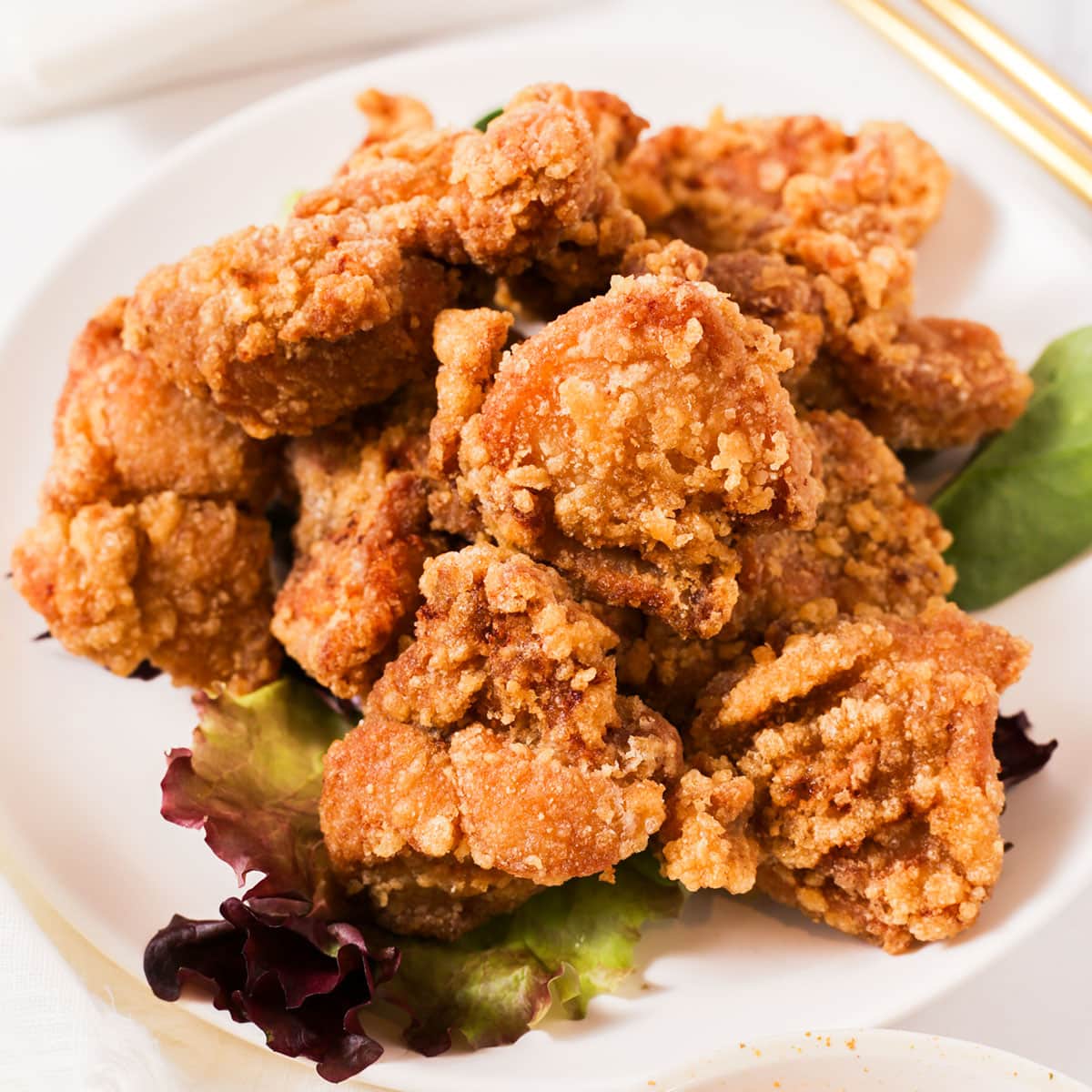
What sets Karaage apart from other fried chicken dishes? It's all about the preparation and the resulting texture and flavor. Here are the key characteristics:
- Size and Shape: Karaage is typically made with bite-sized pieces of chicken, making it easy to eat and perfect for sharing.
- Marinade: The chicken is marinated in a mixture of soy sauce, ginger, garlic, and sake (or mirin). This infuses the chicken with a savory and umami-rich flavor.
- Coating: Unlike heavily battered fried chicken, Karaage has a light coating of potato starch (katakuriko) or cornstarch. This results in a crispy, almost translucent crust when fried.
- Frying Technique: Karaage is often double-fried. The first fry cooks the chicken through, while the second fry creates the signature crispy texture.
Why Karaage is So Popular
Karaage's popularity stems from its delicious taste, satisfying texture, and versatility. It's a beloved dish in Japan, found everywhere from convenience stores to high-end restaurants. Here's why it's so popular:
- Flavor: The combination of savory marinade and crispy coating is irresistible.
- Texture: The contrast between the crispy exterior and juicy interior is incredibly satisfying.
- Versatility: Karaage can be enjoyed as a snack, a main course, or a bento box item. It pairs well with a variety of sauces and sides.
- Accessibility: It's relatively easy to make at home with simple ingredients.
Moreover, Karaage has successfully traveled beyond Japan, becoming a global phenomenon. Its appeal lies in its simplicity and the comforting familiarity of fried chicken, elevated by unique Japanese flavors. Many restaurants around the world now feature Karaage on their menus, catering to the growing demand for authentic and flavorful Japanese cuisine. The ease of adaptation also allows for fusion creations, blending Karaage with local flavors and ingredients, further expanding its reach and appeal.
Karaage Variations and Recipes
Classic Karaage Recipe
This recipe is the foundation for all Karaage variations. It's simple, straightforward, and delivers perfectly crispy and flavorful chicken every time.
Ingredients:
- 1 lb boneless, skinless chicken thighs, cut into bite-sized pieces
- 2 tbsp soy sauce
- 1 tbsp sake (or mirin)
- 1 tbsp grated ginger
- 1 clove garlic, minced
- 1/2 tsp sesame oil
- 1/2 cup potato starch (katakuriko) or cornstarch
- Vegetable oil, for frying
Instructions:
Tips for Success:
- Use chicken thighs for the best flavor and juiciness.
- Don't overcrowd the fryer, as this will lower the oil temperature and result in soggy chicken.
- Double-frying is essential for achieving maximum crispiness.
Spicy Karaage Recipe
For those who like a kick, this spicy Karaage recipe adds a fiery twist to the classic dish. The addition of chili peppers and spices creates a bold and flavorful experience.
Ingredients:
- 1 lb boneless, skinless chicken thighs, cut into bite-sized pieces
- 2 tbsp soy sauce
- 1 tbsp sake (or mirin)
- 1 tbsp grated ginger
- 1 clove garlic, minced
- 1/2 tsp sesame oil
- 1 tsp chili powder
- 1/2 tsp cayenne pepper
- 1/4 tsp black pepper
- 1/2 cup potato starch (katakuriko) or cornstarch
- Vegetable oil, for frying
Instructions:
Tips for Success:
- Adjust the amount of chili powder and cayenne pepper to your desired level of spiciness.
- Consider adding a pinch of smoked paprika for a deeper, more complex flavor.
- Serve with a cooling dipping sauce, such as a spicy mayonnaise or a yogurt-based sauce.
Vegan Karaage Recipe
For vegetarians and vegans, this recipe offers a plant-based alternative to traditional Karaage. Using tofu or other meat substitutes, this recipe captures the essence of Karaage without any animal products.
Ingredients:
- 1 block firm or extra-firm tofu, pressed and cut into bite-sized pieces
- 2 tbsp soy sauce
- 1 tbsp sake (or mirin)
- 1 tbsp grated ginger
- 1 clove garlic, minced
- 1/2 tsp sesame oil
- 1/2 cup potato starch (katakuriko) or cornstarch
- Vegetable oil, for frying
Instructions:
Tips for Success:
- Use firm or extra-firm tofu for the best texture.
- Press the tofu thoroughly to remove as much water as possible.
- Consider adding a sheet of nori seaweed to the marinade for a fish-like flavor.
- Serve with a vegan-friendly dipping sauce, such as a sweet chili sauce or a peanut sauce.
Beyond these three core recipes, the world of Karaage is ripe for experimentation. Consider adding different spices, herbs, or sauces to create your own unique variations. Some popular additions include lemon zest, curry powder, or a drizzle of honey. The possibilities are endless, so don't be afraid to get creative and explore new flavor combinations. You might even discover your own signature Karaage recipe that becomes a family favorite.
:max_bytes(150000):strip_icc()/chicken-karaage-FT-RECIPE0621-7c333f0a5c2141e08f0e7f7b9fc1c5de.jpg)
Tips and Tricks for Perfect Karaage
Choosing the Right Chicken
The type of chicken you use can significantly impact the final result. While boneless, skinless chicken thighs are the most commonly used cut, other options can also work well. Here's a breakdown:
- Chicken Thighs: This is the preferred choice for Karaage. Chicken thighs are more flavorful and remain juicy even after being fried.
- Chicken Breast: While chicken breast can be used, it tends to be drier than chicken thighs. If using chicken breast, be careful not to overcook it.
- Chicken Wings: Chicken wings can also be used for Karaage, but they require a slightly different cooking time. Be sure to cook them until they are fully cooked through.
Regardless of the cut you choose, make sure to use high-quality chicken. Fresh, locally sourced chicken will always yield the best results. Avoid using chicken that is past its expiration date or has an off-putting smell.
Achieving Maximum Crispiness
The key to perfect Karaage is achieving maximum crispiness. Here are some tips and tricks to help you achieve that coveted crunch:
- Use Potato Starch or Cornstarch: Potato starch (katakuriko) is the traditional choice for Karaage, but cornstarch can also be used. Both starches create a light, crispy coating.
- Double-Fry: Double-frying is essential for achieving maximum crispiness. The first fry cooks the chicken through, while the second fry creates the crispy texture.
- Don't Overcrowd the Fryer: Overcrowding the fryer will lower the oil temperature and result in soggy chicken. Fry the chicken in batches to ensure it cooks evenly and remains crispy.
- Use the Right Oil Temperature: Maintaining the correct oil temperature is crucial. The first fry should be done at 325°F (160°C), while the second fry should be done at 350°F (175°C).
- Let the Chicken Rest: After each fry, let the chicken rest on a wire rack. This allows excess oil to drain off and helps the chicken retain its crispiness.
Another technique to consider is the use of a dry brine. Before marinating the chicken, sprinkle it with salt and let it sit in the refrigerator for a few hours. This helps to draw out moisture and allows the chicken to absorb the marinade more effectively, resulting in a juicier and more flavorful final product. Experiment with different techniques to find what works best for you and your equipment.
Serving Suggestions and Pairings
Karaage is a versatile dish that can be enjoyed in a variety of ways. Here are some serving suggestions and pairings:
- Dipping Sauces: Karaage is often served with a dipping sauce. Popular choices include mayonnaise, lemon wedges, sweet chili sauce, or a soy-ginger dipping sauce.
- Sides: Karaage pairs well with a variety of sides, such as rice, miso soup, pickled vegetables, or a simple salad.
- Bento Boxes: Karaage is a popular item in bento boxes. It's easy to pack and transport, making it a convenient option for lunch or a picnic.
- Garnishes: Garnish Karaage with a sprinkle of sesame seeds, chopped green onions, or a squeeze of lemon juice.
Consider pairing Karaage with Japanese beer or sake for an authentic culinary experience. The crisp, clean flavors of Japanese beverages complement the richness of the fried chicken perfectly. Alternatively, try pairing it with a refreshing glass of iced green tea or a sparkling citrus beverage. Ultimately, the best pairing is the one that you enjoy the most, so don't be afraid to experiment and discover new flavor combinations.
Mastering the art of Karaage is a rewarding culinary journey. By understanding its history, characteristics, and the techniques for achieving maximum crispiness, you can create a dish that is both delicious and satisfying. Whether you prefer the classic recipe or a spicy or vegan variation, Karaage is a versatile and crowd-pleasing dish that is sure to impress. So, gather your ingredients, follow these tips and tricks, and embark on your own Karaage adventure. With a little practice and patience, you'll be able to create perfect Japanese fried chicken that rivals anything you can find in a restaurant.


Messenger

Back to top