
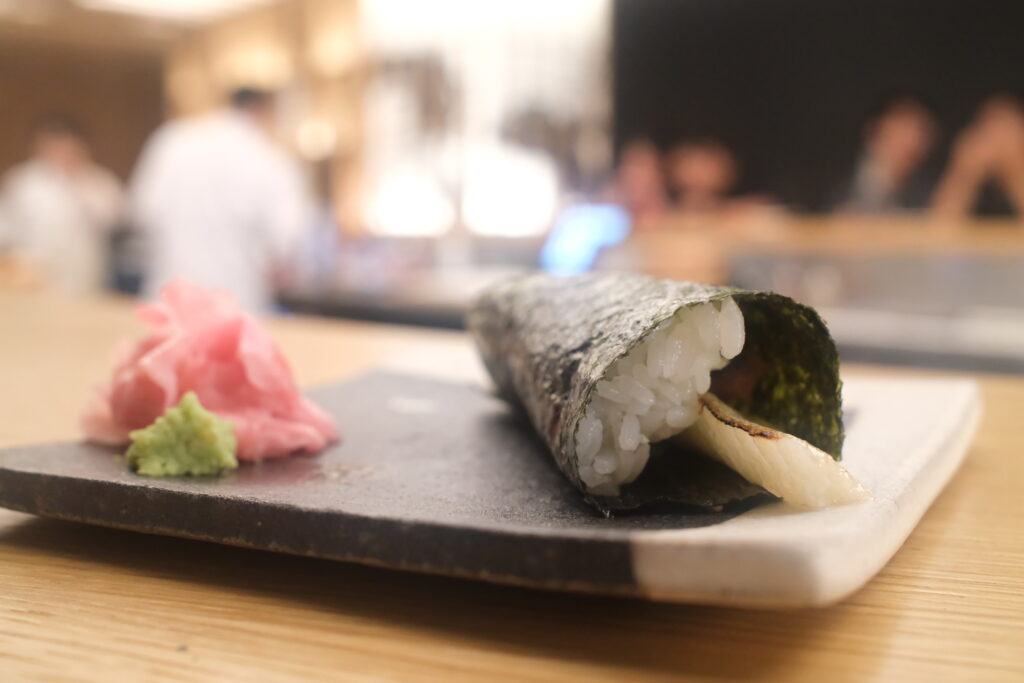
Temaki Omakase offers a unique and interactive dining experience, blending the artistry of Omakase with the casual fun of hand-rolled sushi. This approach allows diners to explore a curated selection of flavors and textures, all while engaging directly with the culinary process. From the perfectly seasoned sushi rice to the freshest cuts of seafood, every element contributes to a harmonious and memorable meal. Let’s explore the exquisite world of Temaki Omakase.

Delving into the Art of Temaki Omakase
Temaki Omakase is more than just a meal; it's a culinary performance. The chef carefully selects each ingredient, guiding diners through a personalized tasting menu that highlights the best of the season. This intimate setting encourages interaction and allows for a deeper appreciation of the craftsmanship involved.
Understanding Sushi Rice and Nori
The foundation of any great Temaki lies in the quality of its sushi rice and nori. Sushi rice, or shari, requires a delicate balance of short-grain rice, vinegar, sugar, and salt. The rice must be cooked to perfection, with each grain retaining its individual shape while still clumping together. Seasoning is crucial; the vinegar mixture not only adds flavor but also acts as a preservative.
Nori, the dried seaweed sheet, provides the wrapper for the Temaki. Its quality is judged by its color, texture, and aroma. High-quality nori should be a deep, almost black-green, with a crisp texture that snaps easily. It should also have a slightly sweet, marine-like aroma. The quality of nori significantly impacts the overall taste and texture of the hand roll.
Here are factors that determine the quality of nori:
- Color: Deep, black-green indicates high quality.
- Texture: Crisp and easily snaps.
- Aroma: Slightly sweet, marine-like scent.
Selecting the Freshest Seafood
The star of Temaki Omakase is undoubtedly the seafood. Chefs meticulously source the freshest, highest-quality fish and shellfish, often working directly with local fishermen or trusted suppliers. The selection process is rigorous, with an emphasis on seasonality and sustainability. Common choices include tuna, salmon, yellowtail, scallops, and shrimp, each offering a unique flavor profile and texture.
The freshness of the seafood is paramount. Chefs look for signs of quality, such as vibrant color, firm texture, and a clean, ocean-like smell. Proper handling and storage are also essential to maintain freshness and prevent spoilage. The choice of seafood can vary depending on the season and availability, ensuring that diners experience the best that nature has to offer.
Tips for selecting fresh seafood:
- Look for vibrant color and firm texture.
- Ensure a clean, ocean-like smell.
- Check for seasonality and sustainability.
Mastering the Art of Temaki Rolling
Rolling Temaki is an art form that requires practice and precision. The goal is to create a cone-shaped hand roll that is both visually appealing and structurally sound. The process begins with placing a sheet of nori in the palm of your hand, followed by a small mound of sushi rice. The rice is then topped with the selected seafood and other ingredients, such as vegetables, sauces, or garnishes.
The rolling technique involves folding one corner of the nori over the rice and tucking it underneath, creating a cone shape. The roll is then gently pressed to seal the edges and ensure that the ingredients are securely held in place. A well-rolled Temaki should be easy to hold and eat, with the ingredients evenly distributed throughout. Mastering this technique allows for a personalized and interactive dining experience.
Steps for perfect Temaki rolling:
The Allure of Omakase
Omakase, meaning “I’ll leave it to you,” is a Japanese dining style where the chef selects and serves dishes based on their expertise and the availability of the freshest ingredients. This approach allows for a more intimate and personalized dining experience, as the chef tailors the meal to the diner’s preferences and dietary restrictions.
The Element of Surprise and Discovery
One of the most appealing aspects of Omakase is the element of surprise. Diners relinquish control over the menu, placing their trust in the chef to curate a selection of dishes that showcase their skills and creativity. This can lead to unexpected discoveries, as diners are exposed to new flavors and ingredients that they might not otherwise have tried. The surprise element of Omakase adds excitement and anticipation to the meal, making it a truly memorable experience.
The benefits of embracing the surprise:
- Exposure to new flavors and ingredients.
- A sense of excitement and anticipation.
- Trust in the chef's expertise and creativity.
Building Trust with the Chef
Omakase is built on a foundation of trust between the diner and the chef. Diners trust that the chef will select the best ingredients and prepare them with skill and care. In turn, the chef relies on the diner to be open-minded and receptive to new experiences. This mutual respect creates a unique and intimate dining environment, where the chef can showcase their talents and the diner can fully appreciate the artistry of the cuisine.
Building trust with the chef involves communicating your preferences and dietary restrictions, as well as being open to trying new things. It also means respecting the chef’s expertise and allowing them to guide you through the meal. The relationship with the chef is central to the Omakase experience.
Experiencing Seasonal Ingredients
Seasonality is a key consideration in Omakase dining. Chefs prioritize the use of ingredients that are at their peak flavor and freshness, often sourcing them directly from local farms or fishermen. This ensures that diners experience the best that each season has to offer, from the delicate sweetness of spring vegetables to the rich, umami flavors of autumn seafood. The emphasis on seasonal ingredients elevates the dining experience, making each meal a unique and memorable celebration of nature’s bounty.
Benefits of seasonal ingredients:
- Peak flavor and freshness.
- Support for local farms and fishermen.
- A unique and memorable dining experience.
Temaki Omakase: A Sustainable Choice
In recent years, there has been a growing awareness of the environmental impact of food production and consumption. Temaki Omakase offers a sustainable alternative to traditional dining, with an emphasis on responsible sourcing, waste reduction, and support for local communities. By making conscious choices about the ingredients they use and the way they operate, Temaki Omakase restaurants can contribute to a more sustainable food system.
Supporting Local and Responsible Fisheries
One of the most important ways that Temaki Omakase restaurants can promote sustainability is by supporting local and responsible fisheries. This means sourcing seafood from fishermen who use sustainable fishing practices, such as line-caught or trap-caught methods, and who avoid overfishing or damaging sensitive marine ecosystems. By supporting local fisheries, restaurants can help to ensure the long-term health of fish populations and the livelihoods of fishing communities.
Benefits of supporting local fisheries:
- Ensures the long-term health of fish populations.
- Supports the livelihoods of fishing communities.
- Reduces the environmental impact of transportation.
Reducing Food Waste with Omakase
Omakase dining naturally lends itself to waste reduction. Because the chef carefully selects and portions each dish, there is less likelihood of over-ordering or food being left uneaten. Additionally, chefs often utilize every part of the ingredients, minimizing waste and maximizing flavor. For example, fish bones can be used to make broth, and vegetable scraps can be pickled or fermented. The Omakase dining style inherently promotes mindful consumption and reduces food waste.
Strategies for reducing food waste:
- Careful portioning of dishes.
- Utilization of all parts of ingredients.
- Mindful consumption practices.
The Future of Sustainable Sushi Dining
The future of sushi dining lies in embracing sustainability and responsible practices. Temaki Omakase restaurants are leading the way by prioritizing local sourcing, waste reduction, and community support. As consumers become more aware of the environmental impact of their food choices, they will increasingly seek out restaurants that align with their values. This will drive further innovation and adoption of sustainable practices within the sushi industry, ensuring that future generations can enjoy this beloved cuisine without compromising the health of the planet. The future of sustainable sushi is bright, and Temaki Omakase is at the forefront of this movement.
Temaki Omakase represents a delightful intersection of culinary artistry, personalized dining, and sustainable practices. By emphasizing fresh, seasonal ingredients, fostering trust with the chef, and minimizing waste, it offers a dining experience that is both enjoyable and responsible. As the demand for sustainable dining options continues to grow, Temaki Omakase is poised to play a leading role in shaping the future of the culinary landscape.


Messenger

Back to top