
The evolution of omakase, a Japanese dining experience where the customer trusts the chef to select and serve a personalized menu, is a fascinating journey through culinary history and cultural shifts. From its humble origins in Edo-era Japan to its current status as a globally recognized and highly refined culinary art form, omakase reflects changing economic conditions, evolving culinary techniques, and a deepening appreciation for seasonal ingredients and the chef's expertise. This article explores the key stages in the development of omakase, examining its roots, its transformation during Japan's post-war economic growth, its globalization, and its modern interpretation as a unique and interactive dining experience.

The Evolution of Omakase: From Humble Beginnings to Culinary Art
The Origins of Omakase in Edo-Era Japan
The concept of omakase, which translates to "I'll leave it up to you," emerged during the Edo period (1603-1868) in Japan. At this time, dining out was becoming more common, and customers began to rely on chefs for their expertise in selecting the freshest and best ingredients available. This was particularly true in sushi restaurants, where the quality of fish varied greatly depending on the season and the catch of the day.
During the Edo period, sushi was primarily sold as a quick and affordable street food. The fast-paced environment and limited refrigeration meant customers relied on the chef's judgment to choose safe and delicious options. Omakase began as a practical solution, fostering a relationship of trust between the chef and the diner. Chefs would use their knowledge of the market and their culinary skills to create a satisfying meal, even when specific ingredients were scarce or of lower quality.
The early forms of omakase were less about elaborate presentations and more about providing a reliable and enjoyable dining experience. It was a way for chefs to showcase their skill in selecting and preparing ingredients, and for customers to enjoy a meal without having to navigate the complexities of the market themselves. This foundational trust and reliance on the chef's expertise laid the groundwork for the more refined and artistic omakase experiences that would develop later.
The Influence of Post-War Economic Growth
Japan's post-World War II economic boom significantly impacted the evolution of omakase. As the country prospered, so did the dining culture, with people having more disposable income and a greater desire for higher-quality culinary experiences. This led to a shift in omakase from a practical solution to a more sophisticated and artistic expression of Japanese cuisine.
With increased affluence, customers became more discerning and willing to pay for premium ingredients and exceptional service. Sushi chefs, in turn, had access to a wider range of high-quality seafood and were able to experiment with new techniques and presentations. The emphasis shifted from simply providing a meal to creating a memorable and unique dining experience.
The post-war era also saw the rise of specialized sushi restaurants that focused on omakase. These establishments often featured intimate settings, such as small sushi counters, where the chef could interact directly with customers and tailor the meal to their individual preferences. This personalized approach further elevated the omakase experience, transforming it into a form of culinary theater.
Furthermore, economic growth facilitated the development of transportation and refrigeration technologies, which allowed chefs to source ingredients from all over Japan and even from overseas. This access to a wider variety of seasonal and exotic ingredients further fueled the creativity and innovation of omakase chefs.

Omakase's Globalization and Adaptation
The late 20th and early 21st centuries witnessed the globalization of Japanese cuisine, with sushi and omakase gaining popularity around the world. As omakase expanded beyond Japan, it underwent further adaptation and evolution, influenced by local ingredients, culinary traditions, and customer preferences.
In many Western countries, omakase has become synonymous with high-end sushi dining. Restaurants offering omakase experiences often command premium prices, reflecting the quality of ingredients, the skill of the chef, and the exclusivity of the experience. The globalization of omakase has also led to creative interpretations of the traditional format, with chefs incorporating local ingredients and culinary techniques into their omakase menus.
For example, in coastal regions of the United States, omakase menus might feature locally caught seafood alongside traditional Japanese ingredients. Chefs may also experiment with different flavor combinations and presentations, blending Japanese techniques with Western culinary styles. This fusion of culinary traditions has resulted in a diverse range of omakase experiences that cater to local tastes and preferences.
However, with globalization comes the risk of diluting the original essence of omakase. Some critics argue that certain interpretations of omakase prioritize spectacle over substance, focusing on elaborate presentations and exotic ingredients at the expense of the fundamental principles of seasonality, quality, and chef-customer interaction. Maintaining the integrity of omakase in the face of globalization remains a challenge for chefs and diners alike.
Key Stages in Omakase's Development
The Rise of Sushi Counters and Skilled Chefs
A pivotal moment in the evolution of omakase was the emergence of sushi counters as the focal point of the dining experience. The sushi counter provides a stage for the chef to showcase their skills, interact directly with customers, and create a personalized meal based on their preferences and dietary needs. This intimate setting fosters a sense of trust and connection between the chef and the diner, which is essential to the omakase experience.
The rise of sushi counters also coincided with the development of specialized training and apprenticeship programs for sushi chefs. These programs emphasize not only technical skills, such as knife work and fish preparation, but also a deep understanding of Japanese culinary philosophy, including the importance of seasonality, respect for ingredients, and attention to detail.
Skilled chefs are able to assess the quality of ingredients, understand their flavor profiles, and combine them in a way that creates a harmonious and balanced meal. They also possess the ability to adapt to changing conditions, such as the availability of ingredients or the preferences of their customers. This adaptability and expertise are crucial to delivering a truly exceptional omakase experience.
The best omakase chefs are not simply skilled technicians; they are also artists and storytellers. They use their culinary creations to express their creativity, share their knowledge of Japanese cuisine, and create a memorable dining experience for their customers. The sushi counter serves as their canvas, and the omakase menu is their masterpiece.
Emphasis on Seasonal Ingredients and Presentation
The emphasis on seasonal ingredients, known as shun in Japanese, is a defining characteristic of omakase. Shun refers to the peak season for a particular ingredient, when it is at its freshest, most flavorful, and most nutritious. Omakase chefs prioritize the use of seasonal ingredients to ensure that their customers are experiencing the best that nature has to offer.
The concept of seasonality is deeply rooted in Japanese culture, where there is a strong appreciation for the natural world and the changing of the seasons. Omakase menus often reflect this appreciation, with dishes that highlight the unique flavors and textures of each season. For example, spring might feature delicate white fish and young vegetables, while autumn might showcase richer flavors such as fatty tuna and matsutake mushrooms.
Presentation is also a crucial aspect of omakase. Chefs carefully arrange each dish to create a visually appealing and harmonious composition. They use a variety of techniques, such as precise knife cuts, artistic plating, and the use of edible garnishes, to enhance the aesthetic appeal of the meal.
The presentation of omakase is not simply about aesthetics; it is also about conveying the chef's respect for the ingredients and their dedication to their craft. A beautifully presented dish demonstrates the chef's attention to detail and their desire to create a memorable and enjoyable dining experience for their customers.
Introduction of New Techniques and Flavors
The evolution of omakase has also been driven by the introduction of new techniques and flavors. While traditional Japanese techniques remain at the core of omakase, chefs are constantly experimenting with new methods and ingredients to create innovative and exciting dishes.
One example is the use of aging techniques to enhance the flavor and texture of fish. Dry-aging, a technique borrowed from the world of steak, involves storing fish in a controlled environment for a period of time, which allows the enzymes to break down the proteins and fats, resulting in a more intense and complex flavor.
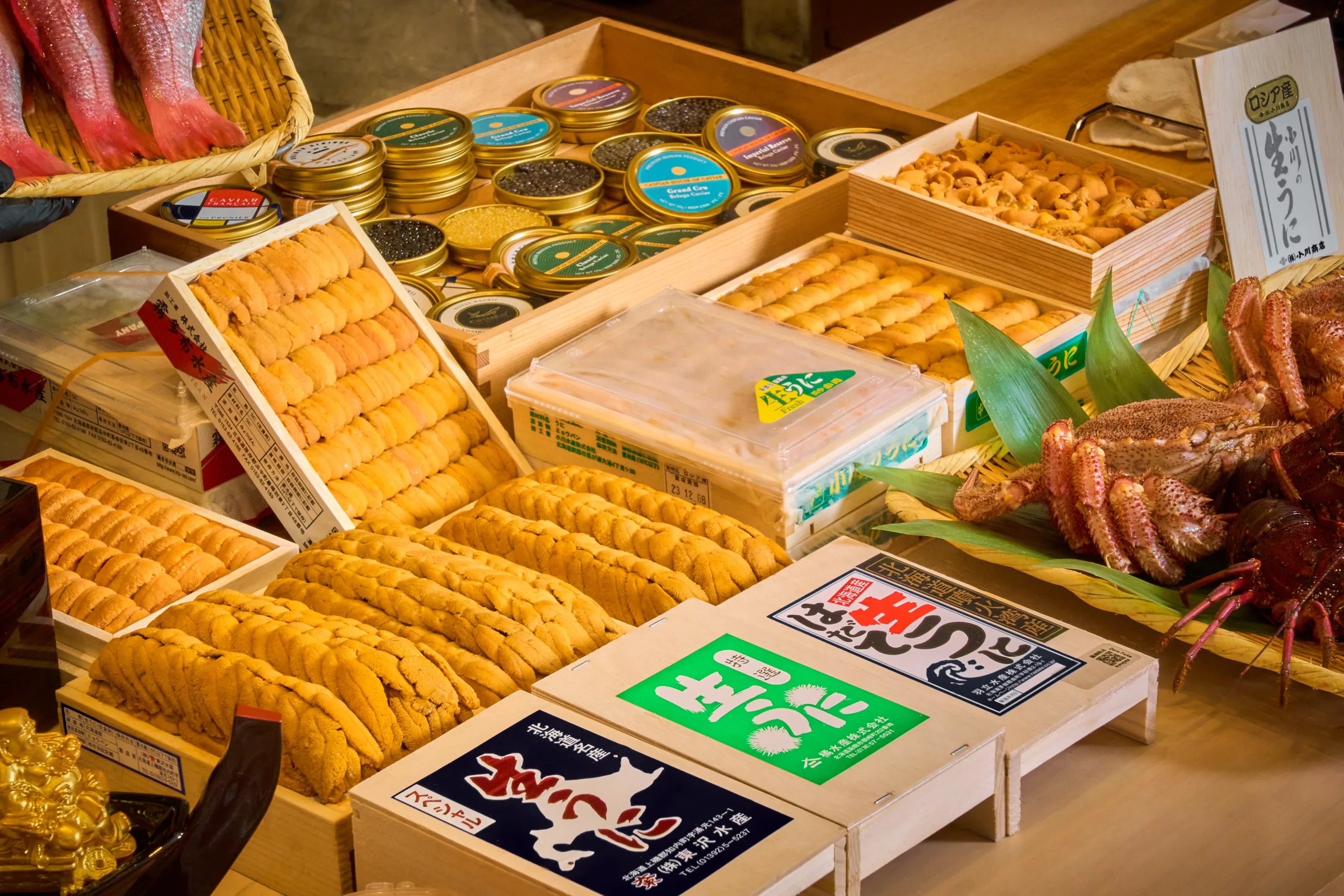
Another trend in omakase is the incorporation of ingredients and flavors from other cuisines. Chefs may use ingredients such as truffle oil, foie gras, or caviar to add a touch of luxury and sophistication to their omakase menus. They may also experiment with different flavor combinations, such as pairing Japanese ingredients with Western sauces or spices.
However, the introduction of new techniques and flavors must be done with care and consideration. The goal is not to simply create novelty or shock value, but to enhance the overall dining experience and showcase the chef's creativity and skill. The best omakase chefs are able to blend traditional techniques with modern innovations, creating a menu that is both familiar and exciting.
The Modern Omakase Experience
The Chef as Artist and Storyteller
In the modern omakase experience, the chef takes on the role of both artist and storyteller. They use their culinary skills to create a unique and personalized meal that reflects their individual style and philosophy. They also share their knowledge of Japanese cuisine, the origins of the ingredients, and the techniques they use to prepare the dishes.
The chef's interaction with the customer is an integral part of the omakase experience. They engage in conversation, answer questions, and tailor the meal to the customer's preferences and dietary needs. This personalized approach creates a sense of connection and trust between the chef and the diner, enhancing the overall enjoyment of the meal.
The best omakase chefs are able to create a narrative through their food. They carefully select each ingredient and dish to tell a story, whether it is about the changing seasons, the history of Japanese cuisine, or their own personal experiences. This storytelling aspect of omakase elevates it beyond a simple meal and transforms it into a cultural and artistic experience.
The chef's artistry extends beyond the food itself to the overall ambiance of the restaurant. From the decor to the music to the service, every detail is carefully considered to create a harmonious and immersive dining experience. The modern omakase restaurant is a carefully curated space that is designed to stimulate the senses and enhance the enjoyment of the meal. Consider exploring omakase as a way to expand your culinary horizons.
The Importance of Customer Interaction and Trust
Customer interaction and trust are essential components of the modern omakase experience. The chef relies on the customer to communicate their preferences, dietary restrictions, and any allergies they may have. In turn, the customer trusts the chef to use their expertise and judgment to create a meal that is both safe and enjoyable.
The level of interaction between the chef and the customer can vary depending on the restaurant and the chef's style. Some chefs prefer to engage in extensive conversations, explaining each dish in detail and answering questions about the ingredients and techniques. Others take a more hands-off approach, allowing the food to speak for itself.
Regardless of the level of interaction, trust is paramount. The customer must trust that the chef is using high-quality ingredients, preparing the food safely, and taking their preferences into account. The chef, in turn, must trust that the customer is being honest about their dietary needs and is open to trying new and different things.
The relationship between the chef and the customer is a dynamic and evolving one. As the meal progresses, the chef can adjust the menu based on the customer's reactions and feedback. This personalized approach ensures that each omakase experience is unique and tailored to the individual diner.
The Future of Omakase: Innovation and Sustainability
The future of omakase is likely to be shaped by two key factors: innovation and sustainability. As chefs continue to experiment with new techniques and flavors, they will also need to consider the environmental impact of their ingredients and practices.
Sustainability is becoming increasingly important in the culinary world, as consumers become more aware of the environmental and social costs of food production. Omakase chefs are beginning to address these concerns by sourcing ingredients from sustainable fisheries, reducing food waste, and minimizing their carbon footprint.
Innovation will also play a crucial role in the future of omakase. Chefs will continue to explore new techniques, flavor combinations, and presentations to create unique and exciting dining experiences. They may also incorporate technology, such as 3D printing or molecular gastronomy, to push the boundaries of culinary creativity.
However, it is important to remember that innovation should not come at the expense of tradition. The best omakase chefs will be able to blend modern innovations with traditional Japanese techniques, preserving the essence of omakase while pushing it forward into the future. Consumers are encouraged to support sustainable restaurants to promote responsible dining.
The evolution of omakase is a testament to the enduring power of Japanese culinary traditions and the creativity and skill of its chefs. From its humble beginnings as a practical solution to its current status as a globally recognized culinary art form, omakase continues to evolve and adapt, reflecting changing economic conditions, culinary trends, and customer preferences. As we look to the future, it is clear that omakase will continue to be a source of innovation, inspiration, and culinary delight for generations to come. Experiencing authentic Japanese cuisine like omakase offers a unique cultural immersion.


Messenger

Back to top