
Vietnamese cuisine, celebrated globally for its vibrant flavors and health-conscious approach, hinges significantly on the quality and freshness of its ingredients. More than just a culinary style, it's a reflection of the country's agricultural abundance and culinary philosophy. The emphasis on fresh herbs, crisp vegetables, and lean proteins creates dishes that are not only delicious but also nourishing. This article delves into the heart of Vietnamese cooking, exploring why fresh ingredients are not merely a preference but an essential element in achieving authentic and flavorful results. We will also examine the historical influences that have shaped this culinary tradition and provide insights into key ingredients and their roles. Finally, we'll guide you through creating iconic Vietnamese dishes, highlighting the importance of sourcing the freshest possible ingredients.
The Art of Vietnamese Cooking: A Focus on Freshness
Vietnamese cooking is a symphony of flavors and textures, a delicate balance of sweet, sour, salty, spicy, and umami. This balance is achieved through the skillful use of fresh ingredients, each contributing its unique essence to the final dish. Unlike some cuisines that rely heavily on preserved or processed foods, Vietnamese cuisine celebrates the natural flavors of its components. From the aromatic herbs to the crisp vegetables and the tender meats, every ingredient is carefully selected for its quality and freshness. This commitment to freshness is what sets Vietnamese cuisine apart and makes it so appealing to food lovers worldwide.
Why Fresh Ingredients are Paramount in Vietnamese Cuisine
Freshness isn't just about taste; it's about health and nutrition. Fresh ingredients retain more of their vitamins, minerals, and antioxidants, making Vietnamese dishes not only delicious but also beneficial for well-being. Moreover, fresh ingredients offer a superior sensory experience. The vibrant colors, enticing aromas, and crisp textures of fresh produce elevate the dining experience, making each bite a delight. In Vietnamese cuisine, where dishes are often served with a variety of raw herbs and vegetables, the freshness of these components is particularly crucial. They provide a counterpoint to the richer elements of the dish, creating a harmonious balance of flavors and textures.

The Impact of Colonialism on Vietnamese Food Culture
Vietnamese cuisine has been shaped by a complex history, including a period of French colonialism. While often associated with negative impacts, colonialism also introduced new ingredients and cooking techniques that have been integrated into Vietnamese food culture. For example, the French introduced ingredients such as baguettes, coffee, and asparagus, which have become staples in Vietnamese cuisine. The banh mi, a Vietnamese sandwich made with a baguette, pate, and various fillings, is a testament to this culinary fusion. Similarly, coffee has become an integral part of Vietnamese daily life, enjoyed in various forms, such as cà phê sữa đá (iced coffee with condensed milk). While Vietnamese chefs adapted these ingredients and techniques to suit local tastes and preferences, resulting in a unique and flavorful culinary landscape, maintaining a connection to the land and its bounty remained the core.
A Brief History of Vietnamese Cuisine
The history of Vietnamese cuisine is deeply intertwined with the country's agricultural practices and cultural traditions. Rice cultivation has been a cornerstone of Vietnamese society for centuries, and rice and rice-based products, such as rice noodles and rice paper, are essential components of many Vietnamese dishes. The country's diverse geography, ranging from mountainous regions to fertile deltas, has also contributed to the variety of ingredients used in Vietnamese cooking. Each region boasts its unique specialties, reflecting the local climate, soil conditions, and cultural influences. Northern Vietnamese cuisine, for example, tends to be more subtle in flavor, while Southern Vietnamese cuisine is often sweeter and more heavily influenced by Cambodian and Thai flavors. The central region is known for its spicy dishes and intricate presentation. Over time, Vietnamese cuisine has evolved, incorporating influences from neighboring countries and colonial powers, while retaining its distinct identity.
Exploring Essential Fresh Ingredients
The foundation of Vietnamese cuisine lies in its essential fresh ingredients. These ingredients, carefully selected for their quality and flavor, form the building blocks of countless Vietnamese dishes. From the aromatic herbs to the crisp vegetables and the flavorful sauces, each ingredient plays a crucial role in creating the unique and balanced flavors that characterize Vietnamese cooking.
Lemongrass, Mint, and Cilantro: The Herb Trio
These herbs are indispensable in Vietnamese cuisine, adding freshness and complexity to dishes. Lemongrass provides a citrusy and slightly floral aroma, while mint offers a cooling and refreshing flavor. Cilantro, with its distinctive and slightly peppery taste, adds a bright and vibrant note. These herbs are often used in combination, creating a symphony of aromas and flavors that elevate the dining experience. They are typically added fresh, either as a garnish or as an ingredient in salads, spring rolls, and other dishes.
- Lemongrass: Adds citrusy and floral notes.
- Mint: Provides a cooling and refreshing flavor.
- Cilantro: Offers a bright and slightly peppery taste.
Ginger, Garlic, and Chili: The Aromatic Base
This trio forms the aromatic foundation of many Vietnamese dishes, adding depth and complexity to the flavor profile. Ginger provides a warm and slightly spicy note, while garlic offers a pungent and savory aroma. Chili adds heat and intensity, ranging from mild to fiery, depending on the variety used. These ingredients are typically sautéed in oil to release their aromas before other ingredients are added, creating a flavorful base for soups, stir-fries, and marinades.
- Ginger: Adds warmth and a hint of spice.
- Garlic: Provides a pungent and savory aroma.
- Chili: Delivers heat and intensity.
Rice Noodles and Fresh Vegetables: Staple Ingredients
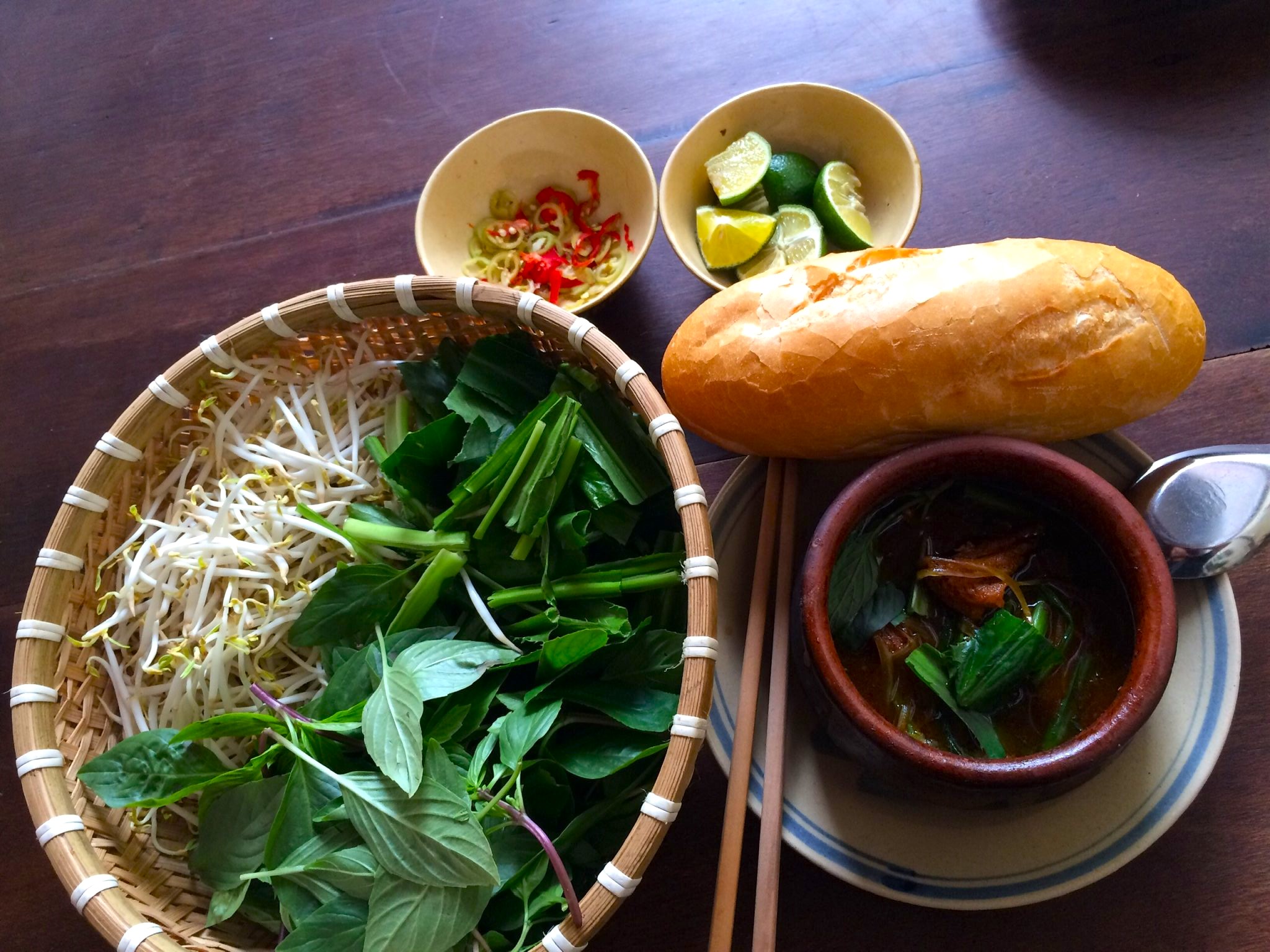
Rice noodles and fresh vegetables are essential components of Vietnamese cuisine, providing texture, nutrients, and a refreshing element to dishes. Rice noodles come in various shapes and sizes, from thin vermicelli to wide rice noodles, each suited to different preparations. Fresh vegetables, such as bean sprouts, lettuce, cucumbers, and herbs, are often served raw, adding a crisp and vibrant element to dishes. Together, rice noodles and fresh vegetables provide a balanced and satisfying meal.
- Rice Noodles: Provide a variety of textures and forms.
- Bean Sprouts: Add a crisp and refreshing crunch.
- Lettuce and Cucumbers: Offer coolness and hydration.
Vietnamese cuisine relies heavily on the availability of fresh and seasonal produce. The vibrant markets of Vietnam are testaments to this, overflowing with a colorful array of herbs, vegetables, fruits, and spices. These markets are not just places to buy ingredients; they are also social hubs where people gather to exchange news and share culinary tips.
Creating Authentic Vietnamese Dishes with Fresh Ingredients
Now that we've explored the essential ingredients of Vietnamese cuisine, let's delve into creating authentic dishes that showcase the importance of freshness. These recipes highlight the use of fresh herbs, vegetables, and proteins, demonstrating how these ingredients combine to create flavorful and satisfying meals.
Recipe: Fresh Spring Rolls (Gỏi cuốn)
Gỏi cuốn, or fresh spring rolls, are a quintessential Vietnamese dish that perfectly embodies the principles of fresh ingredients and balanced flavors. These translucent rolls are filled with a variety of fresh herbs, vegetables, rice noodles, and protein, typically shrimp, pork, or tofu. Served with a flavorful dipping sauce, such as peanut sauce or nước chấm, gỏi cuốn are a light, refreshing, and healthy option.
Ingredients:
- Rice paper wrappers
- Cooked shrimp, pork, or tofu
- Rice vermicelli noodles
- Lettuce leaves
- Mint leaves
- Cilantro leaves
- Bean sprouts
- Carrots, julienned
- Cucumber, julienned
Instructions:
:max_bytes(150000):strip_icc()/24239-vietnamese-fresh-spring-rolls-VAT-001-2x1-8c856b0a411b47829fa99082901637ee.jpg)
Recipe: Pho (Beef Noodle Soup)
Pho, Vietnam's iconic noodle soup, is a flavorful and aromatic dish that showcases the depth and complexity of Vietnamese cuisine. A long-simmered broth, infused with spices and herbs, forms the base of the soup, which is then combined with rice noodles, thinly sliced beef, and a variety of fresh toppings. The freshness of the herbs and vegetables, such as cilantro, mint, bean sprouts, and lime, is crucial to the overall flavor of the dish. Pho is more than just a soup; it's a cultural experience.
Ingredients:
- Beef bones
- Beef chuck or brisket
- Rice noodles
- Onion, charred
- Ginger, charred
- Star anise
- Cinnamon stick
- Cloves
- Fish sauce
- Sugar
- Cilantro
- Mint
- Bean sprouts
- Lime wedges
Instructions:
Recipe: Banh Mi (Vietnamese Sandwich)
Banh mi, a Vietnamese sandwich, is a delicious fusion of French and Vietnamese culinary traditions. A crispy baguette, filled with a variety of savory ingredients, such as pate, Vietnamese ham, pickled vegetables, cilantro, and chili, banh mi is a flavorful and satisfying meal. The freshness of the pickled vegetables and herbs is essential to the overall taste of the sandwich. The interplay of textures and flavors, from the crunchy baguette to the savory fillings and the tangy pickles, makes banh mi a truly unique and memorable experience. It's a testament to how culinary traditions can blend and evolve.
Ingredients:
- Baguette
- Pate
- Vietnamese ham or other cold cuts
- Pickled carrots and daikon radish
- Cilantro
- Jalapeno slices
- Mayonnaise
- Soy sauce or Maggi seasoning
Instructions:
Vietnamese cuisine's emphasis on fresh ingredients is more than just a culinary choice; it's a reflection of the country's culture, history, and agricultural abundance. By prioritizing fresh herbs, vegetables, and proteins, Vietnamese cooks create dishes that are not only delicious but also nourishing and visually appealing. Whether you're enjoying a bowl of pho, a plate of spring rolls, or a banh mi sandwich, you can appreciate the careful selection of ingredients and the skillful techniques that go into creating these iconic dishes.


Messenger

Back to top