
Dry-aging, a technique traditionally associated with beef, has made its way into the world of seafood, creating a culinary innovation known as dry-aged fish. This process not only alters the texture and flavor profile of the fish but also enhances its umami, offering a unique dining experience. This comprehensive guide explores the intricacies of dry-aged fish, from its definition and historical roots to the aging process and its diverse culinary applications.
Understanding Dry-Aged Fish
Defining Dry-Aging in Seafood
Dry-aging in seafood involves storing fish in a controlled environment, typically at low temperatures and specific humidity levels, to dehydrate the flesh. Unlike traditional preservation methods that focus on preventing spoilage, dry-aging aims to transform the fish by enzymatic and biochemical changes. This process breaks down proteins and fats, intensifying flavors and creating a firmer, more concentrated texture. The result is a product that offers a distinct taste and mouthfeel compared to fresh fish.
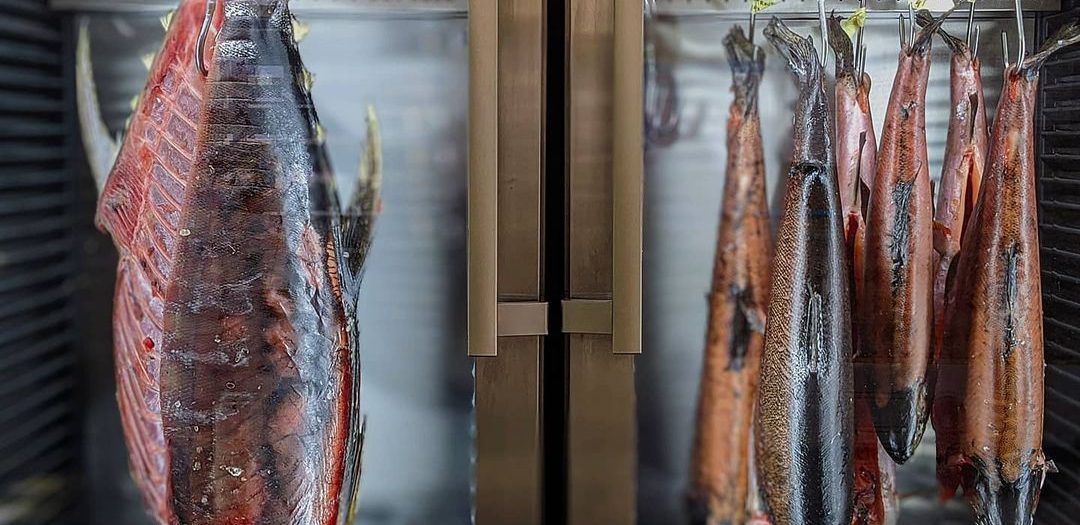
Historical Context of Dry-Aged Fish
While dry-aging beef has a long and well-documented history, the application of this technique to fish is relatively recent. The modern resurgence of dry-aged fish can be attributed to innovative chefs and culinary experts seeking to push the boundaries of flavor and texture. Inspiration may have been drawn from traditional methods of preserving fish in certain cultures, but the controlled, scientific approach to dry-aging is a modern development.
The practice is rooted in Japanese techniques like himono, where fish is air-dried to concentrate its flavors. However, modern dry-aging employs precise temperature and humidity control to achieve consistent and safe results. Chefs like Josh Niland in Australia have been instrumental in popularizing dry-aged fish, showcasing its potential through innovative dishes and whole-fish cookery.
Comparing Dry-Aged Fish to Other Preservation Methods
Compared to other preservation methods like smoking, salting, or pickling, dry-aging offers a unique set of benefits and trade-offs:
Smoking: Imparts a smoky flavor and helps preserve the fish through dehydration and antimicrobial properties.
Salting: Draws out moisture and inhibits bacterial growth, resulting in a longer shelf life and a salty taste.
Pickling: Uses acidic solutions to preserve the fish, altering its texture and adding a tangy flavor.
Dry-aging, on the other hand, focuses on enhancing the natural flavors of the fish while altering its texture. It doesn't introduce external flavors like smoke or salt but rather intensifies the inherent umami and richness of the fish. Unlike other methods that drastically extend shelf life, dry-aging requires careful monitoring to prevent spoilage and is typically done for a shorter period.
The Dry-Aging Process Explained
Selecting the Right Fish for Dry-Aging
Not all fish are suitable for dry-aging. The ideal candidates are typically fatty, dense-fleshed fish that can withstand the dehydration process without becoming overly dry or developing off-flavors. Some popular choices include:
Tuna: Especially bluefin and yellowfin, known for their rich flavor and firm texture.
Salmon: High fat content and robust flavor make it a good candidate.
Mackerel: Oily and flavorful, but requires careful monitoring due to its strong taste.
Amberjack (Hamachi): Firm texture and buttery flavor profile.
The quality of the fish is paramount. Fresh, high-quality fish from sustainable sources are essential for a successful dry-aging process. Any signs of spoilage or mishandling before aging can lead to undesirable results.
Controlling Temperature and Humidity
Temperature and humidity are critical factors in the dry-aging process. The ideal conditions typically involve:
Temperature: Between 32°F to 38°F (0°C to 3°C) to slow down bacterial growth and enzymatic activity.
Humidity: Controlled humidity levels, often between 70% to 85%, to prevent the fish from drying out too quickly.
Specialized dry-aging chambers or refrigerators are often used to maintain these precise conditions. These units are equipped with temperature and humidity controls, as well as air circulation systems to ensure even drying. Regular refrigerators are generally not suitable due to their fluctuating temperatures and humidity levels.
Maintaining consistent airflow is also crucial to prevent the growth of undesirable molds and bacteria. Proper ventilation helps to wick away moisture and maintain a clean environment around the fish.
Monitoring the Aging Process
The dry-aging process requires careful monitoring to ensure the fish is aging properly and safely. Key aspects of monitoring include:
Smell: The fish should develop a pleasant, concentrated aroma, not a foul or ammonia-like smell.
The duration of the dry-aging process can vary depending on the type of fish, the desired flavor profile, and the environmental conditions. Typically, fish is dry-aged for a period ranging from a few days to several weeks.
It's important to note that dry-aging fish carries inherent risks, and proper food safety protocols must be followed to prevent foodborne illnesses. This includes sourcing fish from reputable suppliers, maintaining strict temperature control, and regularly sanitizing equipment.

Culinary Applications of Dry-Aged Fish
Serving Suggestions and Pairings
Dry-aged fish offers a wide range of culinary possibilities, thanks to its unique flavor and texture. Some popular serving suggestions include:
Sashimi and Sushi: The concentrated flavor and firmer texture make it ideal for raw preparations.
Grilled or Pan-Seared: The fish develops a crispy exterior and a succulent interior when cooked.
Roasted: Whole dry-aged fish can be roasted to create a dramatic and flavorful centerpiece.
Cured: Dry-aged fish can be further cured to create unique charcuterie-style products.
Pairing dry-aged fish with complementary flavors can further enhance the dining experience. Some suggested pairings include:
Citrus: The acidity of citrus fruits like lemon or yuzu cuts through the richness of the fish.
Soy Sauce: Adds umami and saltiness, complementing the concentrated flavor of the fish.
Wasabi: Provides a spicy kick that balances the richness of the fish.
Avocado: Creamy texture and mild flavor contrast well with the firm texture and intense flavor of the fish.
Dry-Aged Fish Recipes
Here are a couple of simple recipes to showcase the versatility of dry-aged fish:
Dry-Aged Tuna Sashimi with Yuzu Ponzu
Ingredients:
4 oz dry-aged tuna, sliced thinly
2 tbsp yuzu ponzu sauce
1 tsp finely grated ginger
1/4 avocado, thinly sliced
Fresh wasabi, for serving
Instructions:
Serve immediately with fresh wasabi.
Pan-Seared Dry-Aged Salmon with Lemon-Dill Sauce
Ingredients:
4 oz dry-aged salmon fillet, skin on
1 tbsp olive oil
1 tbsp butter
1 clove garlic, minced
2 tbsp lemon juice
1 tbsp chopped fresh dill
Salt and pepper to taste
Instructions:
Pour the sauce over the salmon fillet and serve immediately.
These recipes offer a starting point for exploring the culinary potential of dry-aged fish. Feel free to experiment with different flavors and techniques to create your own unique dishes.
Where to Find Dry-Aged Fish
Dry-aged fish is becoming increasingly popular, but it may still be challenging to find depending on your location. Here are some places to look:
High-End Restaurants: Many upscale restaurants, particularly those specializing in seafood or innovative cuisine, may offer dry-aged fish on their menus.
Specialty Fish Markets: Some specialty fish markets may carry dry-aged fish or be willing to dry-age fish upon request.
Online Retailers: A few online retailers specialize in dry-aged seafood and can ship it directly to your door.
When purchasing dry-aged fish, be sure to inquire about the sourcing, aging process, and food safety protocols to ensure you are getting a high-quality and safe product. Look for reputable suppliers who prioritize quality and transparency.
The rise of dry-aged fish represents an exciting development in the culinary world. By understanding the science behind the aging process and exploring its diverse culinary applications, both chefs and home cooks can unlock the full potential of this unique ingredient. From enhancing umami to creating new flavor profiles, dry-aged fish offers a world of possibilities for those seeking to elevate their seafood experience.


Messenger

Back to top