
The omakase experience is a culinary journey that transcends a simple meal; it's an intimate interaction between the chef and the diner. Central to this experience is the omakase starter, a carefully curated introduction designed to awaken the palate and prepare it for the courses to follow. This article delves into the art of the omakase starter, exploring its role, different styles, and ideal pairings, providing a comprehensive guide to understanding and appreciating this essential element of Japanese fine dining.
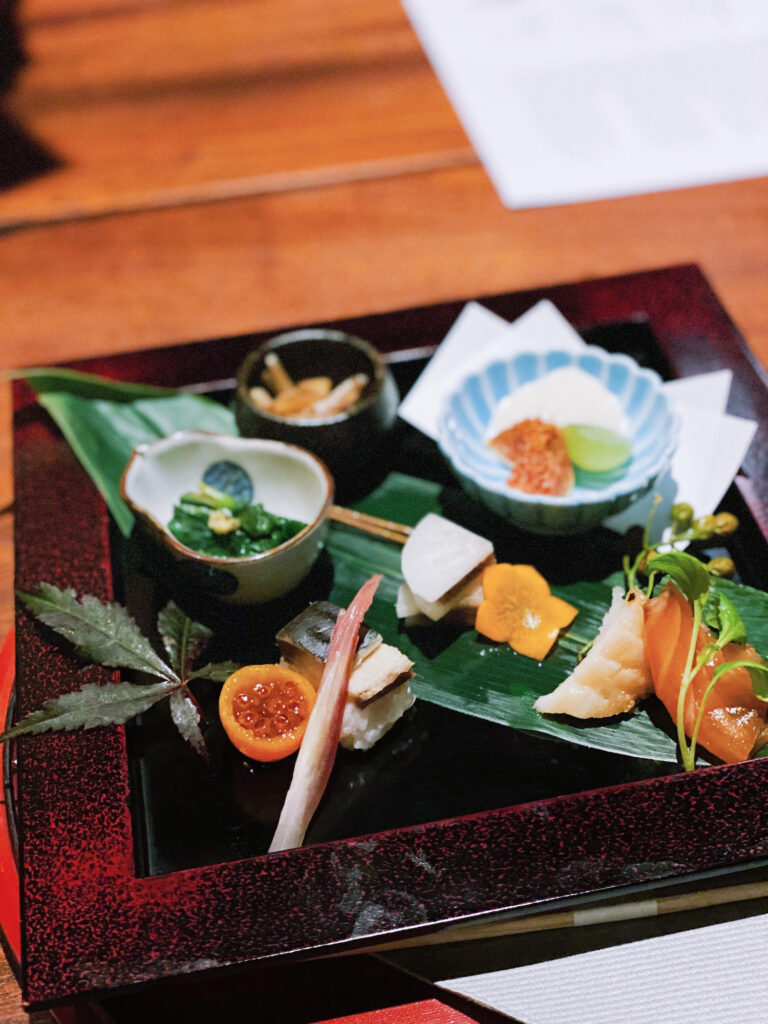
Elevating Your Meal: The Omakase Starter
The omakase starter, often overlooked, is a critical component of the entire dining experience. It's the first impression, the initial note in a symphony of flavors, and a glimpse into the chef's artistry. Understanding its purpose and variations can significantly enhance your appreciation of omakase.
The Role of Starters in Omakase
In the context of omakase, the starter isn't merely an appetizer; it's a strategic element meant to balance and complement the subsequent courses. It prepares the palate, stimulates appetite, and introduces the diner to the chef's overall vision for the meal.
- Palate Preparation: Omakase starters often feature light, refreshing flavors to cleanse the palate.
- Appetite Stimulation: Ingredients with subtle acidity or umami can stimulate hunger.
- Introduction to Chef's Style: The starter hints at the chef's culinary philosophy and preferred ingredients.
Setting the Stage for the Main Courses
The starter acts as a bridge, connecting the diner's expectations with the chef's creations. It provides a context for the flavors and textures that will follow, ensuring a harmonious and cohesive dining experience.
- Flavor Profiling: Introducing key flavors that will reappear in later courses.
- Texture Contrasts: Offering a different texture than what's expected in the main courses.
- Ingredient Teasers: Showcasing a high-quality ingredient that will be used more extensively later.
Creating Anticipation and Excitement
A well-crafted omakase starter ignites curiosity and builds anticipation for what's to come. It's a promise of culinary delights and a testament to the chef's skill and creativity.
- Visual Appeal: Beautiful presentation enhances the dining experience.
- Intriguing Flavors: Unique or unexpected flavor combinations pique interest.
- Storytelling: The starter can hint at the origin or inspiration behind the meal.
Exploring Different Styles of Omakase Starters
Omakase starters are incredibly diverse, reflecting the chef's individual style, regional ingredients, and the season. From traditional Japanese preparations to modern, innovative twists, the possibilities are endless.
Traditional Japanese Starters
Traditional Japanese starters, known as “zensai,” often feature seasonal ingredients prepared with classic techniques. These starters emphasize simplicity, balance, and respect for the natural flavors of the ingredients. Understanding these Japanese appetizers can deepen your appreciation.
- Edamame: Lightly salted boiled soybeans, a simple and refreshing start.
- Sunomono: Vinegar-marinated vegetables or seafood, offering a tangy and palate-cleansing effect.
- Tofu: Silken or agedashi tofu, providing a delicate and savory introduction.
Modern and Innovative Twists
Modern omakase chefs often experiment with new techniques and ingredients, creating innovative starters that push the boundaries of traditional Japanese cuisine. These modern omakase experiences often surprise and delight.
- Foams and Espumas: Light and airy textures infused with intense flavors.
- Molecular Gastronomy Techniques: Spherification or gels to create unique presentations.
- Fusion Ingredients: Incorporating elements from other cuisines, such as truffle oil or caviar.
Regional Variations in Starters
Japan's diverse regions offer a wealth of unique ingredients and culinary traditions, resulting in distinct regional variations in omakase starters. Exploring these regional specialties can provide a deeper understanding of Japanese culinary culture.
- Hokkaido: Featuring fresh seafood like crab and sea urchin.
- Kyoto: Emphasizing seasonal vegetables and delicate flavors.
- Okinawa: Incorporating local ingredients like bitter melon and seaweed.
Pairing Omakase Starters with Drinks
The right drink pairing can elevate an omakase starter, enhancing its flavors and creating a more harmonious dining experience. Sake, wine, and even non-alcoholic options can all be excellent choices, depending on the specific starter.
Sake Pairing Suggestions
Sake, with its diverse range of flavors and aromas, is a natural complement to Japanese cuisine. When pairing sake with omakase starters, consider the following guidelines.
- Light and Dry Sake: Pairs well with delicate seafood starters.
- Fruity Sake: Complements vegetable-based starters with sweet or tangy flavors.
- Umami-rich Sake: Enhances the savory notes in tofu or mushroom starters.
Consider a high-quality Junmai Daiginjo with a light, crisp starter, or a bolder Junmai Ginjo with something richer. Don't hesitate to ask your server for recommendations based on the specific starter being served.
Wine Pairing Recommendations
While sake is the traditional choice, wine can also be an excellent pairing for omakase starters. The key is to select wines that complement the delicate flavors and textures of Japanese cuisine. A professional sommelier can guide you through the wine pairing process.
- Dry White Wines: Sauvignon Blanc or Pinot Grigio pair well with seafood.
- Rosé Wines: Complements a variety of starters, especially those with a hint of spice.
- Light-bodied Red Wines: Pinot Noir can work with richer, umami-based starters.
For seafood-based starters, a crisp, dry white wine like Albariño or Vermentino can provide a refreshing counterpoint. Rosé can be surprisingly versatile, pairing well with both vegetable and seafood options. If the starter features richer flavors, such as grilled mushrooms or aged tofu, a light-bodied red wine like Beaujolais might be a good choice.
Non-Alcoholic Options
For those who prefer non-alcoholic beverages, there are still plenty of options to enhance the omakase experience. Green tea, sparkling water, and even specially crafted mocktails can be excellent choices.
- Green Tea: Cleanses the palate and complements the savory flavors of Japanese cuisine.
- Sparkling Water: Provides a refreshing and neutral palate cleanser.
- Mocktails: Can be tailored to complement specific starters with fruity or herbal flavors.
High-quality green tea, such as Gyokuro or Matcha, can be a sophisticated and flavorful alternative to alcoholic beverages. Sparkling water with a slice of lemon or cucumber can also provide a refreshing and palate-cleansing effect. Many restaurants now offer creative mocktails designed to complement the flavors of omakase, incorporating ingredients like yuzu, ginger, and shiso.
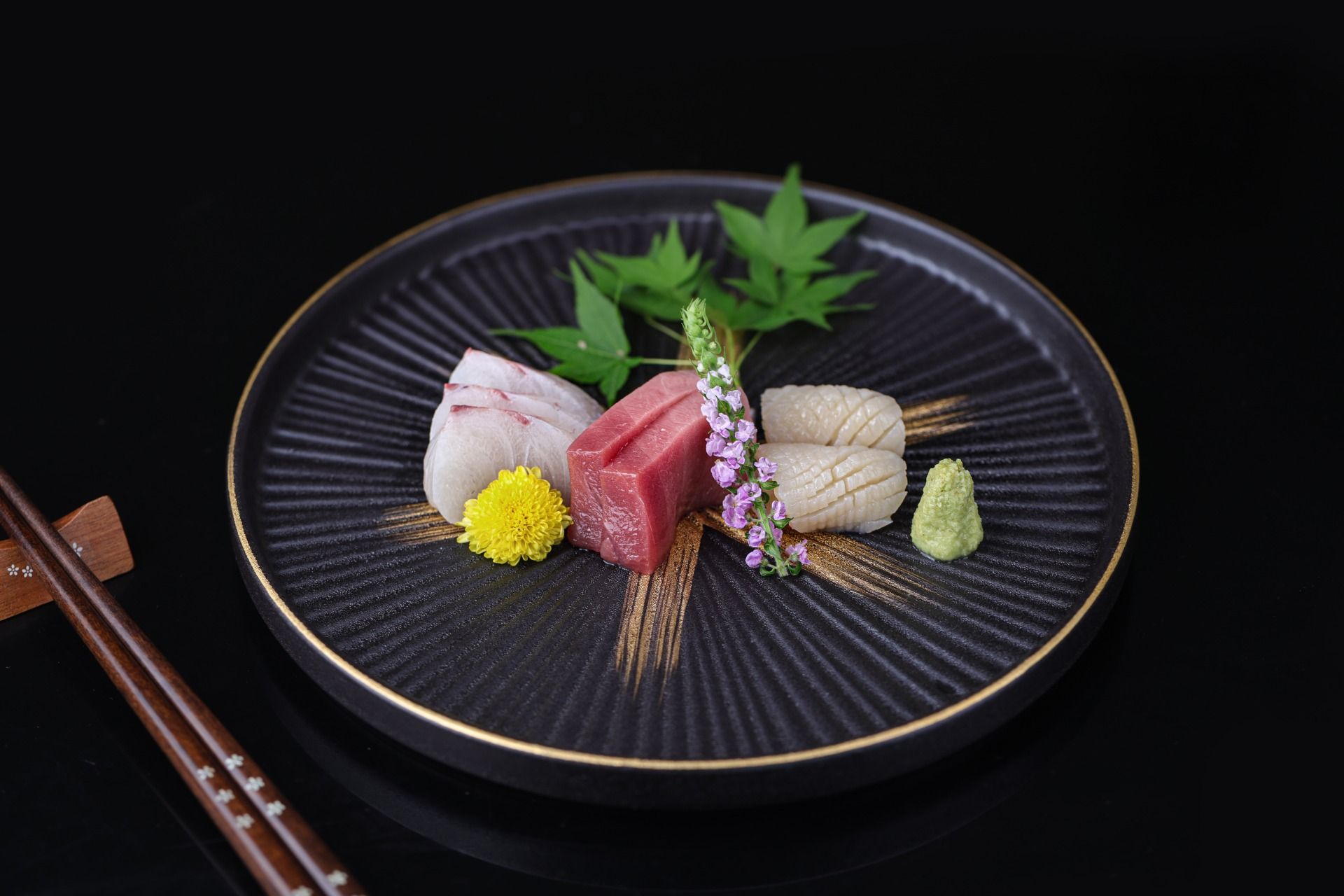
The omakase experience is more than just a meal; it's a journey of culinary discovery. The starter plays a pivotal role, setting the stage for the courses that follow and providing a glimpse into the chef's artistry. By understanding the different styles of starters, their purpose, and ideal pairings, you can elevate your omakase experience and develop a deeper appreciation for this unique form of Japanese dining. Whether you prefer traditional Japanese preparations or modern, innovative twists, the omakase starter is sure to delight your senses and leave you eagerly anticipating the next course. Remember to consider the omakase etiquette when experiencing omakase.
Exploring the world of omakase starters opens a new dimension of culinary appreciation. The careful selection of ingredients, the artful presentation, and the thoughtful pairings all contribute to a holistic dining experience where every detail is considered. As you embark on your next omakase adventure, take a moment to savor the starter, appreciate its role in the overall meal, and allow it to transport you to a world of exquisite flavors and textures. The omakase courses are all designed to work in harmony.


Messenger

Back to top