
Tempura, a quintessential Japanese dish, is celebrated worldwide for its delicate, crispy batter and the fresh ingredients it encases. More than just deep-fried food, tempura represents a culinary art form, demanding precision and skill to achieve the perfect balance of texture and flavor. This article delves into the fascinating world of tempura, exploring its history, preparation, varieties, and where to find some of the best examples of this beloved dish. From the bustling streets of Tokyo to hidden gems across Japan, we'll uncover the secrets behind tempura's enduring appeal and guide you on a culinary journey to experience its unique charm.
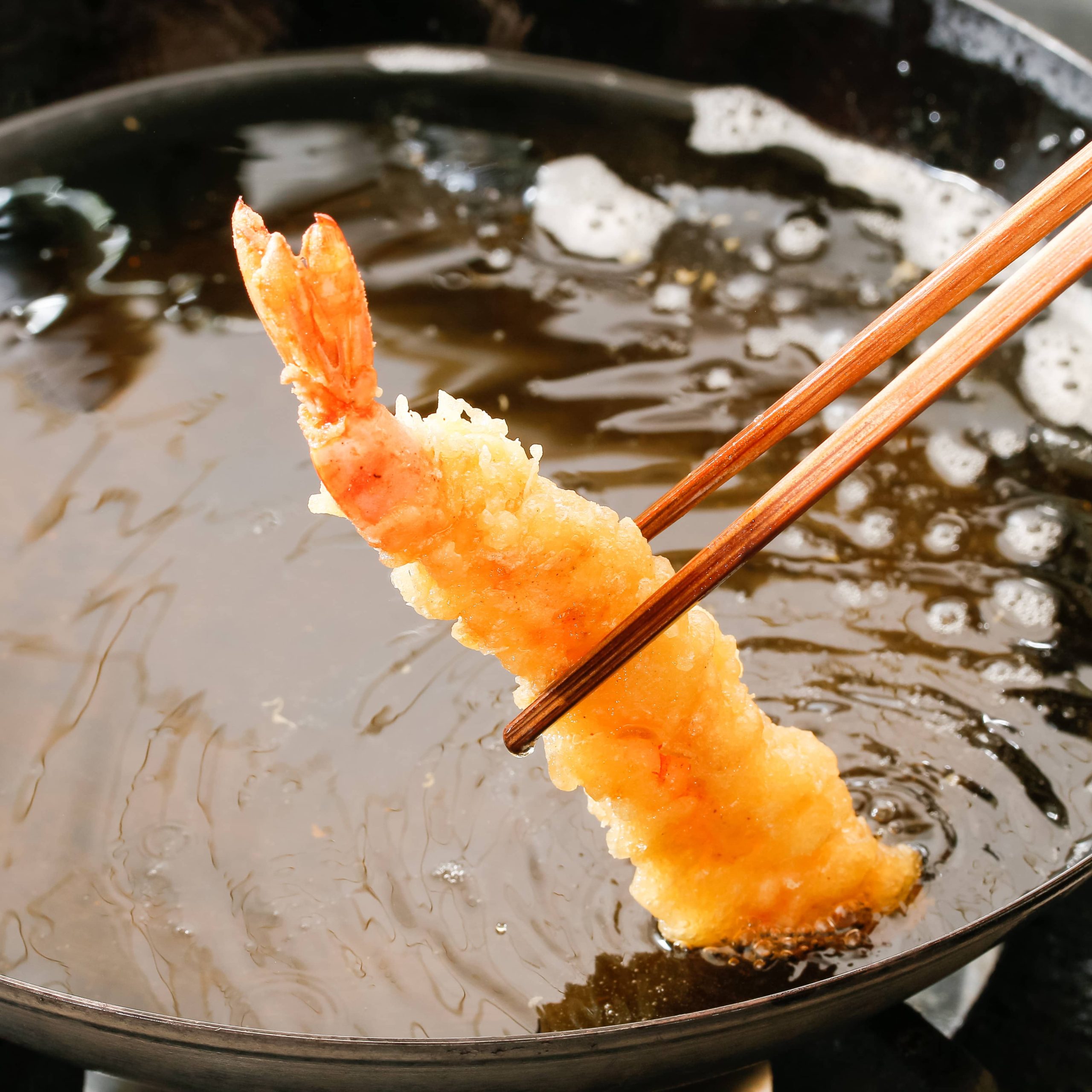
The Allure of Tempura: A Japanese Culinary Gem
Tempura, with its light, airy coating and perfectly cooked ingredients, holds a special place in Japanese cuisine. It's a dish that transcends simple frying, embodying a harmony of flavors and textures that delight the senses.
The Art of the Tempura Chef
The creation of exceptional tempura is an art form, requiring years of training and a deep understanding of ingredients and techniques. The chef must master the precise mixing of the batter, maintaining the oil at the perfect temperature, and timing the frying process to achieve a light, crispy coating without overcooking the ingredients inside. It's a delicate balance that separates the ordinary from the extraordinary.
Why Tempura is So Popular
Several factors contribute to tempura's widespread popularity:
- Delicate Flavor: The light batter allows the natural flavors of the ingredients to shine through.
- Crispy Texture: The contrast between the crispy coating and the tender interior is incredibly satisfying.
- Versatility: Tempura can be made with a wide variety of ingredients, from vegetables and seafood to more unusual items.
- Aesthetic Appeal: The golden-brown color and delicate presentation make it visually appealing.
- Cultural Significance: Tempura is an integral part of Japanese culinary tradition, enjoyed in both casual and formal settings.
Health Considerations of Eating Tempura
While tempura is undeniably delicious, it's important to consider the health aspects of deep-fried food. Here are some points to keep in mind:
- Oil Content: Tempura absorbs oil during the frying process, increasing its calorie and fat content.
- Batter Composition: The batter is typically made from flour, water, and eggs, which can contribute to carbohydrate intake.
- Ingredient Quality: Choosing fresh, high-quality ingredients can enhance the nutritional value of the dish.
- Portion Control: Enjoying tempura in moderation is key to maintaining a balanced diet.
- Preparation Method: Proper frying techniques, such as maintaining the correct oil temperature, can minimize oil absorption.
Exploring Different Types of Tempura
The beauty of tempura lies in its versatility. Chefs can use a wide array of ingredients to create unique and flavorful variations, catering to diverse palates and preferences.
Vegetable Tempura: A Vegetarian Delight
Vegetable tempura, or *yasai tempura*, offers a delightful vegetarian option, showcasing the natural sweetness and textures of seasonal vegetables. Popular choices include:
- Eggplant (Nasu): Offers a rich, savory flavor and tender texture.
- Sweet Potato (Satsumaimo): Provides a sweet and slightly earthy taste.
- Pumpkin (Kabocha): Delivers a creamy texture and subtle sweetness.
- Green Beans (Ingen): Offers a crisp, fresh flavor.
- Lotus Root (Renkon): Provides a crunchy texture and slightly sweet taste.
- Shiso Leaf (Shiso): Adds a unique, aromatic flavor.
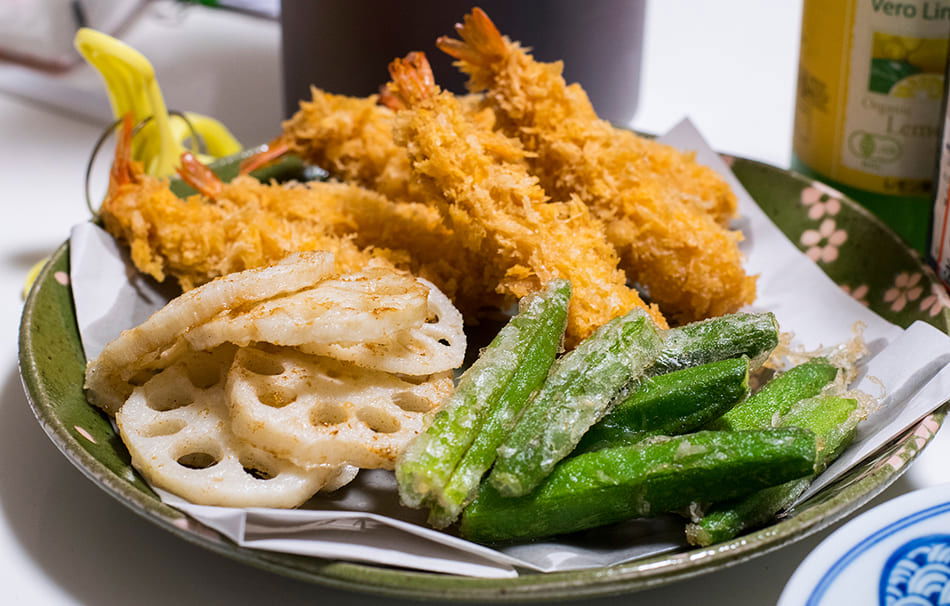
Seafood Tempura: From Shrimp to Eel
Seafood tempura is perhaps the most iconic and widely enjoyed type of tempura. The delicate batter perfectly complements the fresh, briny flavors of the sea. Some popular choices include:
- Shrimp (Ebi): The quintessential tempura ingredient, offering a sweet, succulent flavor.
- Squid (Ika): Provides a slightly chewy texture and mild, savory taste.
- White Fish (Kisu or Shirogisu): Offers a delicate, flaky texture and subtle flavor.
- Scallops (Hotate): Delivers a sweet, buttery flavor and tender texture.
- Eel (Anago): A more luxurious option, offering a rich, savory flavor and tender, flaky texture.
Unique and Unusual Tempura Ingredients
Beyond the classics, adventurous chefs are constantly experimenting with new and unusual tempura ingredients, pushing the boundaries of this culinary art form. Some intriguing examples include:
- Sea Urchin (Uni): Offers a creamy, briny flavor and delicate texture.
- Maple Leaf (Momiji): A seasonal delicacy, offering a slightly sweet and crunchy texture.
- Cheese (Cheese): A surprising but delicious option, offering a melted, gooey center and crispy exterior.
- Ice Cream (Ice Cream): A novelty item, offering a contrast of hot and cold temperatures and sweet flavors.
These innovative creations showcase the versatility of tempura and the creativity of Japanese chefs.
Where to Find the Best Tempura
From Michelin-starred restaurants to humble hole-in-the-wall eateries, Japan offers a vast array of tempura experiences to suit every taste and budget.
Tempura Restaurants in Tokyo
Tokyo, as the culinary capital of Japan, boasts some of the finest tempura restaurants in the world. Here are a few notable establishments:
- Kondo: A Michelin-starred restaurant known for its exquisite tempura and refined atmosphere.
- Fukamachi: Another Michelin-starred establishment, renowned for its traditional techniques and seasonal ingredients.
- Daikokuya Tempura: A popular and affordable option, serving generous portions of classic tempura dishes.
These restaurants offer a range of experiences, from intimate counter seating where you can watch the chef at work to more formal dining rooms.
Hidden Tempura Gems Across Japan
Beyond Tokyo, many hidden gems across Japan offer exceptional tempura experiences. Exploring regional specialties and local ingredients can lead to unforgettable culinary discoveries. Some regions known for their unique tempura include:
- Kyoto: Known for its delicate vegetable tempura, showcasing the region's fresh produce.
- Osaka: Renowned for its *kushikatsu*, skewered and deep-fried tempura.
- Fukuoka: Famous for its *mentaiko* (spicy cod roe) tempura, a local delicacy.
Venture off the beaten path and discover the diverse and delicious world of regional tempura.
Making Tempura a Part of Your Japanese Food Experience
Tempura is more than just a dish; it's an integral part of the Japanese culinary experience. Whether you're enjoying a casual meal at a local eatery or indulging in a multi-course tempura dinner, here are some tips to enhance your appreciation:
- Pay Attention to the Details: Notice the quality of the ingredients, the skill of the chef, and the presentation of the dish.
- Savor Each Bite: Appreciate the contrast of textures and the delicate balance of flavors.
- Experiment with Different Dipping Sauces: Tempura is typically served with *tentsuyu*, a flavorful dipping sauce, but other options like salt and lemon are also available.
- Pair with Complementary Dishes: Tempura is often served with rice, miso soup, and pickles, creating a balanced and satisfying meal.
- Engage with the Chef: If you're seated at the counter, don't hesitate to ask the chef about the ingredients and techniques used.
By immersing yourself in the details and engaging with the culinary process, you can gain a deeper appreciation for the art of tempura.
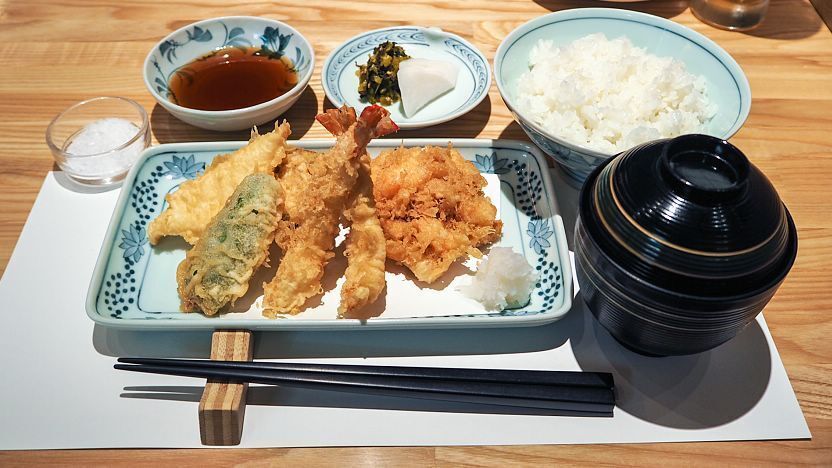
In conclusion, tempura is a testament to the artistry and precision of Japanese cuisine. From the carefully selected ingredients to the meticulous frying techniques, every element contributes to the creation of this beloved dish. Whether you're a seasoned foodie or a curious traveler, exploring the world of tempura offers a unique and rewarding culinary experience. So, embark on your own tempura adventure and discover the delights of this Japanese culinary gem. Consider trying to find the best authentic tempura in your local area to experience the true taste and texture of the dish. As you explore different tempura types, you'll notice the distinct flavors and how the ingredients are handled. In the end, understanding tempura's allure involves appreciating the dedication and skill that goes into making each piece. Ultimately, it's the light, crispy texture combined with the fresh, high-quality ingredients that make tempura a truly special dish. Don't forget to check out local Japanese food experiences to immerse yourself in the culture. Finally, learning about the history of tempura can add another layer of appreciation for this iconic dish.


Messenger

Back to top