
Taro, known as 'satoimo' in Japan, is more than just a root vegetable; it's a cultural touchstone deeply embedded in the nation's history and cuisine. From its humble origins as a staple food to its modern-day presence in gourmet dishes, taro in Japan tells a story of adaptation, tradition, and the enduring connection between the Japanese people and the land.
Taro Japan: A Culinary and Cultural Staple
What is Taro?
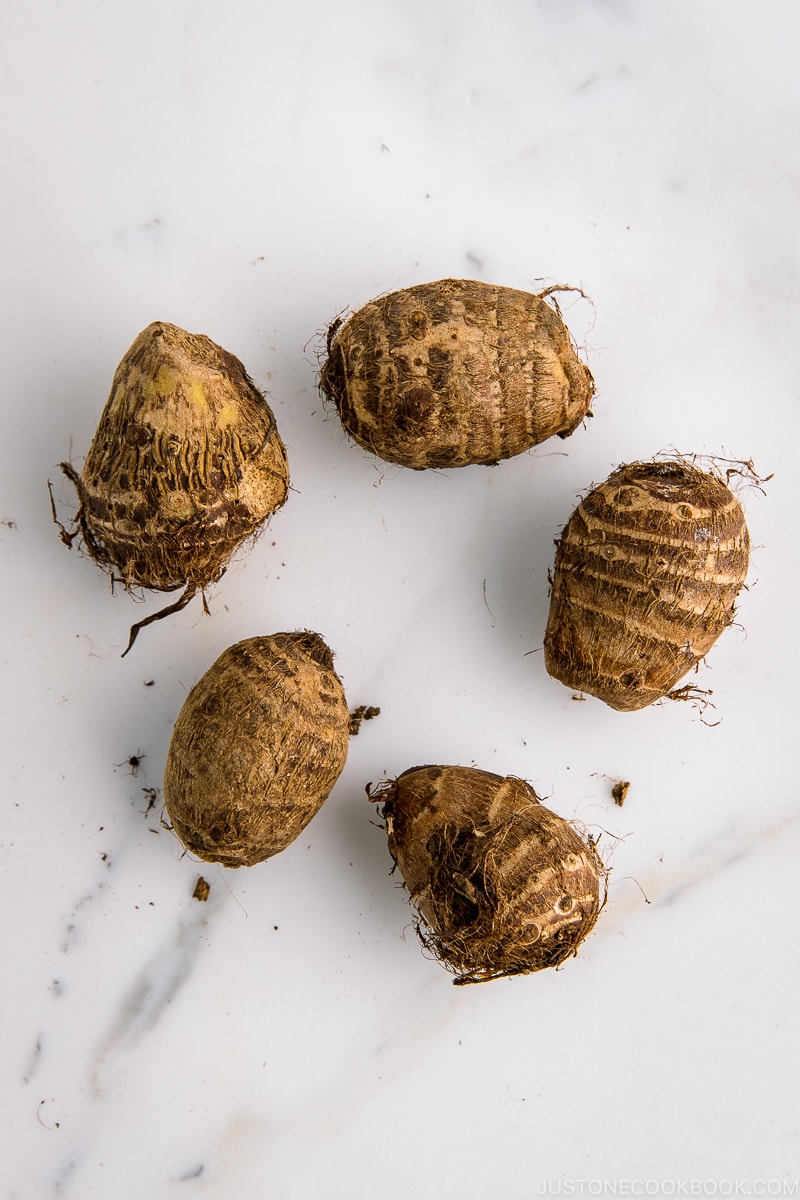
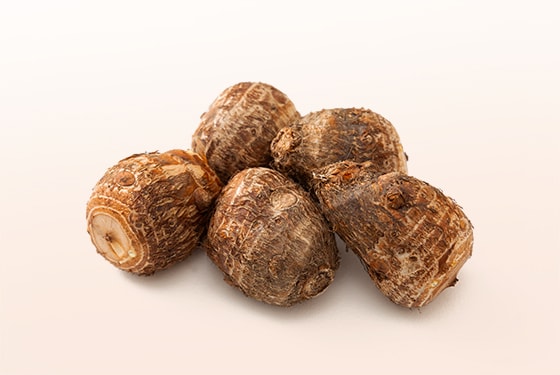
Taro (Colocasia esculenta) is a starchy root vegetable that belongs to the Araceae family. It is characterized by its large, heart-shaped leaves and a subterranean corm, which is the primary edible part of the plant. The corm has a slightly slimy texture when cooked, which is due to the presence of mucilage. This unique texture is highly valued in Japanese cuisine. Taro comes in different varieties, each with its own distinct flavor and texture profile. In Japan, the most common variety is 'satoimo', which is prized for its smooth texture and subtle sweetness.
The History Of Taro In Japan
The history of taro in Japan dates back to the Jomon period (14,000–300 BCE), making it one of the earliest cultivated crops in the country. It is believed that taro was introduced to Japan from Southeast Asia, where it has been cultivated for thousands of years. The warm, humid climate of Japan provided ideal growing conditions for taro, and it quickly became a staple food, particularly in regions where rice cultivation was difficult. During the Nara and Heian periods (8th-12th centuries), taro was a vital source of sustenance for both the common people and the aristocracy. It was often used in religious ceremonies and festivals, symbolizing prosperity and good fortune. Over the centuries, various traditional farming techniques were developed to optimize taro production, and different regional varieties emerged, each adapted to local conditions and culinary preferences.
Nutritional Benefits Of Taro
Taro is not only delicious but also packed with essential nutrients that contribute to a healthy diet. It is an excellent source of dietary fiber, which aids in digestion and helps regulate blood sugar levels. Taro is also rich in vitamins and minerals, including:
- Vitamin B6: Important for brain development and function.
- Vitamin C: An antioxidant that supports the immune system.
- Potassium: Helps regulate blood pressure and muscle function.
- Manganese: Essential for bone health and metabolism.
- Copper: Involved in energy production and iron absorption.
Furthermore, taro is a good source of complex carbohydrates, providing sustained energy without causing rapid spikes in blood sugar. Its low glycemic index makes it a suitable food for people with diabetes. The presence of resistant starch in taro also promotes the growth of beneficial gut bacteria, contributing to overall digestive health. Incorporating taro into your diet can offer a range of health benefits, making it a nutritious and versatile addition to any meal.
Growing and Harvesting Taro In Japan
Ideal Growing Conditions For Taro
Taro thrives in warm, humid climates with plenty of moisture. In Japan, it is typically grown in flooded paddy fields or well-irrigated fields. The ideal soil for taro cultivation is rich in organic matter and has good drainage to prevent waterlogging. Taro plants prefer a slightly acidic to neutral soil pH (6.0-7.0). The optimal temperature range for taro growth is between 20°C and 30°C (68°F and 86°F). Adequate sunlight is also crucial for healthy taro growth, although the plants can tolerate partial shade. In regions with cooler climates, taro can be grown in greenhouses or under protective covers to maintain the necessary temperature and humidity levels. Proper site selection and soil preparation are essential for ensuring a successful taro crop.
Traditional Farming Techniques
Traditional taro farming in Japan involves several labor-intensive techniques that have been passed down through generations. One common method is to plant taro corms in raised beds or mounds to improve drainage and aeration. Farmers often use organic fertilizers, such as compost and manure, to enrich the soil and provide essential nutrients to the plants. Weeding is done manually to prevent competition for resources. In some regions, farmers practice crop rotation to maintain soil fertility and reduce the risk of pests and diseases. The use of natural pest control methods, such as introducing beneficial insects, is also common in traditional taro farming. These techniques reflect a deep understanding of the local environment and a commitment to sustainable agriculture.
Harvesting and Storage Methods
Taro is typically harvested in the late autumn or early winter, about 6-8 months after planting. The harvesting process involves carefully digging up the corms from the soil, taking care not to damage them. The leaves and roots are then removed, and the corms are cleaned and sorted. Traditional storage methods for taro include:
- Storing the corms in a cool, dark, and well-ventilated place to prevent spoilage.
- Burying the corms in sand or soil to maintain their moisture content.
- Drying the taro slices in the sun or using a dehydrator for longer-term storage.
In modern times, taro is often stored in refrigerated warehouses to extend its shelf life. Proper harvesting and storage techniques are essential for preserving the quality and flavor of taro, ensuring that it can be enjoyed throughout the year.

Taro In Japanese Cuisine
Popular Taro-Based Dishes
Taro is a versatile ingredient that is used in a wide variety of Japanese dishes. One of the most popular is 'satoimo no nimono', a simmered dish where taro is cooked in a flavorful broth with soy sauce, mirin, and dashi. The resulting dish is tender, slightly sweet, and incredibly comforting. Taro is also used in soups, stews, and hot pots, adding a creamy texture and subtle sweetness to the broth. Another common preparation is taro tempura, where slices of taro are battered and deep-fried until golden brown and crispy. Taro mochi, made from pounded taro, is a popular sweet treat, especially during festivals and celebrations. In some regions, taro is also used to make shochu, a traditional Japanese distilled beverage. These diverse culinary applications highlight the versatility and cultural significance of taro in Japanese cuisine.
Regional Variations of Taro Cookin
Different regions of Japan have their own unique ways of preparing and enjoying taro. In the Tohoku region, 'imoni', a hearty taro and beef stew, is a local specialty, especially during autumn festivals. The stew typically includes taro, beef, konnyaku, and vegetables, cooked in a soy sauce-based broth. In the Kansai region, taro is often simmered with seafood or other root vegetables, creating a delicate and flavorful dish. The preparation methods and ingredients used can vary significantly from region to region, reflecting local culinary traditions and available resources. Exploring these regional variations offers a fascinating glimpse into the diverse food culture of Japan.
Taro As A Symbol Of Japanese Food Culture
Taro holds a special place in Japanese food culture, symbolizing nourishment, tradition, and the connection to the land. Its long history as a staple food has made it an integral part of the Japanese culinary heritage. The slimy texture of cooked taro, known as 'neba neba', is highly valued in Japanese cuisine and is often associated with health and longevity. Taro is also used in many traditional dishes served during festivals and celebrations, representing prosperity and good fortune. The cultivation of taro has shaped agricultural practices and landscapes in many parts of Japan, reflecting the close relationship between the Japanese people and their environment. Taro is not just a food; it is a symbol of Japanese identity and cultural heritage. The enduring popularity of traditional Japanese cuisine ensures that this humble root vegetable will continue to be cherished for generations to come.
From its nutritional benefits to its role in various dishes and cultural symbolism, taro exemplifies the essence of Japanese cuisine, which values simplicity, seasonality, and a deep connection to nature. Its significance extends beyond mere sustenance, embodying the values and traditions that define Japanese identity. As modern lifestyles evolve, the appreciation for Japanese root vegetables like taro serves as a reminder of the country's rich agricultural heritage and the importance of preserving culinary traditions.
As we look to the future, the role of taro in Japan's food culture is likely to remain significant. With a growing interest in sustainable and locally sourced foods, taro, with its resilience and adaptability, is well-positioned to meet the demands of a changing world. Whether it is enjoyed in a traditional simmered dish or incorporated into innovative culinary creations, taro will undoubtedly continue to nourish both body and soul, serving as a lasting symbol of Japan's culinary and cultural identity. The continued cultivation and appreciation of taro are essential for preserving the rich tapestry of Japanese food culture and ensuring that future generations can experience the unique flavors and traditions that make it so special. In essence, exploring the cultural significance of taro in Japan provides a lens through which to understand the nation's history, values, and enduring connection to the land.


Messenger

Back to top