
Tamagoyaki, a staple in Japanese cuisine, is a delightful and versatile rolled egg omelette that has captivated taste buds worldwide. This seemingly simple dish boasts a rich history, cultural significance, and a surprising range of variations. Whether you're a seasoned chef or a kitchen novice, mastering the art of tamagoyaki is a rewarding culinary adventure. In this comprehensive guide, we'll delve into the origins of tamagoyaki, explore its regional differences, uncover its potential health benefits, and provide you with a step-by-step guide to creating this iconic dish in your own home. Get ready to embark on a delicious journey into the world of Japanese culinary traditions.
Tamagoyaki: A Delicious And Versatile Japanese Egg Dish
History and Cultural Significance of Tamagoyaki
The history of tamagoyaki is intertwined with the evolution of Japanese cuisine and culinary techniques. While the exact origins remain somewhat obscure, it's believed that the dish emerged during the Edo period (1603-1868), a time of significant culinary innovation in Japan. The availability of eggs, coupled with the development of specialized cooking tools like the rectangular tamagoyaki pan, paved the way for the creation of this unique omelette.
Tamagoyaki quickly gained popularity as a versatile and portable food item. Its compact shape and ability to be served both hot and cold made it an ideal addition to bento boxes, a staple in Japanese lunches. Over time, tamagoyaki evolved from a simple egg dish into a symbol of Japanese culinary artistry, with chefs constantly refining their techniques to achieve the perfect balance of flavor, texture, and appearance.
In Japanese culture, tamagoyaki holds a special place, often representing care, dedication, and attention to detail. It's a common dish prepared by mothers for their children's lunches, and its presence in bento boxes signifies love and nourishment. The meticulous process of rolling the omelette layer by layer is seen as a reflection of the Japanese emphasis on precision and craftsmanship.


Different Types of Tamagoyaki: Kansai vs. Kanto Style
While tamagoyaki is enjoyed throughout Japan, regional variations exist, reflecting the diverse culinary traditions of the country. The two most prominent styles are Kansai-style and Kanto-style, named after the respective regions of Japan.
Kansai-style tamagoyaki, also known as Osaka-style, is characterized by its subtle sweetness and the use of dashi, a Japanese soup stock made from kombu (kelp) and katsuobushi (dried bonito flakes). The dashi adds a savory umami flavor that complements the sweetness of the eggs and sugar. Kansai-style tamagoyaki tends to be lighter in color and has a more delicate texture.
Kanto-style tamagoyaki, prevalent in the Tokyo region, is typically sweeter and more intensely flavored than its Kansai counterpart. It often incorporates soy sauce and mirin (sweet rice wine) in addition to sugar, resulting in a richer, darker color and a slightly firmer texture. Kanto-style tamagoyaki may also include other ingredients like sake or even a touch of vinegar to enhance the flavor profile.
The choice between Kansai and Kanto style often comes down to personal preference. Some prefer the subtle sweetness and umami of Kansai-style, while others enjoy the bolder flavors of Kanto-style. Experimenting with both styles is a great way to discover your own favorite tamagoyaki flavor profile.
Health Benefits of Eating Tamagoyaki
Beyond its delicious taste and cultural significance, tamagoyaki also offers several health benefits. Eggs, the primary ingredient in tamagoyaki, are a powerhouse of nutrients, providing a good source of protein, vitamins, and minerals.
Protein: Eggs are a complete protein source, containing all nine essential amino acids that the body cannot produce on its own. Protein is crucial for building and repairing tissues, supporting immune function, and maintaining overall health.
Vitamins: Eggs are rich in vitamins A, D, E, and B12. Vitamin A is essential for vision, immune function, and cell growth. Vitamin D helps the body absorb calcium, promoting strong bones and teeth. Vitamin E acts as an antioxidant, protecting cells from damage. Vitamin B12 is vital for nerve function and red blood cell production.
Minerals: Eggs contain essential minerals like iron, zinc, and selenium. Iron is necessary for carrying oxygen in the blood. Zinc supports immune function and wound healing. Selenium acts as an antioxidant and plays a role in thyroid hormone metabolism.
While tamagoyaki often contains sugar and soy sauce, the amounts are generally moderate and can be adjusted to suit individual dietary needs. Choosing low-sodium soy sauce and limiting the amount of sugar can help to minimize the potential negative effects of these ingredients. Overall, tamagoyaki can be a healthy and nutritious addition to a balanced diet, providing essential nutrients and contributing to overall well-being. Especially when considering the health benefits of a balanced diet.
How To Make Tamagoyaki At Home: A Beginner's Guide
Making tamagoyaki at home may seem daunting at first, but with the right equipment, ingredients, and a little practice, you can master this delightful dish. This beginner's guide will walk you through the process step-by-step, ensuring a delicious and satisfying result.
Equipment You'll Need: Pan, Chopsticks, and More
Having the right equipment is essential for making perfect tamagoyaki. Here's a list of the key tools you'll need:
Tamagoyaki pan: A rectangular or square non-stick pan specifically designed for making tamagoyaki. The shape of the pan allows for easy rolling and shaping of the omelette.
Chopsticks: Used for mixing the egg mixture, flipping the omelette, and rolling it into its characteristic shape.
Small bowl: For whisking the eggs and other ingredients together.
Measuring spoons: For accurately measuring the ingredients.
Paper towels: For greasing the pan between layers.
While a dedicated tamagoyaki pan is ideal, you can also use a small non-stick frying pan as a substitute. However, the rectangular shape of the tamagoyaki pan makes the rolling process much easier and more efficient. Using the right tools will significantly improve your chances of success and allow you to create beautiful and delicious homemade tamagoyaki.
Ingredients List: Eggs, Soy Sauce, Sugar, and Dashi
The ingredients for tamagoyaki are simple and readily available. Here's a basic list of what you'll need:
Eggs: The star of the show! Use fresh, high-quality eggs for the best flavor and texture.
Soy sauce: Adds a savory umami flavor to the omelette. Use a light or low-sodium soy sauce to control the saltiness.
Sugar: Provides a touch of sweetness and helps to tenderize the eggs.
Dashi (optional): A Japanese soup stock that adds depth of flavor. If you don't have dashi, you can substitute with water or chicken broth.
Oil: For greasing the pan. Use a neutral-flavored oil like vegetable or canola oil.
The exact proportions of these ingredients can be adjusted to suit your taste preferences. Some recipes call for more sugar, while others emphasize the savory flavor of soy sauce and dashi. Feel free to experiment and find the perfect balance that appeals to you.
Step-by-Step Instructions with Photos and Videos
Now that you have your equipment and ingredients ready, it's time to start cooking! Follow these step-by-step instructions to create your own delicious tamagoyaki:
Cool and slice: Remove the tamagoyaki from the pan and let it cool slightly before slicing it into bite-sized pieces.
For a visual guide, search online for "tamagoyaki tutorial" to find helpful videos that demonstrate the rolling technique. With a little practice, you'll be rolling tamagoyaki like a pro in no time!
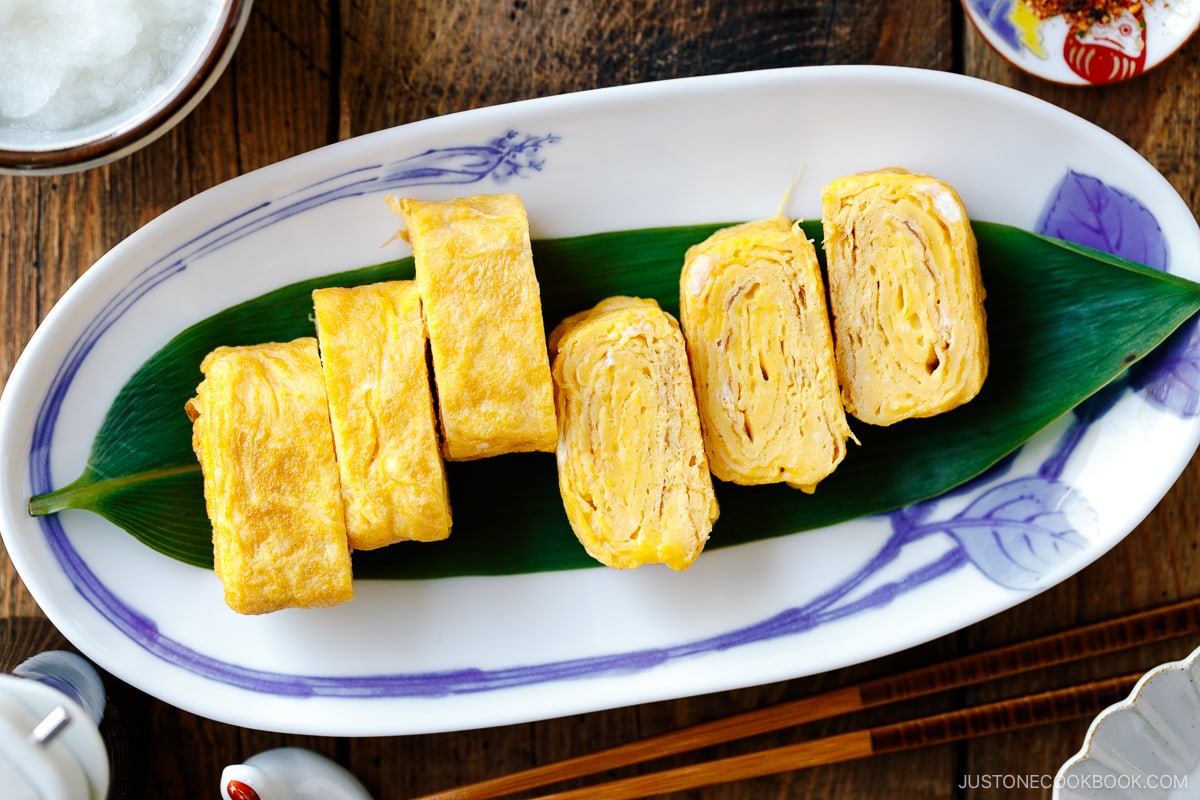
Tamagoyaki Recipes And Serving Ideas
Once you've mastered the basic tamagoyaki recipe, the possibilities are endless! Experiment with different variations and serving suggestions to create your own unique tamagoyaki creations.
Classic Tamagoyaki Recipe
Here's a classic tamagoyaki recipe to get you started:
Ingredients:
Instructions: Follow the step-by-step instructions outlined in the


Messenger

Back to top