
Vietnamese family meals are more than just a culinary experience; they are a cornerstone of Vietnamese culture, deeply intertwined with health, social connection, and the preservation of tradition. These meals, characterized by fresh ingredients, balanced flavors, and a communal spirit, offer a multitude of benefits that extend far beyond simple nourishment. Understanding the significance of traditional Vietnamese food allows us to appreciate not only the delicious dishes but also the profound values they represent. This article explores the health advantages, social and emotional values, and practical tips for incorporating Vietnamese family meal practices into your daily life.
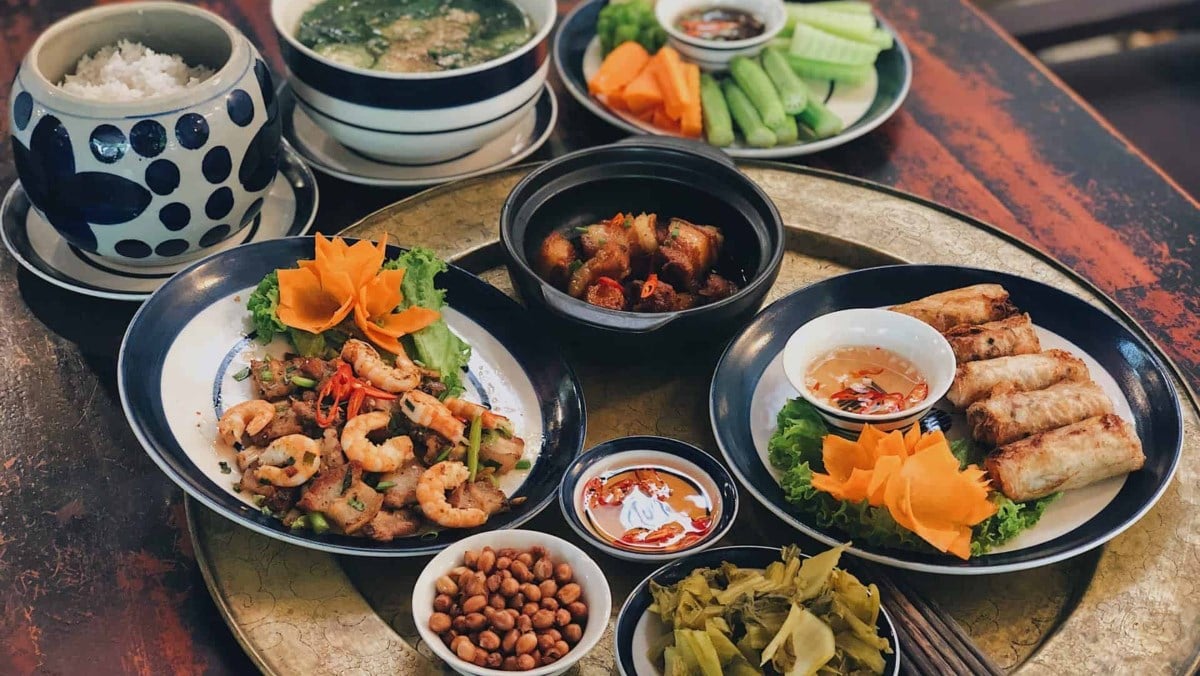
Health Benefits of Traditional Vietnamese Family Meals
The Vietnamese diet, as exemplified in traditional family meals, is widely recognized for its health benefits. This stems from the emphasis on fresh, whole foods, and mindful cooking techniques. The following sections delve into these key aspects.
Emphasis on Fresh Vegetables and Herbs
A hallmark of Vietnamese cuisine is the abundant use of fresh vegetables and herbs. Dishes are often packed with ingredients like cilantro, mint, basil, bean sprouts, and lettuce. These not only add unique flavors and aromas but also contribute significantly to the nutritional value of the meal.
The health benefits of these ingredients are manifold:
- Rich in Vitamins and Minerals: Vegetables and herbs provide essential vitamins (A, C, K) and minerals (potassium, magnesium) that support overall health.
- High in Fiber: The fiber content promotes digestive health, helps regulate blood sugar levels, and contributes to a feeling of fullness, which can aid in weight management.
- Antioxidant Properties: Many Vietnamese herbs and vegetables are rich in antioxidants, which help protect the body against cellular damage caused by free radicals.
- Anti-inflammatory Effects: Certain herbs, such as turmeric and ginger, which are occasionally used in Vietnamese cooking, possess anti-inflammatory properties that can help reduce the risk of chronic diseases.
This focus on fresh produce makes Vietnamese cuisine a naturally healthy choice.
Lean Proteins and Healthy Fats
Vietnamese family meals typically feature lean proteins like fish, chicken, and tofu, rather than red meats. These protein sources are crucial for building and repairing tissues, supporting immune function, and providing sustained energy.
Here's why these choices are beneficial:
- Lower in Saturated Fat: Lean proteins generally contain less saturated fat than red meats, which can help reduce the risk of heart disease.
- Rich in Omega-3 Fatty Acids: Fish, a staple in Vietnamese cuisine, is an excellent source of omega-3 fatty acids, which are essential for brain health and reducing inflammation.
- Good Source of Essential Amino Acids: These proteins provide all the essential amino acids the body needs but cannot produce on its own.
In addition to lean proteins, Vietnamese cooking often incorporates healthy fats from sources like nuts, seeds, and avocados. These fats are important for hormone production, nutrient absorption, and maintaining healthy skin and hair.
The balance of lean proteins and healthy fats contributes to a well-rounded and nutritious diet.
Mindful Eating and Portion Control
Traditional Vietnamese family meals encourage mindful eating and portion control. Meals are typically served family-style, with dishes placed in the center of the table for everyone to share. This fosters a sense of community and encourages diners to be more conscious of their food intake.
Here's how this practice promotes healthier eating habits:
- Slower Eating Pace: Sharing dishes encourages a slower eating pace, allowing the body to register fullness and prevent overeating.
- Variety of Foods: The communal style exposes diners to a variety of dishes, promoting a balanced intake of different nutrients.
- Social Interaction: Engaging in conversation during meals can distract from mindless eating and promote a more enjoyable and mindful experience.
- Smaller Portions: Serving food in smaller portions and allowing individuals to choose what and how much they want to eat can help prevent overconsumption.
By emphasizing mindful eating and portion control, Vietnamese family meals contribute to a healthier relationship with food and a reduced risk of weight gain.

The Social and Emotional Value of Shared Meals
Beyond the physical health benefits, Vietnamese family meals hold immense social and emotional value. They serve as a vital platform for strengthening family bonds, fostering a sense of belonging, and preserving cultural heritage.
Strengthening Family Bonds and Relationships
Sharing meals together provides families with a dedicated time to connect, communicate, and strengthen their relationships. In today's fast-paced world, where schedules often clash and distractions abound, mealtime offers a precious opportunity to slow down, put aside electronic devices, and focus on one another.
Here's how shared meals contribute to stronger family bonds:
- Open Communication: Mealtime provides a relaxed and informal setting for family members to share their thoughts, feelings, and experiences.
- Quality Time: Spending time together at the table allows family members to connect on a deeper level and create lasting memories.
- Conflict Resolution: Mealtime can also serve as an opportunity to address conflicts and resolve issues in a calm and supportive environment.
- Emotional Support: Sharing meals together can provide a sense of emotional support and comfort, especially during challenging times.
The simple act of sharing a meal can have a profound impact on family dynamics, fostering a sense of closeness and understanding.
Creating a Sense of Belonging and Connection
Family meals play a crucial role in creating a sense of belonging and connection among family members. When individuals feel like they are part of a group, they are more likely to experience feelings of security, acceptance, and self-worth.
Here's how shared meals contribute to a sense of belonging:
- Shared Identity: Eating together reinforces a sense of shared identity and cultural heritage.
- Tradition and Ritual: The act of preparing and sharing meals together creates a sense of tradition and ritual, which can be comforting and grounding.
- Social Support: Family meals provide a built-in support system, where individuals can turn to one another for help and encouragement.
- Emotional Security: Knowing that you are part of a family that values shared meals can provide a sense of emotional security and stability.
This sense of belonging is particularly important for children, as it helps them develop a strong sense of self and a positive outlook on life. Vietnamese family meals also provide the perfect environment to teach children about important social skills and etiquette.
Passing Down Cultural Heritage and Traditions
Vietnamese family meals serve as a vital vehicle for passing down cultural heritage and traditions from one generation to the next. Through the preparation and sharing of traditional dishes, families transmit their values, beliefs, and customs to younger members.
Here's how shared meals contribute to cultural preservation:
- Culinary Knowledge: Family meals provide an opportunity to teach younger generations about traditional Vietnamese recipes, cooking techniques, and ingredients.
- Cultural Values: The act of sharing meals together reinforces important cultural values, such as respect for elders, hospitality, and community.
- Family History: Mealtime can also be a time to share stories about family history and traditions, helping younger generations connect with their roots.
- Language Preservation: The conversations that take place during family meals can help preserve the Vietnamese language and ensure that it is passed down to future generations.
By preserving cultural heritage and traditions, Vietnamese family meals help to maintain a sense of continuity and identity across generations. They also offer a unique window into Vietnamese family culture.
Tips for Incorporating Vietnamese Family Meal Practices into Your Life
Even if you are not of Vietnamese descent, you can still incorporate the principles of Vietnamese family meals into your own life. By embracing the emphasis on fresh ingredients, shared meals, and mindful eating, you can reap the health and social benefits that these practices offer.
Start with Simple Recipes and Ingredients
One of the easiest ways to incorporate Vietnamese family meal practices into your life is to start with simple recipes and ingredients. You don't need to be an expert chef to create delicious and healthy Vietnamese dishes. There are many easy-to-follow recipes available online and in cookbooks that require only a few basic ingredients.
Here are a few tips for getting started:
- Choose Recipes with Familiar Ingredients: Select recipes that use ingredients that are readily available in your local grocery store.
- Focus on Fresh Produce: Prioritize fresh vegetables and herbs, as these are the foundation of Vietnamese cuisine.
- Start with One-Pot Meals: One-pot meals like pho or bun bo hue are a great way to simplify the cooking process and minimize cleanup.
- Don't Be Afraid to Experiment: Feel free to adjust recipes to your own taste and dietary preferences.
By starting with simple recipes and ingredients, you can gradually build your confidence and expand your repertoire of Vietnamese dishes.
Make Mealtime a Priority
Another key step in incorporating Vietnamese family meal practices into your life is to make mealtime a priority. This means setting aside dedicated time for meals and making an effort to eat together as a family whenever possible.
Here are a few tips for making mealtime a priority:
- Schedule Regular Meal Times: Establish consistent meal times and stick to them as much as possible.
- Minimize Distractions: Turn off the TV, put away electronic devices, and focus on being present with your family.
- Involve Everyone in the Process: Get everyone involved in meal preparation, from grocery shopping to cooking to setting the table.
- Create a Relaxing Atmosphere: Make mealtime a pleasant and enjoyable experience by creating a relaxing atmosphere.
By making mealtime a priority, you can create a valuable opportunity for connection and communication with your family.
Embrace the Spirit of Sharing and Togetherness
The final, and perhaps most important, step in incorporating Vietnamese family meal practices into your life is to embrace the spirit of sharing and togetherness. This means focusing on the communal aspect of meals and creating a sense of connection and belonging among family members.
Here are a few tips for embracing the spirit of sharing and togetherness:
- Serve Meals Family-Style: Place dishes in the center of the table and encourage everyone to share.
- Engage in Conversation: Use mealtime as an opportunity to engage in meaningful conversation and connect with your family members.
- Express Gratitude: Take a moment to express gratitude for the food and the company.
- Create a Welcoming Environment: Make sure everyone feels welcome and included at the table.
By embracing the spirit of sharing and togetherness, you can transform mealtime into a cherished tradition that strengthens family bonds and fosters a sense of belonging.

In conclusion, family meals in Vietnam offer a wealth of benefits that extend far beyond mere sustenance. From the emphasis on fresh, healthy ingredients to the fostering of strong social bonds and the preservation of cultural heritage, these meals represent a holistic approach to well-being. By incorporating the principles of Vietnamese family meal practices into our own lives, we can savor not only the delicious flavors but also the profound health and social advantages they provide. Embrace the tradition and experience the joy of shared meals, mindful eating, and a deeper connection with your loved ones. Explore incorporating healthy Vietnamese recipes into your meal plan to start experiencing these benefits firsthand. You might be surprised at how much these practices can enrich your life and the lives of those around you. Prioritizing social dining in Vietnam, even in your own home, can lead to stronger relationships and a greater appreciation for the cultural significance of food.


Messenger

Back to top