
Omakase, a Japanese phrase that translates to "I'll leave it to you," represents a unique and intimate dining experience centered around trust and culinary artistry. More than just a meal, an authentic omakase experience is a journey of flavors, textures, and presentations curated by the chef, showcasing seasonal ingredients and masterful techniques. This article delves into the key elements that define this exceptional dining style, from the chef's expertise and the ambiance of the restaurant to the subtle nuances that set it apart from traditional sushi.
The Chef's Role In An Authentic Omakase Experience
The chef is the cornerstone of any true omakase experience. Their skill, knowledge, and passion are what transform simple ingredients into edible masterpieces. It's not just about preparing food; it's about storytelling through cuisine. The chef carefully selects each piece of fish, understands its provenance, and prepares it in a way that highlights its unique characteristics. This level of dedication and attention to detail is what elevates omakase beyond a regular sushi meal.
The Chef As An Artist
In the realm of omakase, the chef transcends the role of a mere cook and embodies that of an artist. Each course is a carefully crafted expression of their culinary vision. Like a painter selecting colors for a canvas, the chef chooses ingredients based on seasonality, freshness, and complementary flavors. The preparation itself becomes an art form, with precise knife skills and delicate handling techniques that showcase the natural beauty of the ingredients. The presentation is equally important, with each piece of sushi arranged with meticulous care to create a visually stunning and appetizing experience. This artistic approach is what distinguishes omakase from other forms of dining, transforming a simple meal into a multi-sensory masterpiece.
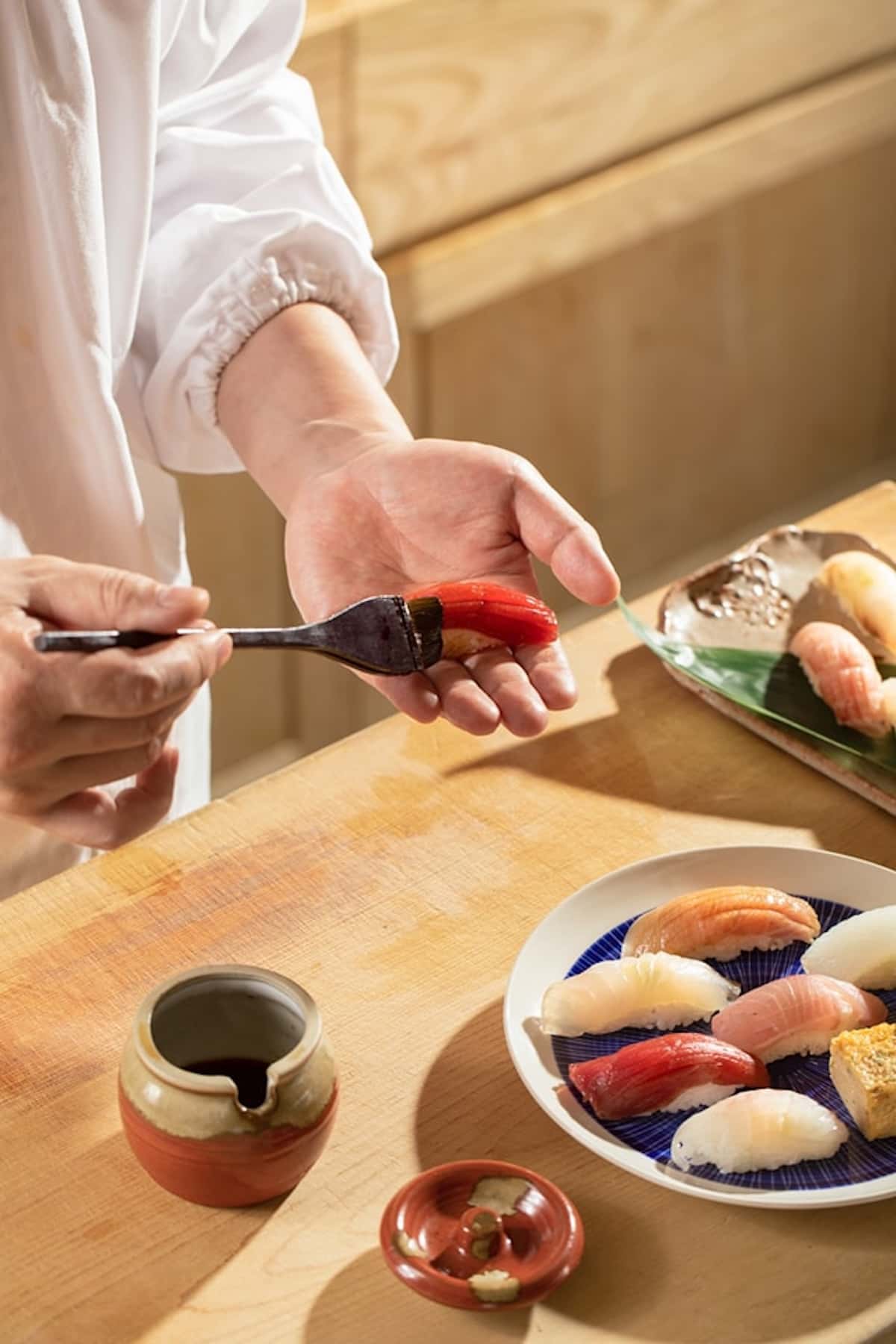
The chef's artistry extends beyond the technical aspects of cooking. It involves an intuitive understanding of flavor profiles, a deep respect for ingredients, and a desire to create a memorable experience for each guest. They are constantly experimenting, refining their techniques, and pushing the boundaries of culinary innovation. This dedication to their craft is what allows them to create truly unique and unforgettable omakase experiences.
Building Trust With The Chef
The essence of omakase lies in the trust placed in the chef. By relinquishing control over the menu, diners open themselves up to a world of culinary possibilities guided by the chef's expertise. This trust extends beyond simply accepting the chef's choices; it involves actively engaging with them, asking questions about the ingredients and techniques, and expressing your preferences. Building a rapport with the chef enhances the entire dining experience, transforming it from a passive consumption of food to an interactive and collaborative journey.
Trust is earned through the chef's demonstrable skill and passion. Diners can gauge this through their engagement with the preparation process, observing their knife skills, and listening to their explanations of each dish. A chef who is genuinely passionate about their craft will be eager to share their knowledge and insights, creating a sense of connection with the diners.
This trust also translates to a willingness to step outside of one's comfort zone and try new things. The chef may present dishes that are unconventional or feature ingredients that are unfamiliar. By embracing the unknown, diners can discover new flavors and textures, expanding their culinary horizons. This element of surprise and discovery is a key component of the omakase experience.
Communicating Your Preferences And Dietary Needs
While trust is paramount, effective communication is equally crucial in ensuring a satisfying omakase experience. Diners should proactively inform the chef of any dietary restrictions, allergies, or aversions they may have. This allows the chef to tailor the menu accordingly, ensuring that every dish is safe and enjoyable. Furthermore, communicating your general preferences, such as your preferred types of fish or flavor profiles, can help the chef curate a more personalized experience.
Clear and open communication is not just about avoiding unwanted ingredients; it's about actively shaping the direction of the meal. For example, if you have a particular fondness for uni (sea urchin), expressing this to the chef may prompt them to include it in multiple courses or prepare it in different ways. Similarly, if you prefer leaner cuts of fish, the chef can adjust their selections accordingly. By actively participating in the conversation, diners can ensure that the omakase experience aligns with their individual tastes and preferences.
It's important to note that omakase is not about dictating the menu to the chef. Rather, it's about providing them with the information they need to create a personalized and enjoyable experience. The chef will still retain creative control over the selection and preparation of the dishes, but they will do so with your preferences in mind.
Beyond The Food: The Ambiance And Atmosphere
An authentic omakase experience extends far beyond the quality of the food. The ambiance and atmosphere of the restaurant play a vital role in creating a holistic and memorable dining experience. From the design of the space to the attentiveness of the staff, every detail contributes to the overall impression.
The Importance Of The Setting
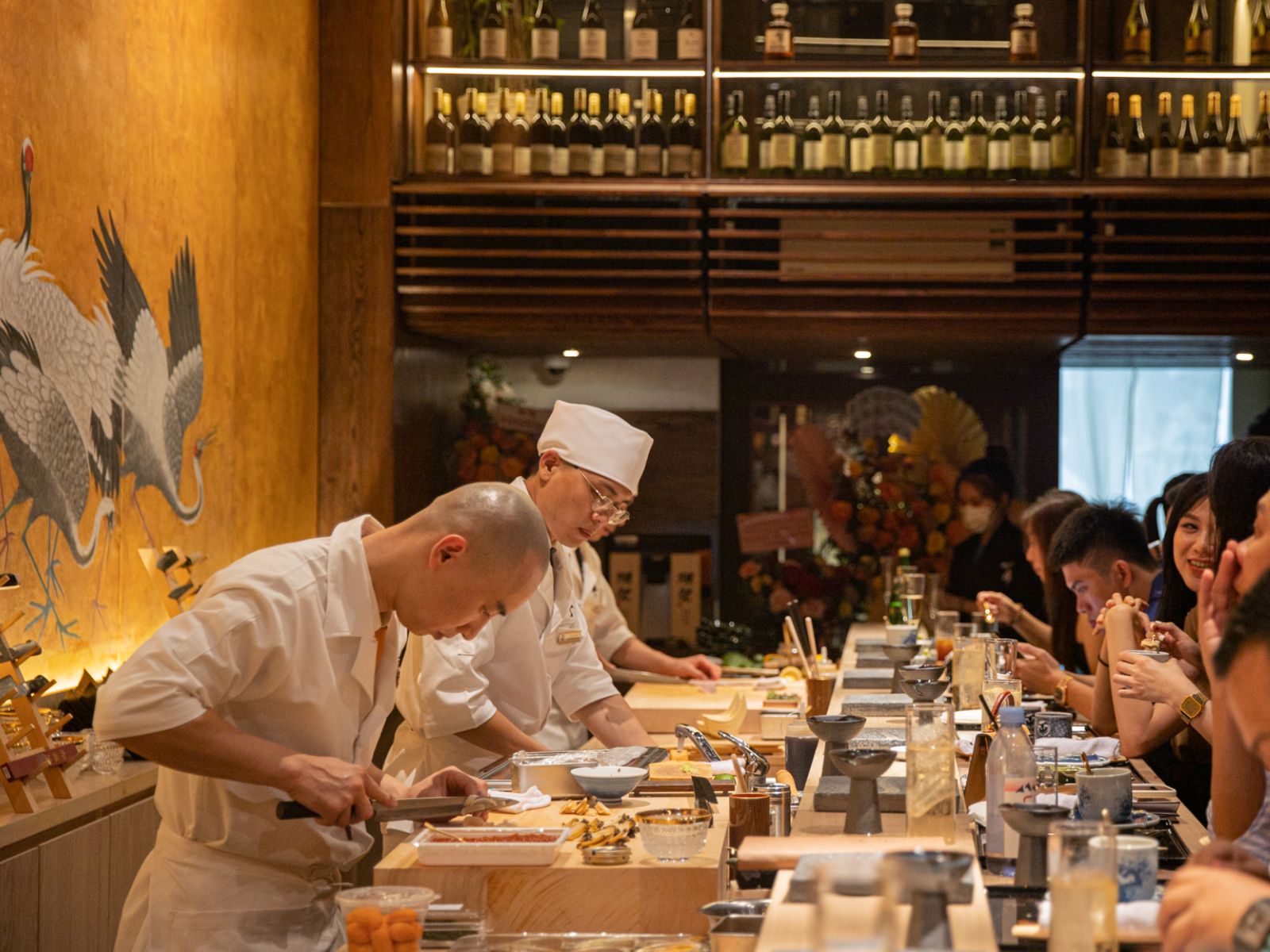
The setting of an omakase restaurant is carefully curated to create a sense of tranquility and sophistication. The décor is often minimalist, with clean lines, natural materials, and subtle lighting. The focus is on creating a serene and uncluttered space that allows the food to take center stage. The sushi counter, typically made of polished wood, is the focal point of the room, providing diners with a direct view of the chef's artistry.
The seating arrangement is also carefully considered. Many omakase restaurants feature a counter-only setup, which encourages interaction with the chef and fellow diners. This communal setting fosters a sense of shared experience and allows for a more intimate connection with the food. The spacing between seats is designed to provide a sense of privacy while still allowing for comfortable conversation.
Beyond the aesthetics, the acoustics of the space are also important. The restaurant should be quiet enough to allow for easy conversation without being overly sterile or silent. Soft background music, often traditional Japanese melodies, can help to create a relaxing and inviting atmosphere.
The Role Of Sake And Other Beverages
Sake is an integral part of the omakase experience, complementing the flavors of the sushi and enhancing the overall dining experience. A knowledgeable sommelier can guide diners through the selection process, recommending pairings that complement the specific dishes being served. The temperature, serving vessel, and presentation of the sake are all carefully considered to optimize its flavor and aroma.
Beyond sake, other beverages can also play a role in the omakase experience. Green tea, with its subtle bitterness and cleansing properties, is often served between courses to refresh the palate. Wine, particularly dry white wines, can also pair well with certain types of sushi. The key is to choose beverages that complement the flavors of the food without overpowering them.
The presentation of the beverages is also important. Sake is often served in delicate ceramic cups, while wine is presented in elegant glassware. These details contribute to the overall sense of refinement and attention to detail that is characteristic of the omakase experience.
Creating A Memorable Dining Experience
Ultimately, the goal of an authentic omakase experience is to create a lasting memory. This is achieved through a combination of exceptional food, attentive service, and a carefully curated atmosphere. The chef's passion for their craft, coupled with the diner's willingness to trust their expertise, creates a unique and intimate connection that transcends the simple act of eating.
The attentive service provided by the staff is crucial in enhancing the overall experience. From greeting guests upon arrival to providing detailed explanations of each dish, the staff should be knowledgeable, courteous, and unobtrusive. They should anticipate the needs of the diners without being overly intrusive, creating a sense of comfort and relaxation.
The small details also matter. The quality of the tableware, the presentation of the dishes, and the overall cleanliness of the restaurant all contribute to the overall impression. These subtle touches demonstrate a commitment to excellence and a respect for the dining experience.
Omakase Vs. Traditional Sushi: Key Differences
While both omakase and traditional sushi involve the consumption of expertly prepared seafood, several key distinctions set them apart. These differences lie in the level of personalization, the element of surprise, and the overall dining experience.
Level Of Personalization
Traditional sushi menus offer a wide array of choices, allowing diners to select exactly what they want to eat. Omakase, on the other hand, relinquishes this control, entrusting the chef to curate a personalized menu based on their expertise and the freshest available ingredients. This personalized approach allows for a more dynamic and responsive dining experience, as the chef can tailor the meal to the individual preferences and dietary needs of each guest.
In traditional sushi restaurants, the focus is often on efficiency and consistency. The same dishes are prepared in the same way, regardless of the diner's individual preferences. In omakase, the chef takes the time to understand the diner's tastes and create a menu that reflects their unique palate. This level of personalization is what makes omakase such a special and memorable experience.
The chef may also take into account the diner's previous experiences with sushi. If they are new to Japanese cuisine, the chef may start with milder flavors and gradually introduce more complex and adventurous dishes. If they are experienced sushi enthusiasts, the chef may challenge them with unique and unusual preparations.
The Element Of Surprise
In traditional sushi dining, the menu is known, and the diner selects each item. Omakase introduces an element of surprise, as the diner is unaware of what dishes will be served next. This element of surprise adds excitement and anticipation to the meal, encouraging diners to step outside of their comfort zones and try new things. The element of surprise also allows the chef to showcase their creativity and culinary skills, presenting dishes that may not be available on a traditional menu.
The surprise is not just about the specific dishes being served; it's also about the presentation. The chef may use unexpected ingredients, innovative techniques, or unconventional plating styles to create a visually stunning and intellectually stimulating experience. This element of surprise keeps the diner engaged and curious, making the meal more than just a passive consumption of food.
The chef may also use the element of surprise to challenge the diner's preconceived notions about sushi. They may present dishes that are sweet, savory, spicy, or sour, pushing the boundaries of traditional flavor profiles. This can be a transformative experience, expanding the diner's understanding of what sushi can be.

The Overall Dining Experience
Traditional sushi restaurants often prioritize efficiency and speed, catering to a high volume of customers. Omakase, in contrast, emphasizes a more leisurely and intimate dining experience. The meal is typically paced over several hours, allowing diners to savor each dish and engage in conversation with the chef and their fellow diners. The overall dining experience is designed to be a celebration of Japanese cuisine and culture, creating a lasting memory for all involved.
The omakase experience is not just about the food; it's about the entire atmosphere. The lighting, the music, the décor, and the service all contribute to the overall ambiance. The goal is to create a space that is both elegant and comfortable, allowing diners to relax and fully appreciate the experience.
The interaction with the chef is also a key component of the omakase experience. The chef is not just a cook; they are a host, a storyteller, and an educator. They will share their knowledge of the ingredients, the techniques, and the traditions behind each dish, enriching the diner's understanding of Japanese cuisine. This personal connection is what makes omakase such a unique and rewarding dining experience. Experiencing an authentic omakase requires trust, openness, and a willingness to embark on a culinary journey guided by a master chef. It's an investment in an experience, not just a meal, promising a deeper appreciation for the art of sushi and the nuances of Japanese culinary tradition. Exploring the world of omakase offers a unique opportunity to connect with food on a more personal and meaningful level.


Messenger

Back to top