
Sashimi, a cornerstone of Japanese culinary tradition, is more than just raw fish; it's an art form that embodies simplicity, precision, and respect for ingredients. This delicacy, celebrated for its delicate flavors and textures, offers a unique sensory experience that captivates food enthusiasts worldwide. Join us as we embark on a journey to uncover the essence of sashimi, exploring its origins, preparation, and cultural significance. From understanding the nuances between sashimi and sushi to mastering the proper etiquette for enjoying this dish, we'll delve into every aspect of this exquisite culinary practice.
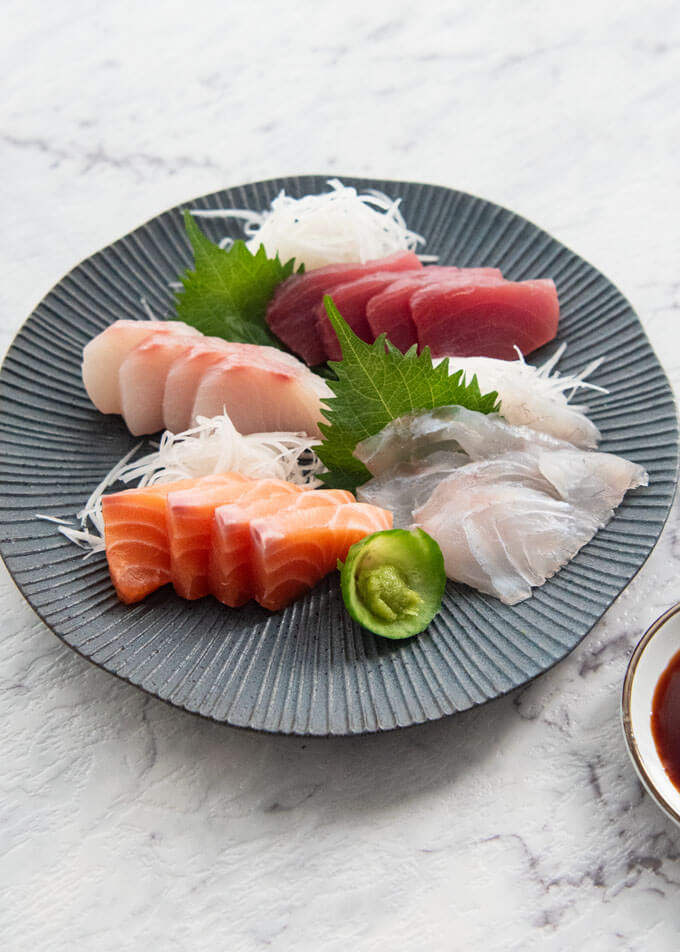
What is Sashimi?
Definition and origins of sashimi
Sashimi, derived from the Japanese words 'sa' (knife) and 'shimi' (body), literally translates to 'pierced body,' referring to the traditional preparation method. Its origins can be traced back to ancient Japan, where the consumption of raw fish was initially a necessity due to limited preservation techniques. However, over time, it evolved into a sophisticated culinary art, emphasizing the quality, freshness, and presentation of the fish.
The dish's evolution was also influenced by Buddhist beliefs, which promoted vegetarianism. To circumvent these restrictions, chefs began preparing seafood in ways that mimicked vegetarian dishes, leading to innovative techniques in slicing and presentation. This period marked the transition of sashimi from a simple means of sustenance to a refined culinary experience, highly valued in Japanese culture.
Common types of fish used
The selection of fish for sashimi is a critical aspect of the dish. Only the freshest, highest-quality fish are deemed suitable, and chefs undergo rigorous training to identify and prepare them properly. Some of the most popular types of fish used in sashimi include:
- Salmon (Sake): Known for its rich, buttery flavor and vibrant orange color.
- Tuna (Maguro): Ranging from lean Akami to fatty Toro, each cut offers a distinct taste and texture.
- Yellowtail (Hamachi/Buri): Celebrated for its smooth, delicate flavor and firm texture.
- Sea Bream (Tai): Prized for its clean, subtle flavor and beautiful appearance.
- Scallop (Hotate): Offers a sweet, delicate flavor and tender texture.
- Squid (Ika): Known for its chewy texture and mild flavor, often served with ginger or soy sauce.
- Mackerel (Saba): Has a strong, distinctive flavor and is often cured or pickled before serving.
- Octopus (Tako): Boiled then thinly sliced, it has a slightly chewy texture and mild flavor.
The choice of fish depends on seasonality, availability, and the chef's expertise. Each type of fish requires specific cutting techniques to enhance its unique flavor and texture, showcasing the chef's mastery and attention to detail.
Sashimi vs. sushi: What's the difference?
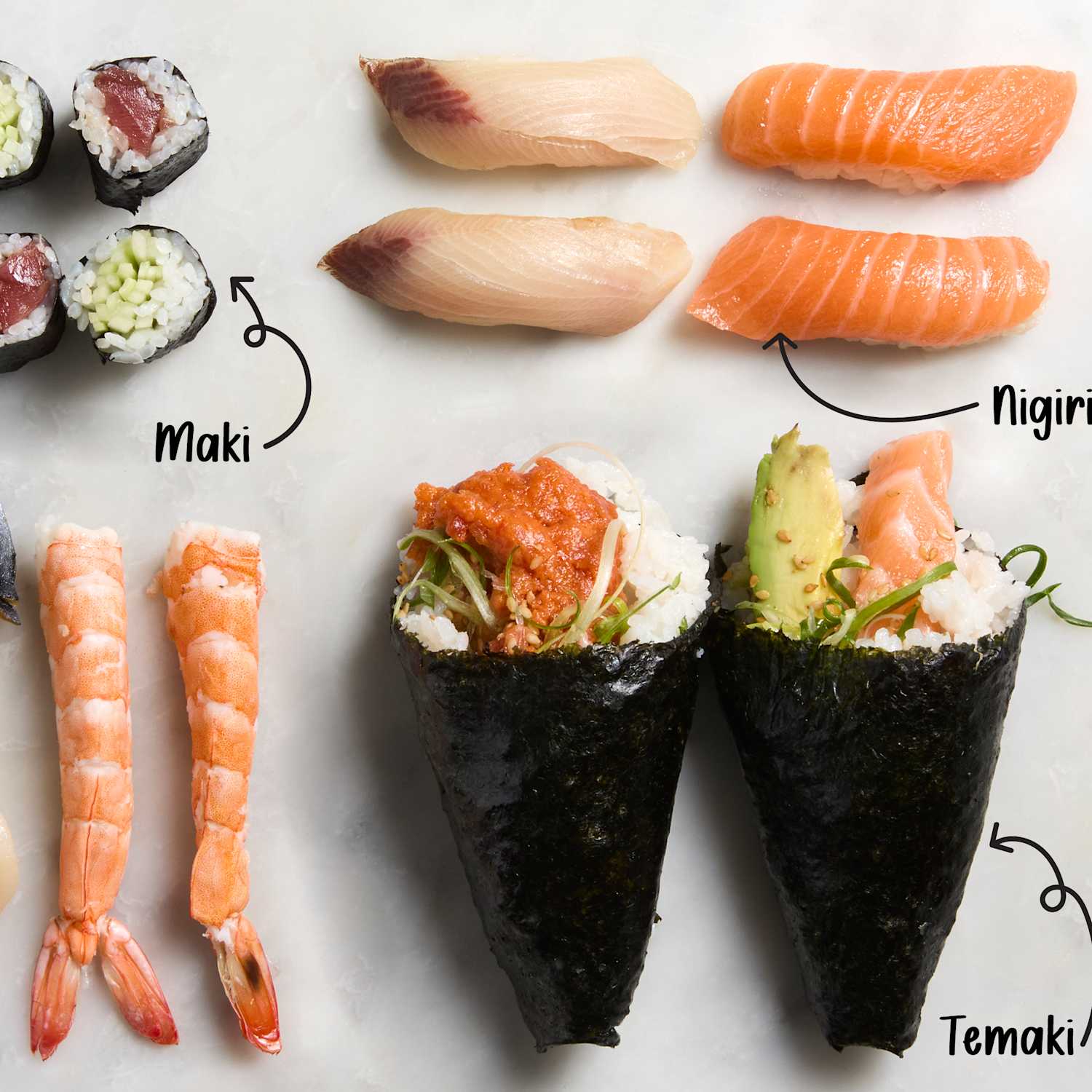
While often used interchangeably, sashimi and sushi are distinct dishes with key differences. The primary distinction lies in the ingredients: sashimi consists solely of thinly sliced raw fish or seafood, while sushi always includes vinegared rice. Sashimi is all about the pure taste and texture of the fish, whereas sushi combines the fish with rice and other ingredients like seaweed and vegetables.
Another difference is in the presentation. Sashimi is typically served with minimal accompaniments to highlight the fish's quality, while sushi can be presented in various forms, such as nigiri (fish over rice), maki (rolled sushi), or temaki (hand-rolled sushi). Understanding these differences enhances appreciation for both dishes and allows diners to savor the unique qualities of each.
To summarise:
- Sashimi is thinly sliced raw fish served without rice.
- Sushi combines raw or cooked ingredients with vinegared rice.
- Sashimi focuses on the pure flavor of the fish.
- Sushi is a combination of fish, rice, and other ingredients.
- Presentation differs, with sashimi being more minimalist.
Preparing and Serving Sashimi
Essential tools and techniques
The art of preparing sashimi requires specialized tools and precise techniques. A sashimi bocho, a long, thin knife with a single-bevel blade, is essential for creating clean, even slices. This knife allows chefs to cut through the fish without tearing or damaging its delicate texture.
The cutting technique, known as hikimigaki, involves drawing the knife through the fish in one smooth motion. This requires years of practice to master, ensuring the slices are uniform and visually appealing. Other essential tools include a honing steel to keep the knife sharp, a cutting board, and tweezers for removing bones or scales.
Proper preparation also involves maintaining a clean and sanitary workspace to prevent contamination. Chefs must be meticulous about hygiene, ensuring all tools and surfaces are thoroughly cleaned and sanitized before and after use. The temperature of the fish is also critical, as it must be kept chilled throughout the preparation process to maintain its freshness and quality. This meticulous attention to detail is what elevates sashimi from a simple dish to an art form.
Traditional garnishes and condiments
Sashimi is typically served with a variety of garnishes and condiments that complement the flavors of the fish. These accompaniments not only enhance the taste but also add to the visual appeal of the dish. Common garnishes include:
- Shiso Leaves: Provide a refreshing, minty flavor and are often used to wrap the sashimi.
- Daikon Radish: Grated or thinly sliced, it offers a crisp, clean taste that helps cleanse the palate.
- Seaweed: Adds a briny flavor and a contrasting texture to the dish.
- Edible Flowers: Used for decoration and to add a subtle floral aroma.
The most important condiments served with sashimi are wasabi and soy sauce. Wasabi, a pungent Japanese horseradish, adds a spicy kick that complements the richness of the fish. Soy sauce, or shoyu, provides a salty umami flavor that enhances the overall taste. It’s important to use high-quality soy sauce, as it can significantly impact the flavor profile of the sashimi.
Chefs carefully select these garnishes and condiments to balance the flavors and textures of the fish, creating a harmonious culinary experience.
Proper etiquette for eating sashimi
Enjoying sashimi is not just about taste; it's also about following proper etiquette to show respect for the dish and the chef. Here are some guidelines to keep in mind:
Following these etiquette guidelines enhances the dining experience and demonstrates respect for the culinary traditions of Japan. Appreciating the subtle nuances of sashimi is a sign of a true culinary enthusiast.


Health Benefits and Considerations
Nutritional value of sashimi
Sashimi is not only a culinary delight but also a nutritious food choice. It is a rich source of high-quality protein, essential for building and repairing tissues. Additionally, sashimi is packed with omega-3 fatty acids, which are beneficial for heart health, brain function, and reducing inflammation.
The nutritional value of sashimi varies depending on the type of fish. For example, salmon is high in vitamin D, while tuna is a good source of iron and vitamin B12. Sashimi is also low in calories and carbohydrates, making it a healthy option for those watching their weight or managing blood sugar levels.
Here's a quick overview of the nutritional benefits:
- High in protein for muscle building and repair.
- Rich in omega-3 fatty acids for heart and brain health.
- Good source of vitamins and minerals.
- Low in calories and carbohydrates.
- Supports overall health and well-being.
Incorporating sashimi into a balanced diet can contribute to overall health and well-being.
Potential risks and how to minimize them
While sashimi offers numerous health benefits, it's essential to be aware of potential risks associated with consuming raw fish. One of the primary concerns is the risk of parasitic infections. Fish can harbor parasites that, if ingested, can cause various health issues. To minimize this risk, it's crucial to source sashimi from reputable establishments that adhere to strict food safety standards.
Another potential risk is bacterial contamination. Raw fish can be a breeding ground for bacteria like Salmonella and Vibrio, which can cause food poisoning. Proper handling, storage, and preparation are essential to prevent bacterial growth. Reputable restaurants ensure that fish is stored at the correct temperature and prepared in a sanitary environment.
Mercury levels in fish are also a concern, particularly with larger predatory fish like tuna. High levels of mercury can be harmful, especially for pregnant women and young children. Choosing fish with lower mercury levels and consuming sashimi in moderation can help mitigate this risk.
To minimize risks:
- Source from reputable establishments.
- Ensure proper handling and storage.
- Choose fish with lower mercury levels.
- Consume in moderation.
- Be aware of potential allergic reactions.
By taking these precautions, you can enjoy the health benefits of sashimi while minimizing potential risks.
Sustainable sourcing and ethical consumption
As the demand for sashimi continues to grow, it's increasingly important to consider the sustainability and ethical implications of our consumption choices. Overfishing and destructive fishing practices can have devastating impacts on marine ecosystems, leading to the depletion of fish populations and damage to habitats.
Choosing sustainably sourced sashimi is a way to support responsible fishing practices. Look for certifications like the Marine Stewardship Council (MSC) label, which indicates that the fish has been harvested in an environmentally sustainable manner. Sustainable seafood guides can also help you make informed choices about which types of fish are less likely to be overfished or caught using harmful methods.
Supporting local fisheries and small-scale producers is another way to promote ethical consumption. These producers often have a vested interest in maintaining healthy fish populations and using sustainable fishing practices. By choosing their products, you can help support their livelihoods and contribute to the preservation of marine ecosystems.
Furthermore, reducing food waste is an important aspect of ethical consumption. Only order what you can eat and avoid wasting any part of the sashimi. By making conscious choices about the source and consumption of sashimi, you can help ensure that this delicacy can be enjoyed for generations to come. Supporting eco-friendly materials and brands is a great way to make sure you are impacting our environment in a positive way.
Sashimi is a culinary treasure that embodies the essence of Japanese cuisine. From its humble origins to its refined preparation and sophisticated etiquette, every aspect of sashimi reflects a deep respect for ingredients and culinary tradition. By understanding the nuances of this dish and making informed choices about its consumption, we can appreciate its unique flavors and contribute to its sustainable future. The next time you savor a piece of sashimi, take a moment to appreciate the artistry and dedication that goes into creating this exquisite culinary experience.


Messenger

Back to top