
Rice, a staple food for billions, holds immense cultural and economic significance in both Japan and Vietnam. While both nations have deeply rooted histories with rice, their cultivation methods, economic dependencies, and future approaches differ significantly. This article delves into a comprehensive comparison of rice in Japan and Vietnam, exploring its historical evolution, economic importance, and the challenges and opportunities that lie ahead. Understanding these nuances is crucial for appreciating the role of rice in shaping these societies and for navigating the future of rice farming in a changing world.
A Comparative History of Rice in Japan and Vietnam
Origins and Early Cultivation Methods
The history of rice cultivation in Japan and Vietnam stretches back millennia, each with its unique trajectory. In Japan, rice cultivation is believed to have been introduced around 300 BC during the Yayoi period, likely from the Korean Peninsula or China. Early methods involved wetland or paddy rice farming, a technique well-suited to the Japanese archipelago's climate and geography. This method required significant communal effort in irrigation and land management.
In Vietnam, the story is even older. Archaeological evidence suggests that rice cultivation in the Red River Delta may date back as far as 6000 BC. The wet rice cultivation thrived in the fertile deltas of the Mekong and Red Rivers, leveraging the monsoon climate and abundant water resources. Traditional methods in Vietnam involved using water buffalo for plowing and transplanting rice seedlings by hand, techniques passed down through generations.
The Role of Rice in Feudal Societies
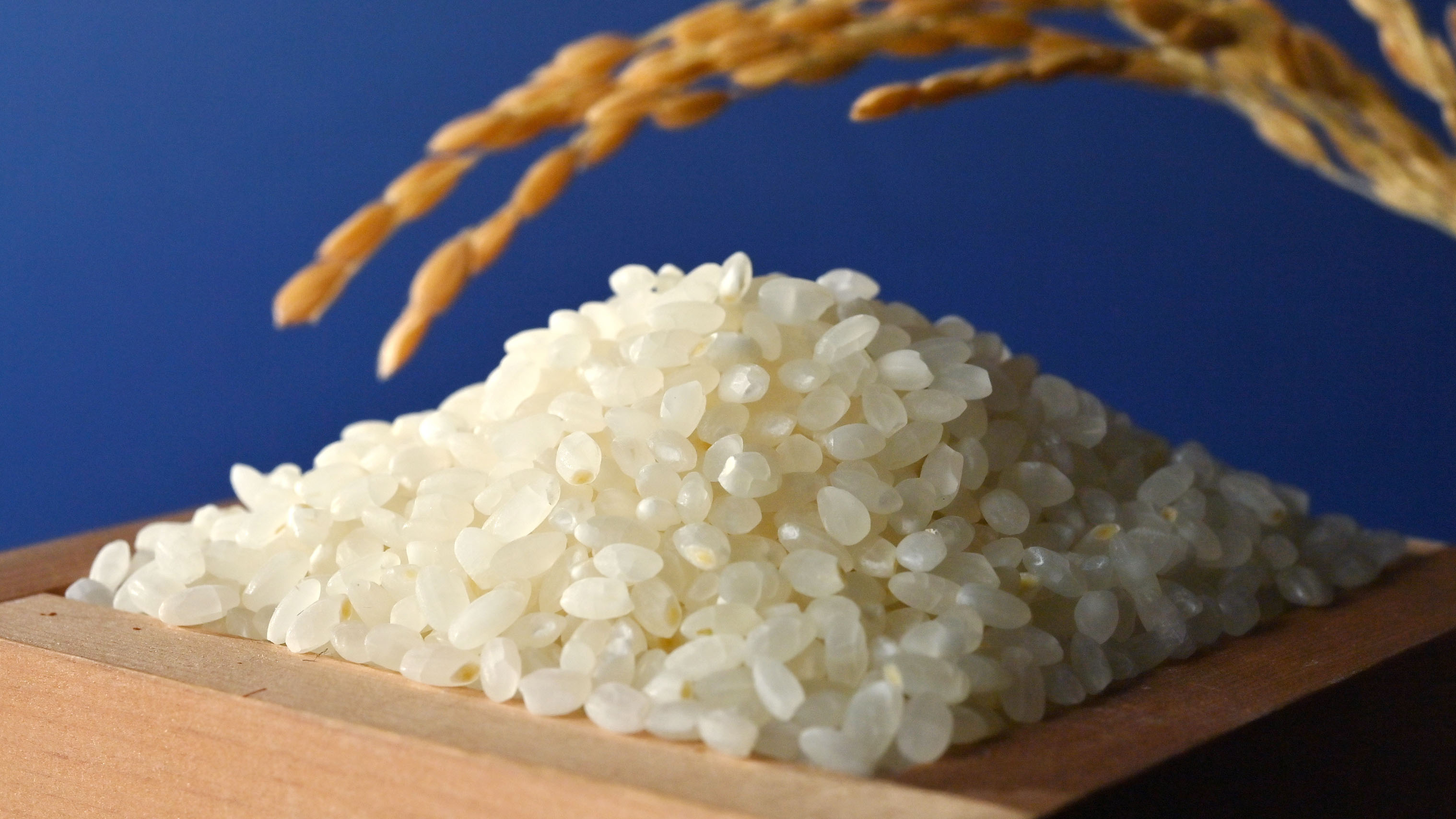
In both Japan and Vietnam, rice played a central role in shaping their respective feudal societies. In Japan, rice became the basis of the feudal economy. The daimyo, or feudal lords, measured their wealth and power in koku, a unit equivalent to approximately 180 liters of rice. Rice was not just a food source; it was also used as currency to pay samurai warriors and to fund public works. The control of rice production was thus synonymous with political control.
Similarly, in Vietnam, rice was the backbone of the feudal system. The Vietnamese monarchy relied on rice taxes to fund the state and maintain its military. Land ownership and rice production were closely tied to social status, with the aristocracy controlling vast rice fields. Rice surpluses also enabled the development of trade and commerce, further solidifying its economic importance. The phrase premium Vietnamese rice was not yet a thing, but the importance of rice was already well established.
Impact of Colonialism on Rice Production
Colonialism brought significant changes to rice production in both countries, albeit in different ways. In Japan, the Meiji Restoration in 1868 marked a period of rapid modernization. The government invested in agricultural research and infrastructure, leading to increased rice yields. However, Japan's colonial expansion also led to the exploitation of rice resources in Korea and Taiwan, as these colonies were used to supplement Japan's rice supply.
Vietnam, under French colonial rule, experienced a different set of impacts. The French focused on maximizing rice exports from the Mekong Delta, often at the expense of local farmers. They introduced new farming techniques and irrigation systems but also imposed heavy taxes and land policies that favored French landowners. This exploitation led to widespread rural poverty and social unrest, setting the stage for future conflicts.
Economic Importance of Rice
Rice as a Staple Food and Export Commodity
Rice remains a critical staple food in both Japan and Vietnam, although its role as an export commodity varies. In Japan, rice is deeply ingrained in the national cuisine and culture. Despite a declining population and changing dietary habits, domestic rice production is still heavily subsidized to ensure food security. Japan also imports rice, often under tariff agreements, to meet consumer demand and fulfill international obligations.
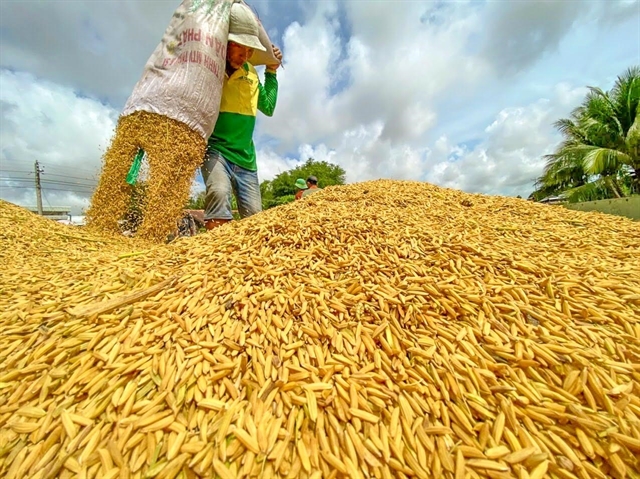
Vietnam, on the other hand, has transformed itself into one of the world's leading rice exporters. The Vietnamese rice export industry has grown exponentially since the 1980s, driven by government policies promoting agricultural innovation and market liberalization. Vietnamese rice is now exported to numerous countries, contributing significantly to the national economy.
The Rice Trade and Global Markets
The rice trade plays a crucial role in the global economy, with Japan and Vietnam occupying distinct positions. Japan, while not a major exporter, is a significant importer of rice, particularly specialized varieties. Its demand influences global rice prices and trade dynamics, especially for high-quality rice.
Vietnam's emergence as a major rice exporter has had a profound impact on global markets. Vietnamese rice is known for its competitive pricing and consistent quality, making it a popular choice in many Asian and African countries. However, Vietnam also faces challenges in competing with other major exporters like Thailand and India, particularly in terms of branding and value-added products.
Economic Challenges and Opportunities
Both Japan and Vietnam face unique economic challenges and opportunities in their respective rice industries. Japan's challenges include an aging farming population, declining domestic consumption, and the high cost of production. Opportunities lie in developing niche markets for premium rice varieties, promoting agricultural tourism, and leveraging technology to improve efficiency.
Vietnam's challenges include vulnerability to climate change, reliance on traditional farming methods, and the need to improve the quality and branding of its rice exports. Opportunities lie in adopting sustainable farming practices, investing in research and development, and diversifying its export markets. Vietnam is also exploring the production and export of low-emission rice, aligning with global efforts to reduce carbon footprints.
The Future of Rice Farming
Climate Change and its Impact
Climate change poses a significant threat to rice farming in both Japan and Vietnam. Rising temperatures, changing rainfall patterns, and increased frequency of extreme weather events can disrupt rice production, leading to reduced yields and economic losses. Coastal regions are particularly vulnerable to sea-level rise and saltwater intrusion, which can render rice fields unusable.
In Japan, climate change is expected to exacerbate existing challenges such as declining yields and increased pest infestations. In Vietnam, the Mekong Delta, a major rice-producing region, is highly vulnerable to flooding and drought. Adapting to these changes will require significant investments in climate-resilient farming practices and infrastructure.
Sustainable Farming Practices
Adopting sustainable farming practices is crucial for ensuring the long-term viability of rice farming in both countries. Sustainable practices include reducing the use of chemical fertilizers and pesticides, conserving water resources, and promoting biodiversity. These practices not only mitigate the environmental impacts of rice farming but also improve soil health and increase yields.
In Japan, there is a growing interest in organic rice farming and the development of environmentally friendly farming techniques. In Vietnam, the government is promoting the adoption of the sustainable rice platform (SRP) standards, which aim to improve the environmental and social performance of rice production.
Here are some sustainable farming practices:
Technological Advancements in Rice Cultivation
Technological advancements offer promising solutions for improving the efficiency and sustainability of rice cultivation. Precision farming techniques, such as using drones and sensors to monitor crop health and optimize inputs, can help farmers make more informed decisions and reduce waste. Biotechnology can also play a role in developing rice varieties that are more resistant to pests, diseases, and climate change.
In Japan, there is significant investment in agricultural robotics and automation to address the labor shortage in the farming sector. In Vietnam, researchers are developing new rice varieties that are more tolerant to drought and salinity. Collaboration between Japan and Vietnam in agricultural technology could accelerate the adoption of these advancements and benefit both countries. The rice trade and global markets are constantly evolving.
In conclusion, while both Japan and Vietnam share a long and intertwined history with rice, their current approaches to rice farming and trade reflect their unique economic and social contexts. Addressing the challenges posed by climate change and embracing sustainable practices will be crucial for ensuring the future of rice farming in both countries. The economic importance of rice cannot be overstated, and continued innovation and collaboration will be essential for maximizing its potential.


Messenger

Back to top