
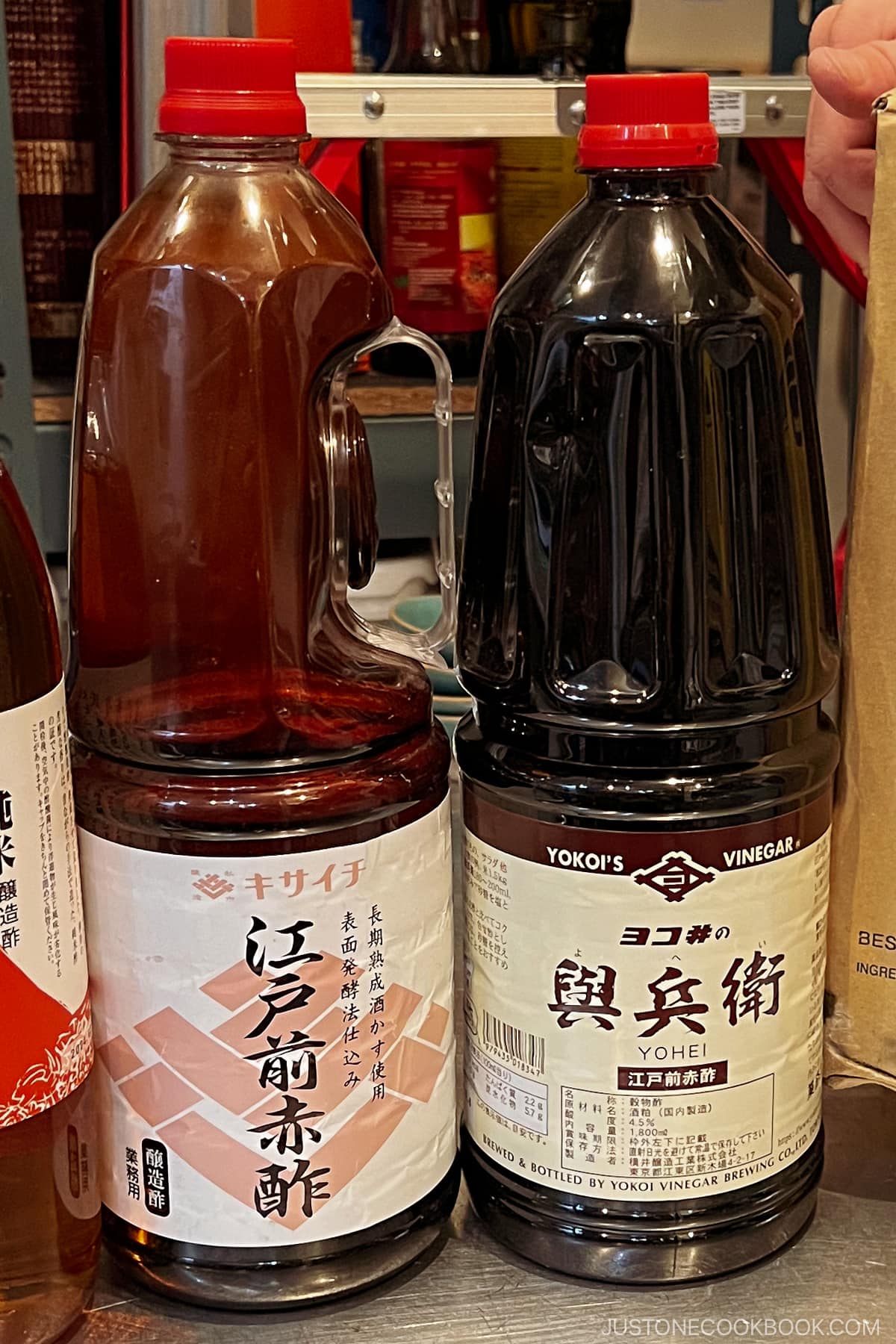
Red vinegar, or Akazu, is a distinctive type of Japanese vinegar celebrated for its rich flavor, historical significance, and health benefits. Unlike other vinegars, Akazu is traditionally made from sake lees, the leftover sediment from sake production. This unique production method imparts a complex, umami-rich flavor profile that distinguishes it in the culinary world. From enhancing sushi rice to serving as a versatile ingredient in marinades and sauces, Akazu offers a unique depth of flavor that elevates various dishes. Furthermore, its potential health benefits, stemming from its antioxidant properties and positive impact on digestion, make it a valuable addition to a balanced diet. This article delves into the history, production, culinary applications, and health benefits of red vinegar, offering a comprehensive understanding of this exceptional ingredient.
What is Red Vinegar (Akazu)?
Akazu, or red vinegar, stands out in the world of vinegars due to its unique origins and production. Its history is deeply intertwined with traditional Japanese sake brewing, and its production methods have been refined over centuries to create a vinegar with a distinctive flavor profile. Understanding these aspects is crucial to appreciating what sets Akazu apart.
The History and Origins of Akazu
The history of Akazu is intrinsically linked to the history of sake production in Japan. Dating back to the Edo period (1603-1868), sake breweries sought ways to utilize the sake lees, also known as sake kasu, which were previously discarded as waste. These lees, rich in nutrients and flavor, were discovered to have potential for fermentation into vinegar. This marked the birth of Akazu, a vinegar that not only reduced waste but also added a unique dimension to Japanese cuisine.
Initially, Akazu was a byproduct, a resourceful solution to waste management in sake breweries. However, its unique flavor profile quickly gained recognition. Chefs, particularly those specializing in sushi, began to appreciate the depth and complexity that Akazu brought to sushi rice. This led to Akazu becoming a prized ingredient, transforming from a mere byproduct to a culinary staple. Today, Akazu is revered for its historical significance and its contribution to the art of Japanese cuisine.
Production Methods of Red Vinegar
The production of Akazu is a meticulous process that distinguishes it from other types of vinegar. The primary ingredient, sake lees, is carefully aged, often for several years, to develop its flavor. This aging process is critical as it allows the lees to undergo complex transformations, resulting in a richer and more nuanced base for the vinegar.
The traditional method involves:
Modern production methods may incorporate some technological advancements to control temperature and acidity levels more precisely, but the fundamental principles remain the same. The emphasis is always on allowing the sake lees to express their full potential, resulting in a vinegar that is both complex and refined.
Flavor Profile and Characteristics
Akazu's flavor profile is what truly sets it apart. Unlike the sharp acidity of some other vinegars, Akazu offers a more rounded and umami-rich taste. The aging of sake lees contributes to a depth of flavor that is often described as:
- Earthy
- Mellow
- Slightly Sweet
- Complex with Umami
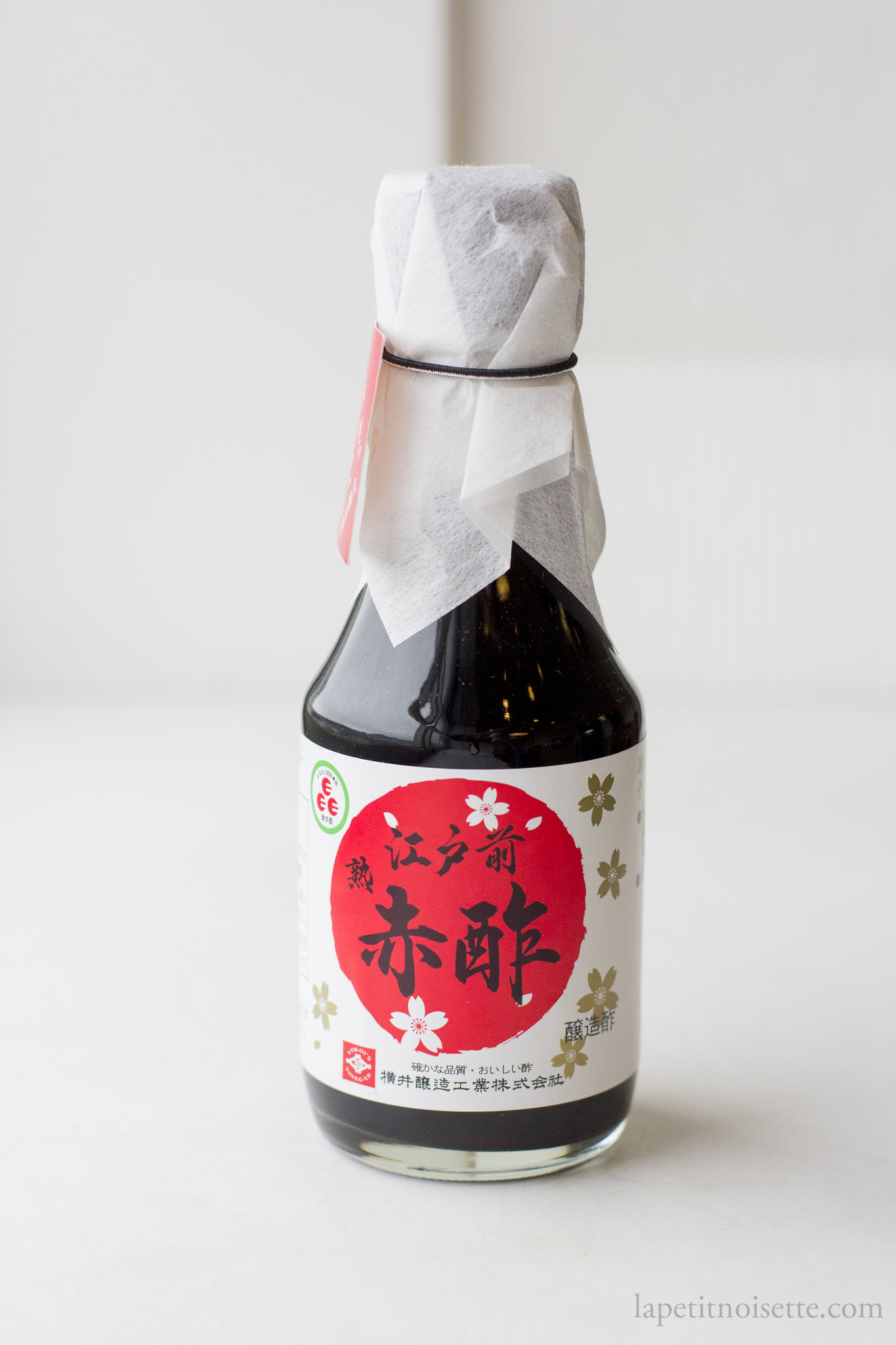
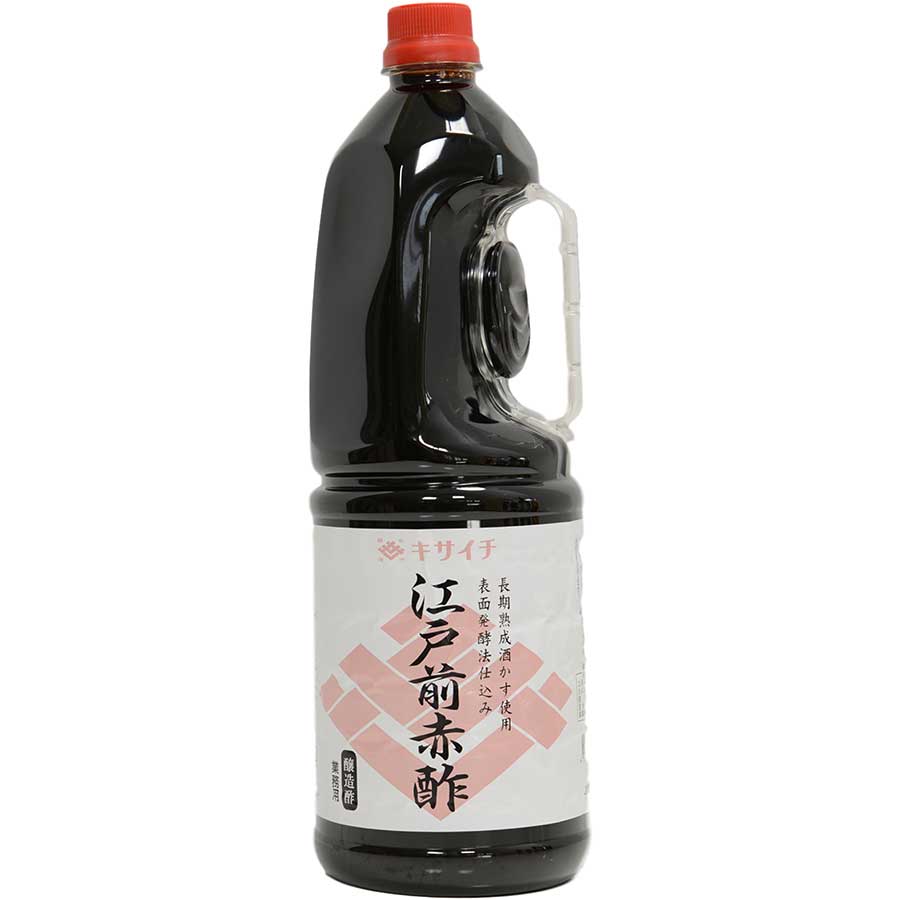
The color of Akazu is also distinctive, ranging from a light amber to a deeper reddish-brown, depending on the aging process and the specific sake lees used. This visual characteristic, along with its unique flavor, makes Akazu easily identifiable and highly valued in culinary applications.
Culinary Uses of Red Vinegar
Red vinegar is a versatile ingredient that enhances a wide array of dishes. Its unique flavor profile makes it particularly prized in sushi preparation, but its applications extend far beyond this traditional use. From marinades to sauces, Akazu adds depth and complexity to various culinary creations.
Red Vinegar in Sushi Rice Preparation
The most celebrated use of Akazu is in the preparation of sushi rice. In traditional sushi making, the quality of the rice is paramount, and Akazu plays a crucial role in achieving the perfect balance of flavor and texture. The acidity of the vinegar helps to season the rice, preventing it from becoming sticky and clumpy, while its umami-rich flavor enhances the overall taste.
The traditional method involves:
The result is sushi rice that is not only perfectly seasoned but also has a subtle depth of flavor that complements the fresh seafood and other ingredients used in sushi.
Akazu as a Marinade and Sauce Ingredient
Beyond sushi rice, Akazu is a versatile ingredient in marinades and sauces. Its complex flavor profile adds depth to marinades for meats and vegetables, helping to tenderize and infuse them with a unique taste. In sauces, Akazu can be used to balance sweetness or richness, providing a subtle acidity and umami that elevates the overall flavor.
Examples of how Akazu can be used include:
- Meat Marinades: Enhancing the flavor and tenderness of beef, pork, and chicken.
- Vegetable Marinades: Adding depth to grilled or roasted vegetables.
- Salad Dressings: Creating vinaigrettes with a unique and complex flavor.
- Dipping Sauces: Providing a balanced and flavorful accompaniment to tempura or gyoza.
The key to using Akazu effectively is to balance its flavor with other ingredients, allowing its unique characteristics to shine without overpowering the dish.
Red Vinegar Pairings with Different Foods
Akazu pairs well with a variety of foods, thanks to its balanced flavor profile. Its subtle acidity and umami make it an excellent complement to seafood, vegetables, and even certain meats. Understanding these pairings can help chefs and home cooks alike to make the most of this exceptional ingredient.
Some notable pairings include:
- Seafood: Akazu enhances the natural flavors of fish and shellfish, making it a perfect match for sushi, sashimi, and grilled seafood.
- Vegetables: Its acidity cuts through the richness of vegetables like eggplant and mushrooms, while its umami adds depth to lighter greens.
- Poultry: Akazu can be used in marinades for chicken and duck, adding a unique twist to traditional recipes.
- Eggs: A splash of Akazu can elevate the flavor of omelets and other egg dishes.
Experimenting with Akazu in different dishes can reveal new and exciting flavor combinations, making it a valuable addition to any culinary repertoire.
Health Benefits and Nutritional Value
In addition to its culinary applications, Akazu offers several potential health benefits. Its antioxidant properties and positive impact on digestion make it a valuable addition to a balanced diet. Understanding these benefits can further enhance appreciation for this exceptional vinegar.
Antioxidant Properties of Red Vinegar
Akazu is rich in antioxidants, which are compounds that help protect the body against damage from free radicals. These free radicals can contribute to aging and various health problems, so consuming antioxidant-rich foods like Akazu can be beneficial. The antioxidants in Akazu are derived from the sake lees used in its production, which are naturally high in these compounds.
The antioxidant properties of Akazu may contribute to:
- Reduced risk of chronic diseases
- Improved cardiovascular health
- Enhanced immune function
- Protection against cellular damage
While more research is needed to fully understand the extent of these benefits, the presence of antioxidants in Akazu makes it a potentially valuable addition to a health-conscious diet.
Akazu and its Impact on Digestion
Vinegar, in general, has been known to aid in digestion, and Akazu is no exception. Its acetic acid content can help to stimulate the production of digestive enzymes, which can improve the breakdown of food and the absorption of nutrients. Additionally, Akazu may have a positive impact on gut health by promoting the growth of beneficial bacteria.
The potential digestive benefits of Akazu include:
- Improved nutrient absorption
- Reduced bloating and gas
- Enhanced gut health
- Regulation of stomach acid
Incorporating Akazu into meals may help to support healthy digestion and overall well-being. However, it is important to consume it in moderation, as excessive vinegar intake can have adverse effects.
Potential Health Benefits Compared to Other Vinegars
While all vinegars share some common health benefits, Akazu stands out due to its unique production method and flavor profile. The sake lees used in Akazu are rich in nutrients and compounds that are not typically found in other vinegars. This may give Akazu an edge in terms of specific health benefits.
Compared to other vinegars, Akazu may offer:
- Higher antioxidant content
- More complex flavor profile
- Unique nutrients from sake lees
- Potential for enhanced digestive benefits
While more research is needed to confirm these potential advantages, the unique characteristics of Akazu make it a compelling choice for those seeking to enhance their health through diet. Its rich flavor and potential health benefits make it a valuable addition to any kitchen.
In conclusion, red vinegar is more than just a condiment; it is a testament to the ingenuity and resourcefulness of traditional Japanese culinary practices. Its journey from a byproduct of sake production to a prized ingredient in high-end sushi restaurants speaks volumes about its unique flavor and versatility. Whether used in sushi rice, marinades, or sauces, Akazu adds a depth of flavor that is unmatched by other vinegars. Furthermore, its potential health benefits, stemming from its antioxidant properties and positive impact on digestion, make it a valuable addition to a balanced diet. As more people discover the wonders of Akazu, it is likely to become an increasingly popular ingredient in kitchens around the world. The distinctive taste of akazu truly sets it apart. For those looking to elevate their culinary creations and explore new flavors, Akazu is an ingredient worth discovering.


Messenger

Back to top