
Pho, the iconic Vietnamese noodle soup, has captured the hearts and palates of food enthusiasts worldwide. This aromatic and flavorful dish boasts a rich history, regional variations, and a complex preparation process that elevates it beyond a simple soup. From its humble beginnings to its global recognition, pho represents a culinary journey through Vietnam's vibrant culture. This guide delves into the essence of pho, exploring its origins, ingredients, preparation, and the proper way to savor this delicious Vietnamese food.

A Brief History of Pho
The history of pho is intertwined with the French colonial period in Vietnam during the early 20th century. It is believed to have originated in the northern part of the country, specifically in Hanoi. Some theories suggest that pho was influenced by French cuisine, particularly the beef stew known as pot-au-feu. The availability of beef bones from the French is said to have contributed to the creation of the rich and flavorful pho broth.
Initially, pho was primarily sold by street vendors who carried mobile kitchens on their shoulders. These vendors would serve the steaming hot soup to workers and locals, providing a nourishing and affordable meal. Over time, pho became increasingly popular, and dedicated pho restaurants began to emerge in Hanoi.
The dish's popularity spread throughout Vietnam, particularly after the division of the country in 1954. As people migrated from the north to the south, they brought their culinary traditions with them, including pho. This led to the development of regional variations of pho, each with its own unique characteristics and flavors.
Regional Variations of Pho in Vietnam
While pho is a national dish of Vietnam, regional variations have evolved over time, reflecting local preferences and ingredients.
Northern Pho (Pho Bac)
Northern pho, or Pho Bac, is considered the original style of pho. It is characterized by its clear and simple broth, typically made with beef bones, ginger, and onions. The noodles are usually wider and flatter than those used in southern pho. Northern pho often features thinly sliced beef, such as tái (rare beef) or chín (well-done beef). Toppings are typically minimal, consisting of green onions, cilantro, and a squeeze of lime.
Southern Pho (Pho Nam)
Southern pho, or Pho Nam, is a more elaborate and flavorful variation. The broth is often sweeter and richer than northern pho, thanks to the addition of rock sugar and other spices. Southern pho also features a wider range of toppings, including bean sprouts, basil, culantro, and hoisin sauce. The meat options are more diverse, including brisket, flank steak, and tendon. A popular variation of southern pho is pho ga, which features chicken instead of beef.
Other Regional Variations
In addition to northern and southern pho, other regional variations exist throughout Vietnam. For example, in the central region of Vietnam, pho is often served with a spicy chili oil, reflecting the region's penchant for bold flavors. In some coastal areas, pho may include seafood, such as shrimp or fish.
Pho's Rising Popularity Around the World
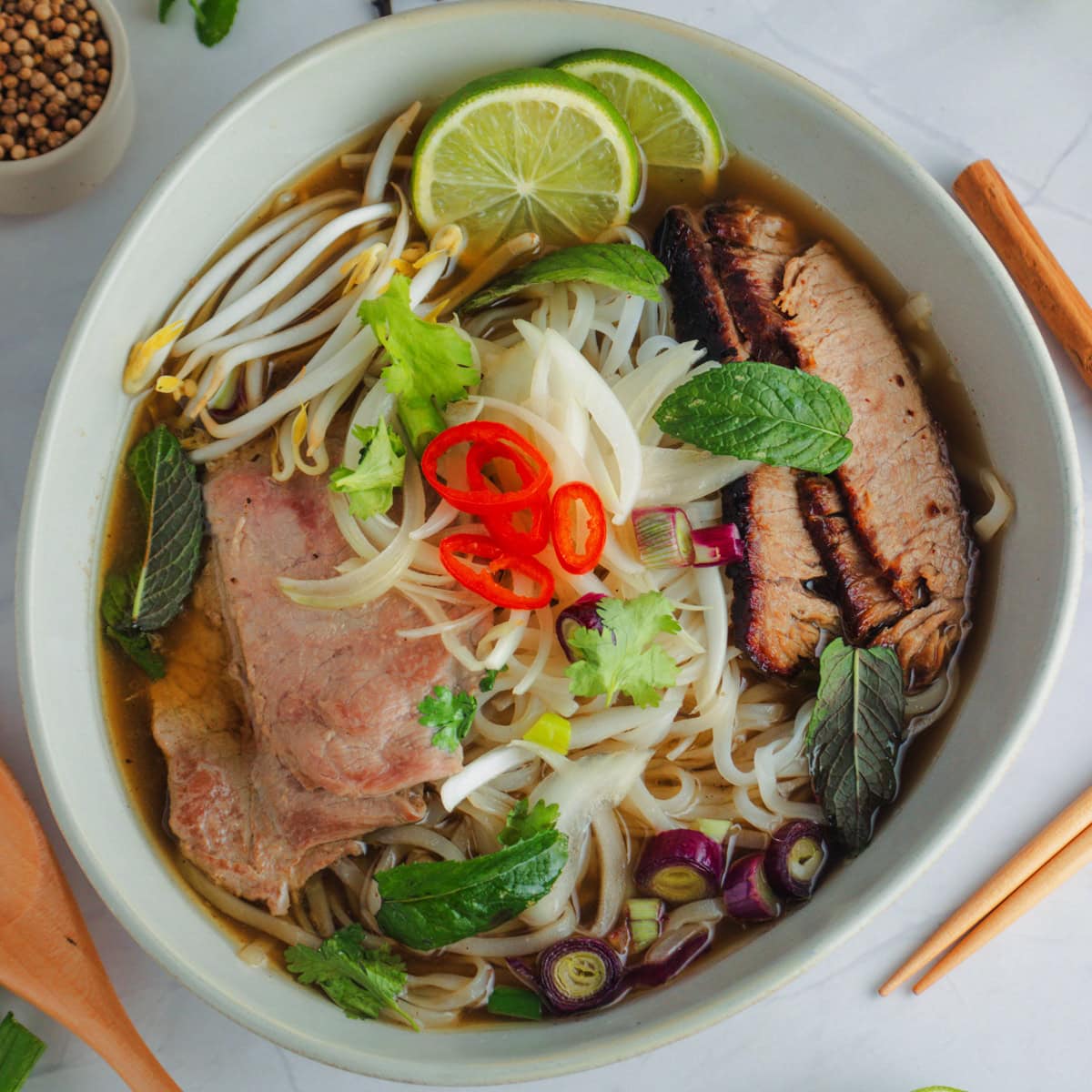
Pho's popularity has extended far beyond the borders of Vietnam, captivating food lovers around the globe. The dish's appeal lies in its complex flavors, comforting warmth, and customizable nature. The global recognition of pho can be attributed to several factors.
- The increasing popularity of Vietnamese cuisine: As more people discover the diverse and flavorful dishes of Vietnam, pho has emerged as a standout favorite.
- The growing awareness of Asian cuisine: Pho has benefited from the broader trend of increased interest in Asian cuisine, particularly in Western countries.
- The adaptability of pho: Pho can be easily adapted to suit different dietary preferences and restrictions, making it a versatile option for vegetarians, vegans, and those with gluten sensitivities.
- The health benefits of pho: Pho is often perceived as a healthy and nutritious meal, thanks to its lean protein, fresh vegetables, and flavorful broth.
Today, pho restaurants can be found in major cities around the world, from New York to Paris to Sydney. The dish has also been embraced by home cooks, who are eager to recreate the authentic flavors of pho in their own kitchens.
Key Ingredients and Preparation of Authentic Pho
Creating authentic pho requires careful attention to detail and the use of high-quality ingredients. The key components of pho include the broth, noodles, meat, and toppings.
The Importance of High-Quality Broth
The broth is the heart and soul of pho. It is what gives the soup its distinctive flavor and aroma. A good pho broth is clear, rich, and complex, with a balance of savory, sweet, and spicy notes. The traditional method of making pho broth involves simmering beef bones for several hours, along with aromatics such as ginger, onions, and spices. The spices typically used in pho broth include star anise, cinnamon, cloves, and coriander seeds. These spices contribute to the broth's warm and fragrant character.
The simmering process is crucial for extracting the maximum flavor from the bones and spices. The broth is often skimmed periodically to remove any impurities, resulting in a clear and flavorful liquid. Some chefs also add charred onions and ginger to the broth, which imparts a smoky and slightly sweet flavor.
While beef broth is the most common type of pho broth, chicken broth is also used in pho ga. Chicken broth is typically lighter and more delicate than beef broth, but it still requires a long simmering time to develop its full flavor.
Selecting the Right Noodles and Meats
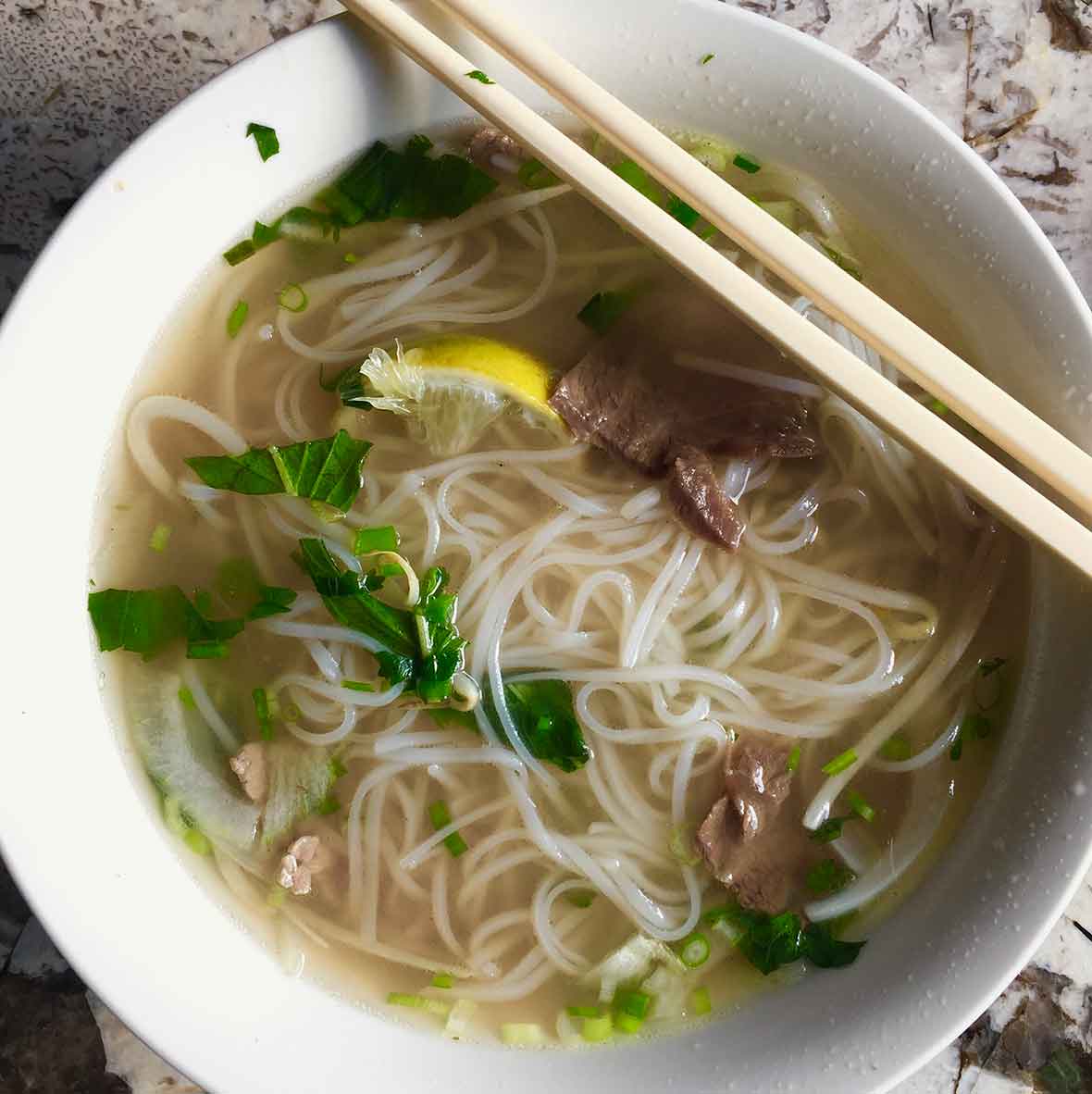
The noodles used in pho are typically made from rice flour. They are flat and wide, similar to fettuccine. The noodles should be tender but firm, with a slightly chewy texture. Fresh pho noodles are preferred, but dried noodles can also be used. If using dried noodles, it is important to soak them in water before cooking to rehydrate them.
The choice of meat depends on the type of pho being prepared. Beef pho typically features thinly sliced beef, such as rare beef (tái), well-done beef (chín), brisket, flank steak, or tendon. Chicken pho features shredded or sliced chicken. The meat should be tender and flavorful, and it should be cooked just before serving to prevent it from becoming tough.
For vegetarian pho, tofu or mushrooms can be used as a substitute for meat. These ingredients can be added to the broth along with vegetables such as bok choy, carrots, and broccoli.
Essential Toppings and Garnishes for Pho
Toppings and garnishes play a crucial role in enhancing the flavor and texture of pho. They add freshness, acidity, and a touch of spice to the soup. The most common toppings and garnishes for pho include:
- Bean sprouts: Provide a crunchy texture and a fresh, slightly sweet flavor.
- Basil: Adds a fragrant and slightly peppery aroma.
- Cilantro: Contributes a bright and citrusy flavor.
- Culantro: Similar to cilantro, but with a stronger and more pungent flavor.
- Lime wedges: Provide acidity and brightness.
- Chili peppers: Add heat and spice.
- Hoisin sauce: A sweet and savory sauce made from fermented soybeans.
- Sriracha sauce: A spicy chili sauce.
The amount and type of toppings added to pho are a matter of personal preference. Some people prefer to add a generous amount of toppings, while others prefer to keep it simple. It is important to taste the broth before adding any toppings, as the broth itself is already flavorful.
How to Enjoy Pho Like a Local: Tips and Etiquette
Enjoying pho like a local involves more than just eating the soup. It also involves understanding the proper way to season it, pairing it with complementary beverages, and appreciating the broader context of Vietnamese cuisine.
Proper Way to Season Your Pho
Seasoning pho is an art form that requires a delicate balance of flavors. The goal is to enhance the existing flavors of the broth without overpowering them. The most common seasonings used in pho are:
It is important to add these seasonings gradually, tasting the broth after each addition. Some people prefer to add a small amount of each seasoning, while others prefer to focus on one or two flavors. The key is to experiment and find what works best for your palate.
In addition to these seasonings, some people also add a squeeze of lime juice or a dollop of hoisin sauce to their pho. These additions can add a touch of sweetness and acidity to the soup.
Pairing Pho with Complementary Beverages
Pho is often enjoyed with a variety of complementary beverages. The most popular choices include:
- Vietnamese iced coffee (ca phe sua da): A strong and sweet coffee served over ice.
- Iced tea (tra da): A refreshing and thirst-quenching beverage.
- Fresh coconut water (nuoc dua): A natural and hydrating drink.
- Beer: A popular choice for those who enjoy a more alcoholic beverage.
These beverages help to cleanse the palate and complement the flavors of the pho. Vietnamese iced coffee, in particular, is a classic pairing that provides a jolt of energy and a sweet counterpoint to the savory soup.

Exploring Vietnamese Cuisine Beyond Pho
While pho is undoubtedly the most famous Vietnamese dish, Vietnamese cuisine has so much more to offer. From fresh spring rolls to flavorful banh mi sandwiches, Vietnamese cuisine is a treasure trove of culinary delights. Some other popular Vietnamese dishes include:
- Goi cuon (fresh spring rolls): Translucent rice paper rolls filled with vermicelli noodles, vegetables, and protein, such as shrimp or pork.
- Banh mi (Vietnamese sandwich): A crusty baguette filled with pate, cold cuts, pickled vegetables, and cilantro.
- Bun cha (grilled pork with vermicelli noodles): Grilled pork patties served with vermicelli noodles, fresh herbs, and a dipping sauce.
- Com tam (broken rice): A dish made with broken rice grains, typically served with grilled pork, pickled vegetables, and a fried egg.
- Cao lau (Hoi An noodles): A regional noodle dish from Hoi An, featuring thick noodles, pork, greens, and crispy croutons.
Exploring these dishes will provide a deeper appreciation for the richness and diversity of Vietnamese cuisine. Vietnamese culinary traditions are deeply rooted in the country's history and culture, and each dish tells a story about the people and the land.
Pho is more than just a soup; it's a cultural icon that represents the heart and soul of Vietnam. Its rich history, regional variations, and complex preparation make it a truly unique and unforgettable culinary experience. Whether you're enjoying a steaming bowl of pho in a bustling Hanoi street or recreating the dish in your own kitchen, take the time to savor the flavors and appreciate the story behind this beloved Vietnamese noodle soup. By understanding its nuances and embracing its traditions, you can truly enjoy the authentic pho experience.


Messenger

Back to top