
Onigiri, also known as Japanese rice balls, are a staple in Japanese cuisine, offering a convenient and delicious snack or meal. These hand-formed delights are not only satisfying but also deeply rooted in Japanese history and culture. This article delves into the world of onigiri, exploring its origins, preparation, popular fillings, and creative variations, providing you with a comprehensive guide to this beloved Japanese comfort food.
:max_bytes(150000):strip_icc()/140422-onigiri-japanese-rice-balls-ddmfs-Beauty-1x2-1-dffd638281cc4f07b2a6e32b5bc5e0ff.jpg)
What is Onigiri?
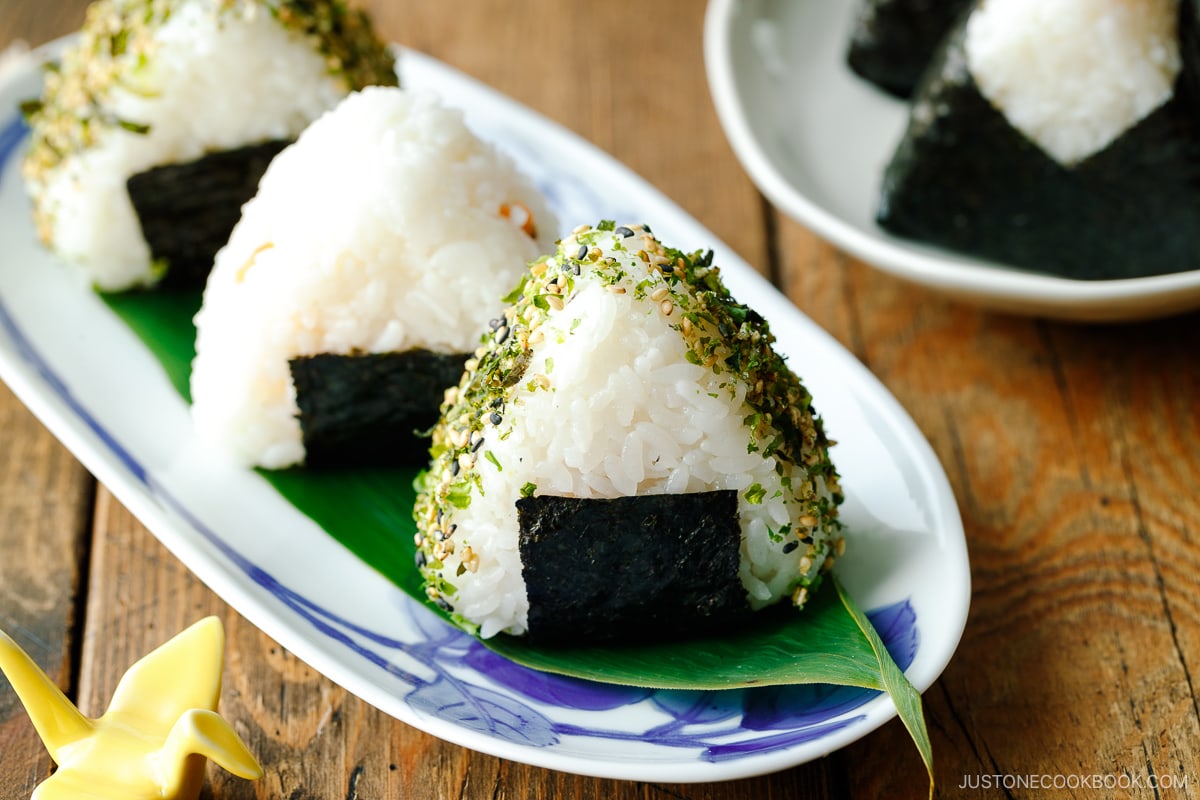
Onigiri is a Japanese dish made from white rice formed into triangular or oval shapes and often wrapped in nori (seaweed). Unlike sushi, which is seasoned with vinegar, onigiri relies on salt to enhance the flavor of the rice. It's a versatile food that can be filled with various ingredients, making it a popular choice for lunchboxes (bento), picnics, and quick snacks.
The History of Onigiri
The history of onigiri dates back to ancient Japan. The earliest form of onigiri is believed to have appeared during the Yayoi period (300 BC – 300 AD) when rice was first cultivated in Japan. These early rice balls, known as tonjiki, were simply cooked rice pressed into a small cake, often consumed during outdoor activities.
During the Heian period (794-1185), onigiri became a common food for nobles and travelers. Rice was often molded into various shapes to make it easier to carry and consume. The use of nori to wrap onigiri became widespread during the Edo period (1603-1868), as nori production increased and became more accessible to the general population. Today, onigiri remains a beloved and iconic food in Japan, enjoyed by people of all ages.
Different Names for Onigiri
While "onigiri" is the most common name, there are several other terms used to refer to this dish, depending on the region and context:
- Omusubi: This is another common term, often used interchangeably with onigiri. Some believe omusubi has a more polite or formal connotation.
- Nigirimeshi: A more literal term meaning "hand-squeezed rice."
- Rice ball: A simple and straightforward English translation.
Onigiri vs. Sushi
Although both onigiri and sushi are made with rice and are staples of Japanese cuisine, they have distinct differences:
- Seasoning: Sushi rice is seasoned with vinegar, sugar, and salt, giving it a tangy flavor. Onigiri rice is typically seasoned only with salt.
- Fillings: Sushi often includes seafood, vegetables, and other ingredients. Onigiri fillings are more varied and can include anything from pickled plums (umeboshi) to grilled meats.
- Preparation: Sushi requires precise techniques and specialized knowledge, especially when dealing with raw fish. Onigiri is simpler to make and requires less specialized skill.
- Purpose: Sushi is often considered a more formal dish, served in restaurants and special occasions. Onigiri is more casual, often eaten as a snack or packed lunch.
How to Make Onigiri at Home
Making onigiri at home is a simple and rewarding process. With the right ingredients and a few basic techniques, you can create delicious and authentic Japanese rice balls.
Essential Ingredients and Tools
Before you start, gather the following ingredients and tools:
- Japanese short-grain rice: This type of rice is sticky and holds its shape well.
- Water: For cooking the rice.
- Salt: To season the rice.
- Nori (seaweed sheets): For wrapping the onigiri.
- Fillings of your choice: Options include umeboshi, tuna mayo, salmon flakes, and more.
- Rice cooker or pot: To cook the rice.
- Bowl of water: To keep your hands moist and prevent the rice from sticking.
- Plastic wrap (optional): To help shape the onigiri.
Step-by-Step Instructions
Follow these steps to make perfect onigiri:
Tips for Perfect Onigiri
Here are some tips to help you make the best onigiri:
- Use fresh rice: Freshly cooked rice is easier to shape and tastes better.
- Keep your hands moist: This prevents the rice from sticking to your hands.
- Don't overpack the rice: Overpacking can make the onigiri dense and hard.
- Use high-quality nori: Good quality nori is crisp and flavorful.
- Experiment with fillings: Don't be afraid to try new and creative fillings to suit your taste.
Highlight: Mastering the art of onigiri involves attention to detail, from selecting the right rice to gently shaping each rice ball. With practice, you'll be able to create onigiri that are both delicious and visually appealing.
Popular Onigiri Fillings and Variations
One of the best things about onigiri is its versatility. The fillings and variations are endless, allowing you to customize your onigiri to your liking.
Classic Fillings (Umeboshi, Tuna Mayo, etc.)
Here are some of the most popular and classic onigiri fillings:
- Umeboshi: Pickled plum with a sour and salty flavor. It’s a traditional and refreshing filling.
- Tuna Mayo: Tuna mixed with mayonnaise, often seasoned with salt and pepper. A creamy and savory option.
- Salmon Flakes: Cooked salmon flaked and mixed with a little soy sauce. A simple and flavorful choice.
- Kombu Tsukudani: Seaweed simmered in soy sauce and sugar. A sweet and savory filling with a unique texture.
- Okaka: Dried bonito flakes mixed with soy sauce. A umami-rich and savory filling.
Regional Onigiri Variations
Different regions in Japan have their own unique onigiri variations, reflecting local ingredients and culinary traditions:
- Hokkaido: Salmon and ikura (salmon roe) onigiri are popular due to the region's abundant seafood.
- Kyushu: Mentaiko (spicy cod roe) onigiri is a regional specialty, offering a fiery kick.
- Nagoya: Tenmusu, a type of onigiri with a tempura shrimp filling, is a local favorite.
Regional variations showcase the diversity of Japanese cuisine and offer a taste of local flavors.
Creative and Modern Onigiri Ideas
In addition to classic and regional fillings, there are countless creative and modern onigiri ideas to explore:
- Kimchi Onigiri: A spicy and flavorful option with Korean kimchi.
- Avocado and Shrimp Onigiri: A creamy and refreshing combination.
- Chicken Teriyaki Onigiri: A sweet and savory option with marinated chicken.
- Vegetarian Onigiri: Fillings like edamame, avocado, and pickled vegetables cater to vegetarian preferences.
- Yaki Onigiri (Grilled Onigiri): Onigiri that are grilled after being shaped, giving them a crispy exterior and smoky flavor.
Highlight: Exploring these creative onigiri ideas can add a fun and exciting twist to this traditional dish. Whether you're looking for a spicy kick or a vegetarian delight, there's an onigiri variation for everyone.
Onigiri represents more than just a simple rice ball; it embodies a rich history, cultural significance, and culinary versatility. From its humble beginnings as a portable food for travelers to its modern-day status as a beloved snack and meal, onigiri continues to captivate food enthusiasts around the world. Whether you're a seasoned cook or a novice in the kitchen, mastering the art of making onigiri is a rewarding experience that allows you to explore the diverse flavors and creative possibilities of Japanese cuisine. So, gather your ingredients, follow the steps outlined in this guide, and embark on your own onigiri-making adventure. With a little practice and a lot of creativity, you'll be crafting delicious and authentic Japanese rice balls in no time. Enjoy the journey and savor every bite of your homemade onigiri creations!
In conclusion, onigiri is a testament to the beauty of simplicity in cooking. Its enduring popularity and adaptability make it a timeless classic that continues to evolve with modern tastes. So, go ahead, experiment with different fillings, and discover your own signature onigiri recipe. The possibilities are endless, and the rewards are delicious. Happy cooking!


Messenger

Back to top