
Japanese cuisine is celebrated worldwide for its artistry, precision, and dedication to fresh, seasonal ingredients. Among the many facets of Japanese culinary arts, two dining experiences stand out for their unique approaches and profound appreciation for food: Omakase and Kaiseki. While both offer a curated, multi-course meal, they differ significantly in their philosophy, presentation, and overall dining experience. Understanding these differences can enhance your appreciation for Japanese fine dining and help you make an informed choice for your next culinary adventure. This article delves into the intricacies of Omakase and Kaiseki, providing an in-depth comparison to illuminate their distinctive characteristics.
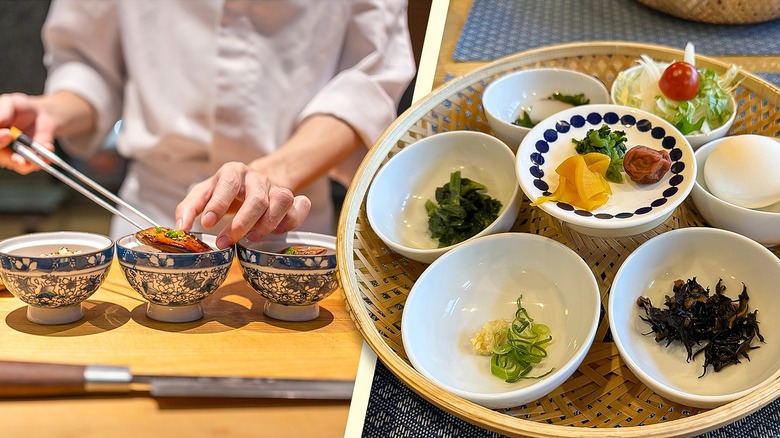
Omakase Vs. Kaiseki: An In-Depth Comparison
Omakase and Kaiseki represent two distinct approaches to Japanese haute cuisine. Omakase, translating to "I'll leave it to you," is a chef-driven experience that highlights the freshest seasonal ingredients and the chef's expertise. Kaiseki, with roots in the Japanese tea ceremony, is a more formal and structured multi-course meal emphasizing balance, harmony, and traditional techniques. The core difference lies in the level of interaction and control: Omakase is a dynamic, improvisational performance by the chef, while Kaiseki is a meticulously planned and executed culinary journey.
Omakase: Focus on Freshness and Simplicity
Omakase is all about trust. Diners entrust their meal entirely to the chef, who selects the day's best ingredients and crafts a menu based on availability and the diner's preferences (if any are expressed). The focus is on highlighting the natural flavors of the ingredients, often with minimal intervention. Simplicity is key, allowing the quality and freshness of the seafood, vegetables, and other components to shine through. The chef's skill in preparation, cutting techniques, and seasoning becomes paramount. This dining style is particularly popular in sushi restaurants, where the chef expertly prepares each piece of nigiri or sashimi right before your eyes.
Kaiseki: Emphasis on Tradition and Ceremony
Kaiseki is a traditional multi-course Japanese dinner that originated in the tea ceremony. It emphasizes balance, harmony, and seasonal ingredients, presented in a specific order to create a complete and aesthetically pleasing dining experience. Each dish is carefully crafted to showcase the natural flavors of the ingredients while also complementing the other courses. Presentation is just as important as taste, with meticulous attention paid to the arrangement of food on the plate, the choice of serving dishes, and the overall ambiance of the meal. Kaiseki reflects a deep respect for tradition and the art of Japanese cuisine.Experiencing Kaiseki is like stepping into a living art form.
Comparing the Cost: Omakase and Kaiseki
Both Omakase and Kaiseki are considered high-end dining experiences, and their costs reflect the quality of ingredients, the skill of the chefs, and the overall experience. Generally, Kaiseki tends to be more expensive than Omakase due to the complexity of the dishes, the formal service, and the elaborate presentation. However, prices can vary widely depending on the restaurant's location, reputation, and the ingredients used. It's best to check the restaurant's menu or inquire directly about pricing before making a reservation.
The Key Elements of Omakase
Omakase is a culinary adventure that hinges on the chef's expertise, the seasonality of ingredients, and the element of surprise. It's a unique and intimate dining experience where diners relinquish control and trust the chef to curate a memorable meal.
Omakase: The Importance of the Chef's Skill
In Omakase, the chef is the star. Their skill in selecting the freshest ingredients, their knowledge of cutting techniques, and their ability to balance flavors are all crucial to the success of the meal. The chef's experience and creativity shine through as they craft a menu that is both innovative and respectful of tradition. The interaction between the chef and the diner is also a key element of Omakase. Diners can ask questions, express preferences, and learn about the ingredients and techniques used in each dish. This creates a personal and engaging dining experience that goes beyond simply eating a meal. A talented chef can elevate the Omakase experience to an unforgettable culinary journey.

Omakase: Seasonal Seafood and Ingredients
Seasonality is at the heart of Omakase. Chefs prioritize using ingredients that are at their peak flavor and freshness, often sourcing them directly from local markets or trusted suppliers. This ensures that each dish is bursting with natural flavors and reflects the current season. Seafood is a particular focus in many Omakase experiences, with chefs showcasing a variety of fish, shellfish, and other delicacies depending on what is available. The seasonality of ingredients adds an element of anticipation and discovery to Omakase, as diners can look forward to trying new and exciting dishes throughout the year. The commitment to fresh, seasonal ingredients is a hallmark of quality Omakase.
Omakase: The Element of Surprise
The element of surprise is what makes Omakase so exciting and unpredictable. Diners never know exactly what they will be served, as the menu is determined by the chef based on the day's best ingredients and their own creative vision. This encourages diners to be open-minded and adventurous, trying new flavors and textures that they might not otherwise choose. The surprise factor also keeps the dining experience fresh and engaging, as each course is a new and unexpected delight. While some diners may prefer to have more control over their meal, the element of surprise is a key part of the Omakase experience and adds to its unique appeal.
The Essential Aspects of Kaiseki
Kaiseki is a culinary art form that embodies the spirit of the Japanese tea ceremony, emphasizing presentation, balance, and respect for tradition.
Kaiseki: The Art of Tea Ceremony Influence
Kaiseki originated as a light meal served before the tea ceremony, designed to prepare the palate for the subtle flavors of the tea. This influence is still evident in the structure and philosophy of Kaiseki today. The meal is carefully planned to create a harmonious balance of flavors, textures, and temperatures, with each course complementing the others. The presentation of the food is also highly refined, reflecting the aesthetic principles of the tea ceremony. The goal is to create a holistic dining experience that engages all the senses and promotes a sense of tranquility and mindfulness. The tea ceremony's influence transforms Kaiseki into more than just a meal; it's a cultural and artistic experience.
Kaiseki: The Role of Presentation and Garnishes
Presentation is paramount in Kaiseki. Each dish is meticulously arranged on the plate, with careful attention paid to color, shape, and texture. The serving dishes are also chosen to complement the food and enhance the overall aesthetic. Garnishes play an important role in Kaiseki, adding visual appeal and subtle flavor accents. They are often seasonal, reflecting the ingredients used in the dish. The presentation of Kaiseki is not merely decorative; it is an integral part of the dining experience, reflecting the chef's artistry and respect for the ingredients. Elaborate garnishes and thoughtful plating elevate the meal to an art form.
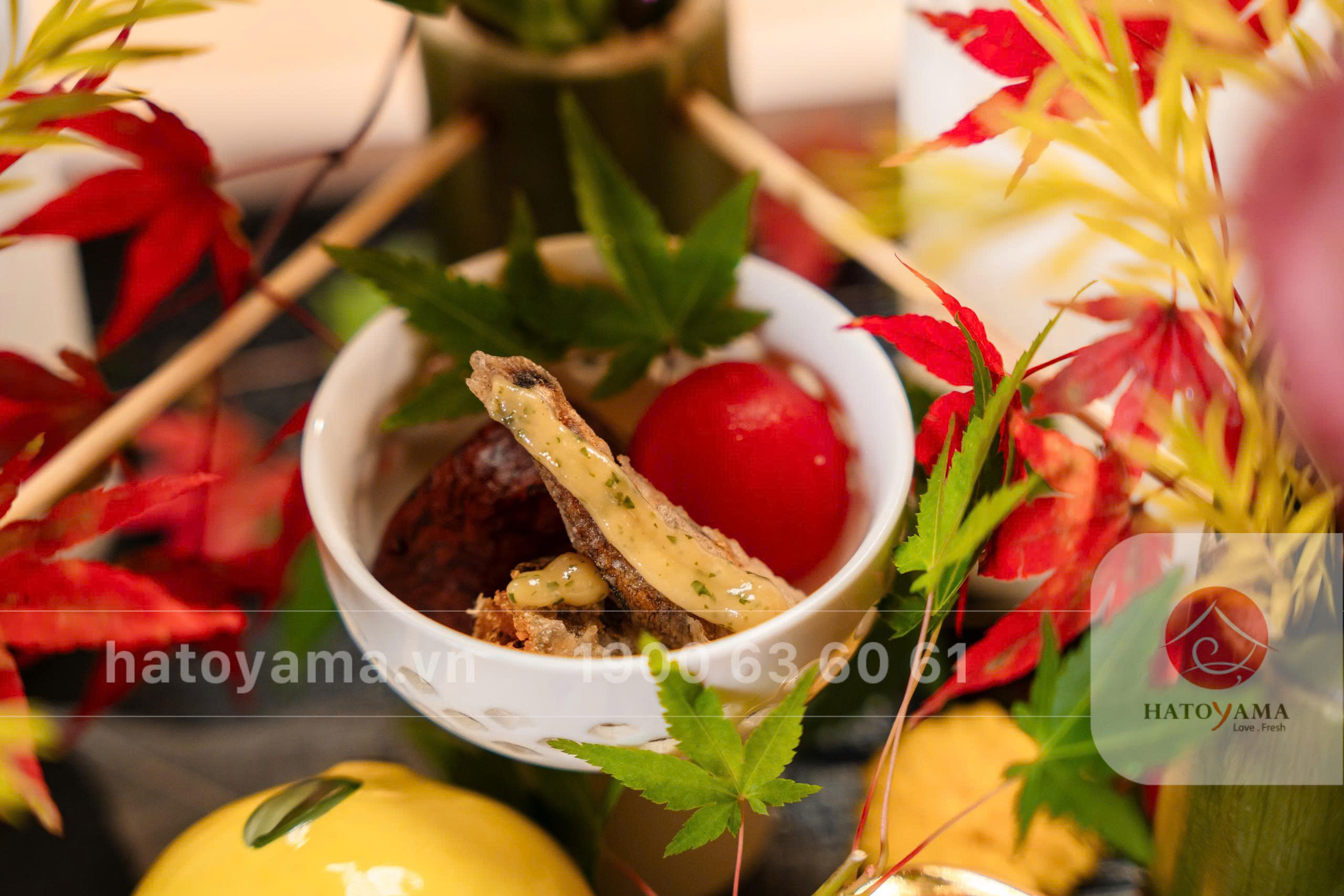
Kaiseki: The Balance of Flavors and Textures
One of the defining characteristics of Kaiseki is the emphasis on balance. The meal is designed to provide a harmonious progression of flavors, textures, and cooking methods. Each course is carefully calibrated to complement the others, creating a complete and satisfying dining experience. There is a deliberate effort to avoid repetition and to showcase a variety of ingredients and techniques. The balance of flavors in Kaiseki is subtle and nuanced, reflecting the chef's deep understanding of Japanese cuisine. Achieving perfect balance requires skill and precision.
While both Omakase and Kaiseki offer exceptional Japanese dining experiences, they cater to different preferences. Omakase is ideal for adventurous diners who appreciate the chef's creativity and the freshest seasonal ingredients. Kaiseki, on the other hand, is perfect for those seeking a more formal and traditional experience that emphasizes balance, presentation, and the art of Japanese cuisine. Ultimately, the best choice depends on your individual taste and what you are looking for in a dining experience. Regardless of your preference, both Omakase and Kaiseki offer a unique and unforgettable way to explore the world of Japanese culinary arts.


Messenger

Back to top