
Omakase, a Japanese phrase meaning "I'll leave it up to you," represents a unique and intimate dining experience where you entrust the chef to curate a personalized menu. It transcends simply eating; it's a journey of culinary discovery, a testament to the chef's artistry, and a deep dive into the freshest seasonal ingredients. For those new to this concept, understanding the nuances of an omakase menu can greatly enhance your appreciation and enjoyment. This guide aims to demystify the world of omakase, offering insights into its appeal, how to navigate it, and how to make the most of this exceptional dining experience.
The Allure of Omakase: More Than Just Sushi
The Trust Factor: Surrendering to the Chef
At its core, omakase is about trust. You're not just ordering food; you're placing your faith in the chef's expertise and judgment. This requires a willingness to relinquish control and embrace the unknown. The chef, in turn, takes on the responsibility of crafting a balanced and memorable meal, showcasing their skills and the best available ingredients. It is a unique dining experience that involves a level of interaction and personalization rarely found in traditional restaurants.
A Sensory Exploration: Taste, Texture, and Presentation
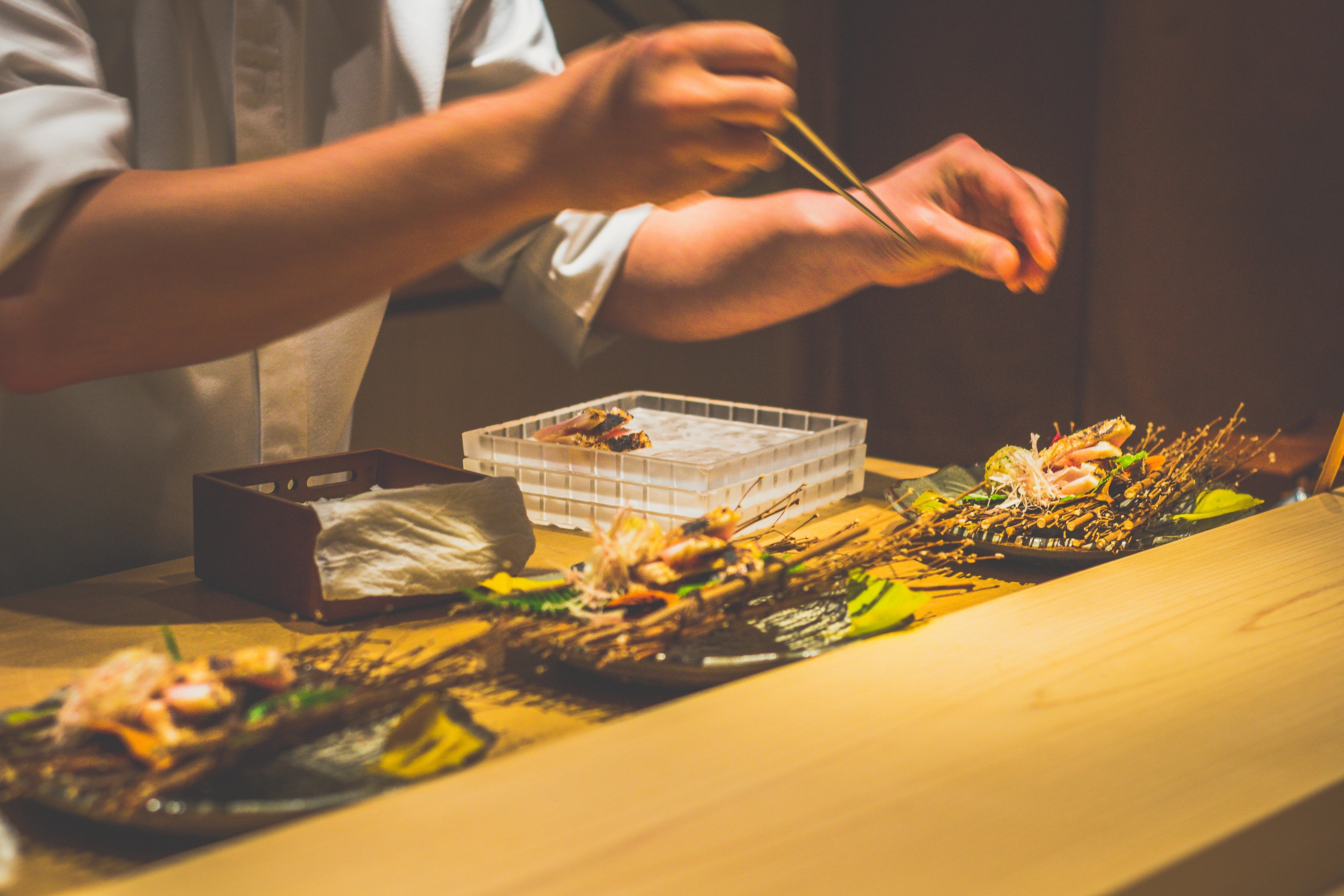
An omakase menu is a carefully orchestrated symphony of flavors, textures, and visual artistry. Each course is designed to build upon the previous one, creating a harmonious progression that tantalizes the palate. Expect a diverse range of preparations, from delicately sliced sashimi to expertly formed nigiri, each highlighting the unique characteristics of the fish. The presentation is equally important, with meticulous attention paid to detail, transforming each plate into a work of art. The chef considers the season, availability, and the overall balance of the meal when selecting the components.
The Element of Surprise: Discovering New Flavors
One of the most exciting aspects of omakase is the element of surprise. You may encounter ingredients or preparations you've never tried before, pushing your culinary boundaries and expanding your appreciation for Japanese cuisine. This could include rare types of fish, unique cuts, or innovative flavor combinations. The chef may also incorporate seasonal vegetables, pickles, and other accompaniments to complement the seafood. The surprise and discovery make each omakase experience unique and memorable.
Navigating the Omakase World
Researching Restaurants and Chefs
Choosing the right restaurant and chef is crucial for a successful omakase experience. Look for establishments with a reputation for quality, freshness, and authenticity. Read reviews, browse online forums, and ask for recommendations from trusted sources. Pay attention to the chef's background and experience, as well as their philosophy and approach to omakase. Some chefs specialize in Edomae-style sushi, while others may incorporate more modern or innovative techniques. It’s also wise to check the restaurant’s hygiene ratings and customer feedback regarding service quality.
Consider these factors when researching:
- Reputation: Look for consistently positive reviews and high ratings.
- Chef's Expertise: Research the chef's background and experience.
- Ingredient Quality: Ensure the restaurant prioritizes fresh, high-quality ingredients.
- Ambiance: Choose a setting that complements the intimate nature of omakase.

Understanding Pricing and Reservations
Omakase often comes with a higher price tag than traditional dining, reflecting the quality of ingredients, the chef's expertise, and the personalized nature of the experience. Be sure to inquire about the pricing structure beforehand and understand what is included. Some restaurants offer different tiers of omakase menus, allowing you to choose based on your budget and preferences. Reservations are typically required, especially for popular restaurants, and may need to be made well in advance. It's important to clarify the reservation policy and any cancellation fees.
Understanding the cost implications is crucial:
- Inquire about Pricing: Understand the pricing structure before making a reservation.
- Tiered Menus: Explore different omakase tiers based on your budget.
- Reservation Policies: Clarify reservation and cancellation policies.
Communicating Dietary Restrictions and Preferences
Before your omakase meal, it's essential to communicate any dietary restrictions, allergies, or preferences to the chef. This allows them to tailor the menu to your specific needs and ensure a safe and enjoyable experience. Be as specific as possible, and don't hesitate to ask questions about the ingredients or preparations. While the chef has creative freedom, they also want to ensure that you are comfortable and satisfied with your meal. Some common dietary restrictions include shellfish allergies, gluten intolerance, and vegetarian or vegan preferences. It is important to be respectful of the chef's creativity and expertise, but also assertive about your dietary needs.
Key communication points include:
- Allergies: Clearly state any allergies, especially to seafood.
- Dietary Restrictions: Inform the chef of any dietary restrictions, such as vegetarianism.
- Preferences: Share any preferences or dislikes you may have.
Making the Most of Your Omakase Meal
Pacing Yourself and Savoring Each Bite
An omakase meal is not a race; it's a journey to be savored. Take your time to appreciate each course, paying attention to the flavors, textures, and aromas. Chew slowly and deliberately, allowing the flavors to develop on your palate. Engage all your senses, from the visual presentation to the subtle nuances of taste. Don't be afraid to ask the chef about the ingredients or preparation techniques. Most importantly, relax and enjoy the experience.
Tips for savoring the experience:
- Mindful Eating: Focus on the flavors, textures, and aromas of each course.
- Engage Your Senses: Appreciate the visual presentation and subtle nuances.
- Ask Questions: Inquire about the ingredients and preparation techniques.
Showing Appreciation to the Chef and Staff
Omakase is a highly personal and interactive experience, and showing appreciation to the chef and staff is an important part of the etiquette. Express your gratitude for their skill and artistry, and let them know which courses you particularly enjoyed. A simple "oishii" (delicious) or a sincere thank you can go a long way. Tipping is customary in some countries, but not in others, so it's important to research the local customs. Regardless, a genuine expression of appreciation is always welcome.
Ways to express appreciation:
- Verbal Gratitude: Express your thanks for the chef's skill and artistry.
- Specific Compliments: Mention which courses you particularly enjoyed.
- Respect Local Customs: Research tipping etiquette in the country you're dining in.
Reflecting on the Experience and Sharing Your Thoughts
After your omakase meal, take some time to reflect on the experience. What did you learn? What did you enjoy the most? What surprised you? Sharing your thoughts with the chef or the restaurant can provide valuable feedback and help them improve their service. You can also share your experience with friends and family, or write a review online. By sharing your thoughts, you can help others discover the joys of omakase and support the chefs and restaurants who are dedicated to this unique culinary art form. Contemplating the chef's selection and the overall experience enhances your appreciation.
Consider these reflection points:
- Personal Reflection: Consider what you learned and enjoyed during the meal.
- Provide Feedback: Share your thoughts with the chef or restaurant.
- Share Your Experience: Recommend the restaurant to friends and family.
Understanding the intricacies of omakase transforms it from a simple meal into a memorable culinary adventure. By embracing the trust, savoring the flavors, and showing appreciation, you can fully immerse yourself in this unique Japanese dining experience. The art of omakase is a testament to the chef's skill and the diner's willingness to explore, making it a truly special occasion. The chef's recommendations are always worth considering.


Messenger

Back to top