
Okonomiyaki, often described as a Japanese savory pancake, is much more than just a dish; it's a culinary journey through history, regional pride, and cultural identity. This versatile dish, whose name translates to "grilled as you like it," perfectly embodies the spirit of Japanese cuisine – adaptable, flavorful, and deeply rooted in tradition. From its humble beginnings as a simple snack to its current status as a beloved national food, okonomiyaki's story is a testament to the creativity and resourcefulness of Japanese cooks.
This article delves into the fascinating world of okonomiyaki, exploring its historical roots, dissecting the key differences between regional varieties, and examining its role in Japanese society. Whether you're a seasoned foodie or simply curious about Japanese cuisine, prepare to embark on a delicious adventure that will leave you craving a taste of this iconic dish.
The History and Origins of Okonomiyaki
From Simple Snacks to Culinary Staple
The origins of okonomiyaki can be traced back to the Edo period (1603-1868), with a simple crepe-like dish called *funoyaki*. This early precursor was made from flour and water, cooked on a griddle, and often flavored with miso. It was a humble snack, sold at festivals and enjoyed by commoners.
As time progressed, *funoyaki* evolved. During the Meiji era (1868-1912), it began to incorporate different ingredients, reflecting the changing culinary landscape of Japan. However, it was the economic hardships of the early 20th century that truly paved the way for okonomiyaki's rise in popularity. With rice in short supply, wheat flour became a more accessible and affordable alternative, leading to increased experimentation with flour-based dishes.
The dish continued to evolve, and by the Taisho period (1912-1926), it started to resemble something closer to modern okonomiyaki. It was during this time that the dish started to be known as "okonomiyaki," reflecting the customizability of the ingredients.
Okonomiyaki's Evolution After World War II
The aftermath of World War II brought widespread food shortages to Japan. Okonomiyaki, with its ability to incorporate whatever ingredients were available, became a vital and versatile source of sustenance. Often referred to as “issenyoshoku” (one-yen Western food) during this period, it provided an affordable and filling meal for many.
The post-war era saw the establishment of okonomiyaki restaurants and stalls across the country. These eateries not only provided food but also served as community gathering places, fostering a sense of connection and resilience during a difficult time. The dish became deeply intertwined with the cultural fabric of Japan, representing both a practical solution to food scarcity and a symbol of hope for the future.
During this period, people would often bring their own ingredients to okonomiyaki restaurants, and the chefs would cook it for a small fee. This collaborative and communal aspect further solidified okonomiyaki's place as a social and cultural phenomenon.
The Regional Battles: Hiroshima vs. Osaka
The friendly rivalry between Hiroshima and Osaka over their respective okonomiyaki styles is legendary. While both cities claim to be the birthplace of the dish, their distinct approaches have resulted in two very different, yet equally delicious, culinary experiences.
- Osaka-style: Often referred to as Kansai-style, this is the more common version.
- Hiroshima-style: Known for its layered construction and the inclusion of noodles.
The debate over which style is superior continues to this day, fueling countless discussions and friendly competitions among okonomiyaki enthusiasts. This regional rivalry has not only enriched the culinary landscape of Japan but has also contributed to the dish's widespread popularity and recognition.
The differences extend beyond just the cooking method. The batter, the ingredients, the sauces, and even the way it's eaten all contribute to the unique character of each regional style. Understanding these nuances is key to appreciating the full scope of okonomiyaki culture.
Okonomiyaki Around Japan: A Regional Guide
Osaka-Style Okonomiyaki: The Classic Mix
Osaka-style okonomiyaki, also known as Kansai-style, is characterized by its mixed batter. All the ingredients, including flour, water or dashi (Japanese soup stock), shredded cabbage, green onions, and your choice of protein (typically pork belly, shrimp, or squid), are combined into a single batter and then grilled on a teppan (iron griddle).
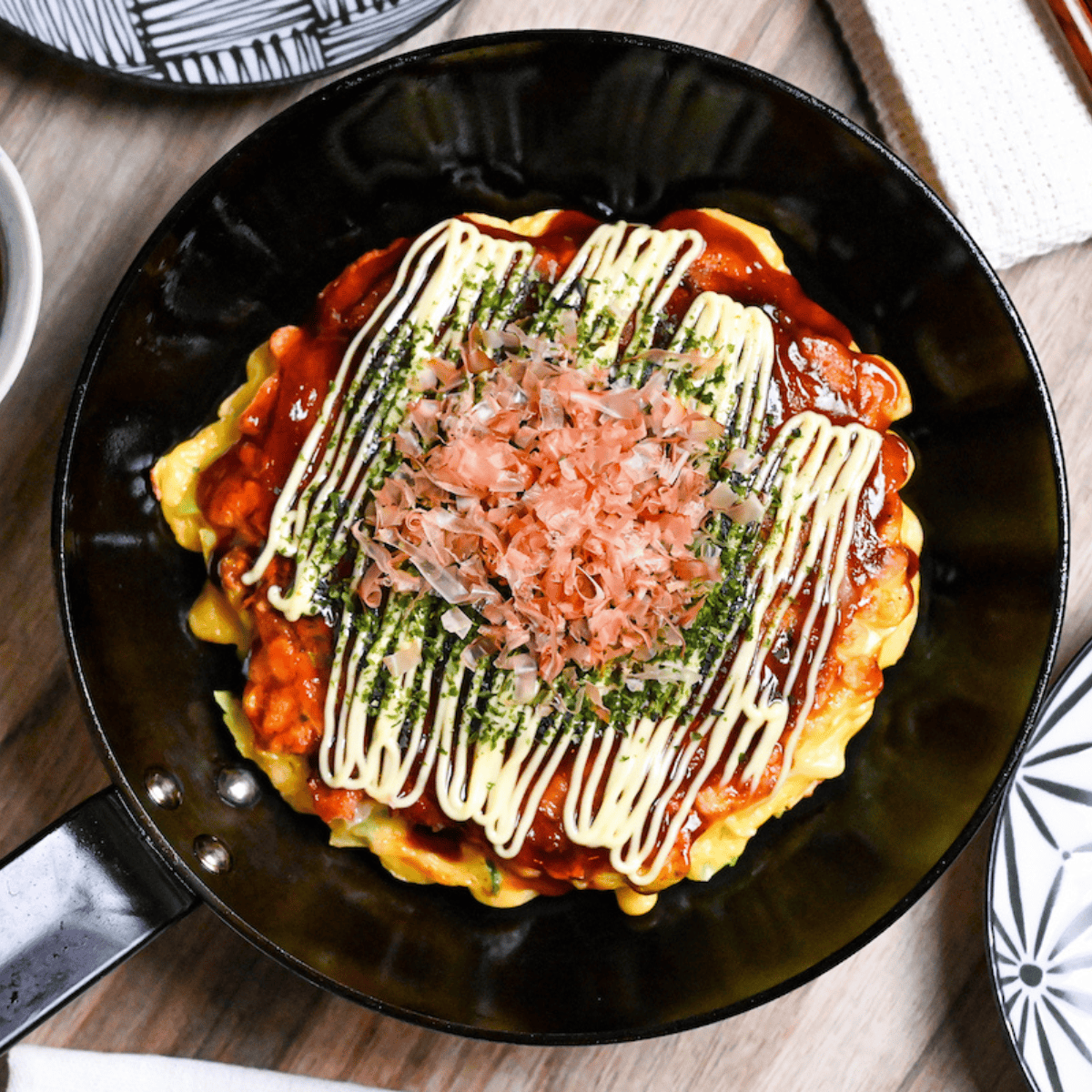
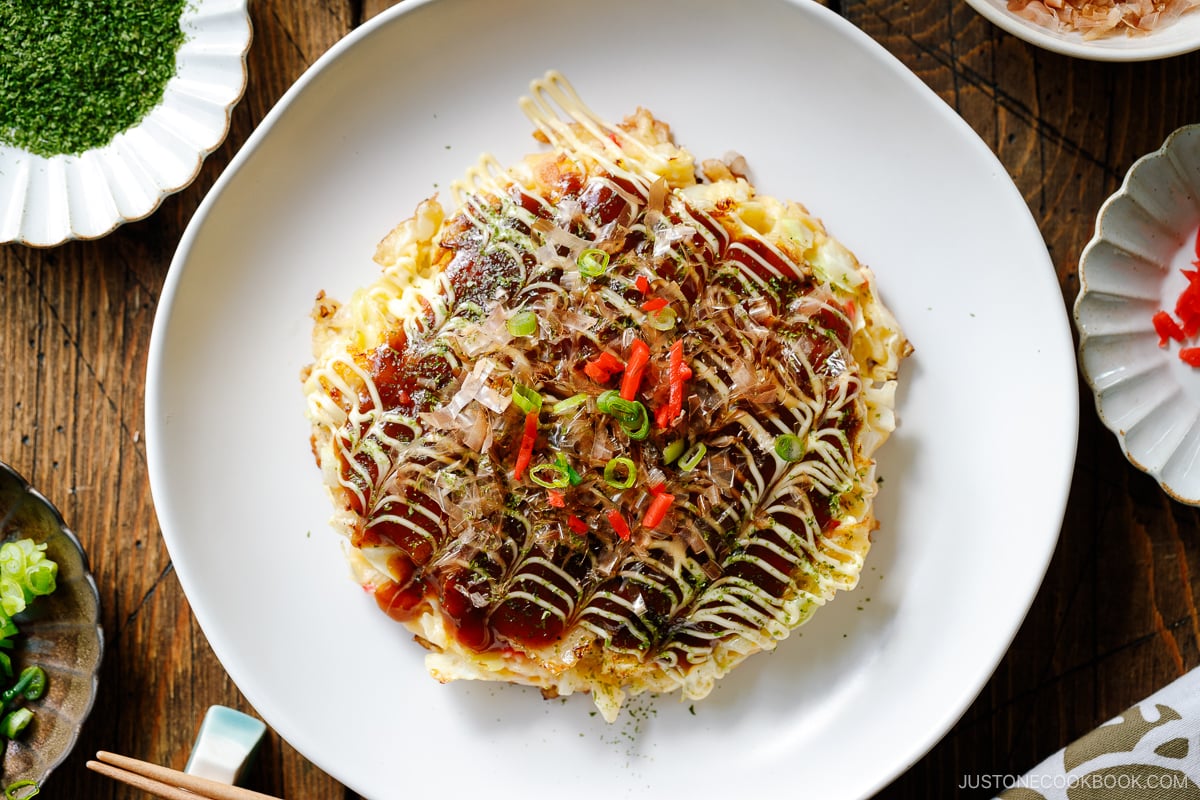
The resulting pancake is thick and fluffy, with a slightly crispy exterior. It's typically topped with okonomiyaki sauce (a sweet and savory sauce similar to Worcestershire sauce), Japanese mayonnaise, aonori (dried seaweed flakes), and katsuobushi (bonito flakes). The key to a great Osaka-style okonomiyaki lies in achieving the perfect balance of flavors and textures.
Common variations include adding mochi (rice cake), cheese, or kimchi to the batter for an extra layer of flavor and texture. Some restaurants even offer customizable options, allowing diners to create their own unique okonomiyaki masterpieces.
Hiroshima-Style Okonomiyaki: Layered Goodness
Hiroshima-style okonomiyaki takes a different approach, employing a layered construction technique. A thin crepe is first cooked on the teppan, followed by a generous pile of shredded cabbage, bean sprouts, pork belly, and noodles (typically yakisoba or udon). The ingredients are then steamed under a metal dome before being flipped and topped with a fried egg and okonomiyaki sauce.
This layered approach results in a taller, more complex okonomiyaki with distinct textures and flavors in each layer. The noodles add a satisfying chewiness, while the steaming process ensures that the cabbage and bean sprouts are cooked to perfection. Many consider the Hiroshima style to be a complete meal in itself.
The order of the layers, the type of noodles used, and the specific sauce blend can all vary from restaurant to restaurant, adding to the diversity and appeal of Hiroshima-style okonomiyaki. Some establishments even offer variations with different types of seafood or vegetables.

Other Regional Okonomiyaki Variations
While Osaka and Hiroshima styles are the most well-known, other regions throughout Japan have their own unique takes on okonomiyaki. These variations often reflect local ingredients and culinary traditions.
- Tokyo-style: Also known as *monjayaki*, this version has a much wetter batter and is cooked directly on the teppan.
- Okayama-style: Features a layer of *okonomiyaki* with a layer of fried noodles and a fried egg.
- Hamamatsu-style: Includes takuan (pickled daikon radish) for a crunchy texture and unique flavor.
Exploring these regional variations is a great way to deepen your appreciation for the versatility and adaptability of okonomiyaki. Each style offers a unique culinary experience that reflects the distinct character of its region.
Many smaller towns and villages also have their own local versions, often passed down through generations of families. These hidden gems offer a glimpse into the authentic and diverse culinary landscape of Japan.
Okonomiyaki as a Cultural Experience
Okonomiyaki Restaurants: A Social Gathering Place
Okonomiyaki restaurants are more than just places to eat; they're social hubs where friends, families, and colleagues come together to share a meal and enjoy each other's company. Many restaurants feature teppan tables where customers can cook their own okonomiyaki, adding a fun and interactive element to the dining experience.
The communal aspect of cooking and sharing okonomiyaki fosters a sense of connection and camaraderie. It's a great way to break the ice, engage in conversation, and create lasting memories. Visiting an okonomiyaki restaurant is an immersive cultural experience that goes beyond just the food itself.
Some restaurants even offer private rooms with teppan tables, providing a more intimate setting for special occasions or gatherings. Whether you're a seasoned okonomiyaki chef or a complete novice, the experience is sure to be enjoyable and memorable.
Okonomiyaki Festivals and Events
Okonomiyaki festivals and events are held throughout Japan, celebrating the dish and its cultural significance. These events often feature food stalls, cooking demonstrations, and live entertainment, attracting large crowds of locals and tourists alike.
Attending an okonomiyaki festival is a great way to sample different regional variations, learn about the history and traditions of the dish, and immerse yourself in the vibrant atmosphere of Japanese culture. It's a feast for the senses and a celebration of all things okonomiyaki.
These festivals often showcase the creativity and innovation of okonomiyaki chefs, with new and exciting variations on the classic dish. You might even discover your new favorite okonomiyaki style at one of these events.
Okonomiyaki in Japanese Pop Culture
Okonomiyaki has made its way into various aspects of Japanese pop culture, appearing in anime, manga, and television shows. It's often depicted as a comfort food, enjoyed by characters in everyday situations.
This exposure has further cemented okonomiyaki's status as a beloved national dish and has helped to introduce it to a wider global audience. The dish's versatility and cultural significance make it a popular subject for artists and storytellers.
From its humble beginnings as a simple snack to its current status as a cultural icon, okonomiyaki's journey is a testament to the enduring power of food to connect people, preserve traditions, and inspire creativity. Whether you prefer the mixed batter of Osaka-style or the layered goodness of Hiroshima-style, exploring the world of okonomiyaki is a delicious and rewarding experience.
So, the next time you're looking for a taste of Japan, be sure to seek out this savory pancake and discover the many layers of history, culture, and flavor that it has to offer. You might just find your new favorite dish!


Messenger

Back to top