
Nigiri, a cornerstone of Japanese cuisine, is more than just raw fish on rice; it's a testament to the chef's skill, the quality of ingredients, and the balance of flavors. This seemingly simple dish requires meticulous preparation and a deep understanding of sushi making techniques. From the perfectly cooked and seasoned rice to the expertly sliced and presented fish, every element contributes to the overall experience. Let's embark on a journey to uncover the secrets of nigiri, exploring its history, preparation, variations, and nutritional benefits.
The Art of Nigiri: A Culinary Exploration
The creation of nigiri is an art form, demanding precision, patience, and respect for the ingredients. It's a culinary ballet where the chef's hands orchestrate a symphony of flavors and textures. Each step, from selecting the fish to molding the rice, is crucial in achieving the perfect balance that characterizes exceptional nigiri.
Understanding Sushi Rice
Sushi rice, or shari, is the foundation of nigiri. It's not just any rice; it's a specific short-grain variety meticulously cooked and seasoned. The ideal sushi rice should have a slightly firm texture, allowing each grain to maintain its shape while still clinging together. The seasoning, a mixture of rice vinegar, sugar, and salt, adds a subtle tanginess and sweetness that complements the fish.
The cooking process involves several steps:
Gently mixing in the vinegar mixture while fanning the rice to cool it down quickly.
The cooling process is critical as it prevents the rice from becoming mushy and allows the vinegar to be absorbed evenly. A skilled sushi chef can judge the rice's texture and flavor with a single glance and adjust the seasoning accordingly. This meticulous attention to detail is what elevates sushi rice from a simple ingredient to an essential component of nigiri.

Selecting and Preparing Fish for Nigiri
The quality of the fish is paramount in nigiri. Freshness is key, and the fish should be sourced from reputable suppliers who adhere to strict handling and storage protocols. Different types of fish offer unique flavors and textures, each requiring specific preparation techniques.
Common types of fish used in nigiri include:
Salmon: Known for its rich, buttery flavor and vibrant color.
Tuna: Ranging from lean and mild (Akami) to fatty and intensely flavored (Otoro).
Yellowtail (Hamachi): Offers a delicate, slightly sweet taste.
Shrimp (Ebi): Often cooked and butterflied to enhance its presentation.
Eel (Unagi/Anago): Typically grilled and glazed with a sweet soy sauce.
Preparing the fish involves carefully slicing it to the correct thickness and shape. The cut should be clean and precise, ensuring that the fish melts in the mouth. Some chefs use specialized knives, such as the yanagiba, to achieve this level of precision. The fish is often marinated or cured to enhance its flavor and texture. For example, tuna may be aged to develop a deeper, more complex taste.
The presentation of the fish is also important. The chef considers the natural patterns and colors of the fish when slicing and arranging it on the rice. This attention to detail transforms the nigiri into a visual masterpiece.
Techniques for Forming Perfect Nigiri
Forming nigiri is a delicate process that requires years of practice to master. The goal is to create a compact, yet airy, morsel that holds its shape without being too tightly packed. The rice should be gently molded to allow for a smooth transition between the rice and the fish.
The traditional method involves the following steps:
Using the fingers to shape and refine the nigiri, ensuring that the fish and rice are properly integrated.
The entire process should take only a few seconds to prevent the rice from becoming warm and losing its texture. A skilled sushi chef can create dozens of perfect nigiri in a matter of minutes, each one a testament to their expertise.
Variations of Nigiri Around the World
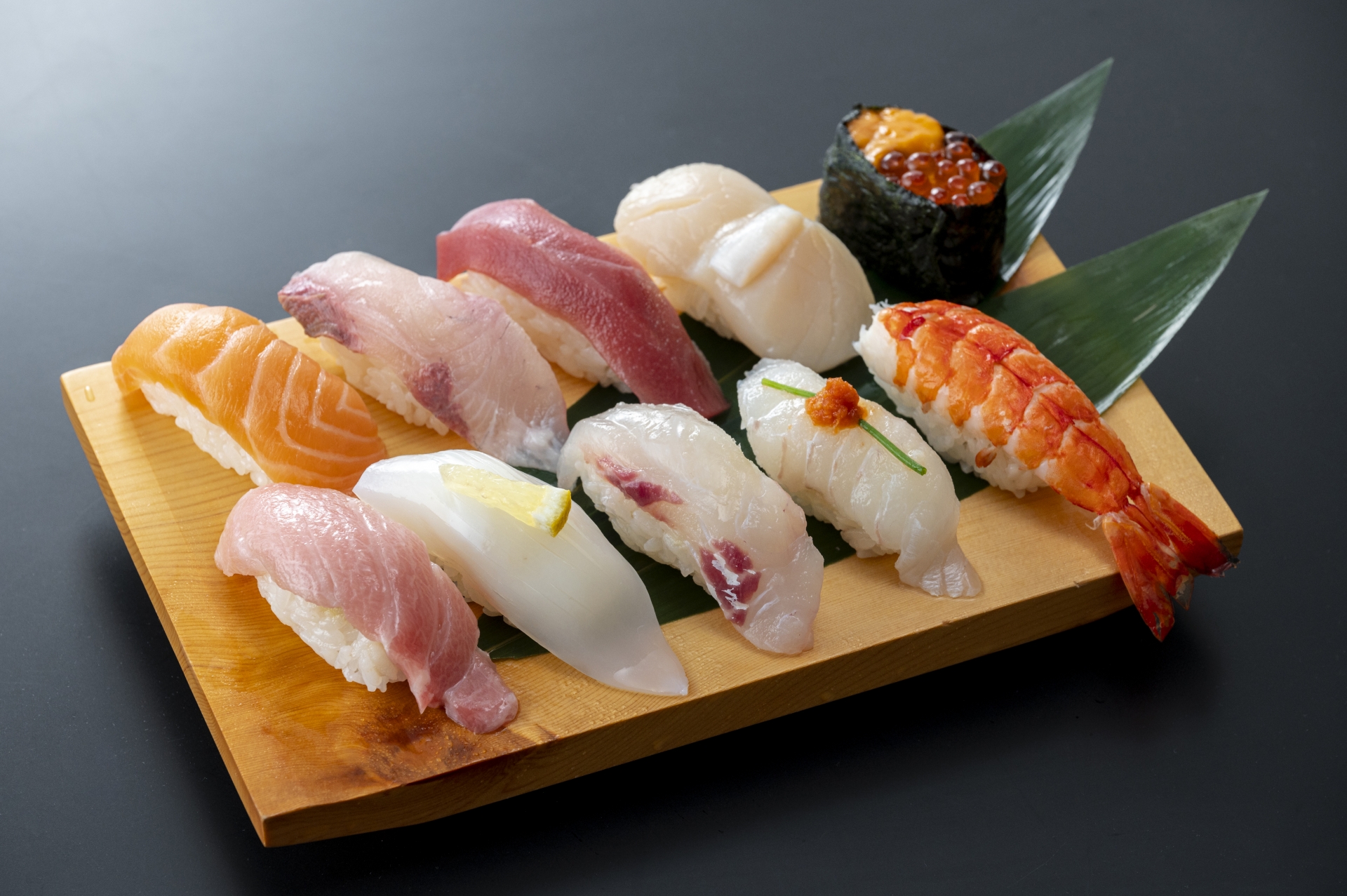
While nigiri is rooted in Japanese tradition, it has evolved over time, with chefs around the world adding their own unique twists. From traditional Edomae-style to modern fusion creations, the variations of nigiri are endless.
Traditional Edomae-Style Nigiri
Edomae-style nigiri represents the classic form of this dish, originating in Tokyo (formerly Edo) during the 19th century. This style emphasizes the use of fresh, local seafood and traditional preparation techniques. The fish is often marinated, cured, or cooked to enhance its flavor and preserve it for longer periods.
Common examples of Edomae-style nigiri include:
Kohada (Gizzard Shad): Marinated in vinegar and salt to tame its strong flavor.
Maguro Zuke (Marinated Tuna): Soaked in soy sauce to enhance its umami.
Anago (Sea Eel): Simmered in a sweet sauce and served warm.
Edomae-style nigiri is a celebration of simplicity and tradition, showcasing the natural flavors of the ingredients while honoring the culinary heritage of Japan.
Modern and Fusion Nigiri Creations
In recent years, chefs have embraced innovation, creating modern and fusion nigiri that incorporate ingredients and techniques from around the world. These creations often push the boundaries of traditional sushi, offering unexpected flavor combinations and visually stunning presentations.
Examples of modern and fusion nigiri include:
Avocado Nigiri: A vegetarian option that features creamy avocado slices on top of sushi rice.
Seared Salmon Nigiri with Miso Mayo: Torched salmon topped with a rich and savory miso mayonnaise.
Spicy Tuna Nigiri with Crispy Rice: A textural delight that combines spicy tuna tartare with crunchy fried rice.
These innovative takes on nigiri demonstrate the versatility of this dish and the creativity of modern sushi chefs. They offer a fresh and exciting perspective on a classic culinary tradition.
Regional Differences in Nigiri Presentation
Nigiri presentation can vary significantly depending on the region. In some areas, the fish is draped elegantly over the rice, while in others, it is neatly placed on top. The use of garnishes and sauces also differs, reflecting local tastes and culinary traditions.
For example, in some parts of Japan, nigiri is served with a small brush for applying soy sauce, allowing diners to control the amount of seasoning. In other regions, the soy sauce is pre-applied by the chef. The type of wasabi used can also vary, with some regions favoring freshly grated wasabi root over the more common paste.
These regional differences add to the rich tapestry of nigiri culture, highlighting the diversity and adaptability of this beloved dish.
Health Benefits and Nutritional Value of Nigiri
Beyond its exquisite taste and artistic presentation, nigiri offers a range of health benefits, thanks to its nutritious ingredients. From the omega-3 fatty acids in fish to the fiber in rice, nigiri can be a healthy and balanced meal option. For those looking for healthy eating options, nigiri can be a great addition to your diet.
Nutritional Breakdown of Common Nigiri Ingredients
The nutritional content of nigiri varies depending on the type of fish used, but generally, it is a good source of protein, healthy fats, and carbohydrates. Sushi rice provides energy, while fish offers essential nutrients like omega-3 fatty acids, vitamin D, and selenium.
A typical serving of salmon nigiri (two pieces) contains approximately:
Calories: 150-200
Protein: 10-15 grams
Fat: 5-10 grams (including omega-3 fatty acids)
Carbohydrates: 20-25 grams
Nigiri is relatively low in calories and high in nutrients, making it a healthy choice for those looking to maintain a balanced diet. However, it is important to be mindful of the sodium content, as soy sauce can be high in sodium.
Health Benefits of Fish in Nigiri
The fish used in nigiri offers a multitude of health benefits. Omega-3 fatty acids, found in abundance in fatty fish like salmon and tuna, are known to support heart health, brain function, and reduce inflammation. These essential fats play a crucial role in maintaining overall well-being.
Other health benefits of fish include:
Improved cardiovascular health
Enhanced cognitive function
Reduced risk of chronic diseases
Support for healthy vision
Boosted immune system
By incorporating nigiri into your diet, you can enjoy these health benefits while indulging in a delicious and satisfying meal. Choosing fish that are sustainably sourced is also an important consideration for environmental health.


Potential Risks and Considerations
While nigiri offers numerous health benefits, there are also some potential risks and considerations to be aware of. Raw fish can harbor bacteria or parasites, so it is important to ensure that it is sourced from reputable suppliers and handled properly. Pregnant women, young children, and individuals with weakened immune systems should exercise caution when consuming raw fish.
Other considerations include:
Mercury levels in certain types of fish, such as tuna.
Allergies to shellfish or other seafood.
High sodium content from soy sauce.
Sustainability of fish sourcing.
By being mindful of these potential risks and taking appropriate precautions, you can enjoy nigiri safely and responsibly. Opting for sustainable seafood choices is crucial for environmental preservation. The consumption of nigiri, like many other foods, carries potential risks that consumers should be aware of to ensure a safe and enjoyable dining experience.
Nigiri is a culinary masterpiece that embodies the essence of Japanese cuisine. From the meticulous preparation of the sushi rice to the artful slicing and presentation of the fish, every element contributes to the overall experience. Whether you prefer traditional Edomae-style or modern fusion creations, nigiri offers a delightful and nutritious meal option that can be enjoyed by all. Understanding the nuances of nigiri allows one to fully appreciate the skill and dedication of the sushi chef and the rich cultural heritage of this iconic dish.


Messenger

Back to top