
For Japanese professionals seeking to expand their business ventures into Vietnam, understanding the Vietnam business visa process is paramount. This comprehensive guide provides a detailed overview of the requirements, application procedures, and essential information to ensure a smooth transition. From gathering the necessary documents to navigating the Vietnamese business landscape, this article equips you with the knowledge to succeed in your endeavors.
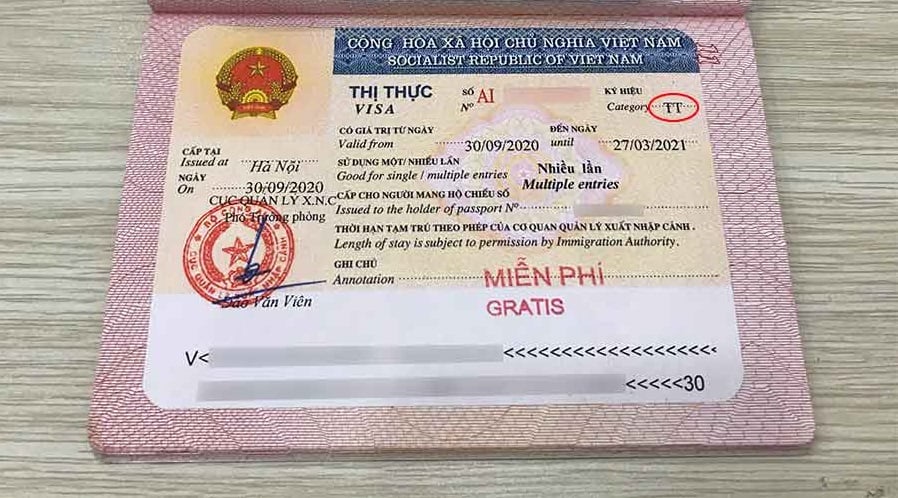
Preparing for Your Vietnam Business Visa Application
The initial stage of obtaining a Vietnam business visa from Japan involves meticulous preparation. This includes gathering all the required documents and understanding the specific regulations set forth by the Vietnamese Immigration Department. Ensuring accuracy and completeness in your application is crucial to avoid delays or rejection.
Gathering Necessary Documents
The documentation required for a Vietnam business visa application typically includes:
- Your original passport: Must be valid for at least six months beyond your intended stay in Vietnam.
- A completed visa application form: Available online or at the Vietnamese embassy/consulate.
- A letter of invitation from a Vietnamese company: This letter must clearly state the purpose of your visit, the duration of your stay, and the contact information of the inviting company.
- Business registration certificate of the inviting company: A notarized copy to prove the company's legal status.
- Flight itinerary: A round-trip ticket or confirmed flight details.
- Accommodation details: Hotel booking confirmation or proof of residence.
- Passport-sized photos: Typically, two recent photos taken against a white background.
It's advisable to check the latest requirements with the Vietnamese embassy or consulate in Japan, as regulations can change.
Understanding Visa Fees and Payment Methods
Visa fees vary depending on the type of visa and the duration of stay. The fees are usually paid in US dollars or Vietnamese Dong. Accepted payment methods may include:
- Cash: Accepted at the embassy or consulate.
- Credit/Debit Card: Some embassies/consulates may accept card payments.
- Bank Transfer: Ensure you obtain proof of payment.
Be sure to confirm the exact fee and acceptable payment methods with the embassy or consulate before submitting your application. Processing fees are non-refundable, regardless of the outcome of your application.
Avoiding Common Application Mistakes
To ensure a smooth application process, avoid these common mistakes:
- Incomplete application form: Fill out all sections accurately and legibly.
- Invalid passport: Ensure your passport has sufficient validity.
- Missing invitation letter: A valid invitation letter from a Vietnamese company is essential.
- Incorrect photo specifications: Adhere to the specified size and background requirements.
- Failure to provide sufficient supporting documents: Include all necessary documents as per the checklist.
Double-checking your application and documents before submission can save you time and prevent unnecessary complications.
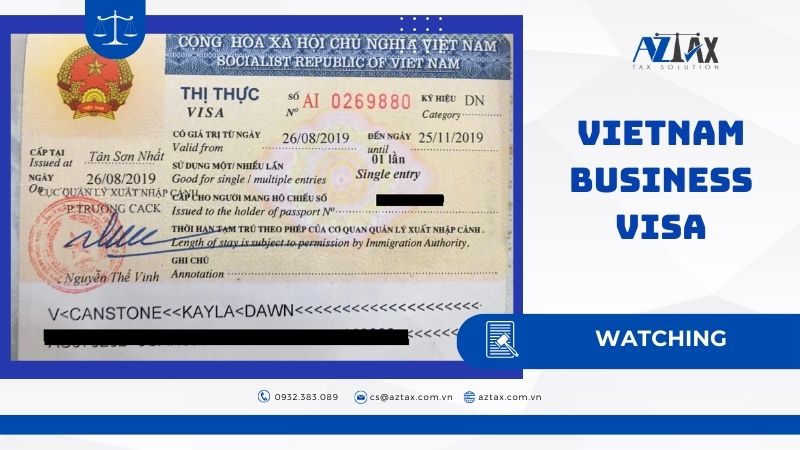
The Vietnam Business Environment for Japanese Professionals
Understanding the business environment in Vietnam is crucial for success. This includes grasping the local business culture, legal framework, and practical considerations such as accommodation and transportation.
Networking and Business Etiquette
Networking is vital in Vietnam. Building relationships based on trust and mutual respect is key. Key aspects of Vietnamese business etiquette include:
- Respect for seniority: Show deference to older and more experienced colleagues.
- Gift-giving: Small, thoughtful gifts can be a sign of goodwill.
- Business card exchange: Present and receive cards with both hands.
- Face-saving: Avoid criticizing or embarrassing anyone in public.
- Punctuality: While not always strictly enforced, it is appreciated.
Japanese professionals will find some similarities with their own culture, but understanding the nuances of Vietnamese business etiquette is essential for building strong relationships.
Legal and Regulatory Framework for Foreign Businesses
Vietnam has a developing legal and regulatory framework for foreign businesses. Key aspects include:
- Investment Law: Governs foreign investment in Vietnam.
- Enterprise Law: Regulates the establishment and operation of businesses.
- Labor Law: Outlines the rights and obligations of employers and employees.
- Tax Law: Specifies the tax obligations of businesses operating in Vietnam.
Foreign investors should seek legal advice to ensure compliance with all relevant laws and regulations. Understanding Vietnamese labor laws is particularly important when hiring local staff.
Finding Accommodation and Transportation
Finding suitable accommodation and transportation is essential for a comfortable stay in Vietnam. Options include:
- Hotels: A wide range of hotels are available, from budget-friendly to luxury.
- Serviced Apartments: Offer more space and amenities for longer stays.
- Taxis and Ride-Hailing Services: Readily available in major cities.
- Motorbike Rentals: A popular option for getting around, but exercise caution.
- Public Transportation: Buses and trains are available, but can be crowded.
Consider the location of your business meetings and choose accommodation and transportation options accordingly. Major cities like Hanoi and Ho Chi Minh City offer a variety of options.

Post-Arrival: What To Expect
Upon arrival in Vietnam, there are several important steps to take to ensure your business operations run smoothly. These include registering your business presence, understanding local labor laws, and adapting to the local culture.
Registering Your Business Presence
Depending on the nature of your business activities, you may need to register your business presence with the local authorities. This may involve obtaining a business license or registering with the relevant government agencies. Navigating the registration process can be complex, so it's advisable to seek assistance from a local legal or consulting firm.
Understanding Local Labor Laws
If you plan to hire local staff, it's crucial to understand Vietnamese labor laws. Key aspects include:
- Employment contracts: Must comply with local regulations.
- Wages and benefits: Must meet minimum wage requirements and provide statutory benefits.
- Working hours and leave: Regulated by law.
- Termination of employment: Strict rules apply.
Failure to comply with labor laws can result in penalties and legal disputes. Seeking advice from a local HR consultant is highly recommended.
Cultural Adjustment and Integration Tips
Adapting to the local culture is essential for building strong relationships and conducting business effectively. Tips for cultural adjustment include:
- Learn basic Vietnamese phrases: Shows respect and willingness to engage.
- Be patient and understanding: Cultural differences may lead to misunderstandings.
- Respect local customs and traditions: Observe and learn from locals.
- Be open to new experiences: Embrace the local culture and try new things.
- Seek advice from local contacts: They can provide valuable insights and guidance.
By embracing the local culture and building strong relationships, Japanese professionals can thrive in the Vietnamese business environment.
Obtaining a Vietnam business visa from Japan requires careful preparation and attention to detail. By understanding the requirements, avoiding common mistakes, and adapting to the local business environment, Japanese professionals can successfully expand their business ventures into Vietnam. Navigating the visa process and integrating into the Vietnamese culture will pave the way for fruitful and lasting business relationships. Remember to stay updated with the latest regulations and seek professional advice when needed to ensure a seamless and successful experience. Understanding Vietnam business culture is key to successful collaboration. Securing a business visa is the first step towards establishing a presence in Vietnam. Japanese expats in Vietnam can find a welcoming and dynamic business environment. Building strong business relationships is essential for long-term success. Vietnam's growing economy presents numerous opportunities for Japanese investors. Exploring business opportunities in Vietnam can lead to significant growth and expansion. Vietnam business visa application guide ensures a smooth and compliant process.


Messenger

Back to top