
Omakase, a Japanese dining experience where you entrust the chef to curate your meal, is more than just a dinner—it's an art form. Understanding and adhering to omakase dining etiquette is crucial for showing respect to the chef, the tradition, and your fellow diners. This guide will walk you through the essential etiquette rules, ensuring a seamless and enjoyable experience.


Respecting the Chef and the Tradition
Understanding the Chef's Role
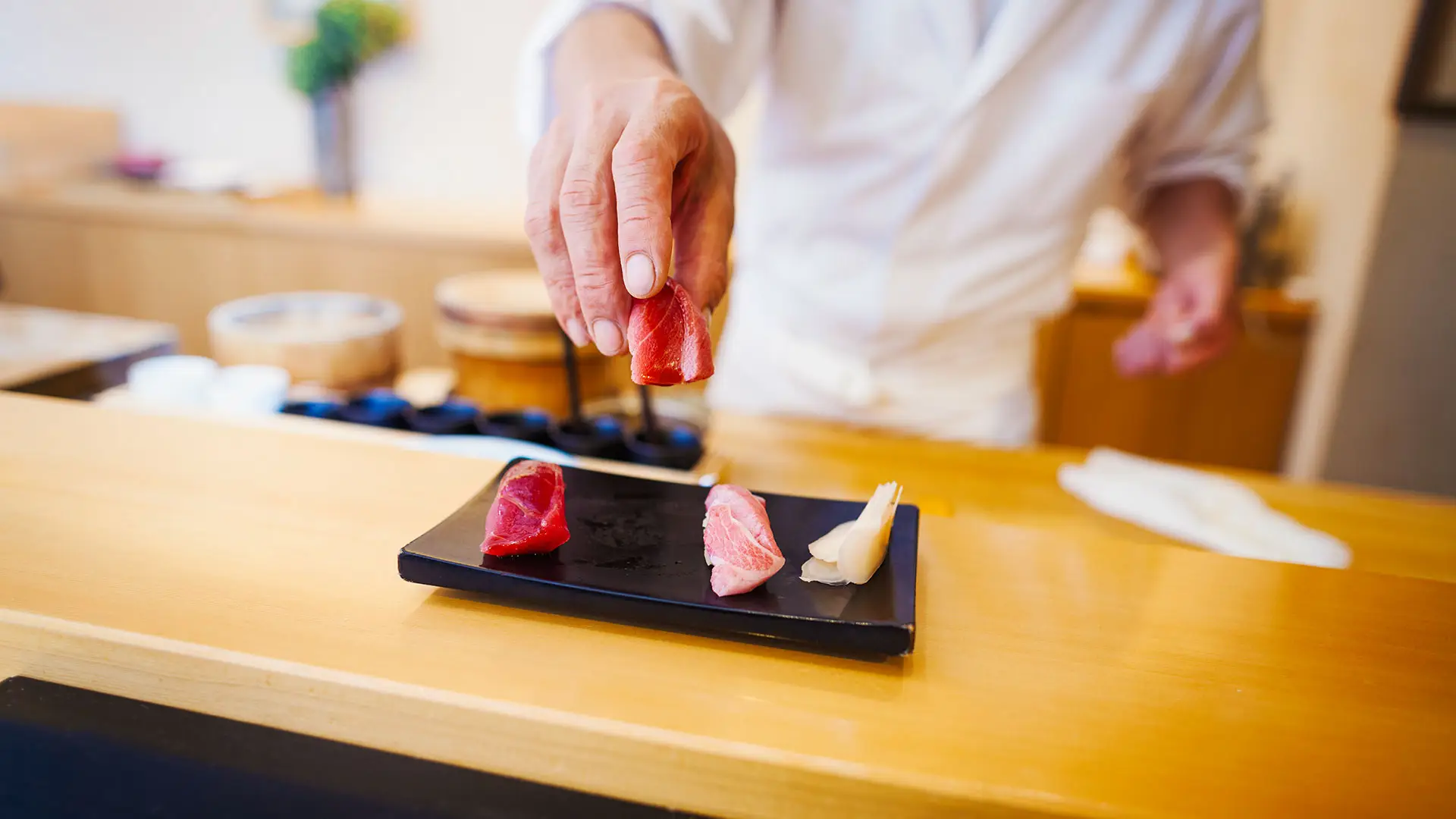
In an omakase restaurant, the chef is not merely a cook; they are an artist, a storyteller, and a guide. They have meticulously planned the menu based on the freshest seasonal ingredients and their culinary expertise. Your role is to trust their judgment and appreciate the journey they are about to take you on. Acknowledging their skill and dedication is a cornerstone of proper omakase etiquette.
The chef's role extends beyond just preparing the food. They often explain each dish, its origin, and how it should be enjoyed. This interaction is part of the omakase experience, offering insights into Japanese culinary philosophy.
Avoiding Distractions During the Meal
In today's digitally driven world, it's tempting to reach for your phone during lulls in conversation. However, at an omakase meal, minimizing distractions is paramount. Put your phone on silent, and refrain from texting, taking calls, or excessive photography. The focus should be on the food, the chef, and the shared experience. Excessive phone use is often seen as disrespectful to the chef and other diners. It disrupts the flow of the meal and detracts from the serene atmosphere that omakase strives to create.
Moreover, avoid wearing strong perfumes or colognes, as these can interfere with the delicate aromas of the food and diminish the experience for others.
Trusting the Chef's Selections
One of the fundamental aspects of omakase is surrendering control over your meal. The chef will present a series of dishes, each carefully selected to showcase different flavors and textures. Avoid making specific requests or substitutions unless you have dietary restrictions or allergies. Trusting the chef's expertise is a sign of respect and allows you to experience the full range of their culinary vision.
If you have any dietary restrictions, such as allergies or aversions to certain ingredients, inform the restaurant when making your reservation or at the beginning of the meal. This allows the chef to make appropriate adjustments without disrupting the flow of the service. However, avoid being overly picky or demanding, as this can be disruptive and disrespectful. Remember that omakase is about experiencing the chef's curated menu, not tailoring it to your specific preferences.
Handling Your Sushi Properly
Eating Sushi in One Bite
Sushi, especially nigiri, is designed to be eaten in a single bite. This allows you to experience the perfect balance of flavors and textures in one go. Trying to take multiple bites can cause the sushi to fall apart and disrupt the intended harmony of the dish. If a piece is too large, you can politely ask the chef to cut it in half, but generally, aim to consume each piece whole.
The size and shape of sushi are carefully considered by the chef to ensure the optimal eating experience. Eating it in one bite allows you to appreciate the combination of the rice, fish, and any accompanying sauces or condiments.
Using Your Hands vs. Chopsticks
While chopsticks are common in Japanese cuisine, using your hands to eat sushi is perfectly acceptable, and in some cases, even preferred. Eating with your hands allows you to better feel the texture of the sushi and prevents it from falling apart. However, make sure your hands are clean before touching the food. If you prefer to use chopsticks, do so correctly. Avoid stabbing the sushi, waving them around, or using them to move plates.
When using chopsticks, remember these basic etiquette rules:
- Never leave your chopsticks sticking upright in a bowl of rice, as this resembles a funeral offering.
- Use the chopstick rest when you're not using them.
- Don't use your chopsticks to pass food to someone else.
- Avoid hovering your chopsticks over the food, indecisively choosing what to eat.
Soy Sauce Usage and Wasabi
Soy sauce and wasabi are important condiments in sushi dining, but they should be used sparingly and with intention. The general rule is to only dip the fish side of the sushi into the soy sauce, as soaking the rice can make it too salty and ruin the texture. Wasabi is typically placed directly on the fish by the chef, but if you prefer more, you can add a small amount to your sushi. Avoid mixing wasabi into the soy sauce, as this is considered impolite.
Here are some additional tips for using soy sauce and wasabi:
- Use the small dish provided for soy sauce.
- Pour only a small amount of soy sauce at a time.
- If the sushi already has sauce on it, there's no need to add more soy sauce.
- Wasabi is meant to enhance the flavor of the fish, not overpower it.
Beyond the Food: Atmosphere and Conversation
Maintaining a Quiet and Respectful Demeanor
Omakase dining is often a serene and intimate experience. Maintaining a quiet and respectful demeanor is crucial for preserving the atmosphere and showing consideration for other diners. Avoid loud talking, boisterous laughter, or disruptive behavior. Speak in a moderate tone and be mindful of your surroundings. The goal is to create a peaceful and enjoyable environment for everyone.
A calm and respectful atmosphere allows everyone to focus on the food and the artistry of the chef. It also fosters a sense of community and shared appreciation.
Engaging in Appropriate Conversation
While conversation is certainly welcome during an omakase meal, it's important to engage in appropriate topics and maintain a respectful tone. Avoid controversial or sensitive subjects that could make others uncomfortable. Instead, focus on discussing the food, the chef's techniques, or other light and engaging topics. Be mindful of the other diners around you and avoid speaking too loudly or intruding on their conversations.
Some appropriate conversation starters include:
- Asking the chef about the origin of the ingredients.
- Commenting on the flavors and textures of the dishes.
- Sharing your appreciation for the chef's artistry.
- Discussing your favorite types of sushi.
Appreciating the Art and Presentation
Omakase is not just about the taste of the food; it's also about the art and presentation. Each dish is carefully crafted and arranged to create a visually stunning experience. Take a moment to appreciate the beauty and detail of each plate before you eat it. Notice the colors, textures, and shapes, and consider the effort and skill that went into creating it. Showing appreciation for the artistic aspects of omakase is a sign of respect for the chef and the tradition.
The presentation of the food is an integral part of the omakase experience. The chef carefully considers the arrangement of the ingredients, the choice of plate or bowl, and the overall aesthetic appeal. By appreciating these details, you can deepen your understanding and enjoyment of the meal.
In conclusion, mastering omakase dining etiquette is essential for a fulfilling and respectful culinary journey. By respecting the chef, handling sushi with care, and maintaining a mindful atmosphere, you can fully immerse yourself in this unique and cherished Japanese tradition. Embrace the experience, savor each bite, and appreciate the artistry that defines omakase.


Messenger

Back to top