
Miso paste, a cornerstone of Japanese cuisine, is a versatile and flavorful ingredient gaining popularity worldwide. This fermented soybean paste offers a unique umami flavor that enhances a wide array of dishes, from comforting soups to savory marinades. Beyond its culinary applications, miso is also celebrated for its potential health benefits, making it a worthy addition to any pantry. This comprehensive guide will delve into the world of miso paste, exploring its origins, nutritional value, and diverse uses in cooking.
What is Miso Paste?
The Basics of Miso
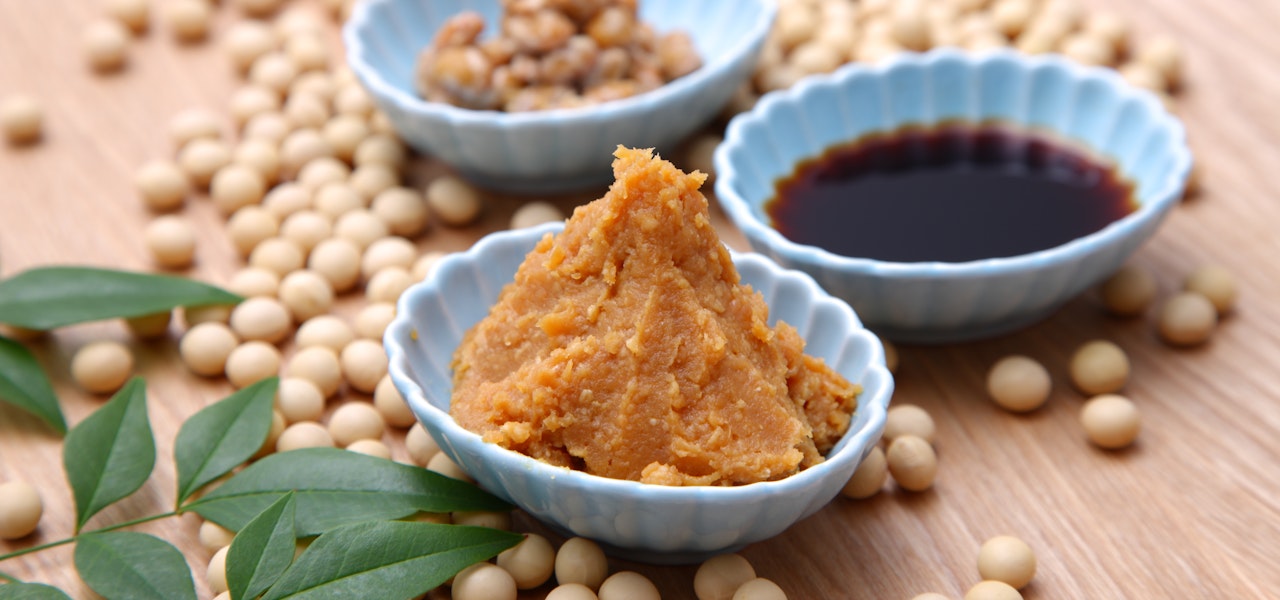
Miso is a traditional Japanese seasoning produced by fermenting soybeans with koji (a type of mold), salt, and often rice, barley, or other grains. The fermentation process, which can last from a few weeks to several years, develops the characteristic rich, savory, and slightly sweet flavor of miso. It's a staple in Japanese cooking, used in everything from soups and sauces to pickles and marinades. The color, flavor, and aroma of miso vary depending on the ingredients, fermentation time, and regional variations.
The key ingredients of miso are:
- Soybeans: The primary ingredient, providing the base for fermentation.
- Koji: A culture of Aspergillus oryzae, a mold that breaks down the soybeans and grains, releasing sugars and amino acids.
- Salt: Essential for controlling the fermentation process and preventing spoilage.
- Grains (optional): Rice, barley, or other grains can be added to influence the flavor and texture of the miso.
The fermentation process is crucial to miso production. Koji enzymes break down the proteins and carbohydrates in the soybeans and grains, creating a complex mixture of amino acids, sugars, and organic acids. These compounds contribute to the unique umami taste and aroma of miso. The length of fermentation also plays a significant role, with longer fermentation times resulting in darker, more intense flavors.
Different Types of Miso
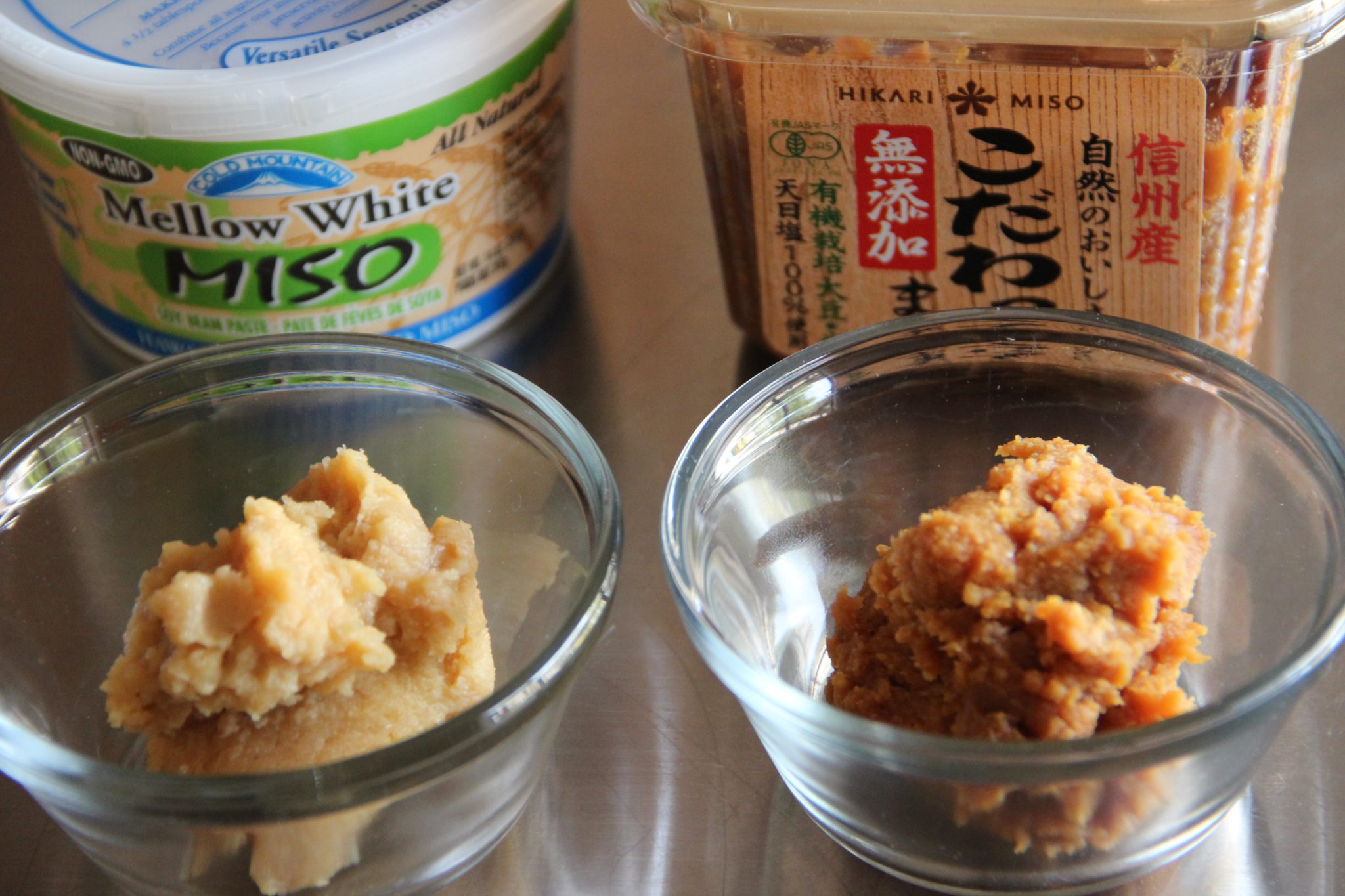
Miso comes in a wide variety of types, each with its own distinct flavor profile and culinary applications. The main types of miso are generally categorized by color, which reflects the ingredients and fermentation time. Here are some of the most common types:
- Shiro Miso (White Miso): This is the lightest and sweetest type of miso, made with a high proportion of rice koji and a short fermentation time. It has a mild, delicate flavor that is ideal for light soups, dressings, and marinades.
- Awase Miso (Mixed Miso): As the name suggests, awase miso is a blend of different types of miso, typically white and red miso. This results in a balanced flavor that is versatile for a wide range of dishes.
- Aka Miso (Red Miso): Red miso is fermented for a longer period and often made with a higher proportion of soybeans. It has a strong, pungent flavor and a deep reddish-brown color. Red miso is best used in hearty soups, stews, and robust marinades.
- Kome Miso (Rice Miso): This type of miso is made with rice koji and is the most common type of miso in Japan. The flavor can range from sweet to savory, depending on the fermentation time and other ingredients.
- Mugi Miso (Barley Miso): Made with barley koji, mugi miso has a slightly sweet and earthy flavor. It is often used in rural areas of Japan and is a good choice for adding depth to vegetable dishes.
- Hatcho Miso (Soybean Miso): Hatcho miso is made only with soybeans, salt, and water, and is fermented for a long period (typically two to three years). It has a very intense, savory flavor and a dark brown color. Hatcho miso is often used in traditional Japanese cuisine and is a good choice for those looking for a strong umami flavor.
When choosing a miso, consider the flavor profile you are looking for and how it will complement the other ingredients in your dish. Lighter misos are generally better for delicate dishes, while darker misos are more suitable for robust flavors.
Miso vs. Other Fermented Foods
Miso is just one of many fermented foods that are valued for their unique flavors and health benefits. Other popular fermented foods include kimchi, sauerkraut, yogurt, and tempeh. While all of these foods undergo fermentation, the specific microorganisms involved and the resulting flavors and textures differ significantly.
Here's a comparison of miso with some other common fermented foods:
- Miso vs. Kimchi: Kimchi is a Korean fermented vegetable dish, typically made with cabbage, radish, and a variety of spices. It has a spicy, sour, and tangy flavor, while miso has a savory, umami, and slightly sweet flavor.
- Miso vs. Sauerkraut: Sauerkraut is a German fermented cabbage dish. It has a sour and tangy flavor, similar to kimchi but less spicy.
- Miso vs. Yogurt: Yogurt is a fermented dairy product. It has a creamy texture and a tangy flavor. While miso is primarily used as a seasoning, yogurt is often eaten as a snack or breakfast food.
- Miso vs. Tempeh: Tempeh is a fermented soybean cake. It has a firm texture and a nutty, slightly earthy flavor. Both miso and tempeh are made from soybeans, but miso is a paste while tempeh is a solid food.
All fermented foods offer potential health benefits due to the presence of probiotics, which are beneficial bacteria that can improve gut health. However, the specific types and amounts of probiotics vary depending on the food.

Health Benefits of Miso Paste
Nutritional Profile of Miso
Miso paste is not only a flavorful ingredient but also a nutritious one. It is a good source of protein, fiber, vitamins, and minerals. The nutritional content of miso varies depending on the type, but here is a general overview of its nutritional profile per tablespoon (approximately 17 grams):
- Calories: 34
- Carbohydrates: 4 grams
- Protein: 2 grams
- Fat: 1 gram
- Sodium: 634 mg
- Manganese: 11% of the Daily Value (DV)
- Vitamin K: 9% of the DV
- Copper: 6% of the DV
- Zinc: 3% of the DV
Miso is also a source of probiotics, which are beneficial bacteria that can support gut health. The fermentation process creates these probiotics, which can help improve digestion and boost the immune system.
Additionally, miso contains essential amino acids, which are the building blocks of protein. These amino acids are important for various bodily functions, including muscle growth and repair.
Miso and Gut Health
One of the most significant health benefits of miso is its positive impact on gut health. As a fermented food, miso is rich in probiotics, which are live microorganisms that can improve the balance of bacteria in the gut. A healthy gut microbiome is essential for overall health, as it plays a role in digestion, immunity, and even mental health.
The probiotics in miso can help:
- Improve digestion: Probiotics can aid in the breakdown of food and the absorption of nutrients.
- Boost the immune system: A healthy gut microbiome can strengthen the immune system and protect against infections.
- Reduce inflammation: Probiotics can help reduce inflammation in the gut and throughout the body.
- Improve mental health: The gut-brain axis is a communication pathway between the gut and the brain. Probiotics can influence this pathway and improve mood and cognitive function.
Studies have shown that consuming fermented foods like miso can increase the diversity of the gut microbiome, which is associated with better health outcomes. However, it's important to note that the specific types and amounts of probiotics in miso can vary depending on the fermentation process and other factors.
Potential Risks and Considerations
While miso offers numerous health benefits, there are also some potential risks and considerations to be aware of:
- High Sodium Content: Miso is relatively high in sodium, so people with high blood pressure or those who are sensitive to sodium should consume it in moderation.
- Soy Allergies: Miso is made from soybeans, so individuals with soy allergies should avoid it.
- Tyramine Content: Fermented foods like miso can contain tyramine, an amino acid that can trigger migraines in some people.
- Medication Interactions: Miso may interact with certain medications, such as MAO inhibitors. It's important to consult with a healthcare professional if you are taking any medications and are considering adding miso to your diet.
Despite these potential risks, miso can be a healthy and delicious addition to your diet when consumed in moderation and as part of a balanced diet. Look for organic miso options to minimize exposure to pesticides and other chemicals.

How to Use Miso Paste in Cooking
Miso in Soups and Stews
One of the most popular and traditional ways to use miso paste is in miso soup. Miso soup is a staple in Japanese cuisine, often served as a breakfast dish or as part of a larger meal. It is typically made with dashi (a Japanese soup stock), miso paste, and various other ingredients such as tofu, seaweed, and vegetables.
To make miso soup:
Miso can also be used to add depth and flavor to other soups and stews. It pairs well with vegetables, meats, and seafood. When adding miso to soups and stews, it's best to dissolve it in a small amount of liquid before adding it to the pot to ensure even distribution.
Miso Marinades and Glazes
Miso makes an excellent marinade for meats, poultry, and seafood. The enzymes in miso help to tenderize the protein, while the umami flavor adds a delicious savory note. To make a miso marinade:
- Combine miso paste with other ingredients: Mix miso paste with ingredients such as soy sauce, mirin (sweet rice wine), sake, ginger, garlic, and sugar. The specific ingredients and proportions will depend on the desired flavor profile.
- Marinate the protein: Coat the meat, poultry, or seafood with the miso marinade and let it marinate in the refrigerator for at least 30 minutes, or up to 24 hours.
- Cook the protein: Grill, bake, or pan-fry the marinated protein until it is cooked through.
Miso can also be used to make glazes for roasted vegetables or grilled meats. To make a miso glaze, simply mix miso paste with a sweetener such as honey or maple syrup, and brush it onto the food during the last few minutes of cooking.
Miso marinades and glazes are a great way to add a unique and flavorful twist to your favorite dishes. They are particularly well-suited for dishes that are grilled or roasted, as the miso caramelizes and creates a delicious crust.
Miso in Vegetarian Dishes
Miso is a versatile ingredient that can be used to enhance a wide variety of vegetarian dishes. Its umami flavor adds depth and complexity to vegetable dishes, making them more satisfying and flavorful. Here are some ways to use miso in vegetarian cooking:
- Miso-glazed vegetables: Roast or grill vegetables such as eggplant, sweet potatoes, or Brussels sprouts with a miso glaze.
- Miso-marinated tofu: Marinate tofu in a miso marinade before baking or pan-frying.
- Miso dressing for salads: Whisk miso paste with rice vinegar, sesame oil, and other ingredients to create a flavorful salad dressing.
- Miso dip for vegetables: Mix miso paste with yogurt or sour cream to create a creamy dip for raw vegetables.
- Miso in noodle dishes: Add miso paste to noodle dishes such as ramen or udon to enhance the broth.
Miso can also be used to make vegetarian versions of traditional meat-based dishes. For example, you can use miso to make a vegetarian "meatloaf" or a vegetarian "pulled pork" sandwich. The possibilities are endless!
In conclusion, miso paste is a versatile and nutritious ingredient that offers a wide range of culinary possibilities. From its traditional use in miso soup to its innovative applications in marinades, glazes, and vegetarian dishes, miso is a valuable addition to any kitchen. Its unique umami flavor and potential health benefits make it a worthy ingredient to explore and incorporate into your diet. Experiment with different types of miso and discover your favorite ways to use this Japanese staple.


Messenger

Back to top