
Omakase, a Japanese dining experience where you entrust the chef to curate a meal, is more than just a dinner; it's an art form. Understanding the nuances of omakase etiquette ensures you not only enjoy the exquisite cuisine but also show respect for the chef's artistry and the traditions behind it. This guide will walk you through every step, from preparing for your meal to post-dining considerations, ensuring a seamless and respectful experience.
Preparing for Your Omakase Experience
Researching and Selecting the Right Omakase Restaurant
Choosing the right restaurant is the first step in ensuring a memorable omakase experience. Start by researching restaurants that align with your taste and budget. Read reviews and look for establishments known for their quality and authenticity. Consider the chef's background and the restaurant's ambiance. A well-regarded chef often indicates a commitment to quality and tradition. Check online guides and ask for recommendations to discover hidden gems or highly-rated establishments.


Here's what to consider when selecting an omakase restaurant:
Read Online Reviews: Look for consistent praise regarding food quality and service.
Check the Chef's Credentials: A reputable chef often has extensive experience and training.
Consider the Ambiance: Choose a setting that complements the dining experience you seek.
Ask for Recommendations: Personal recommendations can provide valuable insights.
Verify Authenticity: Ensure the restaurant focuses on traditional omakase practices.
Understanding Price Points and Budget Considerations
Omakase dining can range significantly in price, reflecting the quality of ingredients, the chef's expertise, and the restaurant's location. Before making a reservation, understand the restaurant's pricing structure. Some establishments offer set menus at different price points, while others may have a more flexible, market-based pricing system. Factor in additional costs such as drinks, tax, and potential service charges. It's wise to set a budget beforehand to avoid any surprises.
Key factors affecting the cost of omakase include:
Ingredient Quality: Higher-grade seafood and ingredients command a premium.
Chef's Skill: Experienced chefs often charge more for their expertise.
Location: Prime locations in major cities typically have higher prices.
Restaurant Reputation: Well-regarded establishments tend to be pricier.
Exclusivity: Restaurants with limited seating or unique offerings may cost more.
Communicating Allergies and Preferences in Advance
Prior to your visit, it's crucial to communicate any allergies or dietary restrictions to the restaurant. Most omakase establishments are accommodating but require advance notice to adjust the menu accordingly. Whether you have allergies to shellfish, gluten intolerance, or other dietary preferences, informing the restaurant ahead of time ensures they can prepare a safe and enjoyable meal for you. This proactive approach demonstrates respect for the chef's craft and helps avoid any potential issues during your dining experience.
Here’s how to effectively communicate your dietary needs:
Call in Advance: Discuss your needs directly with the restaurant staff.
Be Specific: Clearly state your allergies or dietary restrictions.
Confirm Understanding: Ensure the restaurant acknowledges and can accommodate your needs.
Reiterate Upon Arrival: Remind the staff of your requirements when you arrive.
Ask Questions: Clarify any concerns about specific dishes or ingredients.
During the Omakase Meal
Eating Order and Pace: Following the Chef's Guidance
During an omakase meal, the chef carefully sequences the dishes to create a balanced and harmonious dining experience. Pay attention to the order in which dishes are served and follow the chef's guidance on how to enjoy each course. Typically, the meal progresses from lighter flavors to richer, more intense ones. Avoid adding excessive soy sauce or wasabi unless instructed, as the chef has already seasoned the fish to perfection. Savor each bite and allow yourself to appreciate the subtle nuances of the flavors.
Tips for following the chef's guidance:
Observe the Serving Order: Note the sequence of dishes and trust the chef's expertise.
Listen to Explanations: Pay attention to any instructions on how to eat each dish.
Avoid Over-Seasoning: Refrain from adding too much soy sauce or wasabi.
Pace Yourself: Savor each bite and avoid rushing through the meal.
Ask Questions: If unsure, politely ask the chef for clarification.
Proper Use of Chopsticks and Condiments
Using chopsticks correctly is a fundamental aspect of Japanese dining etiquette. Hold the chopsticks comfortably and avoid actions such as sticking them upright in your rice bowl, which is considered a taboo. When using condiments like soy sauce, pour only a small amount into your dipping dish and avoid saturating the sushi. The goal is to enhance, not overpower, the natural flavors of the fish. If you're unsure about the proper technique, don't hesitate to ask the chef or staff for guidance.
Key points for proper chopstick and condiment use:
Hold Chopsticks Correctly: Use a comfortable and controlled grip.
Avoid Sticking Chopsticks Upright: This is a sign of offering food to the dead.
Pour Soy Sauce Sparingly: Use only a small amount for dipping.
Don't Saturate Sushi: Avoid soaking the sushi in soy sauce.
Ask for Guidance: Seek help if you're unsure about the proper technique.

Engaging with the Chef: Asking Questions Respectfully
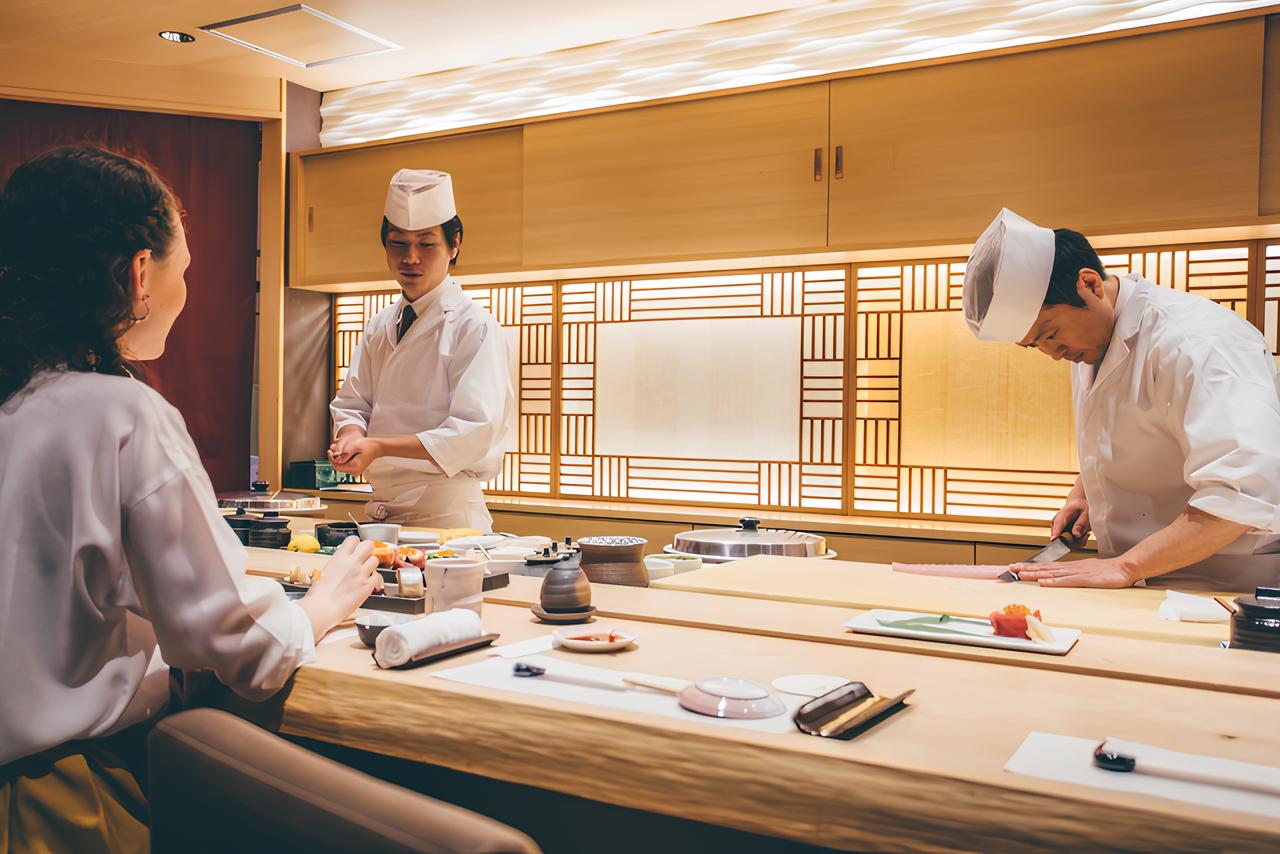
One of the unique aspects of omakase is the opportunity to interact directly with the chef. Engaging in polite conversation can enhance your dining experience and provide insights into the dishes you're enjoying. Ask about the origin of the fish, the preparation methods, or the chef's culinary philosophy. However, be mindful of the chef's time and avoid overly personal or intrusive questions. A respectful and curious attitude can foster a connection and deepen your appreciation for the art of omakase. Remember, showing respect for the chef is paramount.
Guidelines for engaging with the chef:
Be Polite and Respectful: Approach the chef with courtesy and consideration.
Ask Relevant Questions: Inquire about the food, preparation, or culinary philosophy.
Avoid Intrusive Questions: Refrain from asking overly personal questions.
Listen Attentively: Pay attention to the chef's responses and insights.
Show Appreciation: Express your gratitude for the chef's expertise and artistry.
Post-Omakase Considerations
Expressing Appreciation to the Chef and Staff
After the meal, it's customary to express your appreciation to the chef and staff for their service and culinary expertise. A simple "gochisousama deshita" (ご馳走様でした), which translates to "thank you for the feast," is a polite and sincere way to show your gratitude. Complimenting the chef on specific dishes or aspects of the meal demonstrates that you valued their efforts. A genuine expression of thanks leaves a positive impression and reinforces the importance of hospitality in Japanese culture. Show your gratitude for the culinary experience.
Ways to express appreciation:
Say "Gochisousama Deshita": This traditional phrase conveys your thanks for the meal.
Compliment Specific Dishes: Mention what you particularly enjoyed about the food.
Thank the Staff: Acknowledge the service provided by the restaurant staff.
Leave a Positive Review: Share your experience online to support the restaurant.
Return for Another Visit: Show your continued appreciation by dining again.
Understanding Tipping Customs at Omakase Restaurants
Tipping customs in Japan differ significantly from those in many Western countries. Generally, tipping is not expected or customary at Japanese restaurants, including omakase establishments. The price of the meal is considered to include the service provided. Attempting to leave a tip may even cause confusion or offense. However, if you feel compelled to show extra appreciation, you can consider leaving a small gift or a token of gratitude, such as a small package of sweets, rather than cash.
Key points about tipping in Japan:
Tipping is Not Expected: Service is typically included in the meal price.
Avoid Leaving Cash Tips: This can be seen as impolite or confusing.
Consider a Small Gift: A token of gratitude may be more appropriate.
Express Verbal Appreciation: Sincere thanks can be highly valued.
Respect Local Customs: Adhere to Japanese dining etiquette regarding tipping.
Reflecting on the Dining Experience and Sharing Feedback
After your omakase meal, take some time to reflect on the overall dining experience. Consider the quality of the food, the ambiance of the restaurant, and the level of service provided. Sharing your feedback, whether through online reviews or directly with the restaurant, can be valuable. Positive reviews can help other diners discover exceptional omakase experiences, while constructive feedback can assist restaurants in improving their offerings. Your insights contribute to the ongoing appreciation and refinement of this unique culinary art form. Consider the overall dining experience when reflecting.
Ways to reflect and share feedback:
Consider the Food Quality: Evaluate the freshness, flavor, and presentation of the dishes.
Assess the Ambiance: Reflect on the restaurant's atmosphere and decor.
Evaluate the Service: Consider the attentiveness and professionalism of the staff.
Write Online Reviews: Share your experience on review platforms.
Provide Direct Feedback: Offer constructive comments to the restaurant management.
By following this comprehensive guide to omakase etiquette, you can ensure a respectful, enjoyable, and memorable dining experience. From preparing for your meal to expressing gratitude afterward, each step contributes to a deeper appreciation of the art and tradition of omakase. Understanding the cultural nuances enhances the experience.
In conclusion, mastering omakase etiquette is about more than just knowing the rules; it's about embracing the spirit of respect, appreciation, and mindfulness that underlies this unique dining tradition. By understanding and adhering to these guidelines, you not only enhance your own experience but also contribute to the preservation of a cherished culinary art. Remember to research restaurants carefully, communicate your needs in advance, follow the chef's guidance during the meal, and express your gratitude afterward. With these principles in mind, you're well-prepared to embark on a memorable omakase journey and appreciate the finer details of Japanese cuisine. Understanding these customs allows diners to fully appreciate the artistry and dedication that goes into each omakase experience, fostering a deeper connection with Japanese culture.
Ultimately, the goal is to approach the experience with an open mind and a willingness to learn. Embrace the opportunity to step outside your comfort zone and immerse yourself in a new culinary world. The more you understand and appreciate the traditions behind omakase, the more rewarding your dining experience will be. So, go forth, explore, and savor the exquisite flavors and artistry of omakase, all while honoring the etiquette and customs that make it so special.
By being mindful of these customs, you contribute to the preservation of a time-honored tradition, ensuring that omakase remains a cherished culinary art for generations to come. Embrace the experience with an open mind, a respectful attitude, and a willingness to learn, and you'll find that omakase is more than just a meal – it's a cultural journey. Consider this cultural immersion when dining.
Remember that your behavior reflects not only on you but also on your respect for the chef and the traditions they uphold. By demonstrating proper etiquette, you become an active participant in the omakase experience, contributing to the overall harmony and appreciation of the meal. The art of omakase extends beyond the food.
Finally, remember that omakase is not just about the food; it's about the entire experience. It's about the ambiance, the service, the conversation, and the connection with the chef. Embrace all aspects of the experience, and you'll find that omakase is more than just a meal – it's a journey of discovery, a celebration of art, and a testament to the power of human connection. Savor the unique dining experience.
With these insights in mind, you are now well-equipped to embark on your own omakase adventure, ready to appreciate the artistry, savor the flavors, and honor the traditions that make it such a special and unforgettable culinary experience. Enjoy your journey into the world of omakase, and may your future dining experiences be filled with delight, discovery, and a deep appreciation for the art of Japanese cuisine. The essence of Japanese hospitality is key.


Messenger

Back to top