
Kyoto, the former imperial capital of Japan, is a city steeped in history, culture, and natural beauty. From its iconic temples and serene gardens to its exquisite cuisine and traditional crafts, Kyoto offers a unique travel experience that captivates visitors from around the globe. This comprehensive guide will take you on a journey through Kyoto's must-see neighborhoods, culinary delights, and exciting day-trip destinations, ensuring an unforgettable adventure.
A Guide to Kyoto's Neighborhoods
Kyoto is a city of distinct neighborhoods, each with its own unique character and attractions. Exploring these areas is essential to fully appreciate the city's charm and diversity.
Exploring Gion: Kyoto's Geisha District
Gion, Kyoto's most famous geisha district, is a captivating area that transports you back in time. This historic neighborhood is characterized by its preserved wooden machiya houses, traditional teahouses (ochaya), and the elusive geiko (Kyoto geisha) and maiko (apprentice geisha) who grace its streets.
Key Attractions in Gion:
- Hanamikoji Street: The heart of Gion, Hanamikoji Street, is lined with exclusive teahouses and restaurants. This is where geiko and maiko often entertain guests.
- Shirakawa Canal: A picturesque canal lined with willow trees and traditional buildings. It offers a tranquil escape from the bustling streets.
- Gion Corner: A theater showcasing traditional Japanese performing arts, including tea ceremonies, bunraku puppet theater, and kyogen comic plays.
- Kennin-ji Temple: The oldest Zen temple in Kyoto, founded in 1202. It features stunning Zen gardens and artwork.
Walking through Gion in the evening, you might catch a glimpse of a geiko or maiko hurrying to an appointment. While it's tempting to take photos, it's important to be respectful and avoid obstructing their path or invading their privacy. The best way to experience Gion is to wander its streets, soak in the atmosphere, and perhaps enjoy a traditional tea ceremony or a kaiseki dinner at one of its exclusive establishments. Consider using a guided walking tour to learn about the area's rich history and culture.
Higashiyama: Historic Temples and Traditional Crafts
Higashiyama, located in the eastern part of Kyoto, is a treasure trove of historic temples, shrines, and traditional craft shops. This area is perfect for those looking to immerse themselves in Kyoto's cultural heritage.
Must-See Sites in Higashiyama:
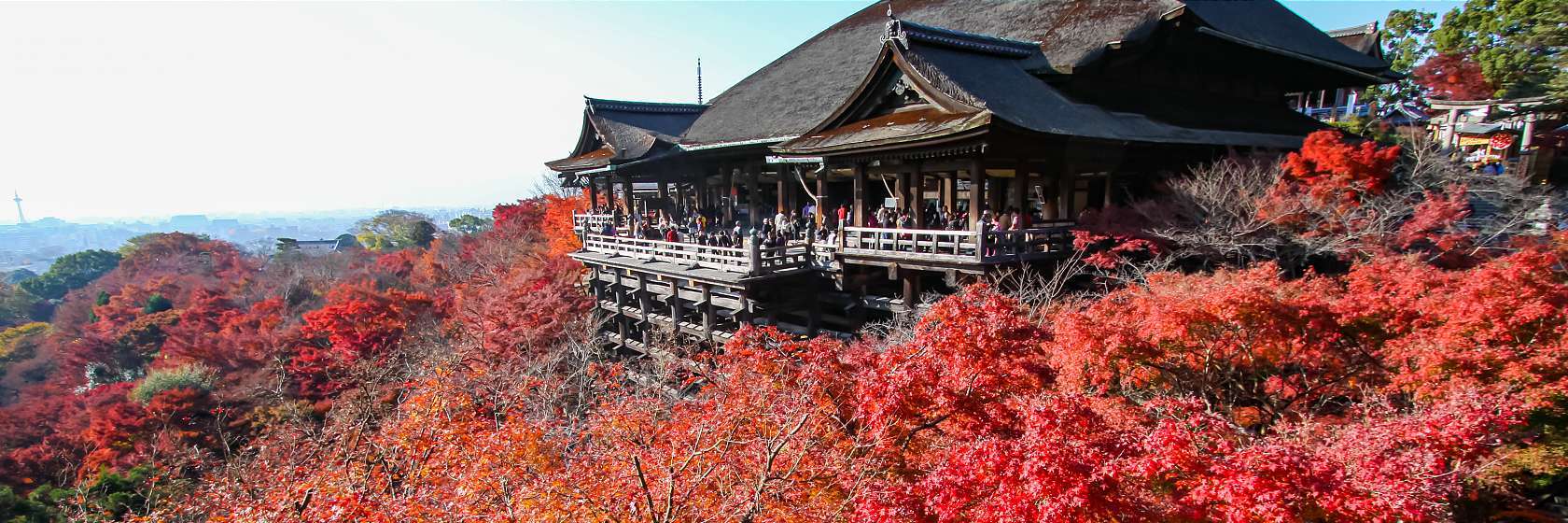
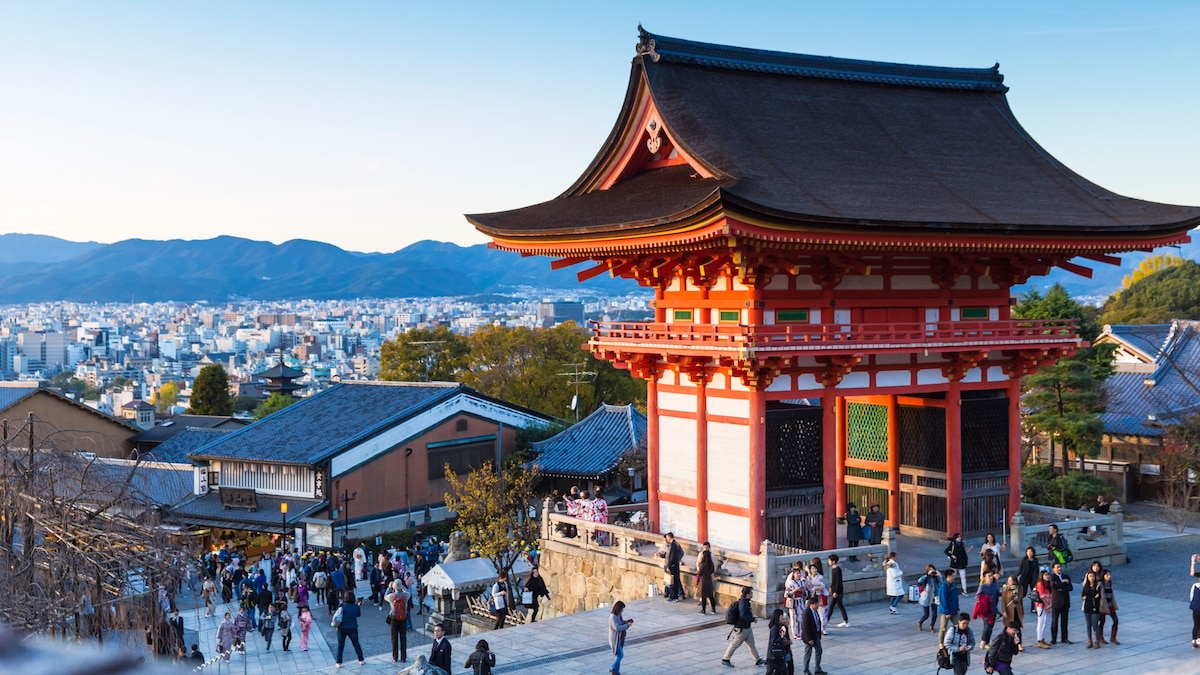
- Kiyomizu-dera Temple: A UNESCO World Heritage Site, Kiyomizu-dera is famous for its wooden stage that offers panoramic views of Kyoto. The temple also features the Jishu Shrine, dedicated to love and matchmaking.
- Kodai-ji Temple: Founded in 1606 in memory of Toyotomi Hideyoshi, one of Japan's most influential historical figures, Kodai-ji is renowned for its beautiful gardens and architecture.
- Ginkaku-ji (Silver Pavilion): Modeled after Kinkaku-ji (Golden Pavilion), Ginkaku-ji is a Zen temple known for its serene atmosphere and meticulously designed gardens.
- Nanzen-ji Temple: One of the most important Zen temples in Japan, Nanzen-ji features impressive architecture, beautiful gardens, and a unique aqueduct that was built during the Meiji era.
- Maruyama Park: Kyoto's oldest park, Maruyama Park, is a popular spot for cherry blossom viewing in the spring. It also features ponds, walking paths, and traditional restaurants.
In addition to its temples and shrines, Higashiyama is also known for its traditional crafts. The streets leading up to Kiyomizu-dera are lined with shops selling pottery, lacquerware, textiles, and other local products. This is a great place to find unique souvenirs and experience the artistry of Kyoto's craftsmen.
Arashiyama: Bamboo Forests and Scenic Views
Located on the western outskirts of Kyoto, Arashiyama is a scenic district known for its stunning natural beauty. The area's most famous attraction is the Arashiyama Bamboo Grove, a mesmerizing path through towering bamboo stalks.
Highlights of Arashiyama:
- Arashiyama Bamboo Grove: A magical experience, the bamboo grove is a must-see for any visitor to Kyoto. The towering bamboo creates a surreal and enchanting atmosphere.
- Tenryu-ji Temple: One of Kyoto's most important Zen temples, Tenryu-ji features stunning gardens that blend seamlessly with the surrounding landscape.
- Togetsukyo Bridge: An iconic wooden bridge that spans the Hozugawa River, Togetsukyo Bridge offers breathtaking views of the surrounding mountains and forests.
- Iwatayama Monkey Park: A short hike up Mount Arashi will reward you with panoramic views of Kyoto and the chance to interact with wild monkeys.
- Hozugawa River Boat Ride: A traditional boat ride down the Hozugawa River offers a unique perspective on the area's natural beauty.
Arashiyama is a perfect destination for a day trip from Kyoto. In addition to its natural attractions, the area also offers a variety of restaurants, shops, and temples to explore. Whether you're strolling through the bamboo grove, enjoying a boat ride on the river, or hiking up to the monkey park, Arashiyama promises a memorable experience.
Savoring Kyoto's Culinary Delights
Kyoto is a food lover's paradise, offering a wide range of culinary experiences that reflect the city's rich history and culture. From refined kaiseki dinners to humble bowls of ramen, Kyoto's cuisine is sure to tantalize your taste buds.
Kaiseki: The Art of Japanese Haute Cuisine
Kaiseki is a traditional Japanese multi-course meal that showcases the season's freshest ingredients and the chef's artistic skill. Each dish is carefully prepared and beautifully presented, reflecting the principles of harmony, balance, and respect for nature. Experiencing a kaiseki dinner is an essential part of any culinary journey in Kyoto.
Key Elements of Kaiseki:
- Seasonal Ingredients: Kaiseki cuisine emphasizes the use of seasonal ingredients, ensuring that each dish is at its peak flavor and freshness.
- Artistic Presentation: The presentation of kaiseki dishes is just as important as the taste. Each dish is carefully arranged to create a visually stunning work of art.
- Variety of Cooking Techniques: Kaiseki meals incorporate a variety of cooking techniques, including grilling, steaming, frying, and simmering.
- Balance of Flavors: Kaiseki aims to achieve a balance of flavors, with each dish complementing the others to create a harmonious dining experience.
- Respect for Tradition: Kaiseki is deeply rooted in Japanese tradition, reflecting the country's reverence for nature, simplicity, and elegance.
A typical kaiseki meal might include a variety of small dishes, such as sashimi, grilled fish, simmered vegetables, and rice. The meal often begins with a light appetizer and ends with a delicate dessert. Dining at a kaiseki restaurant can be an expensive affair, but it's an experience that's well worth the investment for serious foodies. Be sure to book in advance, as many kaiseki restaurants have limited seating and require reservations.
Ramen and Other Local Noodle Dishes
While kaiseki represents the height of Kyoto's culinary sophistication, the city also offers a variety of more casual and affordable dining options. Ramen, a popular noodle soup dish, is a staple of Japanese cuisine, and Kyoto has its own unique variations.
Popular Noodle Dishes in Kyoto:
- Kyoto-style Ramen: Kyoto-style ramen typically features a rich, pork-based broth and thin, straight noodles. Common toppings include chashu pork, green onions, and bamboo shoots.
- Kitsune Udon: A simple but satisfying dish, kitsune udon consists of thick udon noodles in a light broth, topped with a large piece of fried tofu (aburaage).
- Nishin Soba: A Kyoto specialty, nishin soba features buckwheat noodles in a savory broth, topped with a piece of dried herring (nishin) that has been simmered in soy sauce and sugar.
- Obanzai: While not strictly a noodle dish, obanzai refers to Kyoto-style home cooking, which often includes a variety of simmered vegetable dishes served with rice and miso soup.
Ramen shops can be found throughout Kyoto, ranging from small, hole-in-the-wall establishments to larger, more modern restaurants. Many ramen shops specialize in a particular style of ramen, so be sure to do some research to find one that suits your taste. In addition to ramen, Kyoto also offers a variety of other noodle dishes, such as udon and soba, which are often served with a variety of toppings and sauces. Exploring Kyoto's noodle scene is a great way to experience the city's culinary diversity without breaking the bank.
Kyoto's Unique Sweets and Desserts
No culinary journey in Kyoto is complete without indulging in the city's unique sweets and desserts. Kyoto is known for its traditional wagashi, delicate confections that are often served with green tea. These sweets are not only delicious but also visually stunning, reflecting the artistry and attention to detail that are characteristic of Japanese culture.
Must-Try Sweets in Kyoto:
- Matcha Sweets: Kyoto is famous for its matcha (green tea), and many of the city's sweets incorporate this ingredient. Popular matcha sweets include matcha ice cream, matcha cake, and matcha mochi.
- Yatsuhashi: A triangular-shaped mochi cake made from glutinous rice flour, sugar, and cinnamon. Yatsuhashi is a Kyoto specialty and comes in a variety of flavors, including matcha, chocolate, and sesame.
- Mitarashi Dango: Skewered rice dumplings grilled and coated in a sweet and savory soy sauce glaze. Mitarashi dango is a popular street food in Kyoto and can be found at many temples and festivals.
- Zen-style Sweets: Many Zen temples in Kyoto offer their own unique sweets, which are often made with natural ingredients and designed to be enjoyed with a cup of green tea.
Kyoto's sweet shops are a feast for the eyes as well as the palate. Many shops display their sweets in beautiful cases, and some even offer demonstrations of how they are made. Whether you're a fan of matcha, mochi, or traditional Japanese confections, Kyoto has something to satisfy your sweet tooth.
Day Trips from Kyoto
While Kyoto itself offers plenty to see and do, there are also several fascinating destinations that can be easily visited on a day trip. These day trips offer a chance to explore different aspects of Japanese culture and history.
Nara: Deer, Temples, and Todai-ji
Nara, located just a short train ride from Kyoto, is famous for its friendly wild deer that roam freely in Nara Park. The city is also home to several important temples and shrines, including Todai-ji, which houses a giant bronze Buddha statue.
Key Attractions in Nara:
- Nara Park: Home to hundreds of wild deer, Nara Park is a unique and enchanting place to visit. Visitors can purchase deer crackers to feed the deer, but it's important to be respectful and avoid teasing them.
- Todai-ji Temple: One of the most iconic temples in Japan, Todai-ji houses a giant bronze Buddha statue that is one of the largest in the world.
- Kasuga Taisha Shrine: Famous for its thousands of stone and bronze lanterns, Kasuga Taisha Shrine is a beautiful and atmospheric place to visit.
- Kofuku-ji Temple: Founded in the 7th century, Kofuku-ji is another important temple in Nara, known for its five-story pagoda.
Nara is a perfect destination for a day trip from Kyoto, offering a blend of natural beauty, cultural heritage, and unique experiences. Whether you're feeding the deer in Nara Park, marveling at the giant Buddha statue in Todai-ji, or exploring the historic streets of Naramachi, Nara promises a memorable adventure.
Osaka: Urban Exploration and Culinary Adventures
Osaka, Japan's second-largest city, is a vibrant and modern metropolis that offers a stark contrast to the traditional atmosphere of Kyoto. Known for its delicious food, lively nightlife, and unique attractions, Osaka is a must-visit destination for those looking to experience a different side of Japan.
Highlights of Osaka:
- Dotonbori: Osaka's most famous entertainment district, Dotonbori, is a dazzling display of lights, signs, and street food. It's a great place to experience the city's energy and indulge in local delicacies.
- Osaka Castle: A symbol of Osaka, Osaka Castle is a magnificent structure that played an important role in Japanese history. The castle grounds offer beautiful gardens and panoramic views of the city.
- Shinsekai: A retro district that evokes the atmosphere of early 20th-century Osaka, Shinsekai is known for its Tsutenkaku Tower and its kushikatsu (deep-fried skewers).
- Umeda Sky Building: Offering stunning panoramic views of Osaka, the Umeda Sky Building is a modern architectural marvel that features a floating garden observatory.
Osaka is a food lover's paradise, offering a wide range of culinary delights that are often referred to as "kuidaore" (eat till you drop). From takoyaki (octopus balls) and okonomiyaki (savory pancakes) to kushikatsu and ramen, Osaka's street food scene is not to be missed. Whether you're exploring the vibrant streets of Dotonbori, marveling at the architecture of Osaka Castle, or indulging in the city's delicious food, Osaka promises an exciting and unforgettable experience. Consider using a personalized travel itinerary for your next trip.
Kobe: Port City and Beef Delights
Kobe, a port city located west of Osaka, is famous for its high-quality beef (Kobe beef) and its cosmopolitan atmosphere. The city offers a blend of modern architecture, historical landmarks, and scenic views of the surrounding mountains and sea.
Top Attractions in Kobe:
- Kobe Beef: Kobe beef is renowned for its marbling, tenderness, and flavor. Many restaurants in Kobe offer Kobe beef steaks, sukiyaki, and other dishes.
- Harborland: A modern waterfront district that features shopping malls, restaurants, and entertainment facilities. Harborland is a great place to enjoy the city's skyline and relax by the sea.
- Kitano-cho: A historic district that features well-preserved Western-style houses from the Meiji era. Kitano-cho offers a glimpse into Kobe's international past.
- Mount Rokko: Offering stunning views of Kobe and the surrounding area, Mount Rokko is a popular destination for hiking, picnicking, and enjoying the natural beauty of the region.
Kobe is a perfect destination for a day trip from Kyoto for those looking to indulge in delicious food, explore a cosmopolitan city, and enjoy scenic views. Whether you're savoring a Kobe beef steak, strolling through the historic streets of Kitano-cho, or hiking up Mount Rokko, Kobe promises a delightful and memorable experience.
In conclusion, Kyoto offers a diverse and enriching travel experience that caters to a wide range of interests. From its historic neighborhoods and exquisite cuisine to its exciting day-trip destinations, Kyoto is a city that will captivate your senses and leave you with lasting memories. Whether you're a first-time visitor or a seasoned traveler, Kyoto is sure to offer something new and exciting to discover. Planning for affordable travel accommodations can improve your trip.


Messenger

Back to top