
The kimono, an iconic symbol of Japan, transcends mere clothing; it embodies centuries of cultural heritage, artistry, and tradition. More than just a garment, it's a canvas displaying intricate designs, a marker of social status, and a testament to the enduring elegance of Japanese aesthetics. From its ancient origins to its modern adaptations, the kimono's journey reflects the evolution of Japanese society itself. This article delves into the rich history, diverse types, and meticulous art of wearing and caring for this exquisite garment, offering a comprehensive exploration of its significance.
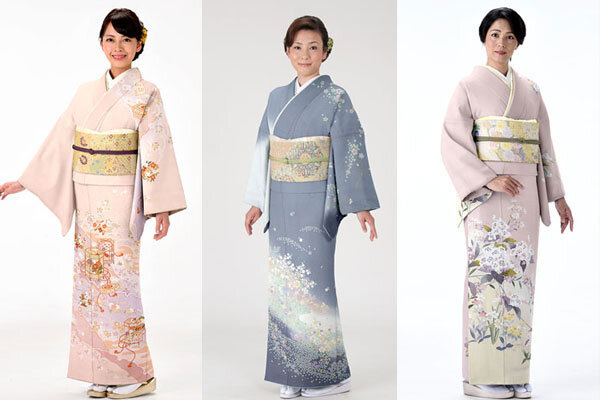
The History and Evolution of the Kimono
Ancient Origins and Early Forms
The kimono's roots can be traced back to the Nara period (710-794 AD), influenced by Chinese Hanfu. Initially, these early forms were primarily worn by the Japanese aristocracy. During the Heian period (794-1185 AD), the kimono began to evolve into a distinctively Japanese style, known as the kosode, a simple, unlined garment worn as underwear by the elite. Layering became a crucial aspect of fashion, with colors and fabrics signifying social rank and seasonal appropriateness. The number of layers, their colors, and the overall ensemble communicated a person's status and taste.
The Kimono in the Edo Period
The Edo period (1603-1868 AD) marked a significant turning point for the kimono. As social structures became more defined, the kimono became even more codified. Different classes and professions had their own designated styles and patterns. The kosode evolved into the outer garment we recognize today as the kimono. Textile production flourished, leading to greater availability and variety of fabrics. Intricate dyeing techniques, such as Yuzen, were developed, allowing for elaborate designs and vibrant colors. Sumptuary laws dictated the fabrics and colors that different social classes could wear, further emphasizing the kimono's role as a status symbol. For example, commoners were often restricted to wearing cotton or linen kimonos in subdued colors, while the samurai class could afford silk kimonos with more elaborate designs. The Edo period truly cemented the kimono's place as a central part of Japanese culture and identity, as fashion trends began to emerge.
Modern Adaptations and Cultural Significance
While Western clothing gained popularity in Japan during the Meiji era (1868-1912 AD), the kimono retained its cultural significance. It became reserved for special occasions, such as weddings, tea ceremonies, and festivals. Designers began to experiment with new fabrics and patterns, blending traditional aesthetics with modern sensibilities. Today, the kimono is viewed as a symbol of Japanese identity and artistry. It continues to inspire fashion designers worldwide and remains a cherished garment for many Japanese people. The preservation of traditional crafts associated with kimono production, such as silk weaving and dyeing, is a testament to its enduring value. Efforts are being made to promote the wearing of kimono among younger generations, ensuring that this iconic garment continues to thrive in the 21st century.
Types of Kimono and Their Occasions
The world of kimono is vast and varied, with different types suited for specific occasions and reflecting the wearer's age, marital status, and social standing. Understanding these distinctions is essential for appreciating the depth and complexity of kimono culture.
Uchikake: The Formal Wedding Kimono
The uchikake is an exquisitely ornate and heavily padded kimono worn by brides during traditional Japanese weddings. Typically made of luxurious silk and adorned with elaborate embroidery, gold leaf, and auspicious motifs, the uchikake symbolizes good fortune and marital bliss. Common designs include cranes (symbols of longevity), pine trees (representing steadfastness), and phoenixes (signifying rebirth and new beginnings). The uchikake is worn over another kimono and is often left trailing on the floor, creating a stunning visual effect. Its weight and grandeur underscore the solemnity and importance of the wedding ceremony.
Yukata: The Casual Summer Kimono
In stark contrast to the formal uchikake, the yukata is a lightweight, unlined cotton kimono worn during the summer months. Originally intended as bathrobes for guests at Japanese inns, yukata have become popular casual wear for festivals, fireworks displays, and relaxing at home. They are typically indigo blue or white, with simple patterns such as geometric designs, floral motifs, or seasonal imagery. Yukata are easy to wear and require minimal accessories, making them a comfortable and accessible way to experience Japanese tradition. They are often paired with wooden sandals (geta) and a simple obi belt.

Komon: Everyday Kimono and Patterns
Komon are kimonos with small, repeating patterns that make them suitable for everyday wear. They are less formal than other types of kimono and can be worn for shopping, visiting friends, or attending casual events. The patterns on komon kimonos can range from geometric shapes to floral designs to abstract motifs. The versatility of komon makes them a popular choice for women who want to incorporate traditional Japanese clothing into their daily lives. They can be dressed up or down with different obi belts and accessories, allowing for a range of stylish looks.
How to Wear and Care for a Kimono
Wearing and caring for a kimono is an art in itself, requiring knowledge of specific techniques and a deep respect for the garment's delicate nature.
The Art of Proper Kimono Dressing
Proper kimono dressing is a meticulous process that involves several steps and attention to detail. The kimono is always wrapped left side over right, as the opposite is reserved for dressing the deceased. A series of undergarments, including a juban (under-kimono), are worn to create a smooth silhouette and protect the outer kimono from perspiration. The obi belt is then tied around the waist in a specific knot, depending on the occasion and the wearer's age and marital status. The entire process can take considerable time and often requires assistance from a professional dresser.
Here is the general process:
Essential Accessories: Obi, Geta, and More
A variety of accessories complement the kimono and complete the traditional Japanese ensemble. The obi, a broad sash worn around the waist, is perhaps the most important accessory. Obi come in a variety of colors, patterns, and fabrics, and the choice of obi can significantly impact the formality of the outfit. Geta, wooden sandals, are typically worn with yukata and other casual kimonos. Zori, more formal sandals made of leather or fabric, are worn with dressier kimonos. Other essential accessories include tabi socks (split-toe socks), kanzashi (hair ornaments), and handbags.
The main accessories include:
- Obi: A broad sash worn around the waist to secure the kimono.
- Geta: Wooden sandals, typically worn with yukata.
- Zori: More formal sandals made of leather or fabric.
- Tabi: Split-toe socks worn with traditional Japanese footwear.
- Kanzashi: Hair ornaments used to adorn traditional hairstyles.
Kimono Storage and Maintenance Tips
Due to the delicate nature of the fabrics and dyes used in kimonos, proper storage and maintenance are essential to preserve their beauty and longevity. Kimonos should be stored flat, ideally wrapped in acid-free tissue paper or a special kimono storage box. They should be kept in a cool, dry place away from direct sunlight to prevent fading and damage. Avoid hanging kimonos for extended periods, as this can stretch the fabric and distort the shape. Professional cleaning is recommended for delicate or heavily soiled kimonos. Spot cleaning can be done with a soft cloth and mild detergent, but always test the solution on an inconspicuous area first. By following these care instructions, you can ensure that your kimono remains a cherished heirloom for generations to come.
To summarize, here are some preservation tips:
- Store flat in acid-free tissue paper or a kimono storage box.
- Keep in a cool, dry place away from direct sunlight.
- Avoid hanging for extended periods.
- Seek professional cleaning for delicate or heavily soiled kimonos.
- Spot clean with a soft cloth and mild detergent, testing first.
The kimono is far more than clothing—it is a living symbol of Japanese history, artistry, and cultural values. Evolving alongside society, it reflects changes in fashion, status, and tradition while preserving meticulous craftsmanship. From formal wedding kimono to casual summer yukata, each style carries meaning and beauty. By understanding and preserving the kimono, we honor Japan’s heritage and ensure this timeless art continues to inspire future generations.


Messenger

Back to top