
In Japan, the concept of Kami is deeply ingrained in the culture and spiritual beliefs of the people. These entities, often translated as gods or spirits, are central to Shinto, the indigenous religion of Japan. Understanding the nature and role of Kami provides valuable insight into the Japanese worldview and their relationship with the natural world. This article delves into the multifaceted aspects of Kami, exploring their essence, various types, and the ways in which they are worshipped and integrated into daily life.
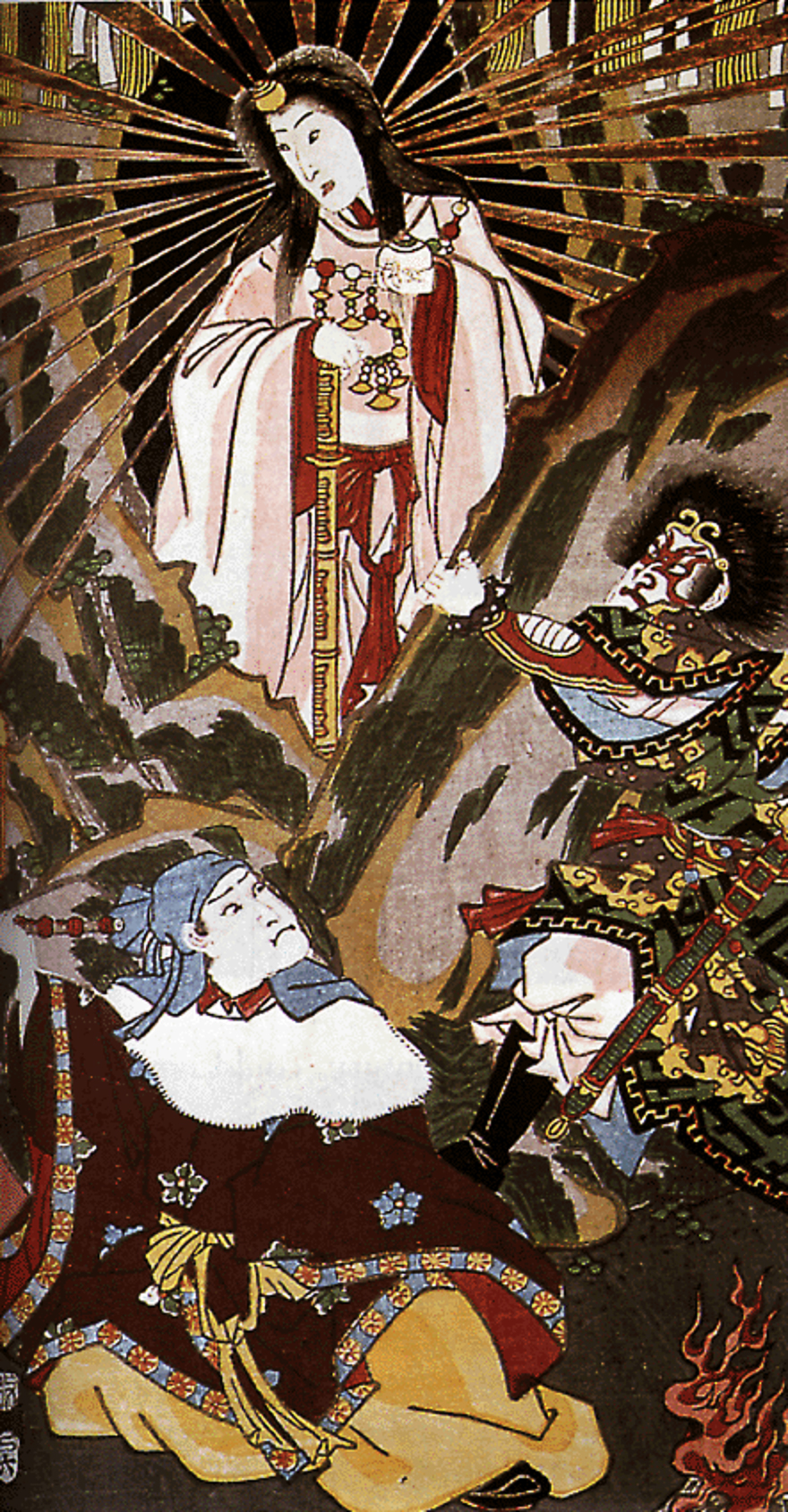
What Are Kami? Understanding The Spirits Of Japan
The Nature Of Kami
The term 'Kami' is complex and doesn't have a direct equivalent in Western religions. While often referred to as gods, Kami are more accurately described as spirits or sacred forces that inhabit and animate the world around us. They can reside in natural elements like mountains, trees, and rivers, as well as in abstract concepts such as fertility, growth, and protection. The essence of Kami is not limited to benevolent beings; they can also manifest as destructive forces, highlighting the duality inherent in nature itself. It's important to recognize that the concept of Kami is fluid and encompasses a wide spectrum of entities, reflecting the diverse and dynamic nature of the world.
Kami are not necessarily omnipotent or omnipresent like the gods of monotheistic religions. Instead, they are localized spirits with specific domains and responsibilities. They possess unique personalities and can be influenced by human actions and intentions. This interactive relationship between humans and Kami is a key aspect of Shinto belief, fostering a sense of interconnectedness and mutual respect.
Kami In Shinto Beliefs
In Shinto, Kami are not seen as separate from the world but rather as an integral part of it. They are believed to inhabit all things, both animate and inanimate, creating a sense of sacredness in the everyday world. Shinto emphasizes the importance of maintaining harmony with Kami, as their favor is believed to bring blessings and prosperity, while their displeasure can result in misfortune.
Shinto practices revolve around the worship and appeasement of Kami through rituals, offerings, and prayers. Shrines, known as jinja, serve as the focal points for these interactions, providing a space for humans to connect with the divine. The concept of purity is also central to Shinto, as maintaining a state of cleanliness, both physical and spiritual, is essential for approaching Kami. This emphasis on purity is reflected in the numerous purification rituals performed at shrines and in daily life.
Kami And The Natural World
One of the defining characteristics of Kami is their close association with the natural world. Mountains, forests, rivers, and even individual trees can be considered sacred due to the presence of Kami. This reverence for nature has profoundly shaped Japanese culture, influencing everything from art and literature to agriculture and environmental conservation. The Japanese have traditionally viewed themselves as caretakers of the land, responsible for preserving its beauty and resources for future generations. This stewardship is rooted in the belief that the natural world is imbued with the presence of Kami and deserves respect and protection.
The concept of nature worship is deeply embedded in Shinto, with many festivals and rituals celebrating the changing seasons and the bounty of the earth. These celebrations serve as a reminder of the interconnectedness between humans and nature, reinforcing the importance of living in harmony with the environment. This harmonious relationship is not merely a matter of practicality but also a spiritual imperative, as it is believed to ensure the continued favor of the Kami.

Different Types Of Kami
The realm of Kami is incredibly diverse, encompassing a wide range of entities with different roles and responsibilities. While it is impossible to provide an exhaustive list, several broad categories can help to understand the different types of Kami worshipped in Japan.
Kami Of Nature And Places
These Kami reside in natural features such as mountains, rivers, forests, and rocks. They are often associated with specific locations and are believed to have the power to influence the weather, fertility, and overall well-being of the area. Mount Fuji, for example, is considered a sacred mountain and is revered as the dwelling place of a powerful Kami. Similarly, certain trees, rocks, and waterfalls are also venerated as sites of spiritual significance.
Local communities often build shrines to honor these localized spirits and seek their protection and blessings. These shrines serve as a focal point for community gatherings and festivals, reinforcing the connection between the people and the land. The worship of nature Kami is a testament to the deep respect and reverence that the Japanese have for the natural world.
Ancestral Kami And Clan Spirits
Ancestral Kami, known as sorei, are the spirits of deceased ancestors who are believed to watch over and protect their descendants. Clan spirits, or ujigami, are the patron deities of specific families or clans. These Kami are often enshrined in family altars or clan shrines, where they are honored with offerings and prayers.
The veneration of ancestral Kami is a fundamental aspect of Japanese culture, emphasizing the importance of family ties and lineage. It is believed that the spirits of ancestors can influence the lives of their descendants, bringing blessings or misfortune depending on their actions. Therefore, maintaining a respectful and harmonious relationship with ancestral Kami is considered essential for the well-being of the family.
Kami Of Human Endeavors
In addition to nature and ancestral spirits, there are also Kami associated with various human endeavors, such as agriculture, commerce, and the arts. These Kami are believed to have the power to influence the success or failure of these activities, and they are often worshipped by those who seek their guidance and support.
For example, Inari Okami is the Kami of rice and prosperity, and is widely worshipped by farmers and business owners alike. Sugawara no Michizane, a historical figure who was deified after his death, is revered as the Kami of learning and is popular among students preparing for exams. These Kami represent the human desire for success and fulfillment in various aspects of life.

Worship And Interaction With Kami
The interaction between humans and Kami is a central aspect of Shinto practice. This interaction takes place through various forms of worship, including visiting shrines, performing rituals, offering prayers, and participating in festivals.
Shrines And Rituals
Shrines, or jinja, are sacred spaces dedicated to specific Kami. They serve as the focal point for worship and interaction with the divine. Shrines are typically located in natural settings, such as forests or mountains, reflecting the close association between Kami and the natural world. The architecture of shrines is often simple and elegant, emphasizing harmony with the surrounding environment.
Visiting a shrine typically involves several steps, including purification at a water basin, offering a coin at the altar, bowing, clapping, and praying. These rituals are performed to show respect to the Kami and to seek their blessings. Shrines also host various festivals and ceremonies throughout the year, celebrating the changing seasons and honoring specific Kami.
Offerings And Prayers
Offerings are an important part of Kami worship. Common offerings include rice, sake (rice wine), fruits, vegetables, and other food items. These offerings are presented to the Kami as a sign of gratitude and respect. Prayers, or norito, are also offered to the Kami, expressing gratitude, seeking guidance, or requesting blessings. Prayers can be recited aloud or silently, and they often involve specific formulas and rituals.
The act of offering and praying is seen as a way to communicate with the Kami and to strengthen the bond between humans and the divine. It is believed that sincere offerings and heartfelt prayers can influence the Kami and bring about positive outcomes.
Kami In Everyday Life
The presence of Kami is not limited to shrines and religious ceremonies; they are also integrated into everyday life in Japan. Many homes have small altars dedicated to ancestral Kami or other deities, where offerings and prayers are made regularly. The belief in Kami also influences daily practices, such as purification rituals, respect for nature, and the importance of maintaining harmony with others.
For example, before entering a home or temple, it is customary to remove one's shoes as a sign of respect. Similarly, it is considered important to keep one's surroundings clean and tidy, as cleanliness is associated with purity and spiritual well-being. These everyday practices reflect the pervasive influence of Kami in Japanese culture and the importance of living in accordance with Shinto principles.
Understanding the role of Kami is essential for appreciating the unique spiritual landscape of Japan. These spirits, deeply intertwined with the natural world and human endeavors, provide a framework for understanding the Japanese worldview and their relationship with the divine. By exploring the nature, types, and worship of Kami, we gain a deeper appreciation for the rich cultural heritage of Japan and the enduring power of its spiritual traditions. The continued reverence for Kami in modern Japan underscores the enduring relevance of these ancient beliefs in shaping contemporary society.


Messenger

Back to top