
Kaiseki cuisine, a traditional multi-course Japanese dinner, represents the pinnacle of Japanese culinary artistry. More than just a meal, it is an immersive experience that engages all five senses, reflecting a deep respect for nature, seasonality, and the meticulous preparation of ingredients. This article explores the philosophy, regional variations, and techniques behind kaiseki, offering insights into how this refined dining experience can even be adapted for the home cook. We will delve into the cultural significance, the intricate details of each course, and the profound connection it shares with the Japanese tea ceremony.
Delving into the Philosophy of Kaiseki
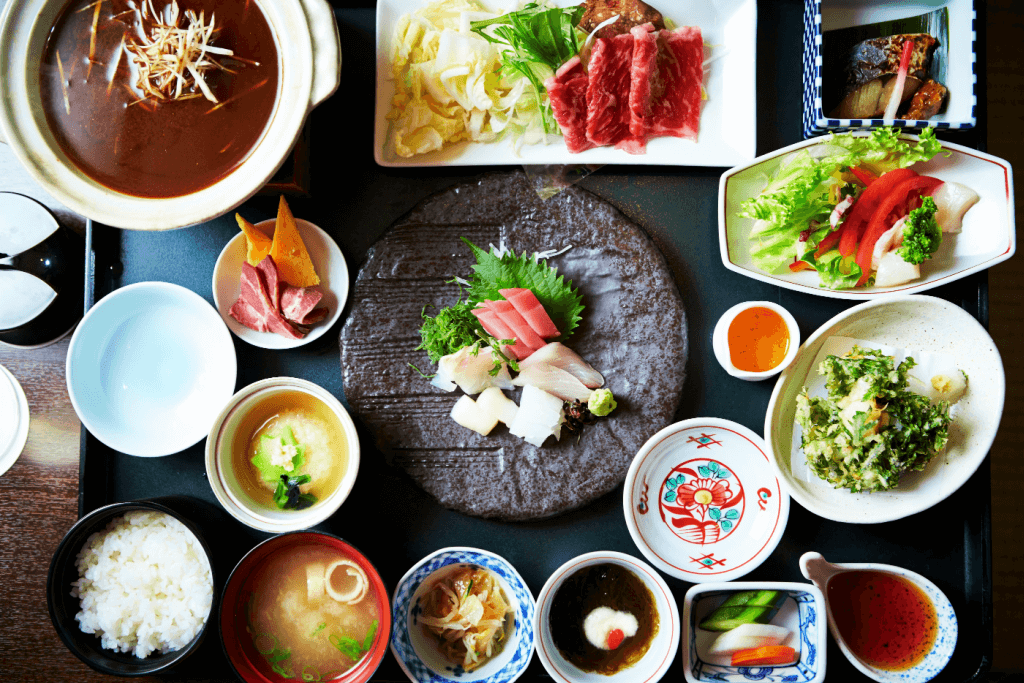
Kaiseki is not merely about eating; it is a holistic experience rooted in centuries of tradition and philosophy. It embodies the spirit of omotenashi (Japanese hospitality), where every detail is carefully considered to provide guests with the utmost satisfaction. The meal is designed to be a journey, with each course building upon the previous one to create a harmonious and balanced culinary narrative.
Respect for Nature and Ingredients
At the heart of kaiseki lies a profound respect for nature and the bounty it provides. Seasonal ingredients, known as shun, are paramount, dictating the menu and ensuring that dishes are at their peak flavor and freshness. Chefs meticulously select ingredients from local sources, emphasizing the importance of terroir and sustainability. This deep connection to nature is reflected in the presentation of the dishes, which often mimic natural landscapes and evoke the changing seasons.
The preparation methods in traditional Kaiseki are designed to enhance the natural flavors of the ingredients, rather than masking them. Techniques such as grilling, steaming, and simmering are employed to bring out the inherent qualities of each component. Minimal processing and careful seasoning allow the true essence of the ingredients to shine through, showcasing the chef's skill in highlighting nature's gifts.
Ingredients are not just food; they are a representation of the season and the land from which they originate. Kaiseki chefs understand that the quality of the ingredients directly impacts the overall dining experience. Therefore, they prioritize sourcing the finest produce, seafood, and meats, often working closely with local farmers and fishermen to ensure the highest standards.
The Connection to the Tea Ceremony (Cha-kaiseki)
The origins of kaiseki are deeply intertwined with the Japanese tea ceremony, or chanoyu. Originally, kaiseki referred to a simple meal served before the tea ceremony to appease the guests' hunger. This meal, known as cha-kaiseki, was designed to be light and unobtrusive, allowing guests to fully appreciate the tea ceremony that followed.
Over time, cha-kaiseki evolved into a more elaborate and refined culinary art form, but its underlying principles remained the same. The meal is still intended to be a prelude to the tea ceremony, preparing the palate and mind for the aesthetic and spiritual experience that is to come. The courses are carefully sequenced to complement the tea, with flavors that are subtle and harmonious.
The influence of the tea ceremony on kaiseki extends beyond the menu. The presentation of the dishes, the serving etiquette, and the overall atmosphere of the meal reflect the principles of wabi-sabi, which emphasizes simplicity, naturalness, and imperfection. The goal is to create a serene and contemplative environment that encourages guests to fully appreciate the beauty of the moment.
Kaiseki as a Reflection of Japanese Culture
Kaiseki is more than just a meal; it is a reflection of Japanese culture and values. It embodies the principles of harmony, balance, and respect, which are deeply ingrained in Japanese society. The meal celebrates the beauty of nature, the importance of seasonality, and the art of meticulous craftsmanship. Each course is carefully designed to tell a story, evoking emotions and memories that resonate with the diner.
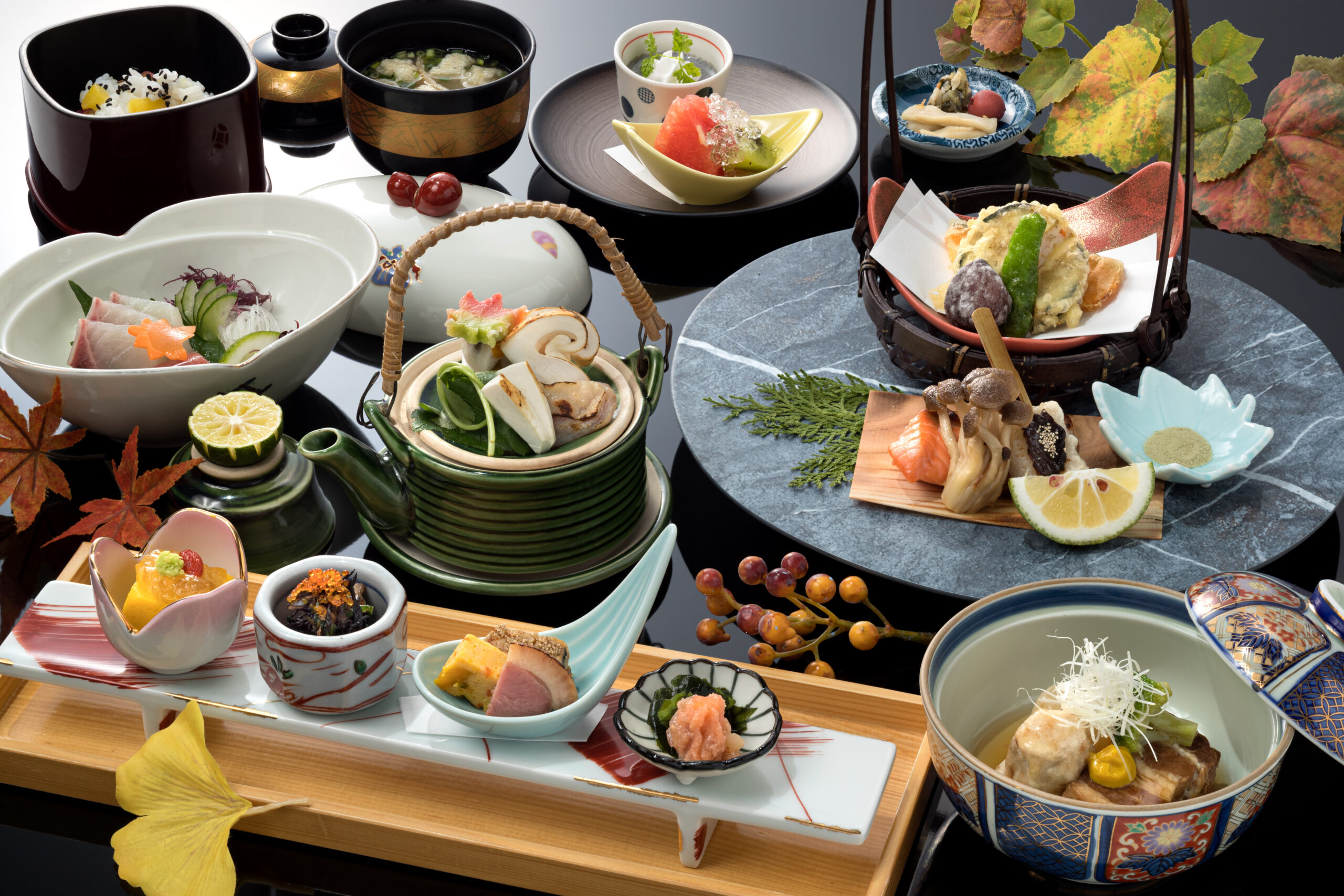
The importance of presentation in kaiseki cannot be overstated. Dishes are arranged with artistic precision, taking into account the colors, textures, and shapes of the ingredients. The serving ware is also carefully chosen to complement the food, with each piece selected for its aesthetic appeal and functionality. The overall effect is a visual feast that enhances the dining experience.
Kaiseki also reflects the Japanese emphasis on hospitality and attentiveness. Servers are trained to anticipate the needs of guests, providing discreet and unobtrusive service. They are knowledgeable about the dishes and ingredients, and are able to answer questions and provide insights into the culinary traditions of Japan.

Exploring Regional Variations of Kaiseki
While the fundamental principles of kaiseki remain consistent, regional variations abound, reflecting the unique ingredients, culinary traditions, and cultural influences of different parts of Japan. Each region boasts its own distinctive style of kaiseki, offering diners a diverse and enriching culinary experience.
Kyoto-Style Kaiseki: The Classic Approach
Kyoto-style kaiseki is considered the quintessential expression of this culinary art form. Rooted in the traditions of the imperial court and the tea ceremony, Kyoto kaiseki emphasizes elegance, refinement, and the use of seasonal ingredients from the surrounding region. The dishes are typically delicate and subtly flavored, showcasing the natural beauty and purity of the ingredients.
One of the hallmarks of Kyoto kaiseki is the use of dashi, a flavorful broth made from kombu (kelp) and katsuobushi (dried bonito flakes). Dashi forms the foundation of many dishes, providing depth and complexity to the flavors. Other key ingredients include locally grown vegetables, such as Kyoto turnips and bamboo shoots, as well as fresh seafood from the nearby coast.
The presentation of Kyoto kaiseki is also highly refined, with dishes arranged with meticulous attention to detail. The serving ware is often antique or handcrafted, adding to the overall sense of elegance and tradition. The goal is to create a dining experience that is both visually stunning and deeply satisfying.
Other Regional Styles: Hokkaido, Osaka, etc.
Beyond Kyoto, other regions of Japan have developed their own unique styles of kaiseki, reflecting the local ingredients and culinary traditions. In Hokkaido, for example, kaiseki often features an abundance of fresh seafood, such as crab, salmon, and sea urchin. The dishes are typically bolder and more robust in flavor, reflecting the harsh climate and rugged landscape of the region.
Osaka-style kaiseki, on the other hand, is known for its playful and inventive approach to traditional cuisine. Chefs in Osaka often incorporate modern techniques and ingredients into their dishes, creating a fusion of flavors and textures that is both surprising and delightful. Osaka kaiseki also tends to be more casual and approachable than its Kyoto counterpart, reflecting the city's vibrant and energetic atmosphere.
Other regional variations of kaiseki can be found throughout Japan, each with its own distinctive characteristics. From the mountain cuisine of Nagano to the seafood specialties of Kyushu, there is a world of culinary exploration to be discovered.
Unique Ingredients and Techniques by Region
The diversity of Japanese cuisine is reflected in the unique ingredients and techniques used in regional variations of kaiseki. In some regions, such as Okinawa, tropical fruits and vegetables are incorporated into the dishes, adding a touch of exotic flavor. In others, such as Hiroshima, local specialties like oysters and sake are featured prominently.
Traditional cooking techniques also vary from region to region. In some areas, grilling over charcoal is a common method, imparting a smoky flavor to the ingredients. In others, steaming or simmering are preferred, preserving the natural flavors and textures of the food. Each region has its own unique culinary heritage, which is reflected in the distinctive flavors and techniques of its kaiseki cuisine.
For example, the use of fermented ingredients, such as miso and soy sauce, varies significantly across different regions of Japan. Some regions favor sweeter varieties, while others prefer more savory and complex flavors. These regional variations in ingredients and techniques contribute to the rich tapestry of Japanese cuisine and make exploring the different styles of kaiseki a truly rewarding experience. Experiencing regional kaiseki styles offers a deeper understanding of Japan's diverse culinary landscape.
Kaiseki for the Home Cook
While experiencing authentic kaiseki in a traditional Japanese restaurant is undoubtedly a special occasion, it is also possible to adapt the principles and techniques of this culinary art form for the home cook. By simplifying the recipes and sourcing local ingredients, you can create a kaiseki-inspired meal that is both delicious and accessible.
Simplified Kaiseki-Inspired Recipes
Creating a full kaiseki meal at home can seem daunting, but it is possible to capture the essence of this culinary tradition by focusing on a few key dishes. Start by selecting seasonal ingredients that are readily available in your area. Then, choose simple recipes that highlight the natural flavors of these ingredients.
For example, you could begin with a clear soup (suimono) made with dashi, seasonal vegetables, and a touch of soy sauce. Follow this with a grilled fish course (yakimono), such as salmon or sea bass, seasoned with salt and pepper. Add a simmered vegetable dish (nimono), such as carrots and daikon radish, cooked in a light broth. Finish with a simple rice dish (shokuji) and a seasonal fruit dessert.
The key to creating a successful kaiseki-inspired meal at home is to focus on quality ingredients, simple preparation methods, and beautiful presentation. Don't be afraid to experiment with different flavors and textures, but always keep in mind the principles of harmony and balance.
Start with a clear soup featuring seasonal vegetables.
Grill fish simply with salt and pepper.
Simmer vegetables in a light broth.
Serve a simple rice dish.
End with a seasonal fruit dessert.
Sourcing Japanese Ingredients Locally
While some Japanese ingredients, such as dashi and soy sauce, are essential for creating an authentic kaiseki experience, it is not always necessary to source every ingredient from Japan. Many of the key flavors and techniques can be replicated using locally available ingredients.
Look for local farmers markets and specialty food stores that carry fresh, seasonal produce. Seek out high-quality seafood from sustainable sources. Experiment with different types of rice and soy sauce to find the ones that best suit your taste. With a little creativity and resourcefulness, you can create a kaiseki-inspired meal that is both delicious and sustainable.
Consider visiting Asian grocery stores in your area, where you may find a wider selection of Japanese ingredients, such as kombu, katsuobushi, and miso. These ingredients can add depth and complexity to your dishes, bringing you closer to the authentic flavors of kaiseki. Exploring local sourcing options can enhance your home kaiseki experience.
Creating a Kaiseki Experience at Home
Creating a kaiseki experience at home is about more than just the food; it's about creating a serene and contemplative atmosphere that encourages guests to fully appreciate the meal. Set the table with simple, elegant dishware. Use natural materials, such as wood and bamboo, to create a sense of harmony with nature. Light candles or incense to create a calming ambiance.
Serve the dishes in courses, allowing guests to savor each flavor and texture. Take your time to explain the ingredients and preparation methods, sharing your knowledge and passion for Japanese cuisine. Encourage conversation and create a sense of connection and community.
Most importantly, relax and enjoy the process. Creating a kaiseki experience at home should be a fun and rewarding endeavor, not a stressful one. By focusing on the principles of harmony, balance, and respect, you can create a memorable meal that will delight your guests and transport them to the world of Japanese culinary art. Understanding the art of Kaiseki is key to replicating the experience at home.
Kaiseki cuisine offers a profound insight into Japanese culture and culinary philosophy. From its origins in the tea ceremony to its regional variations and adaptations for the home cook, kaiseki embodies the principles of respect, harmony, and balance. Embracing these principles allows anyone to appreciate and recreate the essence of this exquisite culinary art form. With careful planning, thoughtful ingredient selection, and a dedication to the art of presentation, a truly memorable Kaiseki-inspired dining experience is within reach.


Messenger

Back to top