
Japan, the land of the rising sun, is renowned for its captivating blend of ancient traditions and modern marvels. Among its many cultural treasures, the Japanese onsen, or hot springs, stand out as quintessential experiences, offering not only relaxation but also a deep dive into Japanese customs and wellness practices. This guide will navigate you through the world of onsen, from understanding its rich culture and etiquette to discovering the top destinations and planning your perfect onsen getaway.
Understanding Onsen Culture and Etiquette
Onsen are more than just hot springs; they are deeply embedded in Japanese culture and history. For centuries, they have served as communal spaces for healing, relaxation, and social interaction. Understanding the etiquette is crucial for an authentic and respectful experience.
- Cleanliness is paramount: Before entering the onsen, thoroughly wash your body at the provided washing stations.
- Nudity is customary: Onsen are typically enjoyed in the nude, fostering a sense of equality and naturalness.
- Tattoos: Many onsen have a strict no-tattoo policy due to historical associations with organized crime. However, some modern establishments are becoming more lenient or offer tattoo-friendly options.
- Silence is appreciated: Maintain a quiet and respectful demeanor, avoiding loud conversations or disruptive behavior.
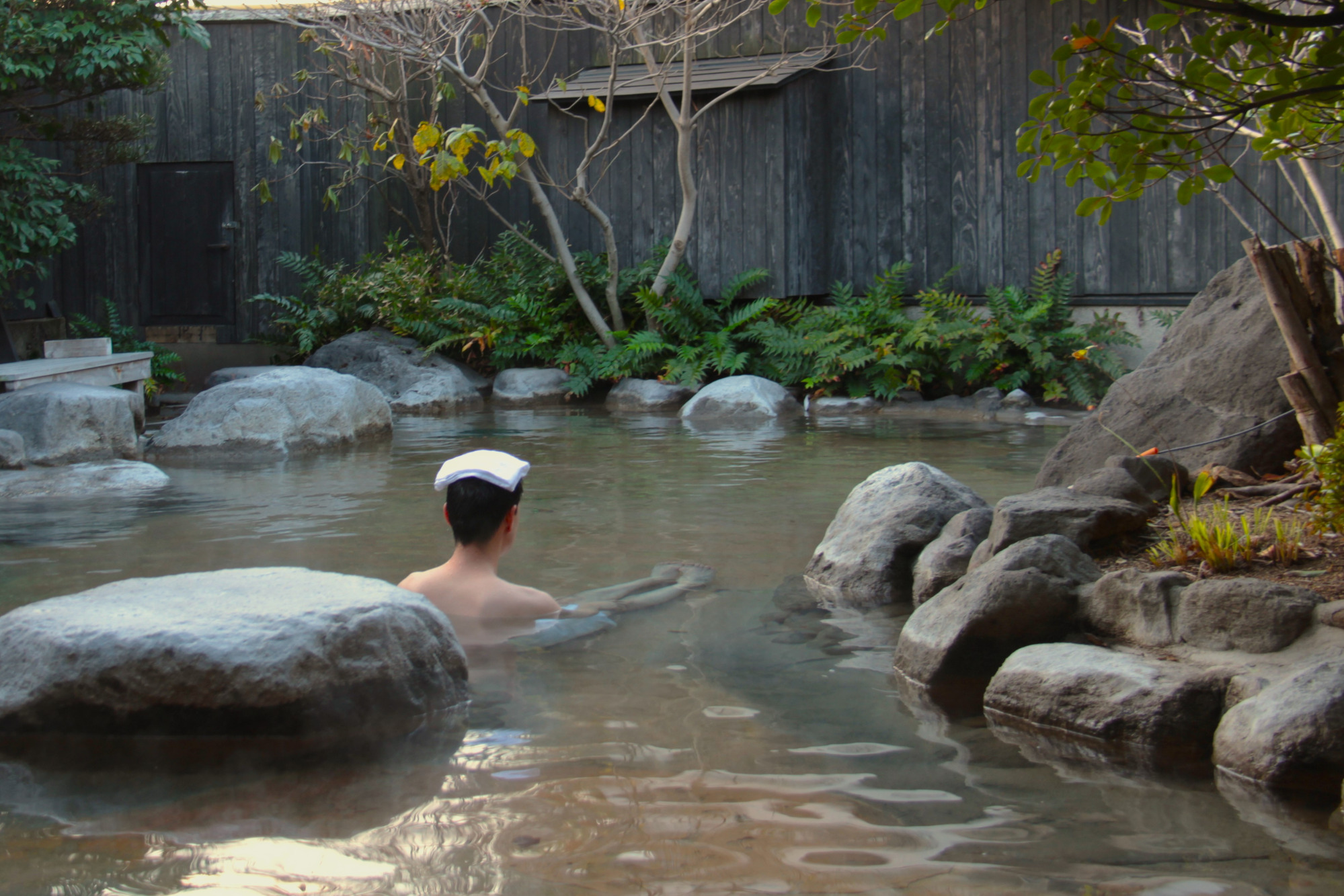
- Towels: Use the small towel provided for modesty and drying off, but avoid placing it in the water.
Types of Onsen: From Ryokan to Public Baths
The world of onsen is diverse, with various types of establishments catering to different preferences and budgets. Here's an overview of the most common types:
- Ryokan: Traditional Japanese inns that often feature private or communal onsen facilities. Staying at a ryokan offers a comprehensive cultural experience, including exquisite cuisine, impeccable service, and serene surroundings.
- Super Sento: Large-scale public bathhouses with a wide array of bathing options, including different temperature pools, saunas, and massage services. Super sento are a more affordable and accessible option for experiencing onsen culture.
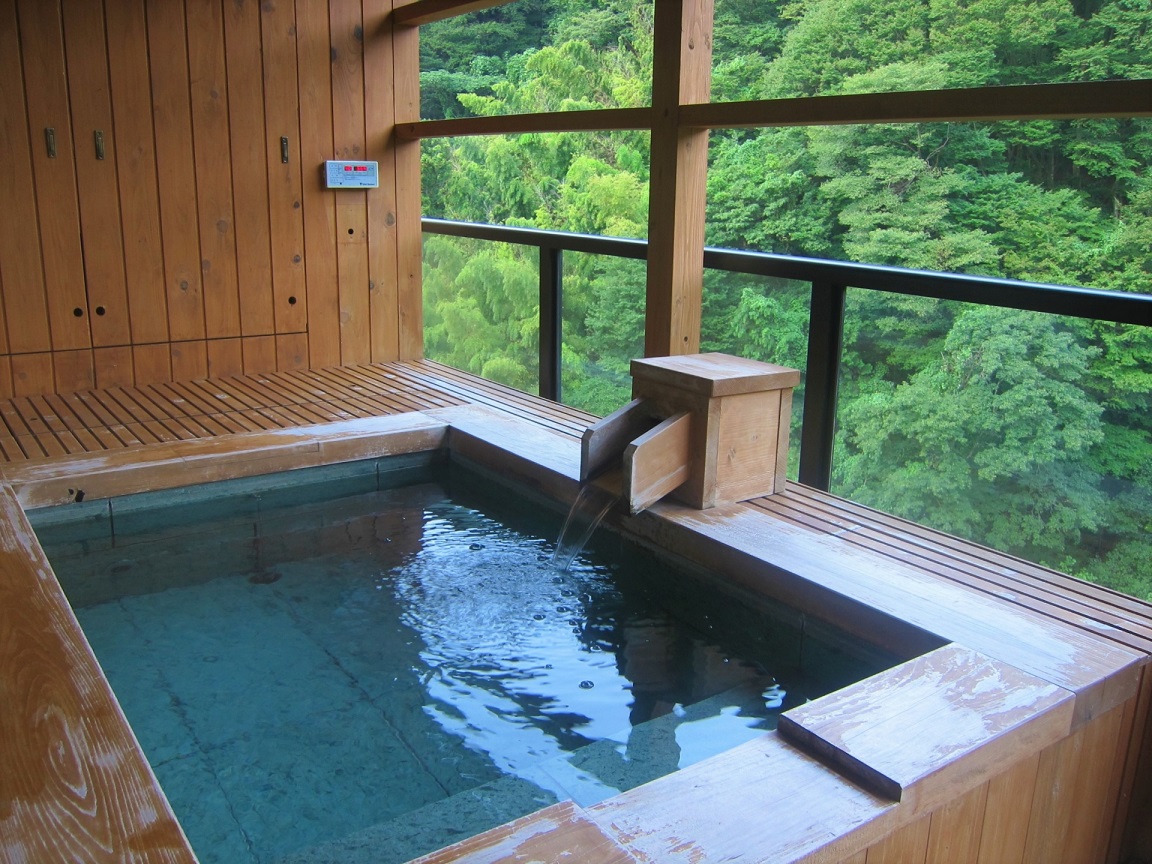
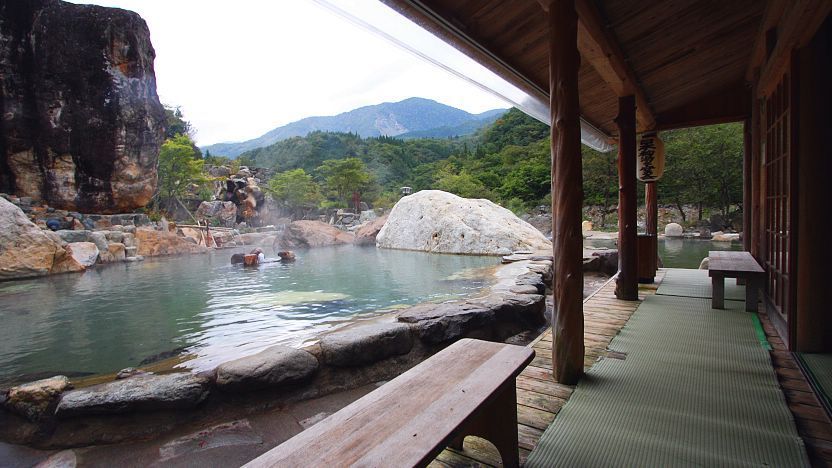
- Rotenburo: Outdoor onsen that offer stunning views of nature, such as mountains, forests, or oceans. Rotenburo provide a unique and immersive bathing experience, allowing you to connect with the beauty of the Japanese landscape.
- Kashikiri-buro: Private onsen that can be reserved for individuals, couples, or families. Kashikiri-buro offer a more intimate and secluded onsen experience, ideal for those who prefer privacy or have tattoos.
- Tachiyu: Standing hot springs where the water is deep enough to stand in, offering a different way to enjoy the therapeutic waters.
Benefits of Onsen: Health and Wellness
Beyond relaxation, onsen offer a wide range of health benefits, thanks to the mineral-rich waters that bubble up from deep within the earth. The specific minerals present vary depending on the location, but common ones include sulfur, iron, sodium chloride, and hydrogen carbonate. Here are some of the purported health benefits:
- Improved circulation: The warm water and mineral content can help dilate blood vessels, improving blood flow and reducing blood pressure.
- Pain relief: The buoyancy of the water and the anti-inflammatory properties of certain minerals can help alleviate muscle soreness, joint pain, and arthritis symptoms.
- Skin conditions: Sulfur-rich onsen are believed to be beneficial for treating skin conditions such as eczema and psoriasis.
- Stress reduction: The combination of warm water, natural surroundings, and mindful relaxation can help reduce stress hormones and promote a sense of well-being.
- Detoxification: Sweating in the hot water can help flush out toxins from the body, promoting overall health and vitality.
It's important to note that while many people experience these benefits, scientific evidence is still limited, and it's always best to consult with a healthcare professional before using onsen for medical purposes.
Top Onsen Destinations in Japan
Japan boasts a plethora of onsen destinations, each with its unique charm and characteristics. Here are three of the most renowned and captivating locations:
Hakone: Onsen with Views of Mount Fuji
Located just a short trip from Tokyo, Hakone is a mountain resort town famous for its stunning views of Mount Fuji and its abundance of onsen. The area is blessed with natural beauty, including Lake Ashi, volcanic hot springs, and lush forests. Many ryokan in Hakone offer onsen with breathtaking views of Mount Fuji, creating an unforgettable experience.
Popular onsen spots in Hakone include:
- Hakone Yuryo: A traditional onsen facility with a variety of indoor and outdoor baths, as well as private onsen options.
- Hotel Green Plaza Hakone: Known for its rotenburo with panoramic views of Mount Fuji.
- Tenzan Onsen: A secluded onsen retreat nestled in the mountains, offering a peaceful and tranquil atmosphere.


Kusatsu: A Historic Onsen Town
Kusatsu is one of Japan's most famous onsen towns, renowned for its highly acidic waters and its charming traditional atmosphere. The town's symbol is the Yubatake, a wooden structure that cools the hot spring water before it's piped to the various onsen facilities. Kusatsu is also known for its vibrant festivals and its traditional wooden architecture.
Key attractions in Kusatsu include:
- Yubatake: A must-see landmark where hot spring water is cooled using wooden troughs.
- Netsunoyu: A traditional bathhouse where you can witness the Yumomi performance, a traditional method of cooling the water with wooden paddles.
- Sainokawara Park: A scenic park with natural hot springs and walking trails.
- Kusatsu International Ski Resort: Enjoy skiing and snowboarding in winter and hiking in summer.
Beppu: The Hells of Beppu and Unique Onsen Experiences
Located on the island of Kyushu, Beppu is a city famous for its diverse range of hot springs, including the "Hells of Beppu," a series of visually stunning and unique geothermal features. These "hells" are for viewing rather than bathing, but they showcase the incredible power of nature. Beppu also offers a variety of traditional onsen, mud baths, and sand baths.
Notable attractions in Beppu include:
- The Hells of Beppu: Explore the various "hells," such as the Blood Pond Hell, the Sea Hell, and the Tornado Hell.
- Beppu Onsen Hoyo Land: Experience a unique mud bath, believed to have beneficial effects on the skin.
- Takegawara Onsen: A historic onsen with a traditional sand bath, where you are buried in warm sand.
- Beppu Ropeway: Take a scenic ropeway ride up Mount Tsurumi for panoramic views of the city and surrounding landscape.
Planning Your Onsen Trip
To ensure a smooth and enjoyable onsen travel experience, careful planning is essential. Here are some key considerations:
Best Time to Visit: Seasonal Considerations
The best time to visit onsen in Japan depends on your preferences and what you want to experience. Each season offers a unique charm:
- Spring (March-May): Enjoy the beautiful cherry blossoms and mild weather, perfect for outdoor onsen experiences.
- Summer (June-August): The weather can be hot and humid, but many onsen offer refreshing cold baths and summer festivals.
- Autumn (September-November): Witness the stunning autumn foliage and enjoy comfortable temperatures for onsen bathing.
- Winter (December-February): Experience the magic of snow-covered landscapes and warm up in the soothing hot springs.
What to Pack: Essential Items for Onsen
Packing the right items can enhance your onsen experience. Here's a list of essentials:
- Small towel: For modesty and drying off.
- Toiletries: Shampoo, conditioner, and body wash (although many onsen provide these).
- Yukata: A light cotton kimono provided by most ryokan, worn for relaxing and sleeping.
- Swimsuit: If you plan to visit a mixed-gender onsen or a water park.
- Comfortable sandals: For walking around the onsen facility.
- Water bottle: To stay hydrated, especially in hot springs.
Onsen Safety and Precautions
While onsen offer numerous benefits, it's important to take certain precautions to ensure your safety and well-being:
- Stay hydrated: Drink plenty of water before, during, and after bathing to prevent dehydration.
- Avoid alcohol: Consuming alcohol before or during onsen can increase the risk of dizziness and fainting.
- Limit bathing time: Start with short sessions (10-15 minutes) and gradually increase as your body adjusts to the heat.
- Be aware of your health conditions: People with certain medical conditions, such as heart problems or high blood pressure, should consult with a doctor before using onsen.
- Watch for signs of dizziness: If you feel dizzy or lightheaded, exit the onsen immediately and rest.
By following these guidelines, you can ensure a safe and rejuvenating Japan onsen experience. Immersing yourself in the warm, mineral-rich waters, surrounded by stunning natural beauty, is an experience that will leave you feeling refreshed, revitalized, and deeply connected to the heart of Japanese culture. Exploring unique geothermal features is also something you can consider.

Whether you seek relaxation, healing, or cultural immersion, a journey to Japan's onsen promises an unforgettable adventure. Embrace the traditions, respect the etiquette, and allow yourself to be transported to a world of tranquility and well-being. Your ultimate guide to hot spring relaxation awaits!


Messenger

Back to top