
Hotate, a term that resonates deeply within the culinary world, refers to Japanese scallops, celebrated for their delicate sweetness and tender texture. These prized bivalves are more than just a seafood delicacy; they represent a harmonious blend of nutrition, culinary versatility, and sustainable sourcing. This article delves into the world of hotate scallops, exploring their unique characteristics, nutritional benefits, diverse culinary applications, and the importance of responsible sourcing.
What is Hotate?
Defining Hotate: Scallop Varieties
The term "hotate" generally refers to the Japanese giant scallop (Mizuhopecten yessoensis), primarily harvested in the cold waters surrounding Hokkaido, Japan. While other scallop species exist globally, hotate stands out due to its size, flavor profile, and the specific aquaculture practices employed in Japan. These scallops are characterized by their large, fan-shaped shells and the distinct adductor muscle, which is the part most commonly consumed.

There are two main types of hotate available in the market:
Wild-caught: Harvested from natural scallop beds, offering a more intense, briny flavor.
Cultured: Farm-raised using sustainable aquaculture methods, ensuring consistent quality and supply.
Nutritional Profile of Hotate
Hotate is not only a culinary delight but also a nutritional powerhouse. It's a lean source of protein, essential for muscle building and repair. Rich in omega-3 fatty acids, hotate contributes to heart health and reduces inflammation. Moreover, it provides vital micronutrients, including:
Vitamin B12: Crucial for nerve function and red blood cell production.
Magnesium: Supports muscle and nerve function, blood sugar control, and blood pressure regulation.
Potassium: Helps maintain healthy blood pressure and fluid balance.
Zinc: Essential for immune function, wound healing, and cell growth.
A 100-gram serving of hotate typically contains:
Calories: Approximately 92 kcal
Protein: Around 19 grams
Fat: Less than 1 gram
Carbohydrates: Approximately 4 grams
Hotate is also low in mercury compared to many other types of seafood, making it a safer choice for regular consumption.
Hotate vs. Other Scallops: Key Differences
While all scallops share a similar basic anatomy, hotate possesses distinct characteristics that set it apart. Compared to sea scallops (Placopecten magellanicus) and bay scallops (Argopecten irradians), hotate is generally larger, with a firmer texture and a sweeter taste. Sea scallops, often harvested from the Atlantic coast of North America, have a coarser texture and a more pronounced "scallop" flavor. Bay scallops, smaller and more delicate, are typically used in dishes where a subtle sweetness is desired.
Here's a comparison table highlighting the key differences:
Feature | Hotate (Japanese Scallop) | Sea Scallop | Bay Scallop |
|---|---|---|---|
Size | Large (up to 20cm) | Medium (up to 10cm) | Small (up to 5cm) |
Texture | Firm, tender | Coarse | Delicate |
Flavor | Sweet, delicate | Pronounced "scallop" flavor | Subtle sweetness |
Typical Use | Sashimi, sushi, grilling | Searing, pan-frying | Sautéing, salads |
Culinary Uses of Hotate
Raw Consumption: Sashimi and Sushi
One of the most popular ways to enjoy hotate is in its raw form, as sashimi or sushi. The delicate sweetness and melt-in-your-mouth texture make it a true delicacy. When served as sashimi, thinly sliced hotate is typically presented with soy sauce and wasabi, allowing its natural flavors to shine through. In sushi preparations, hotate is often used as nigiri, where a slice of scallop is draped over a bed of vinegared rice.
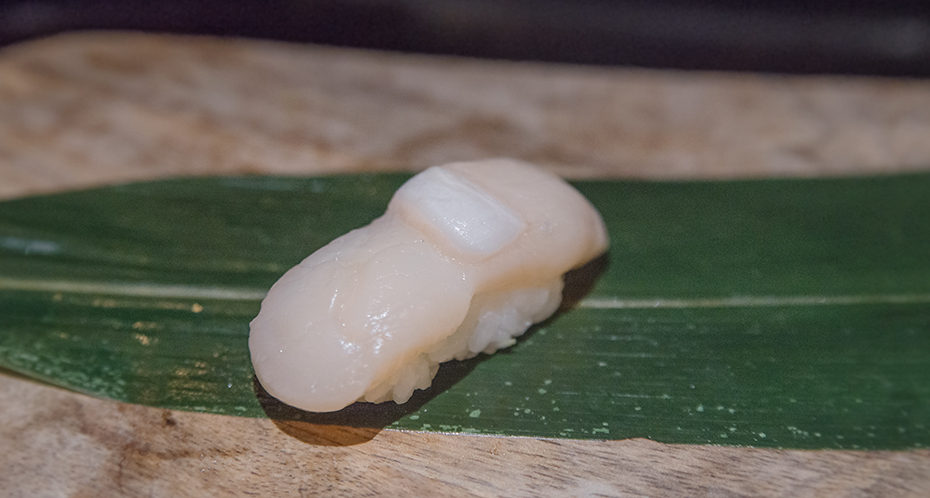
To ensure a safe and enjoyable raw consumption experience, it's crucial to source hotate from reputable suppliers who adhere to strict hygiene and handling standards. Look for scallops labeled as "sashimi-grade" or "sushi-grade," indicating they have been specifically processed for raw consumption.
Cooking Techniques: Grilling, Steaming, and Frying
Beyond raw preparations, hotate lends itself well to various cooking techniques. Grilling brings out a smoky sweetness, while steaming preserves its delicate texture. Frying, when done correctly, creates a crispy exterior and a tender interior.
Grilling: Marinate hotate in a mixture of soy sauce, sake, and ginger for about 15 minutes. Grill over medium heat for 2-3 minutes per side, until lightly charred.
Steaming: Place hotate on a heatproof dish and steam for 5-7 minutes, until cooked through. Drizzle with sesame oil and soy sauce before serving.
Frying: Coat hotate in a light batter of flour, cornstarch, and egg. Deep-fry at 350°F (175°C) for 1-2 minutes, until golden brown and crispy.
Regardless of the cooking method, it's essential to avoid overcooking hotate, as it can become tough and rubbery. The goal is to cook it just until it's opaque and slightly firm to the touch.
Hotate in Global Cuisine: Recipes and Dishes
While deeply rooted in Japanese cuisine, hotate has found its way into dishes around the world. Its versatility allows it to complement a wide range of flavors and ingredients.
Here are a few examples:
Hotate Ceviche: A refreshing Peruvian-inspired dish featuring hotate marinated in lime juice, onions, cilantro, and chili peppers.
Seared Hotate with Risotto: A classic Italian pairing, where perfectly seared hotate is served atop a creamy risotto, often flavored with saffron or parmesan cheese.
Hotate Stir-Fry: A quick and easy Asian-inspired dish featuring hotate stir-fried with vegetables and a savory sauce made from soy sauce, ginger, and garlic.
Hotate Gratin: A French-inspired dish where hotate is baked in a creamy sauce with breadcrumbs and cheese.


These are just a few examples of the many ways hotate can be incorporated into global cuisine. Its delicate flavor and tender texture make it a welcome addition to any dish.
Sourcing and Sustainability of Hotate
Where is Hotate Found? Geographical Distribution
As mentioned earlier, hotate is primarily harvested in the cold waters surrounding Hokkaido, Japan. This region provides the ideal environment for these scallops to thrive, with its nutrient-rich waters and cold temperatures. While smaller populations of hotate may exist in other parts of the world, Hokkaido remains the primary source for commercially available hotate.
Sustainable Harvesting Practices
Given the growing demand for seafood, sustainable harvesting practices are crucial to ensure the long-term viability of hotate populations. In Japan, strict regulations are in place to manage scallop fisheries and promote sustainable aquaculture. These regulations include:
Size limits: Ensuring that scallops are allowed to reach maturity before being harvested.
Seasonal closures: Protecting scallops during their spawning season.
Aquaculture best practices: Minimizing the environmental impact of scallop farming.
Many hotate farms in Hokkaido employ environmentally friendly techniques such as using natural feed and minimizing the use of antibiotics. These practices help to ensure that hotate is produced in a sustainable and responsible manner.
Consumers can also play a role in supporting sustainable hotate fisheries by choosing products that are certified by reputable organizations such as the Marine Stewardship Council (MSC).
Choosing High-Quality Hotate: What to Look For
When purchasing hotate, it's important to look for certain characteristics that indicate quality and freshness. Here are a few tips:
Appearance: Fresh hotate should have a translucent, slightly pearly appearance. Avoid scallops that look dull, discolored, or slimy.
Smell: Fresh hotate should have a mild, sea-like aroma. Avoid scallops that smell fishy or ammonia-like.
Texture: Fresh hotate should be firm and slightly springy to the touch. Avoid scallops that feel mushy or soft.
Origin: Look for hotate that is sourced from reputable suppliers who adhere to strict quality control standards.
If purchasing frozen hotate, make sure the packaging is intact and the scallops are frozen solid. Thaw frozen hotate in the refrigerator overnight before using.
In conclusion, hotate offers a unique combination of culinary appeal, nutritional benefits, and sustainable sourcing potential. Whether enjoyed raw as sashimi or cooked in a global-inspired dish, this Japanese scallop is sure to delight the senses. By understanding its characteristics, appreciating its versatility, and supporting sustainable harvesting practices, we can ensure that hotate remains a prized seafood delicacy for generations to come.


Messenger

Back to top