
Hamachi and Buri, two names often used interchangeably, refer to the same species of fish – the Japanese amberjack, also known as yellowtail. However, these names signify different stages of the fish's life cycle and possess distinct characteristics prized in Japanese cuisine. Understanding these differences, along with their nutritional benefits and culinary applications, is essential for any seafood enthusiast. This article delves into the world of Hamachi and Buri, exploring their unique qualities, their role in Japanese culinary traditions, and how to select, prepare, and cook them to perfection.
What is Hamachi/Buri?
Hamachi/Buri: An Overview
Hamachi and Buri are both Japanese names for the yellowtail fish (Seriola quinqueradiata). The distinction lies in their size and age. Hamachi generally refers to the younger yellowtail, typically around 1-2 years old, weighing less than 5 kg. Buri, on the other hand, is the name given to the mature yellowtail, usually 3 years or older, and significantly larger, often exceeding 5 kg. This difference in maturity affects the fish's flavor, texture, and fat content. Hamachi is known for its delicate, slightly sweet flavor and tender texture, while Buri has a richer, more pronounced flavor and a higher fat content, especially during the winter months when it's known as Kan-Buri.
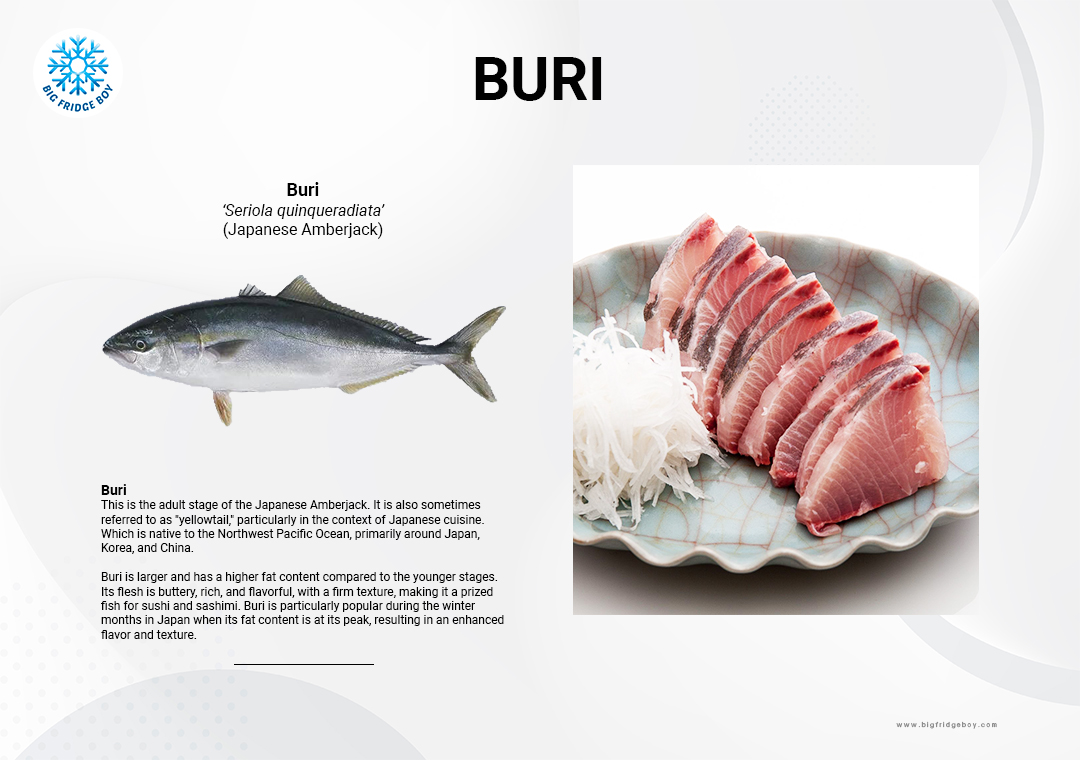
The naming convention can also vary by region in Japan. In some areas, the size thresholds for Hamachi and Buri might differ slightly, reflecting local preferences and fishing practices. Regardless of the specific size definitions, the core concept remains the same: Hamachi represents the younger, more delicate yellowtail, and Buri signifies the mature, richer version.
Nutritional Value of Hamachi/Buri
Both Hamachi and Buri are excellent sources of essential nutrients. They are rich in high-quality protein, omega-3 fatty acids, and various vitamins and minerals. Omega-3 fatty acids, particularly EPA (eicosapentaenoic acid) and DHA (docosahexaenoic acid), are known for their cardiovascular benefits, anti-inflammatory properties, and role in brain health. The fat content in Buri, especially Kan-Buri, is higher than in Hamachi, making it an even richer source of these beneficial fats.
Here’s a general overview of the nutritional benefits:
Protein: Essential for muscle building and repair.
Omega-3 Fatty Acids: Supports heart health and reduces inflammation.
Vitamin D: Important for bone health and immune function.
Vitamin B12: Crucial for nerve function and red blood cell production.
Selenium: An antioxidant that protects against cell damage.
The exact nutritional composition can vary depending on the fish's diet, age, and the season. However, both Hamachi and Buri offer a healthy and delicious way to incorporate these vital nutrients into your diet. Regular consumption of oily fish like these can contribute significantly to overall well-being.
Sustainability of Hamachi/Buri
The sustainability of Hamachi and Buri is an increasingly important consideration. Wild populations of yellowtail have faced pressure from overfishing in the past. However, advancements in aquaculture have led to the development of sustainable farming practices for Hamachi and Buri. These practices aim to minimize environmental impact and ensure the long-term availability of these fish.
Sustainable aquaculture involves several key strategies:
Responsible sourcing of feed: Using fishmeal and fish oil from sustainably managed fisheries.
Reducing pollution: Implementing waste management systems to minimize the release of pollutants into the environment.
Disease management: Employing preventative measures and responsible use of antibiotics to control disease outbreaks.
Habitat protection: Selecting farm locations that minimize disruption to natural habitats.
When purchasing Hamachi or Buri, look for certifications from organizations like the Aquaculture Stewardship Council (ASC) or the Marine Stewardship Council (MSC). These certifications indicate that the fish has been raised or caught using sustainable practices. By choosing sustainable options, consumers can support responsible fisheries and contribute to the conservation of marine resources. Making informed choices about sustainable seafood is crucial for protecting our oceans for future generations.
Hamachi/Buri in Japanese Cuisine
Hamachi/Buri Sushi and Sashimi
Hamachi and Buri are highly prized ingredients in Japanese cuisine, particularly in sushi and sashimi. Their smooth texture and rich flavor make them ideal for these raw preparations. Hamachi sashimi is known for its delicate sweetness and clean taste, while Buri sashimi offers a more intense, buttery flavor, especially during the winter months. The presentation of Hamachi and Buri sashimi is also carefully considered, with thin, artfully arranged slices showcasing the fish's beautiful color and texture.

In sushi, Hamachi and Buri are often served as nigiri, where a slice of fish is draped over a small mound of vinegared rice. The chef's skill in slicing the fish and shaping the rice is essential to creating a perfect balance of flavor and texture. Hamachi and Buri are also used in various types of sushi rolls, adding a touch of elegance and flavor to these popular dishes. The art of sushi preparation highlights the natural qualities of these fish, making them a favorite among sushi aficionados.
Hamachi/Buri in Japanese Hot Pot (Shabu-Shabu)
Hamachi and Buri are also delicious additions to Japanese hot pot dishes, such as Shabu-Shabu. In Shabu-Shabu, thinly sliced pieces of fish are briefly swished in a pot of simmering broth, allowing them to cook quickly and retain their delicate flavor. The fish is then dipped in various sauces, such as ponzu (citrus-based soy sauce) or sesame sauce, and enjoyed with an assortment of vegetables, tofu, and noodles.
Buri Shabu-Shabu is particularly popular during the winter months when the fish is at its fattest and most flavorful. The hot broth gently cooks the fish, rendering the fat and creating a rich, savory broth. The combination of the tender fish, flavorful broth, and fresh vegetables makes Shabu-Shabu a comforting and satisfying meal. The communal aspect of hot pot dining adds to the enjoyment, making it a popular choice for gatherings with family and friends.
Other Traditional Hamachi/Buri Dishes
Beyond sushi, sashimi, and Shabu-Shabu, Hamachi and Buri are used in a variety of other traditional Japanese dishes. These include:
Hamachi Kama: Grilled yellowtail collar, a flavorful and fatty cut.
Buri Daikon: Simmered yellowtail with daikon radish in a sweet and savory broth.
Hamachi Teriyaki: Yellowtail glazed with a sweet and savory teriyaki sauce.
Buri Shioyaki: Salt-grilled yellowtail, a simple yet flavorful preparation.
These dishes showcase the versatility of Hamachi and Buri, highlighting their ability to be prepared in various ways while retaining their unique flavor and texture. The use of traditional Japanese cooking techniques and flavor combinations further enhances the enjoyment of these delicious fish. Exploring these diverse culinary applications provides a deeper appreciation for the role of Hamachi and Buri in Japanese gastronomy.
Buying, Preparing, and Cooking Hamachi/Buri
Selecting Fresh Hamachi/Buri
Choosing fresh, high-quality Hamachi or Buri is essential for ensuring the best possible flavor and texture. When selecting fish, look for the following characteristics:
Appearance: The flesh should be vibrant in color and have a glossy sheen.
Smell: The fish should have a fresh, sea-like aroma, not a fishy or ammonia-like odor.
Texture: The flesh should be firm and springy to the touch, not soft or mushy.
Eyes: If purchasing whole fish, the eyes should be clear and bright, not cloudy or sunken.
It's also important to buy from a reputable fishmonger or seafood market that prioritizes freshness and quality. Ask about the fish's origin and how it was handled to ensure it has been properly stored and transported. Selecting fresh, high-quality ingredients is the first step towards creating a delicious and memorable meal.
Preparing Hamachi/Buri at Home
Proper preparation is crucial for maintaining the quality and flavor of Hamachi and Buri. Start by rinsing the fish under cold running water and patting it dry with paper towels. If you purchased a whole fish, you'll need to fillet it. If you're not comfortable filleting a fish, ask your fishmonger to do it for you.
Once you have the fillets, remove any remaining bones with tweezers. For sashimi or sushi, it's important to remove the skin. To do this, place the fillet skin-side down on a cutting board and carefully slide a sharp knife between the skin and the flesh, using a gentle sawing motion. The knife skills for fish preparation are essential to preserve texture.
After prepping, store the fish in the refrigerator, wrapped tightly in plastic wrap or in an airtight container, and use it as soon as possible. For optimal flavor and texture, it's best to consume Hamachi and Buri on the same day you purchase it.
Cooking Techniques for Hamachi/Buri
Hamachi and Buri can be cooked using a variety of techniques, depending on your preferences and the dish you're preparing. Here are a few popular methods:
Steaming: Steaming is a gentle cooking method that preserves the delicate texture and flavor of the fish.
Regardless of the cooking method you choose, it's important to avoid overcooking the fish, as this can make it dry and tough. Hamachi and Buri are best served medium-rare to medium, with a slightly translucent center. Experiment with different seasonings and sauces to find your favorite flavor combinations. The versatility of Hamachi and Buri makes them a delight to cook with, offering endless possibilities for creating delicious and satisfying meals. With proper cooking techniques, you can unlock the full potential of these premium fish varieties.
Hamachi and Buri offer a delightful culinary experience, each with its unique characteristics. From the delicate sweetness of Hamachi to the rich, buttery flavor of Buri, these fish are a testament to the artistry and tradition of Japanese cuisine. By understanding their differences, nutritional benefits, and sustainable sourcing, you can fully appreciate and enjoy these exceptional seafood delicacies. Whether you're a seasoned sushi chef or a home cook looking to expand your culinary horizons, exploring the world of Hamachi and Buri is a rewarding journey. Enjoy the taste and contribute to responsible seafood consumption!


Messenger

Back to top