
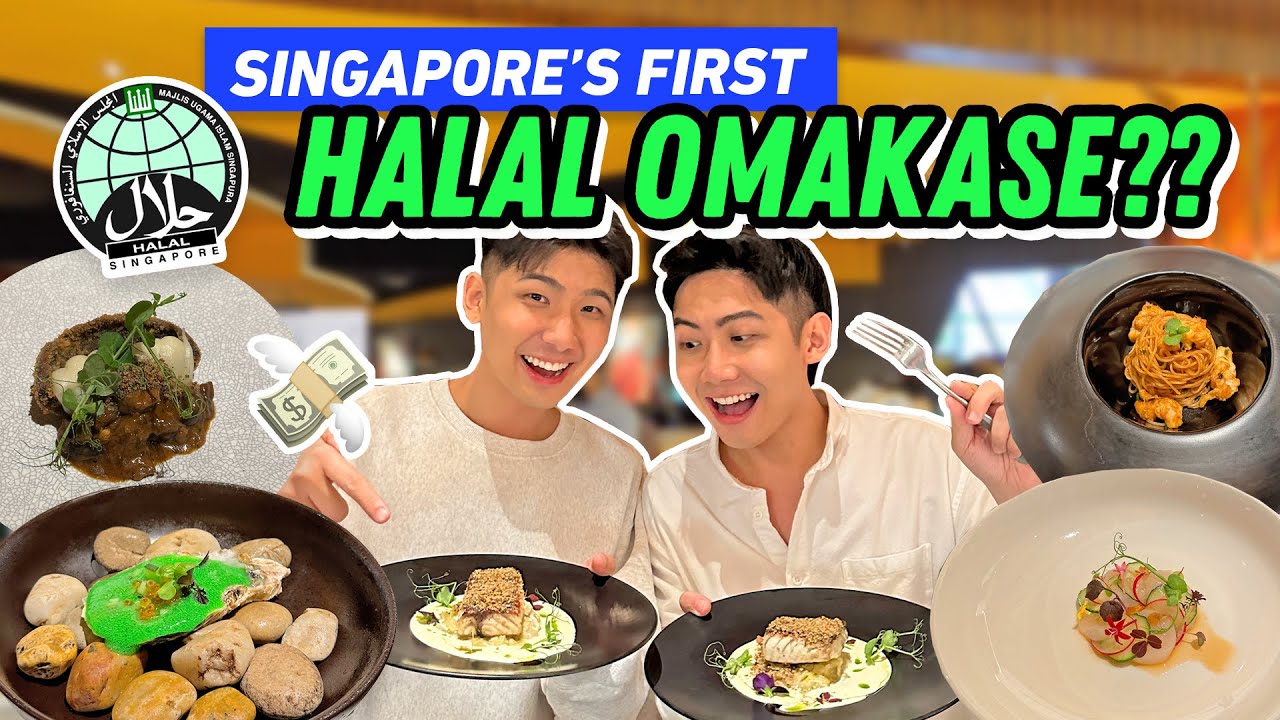
Halal omakase offers a unique and exquisite dining experience, blending the artistry of Japanese cuisine with Islamic dietary laws. This guide explores the world of halal omakase, from understanding its core principles to discovering top restaurants and even creating your own halal omakase experience at home. Whether you're a seasoned foodie or new to the concept, prepare to embark on a culinary journey that respects tradition and caters to halal requirements.
Understanding Halal Omakase
Defining Halal and its Dietary Guidelines
Halal, an Arabic term meaning "permissible," dictates what is lawful and allowed according to Islamic law. In the context of food, halal guidelines specify which foods and beverages Muslims are allowed to consume. These guidelines are rooted in the Quran and the Sunnah (teachings and practices of the Prophet Muhammad, peace be upon him). Key aspects of halal dietary laws include:
- Prohibition of pork and pork by-products: This is perhaps the most well-known halal restriction.
- Alcohol and intoxicants: All forms of alcohol and intoxicating substances are forbidden.
- Meat from animals slaughtered according to Islamic rites (Zabiha): This involves a specific method of slaughtering animals, ensuring minimal suffering and proper blood drainage.
- Avoidance of cross-contamination: Halal food must be prepared and stored separately from non-halal food to prevent contamination.
- Use of halal-certified ingredients: All ingredients used in food preparation must be halal-certified, including additives, flavorings, and processing aids.
These guidelines ensure that food is not only permissible for consumption but also prepared in a manner that aligns with Islamic values of cleanliness, respect for life, and ethical treatment of animals. For restaurants and food manufacturers, obtaining halal certification from reputable organizations is crucial to ensure compliance and build trust with Muslim consumers.
Omakase: Trusting the Chef's Selection
Omakase (お任せ) is a Japanese phrase that translates to "I'll leave it to you." In a culinary context, it signifies a dining experience where the customer entrusts the chef to select and serve a personalized menu. This tradition highlights the chef's expertise and creativity, allowing them to showcase the freshest seasonal ingredients and their mastery of culinary techniques. The omakase experience is more than just a meal; it's an interactive performance where the chef engages with diners, explaining each dish and its preparation. Key elements of the omakase experience include:
- Fresh, seasonal ingredients: Chefs prioritize using the highest quality ingredients that are in season.
- Chef's creativity and expertise: Omakase allows chefs to express their culinary skills and create unique dishes.
- Personalized dining experience: The menu is tailored to the customer's preferences and dietary restrictions.
- Interactive engagement: Diners have the opportunity to interact with the chef and learn about the food.
- Emphasis on presentation: Each dish is carefully crafted and presented as a work of art.
The omakase style is particularly popular in sushi restaurants, where chefs create a series of nigiri, sashimi, and other delicacies based on the day's freshest catch. However, the concept has expanded to other cuisines, offering diners a chance to experience the chef's interpretation of various culinary traditions.
Combining Halal Principles with Omakase
The challenge of halal omakase lies in harmonizing the principles of halal dietary laws with the creative freedom of the omakase experience. This requires chefs to be knowledgeable about halal requirements and adept at sourcing halal-certified ingredients. Some key considerations include:
- Using halal-certified seafood: Ensuring that all seafood used in the omakase menu is halal-certified.
- Substituting non-halal ingredients: Replacing ingredients like mirin (rice wine) with halal-friendly alternatives.
- Avoiding cross-contamination: Maintaining separate preparation areas and utensils for halal and non-halal food.
- Transparency and communication: Clearly communicating the halal status of the omakase menu to customers.
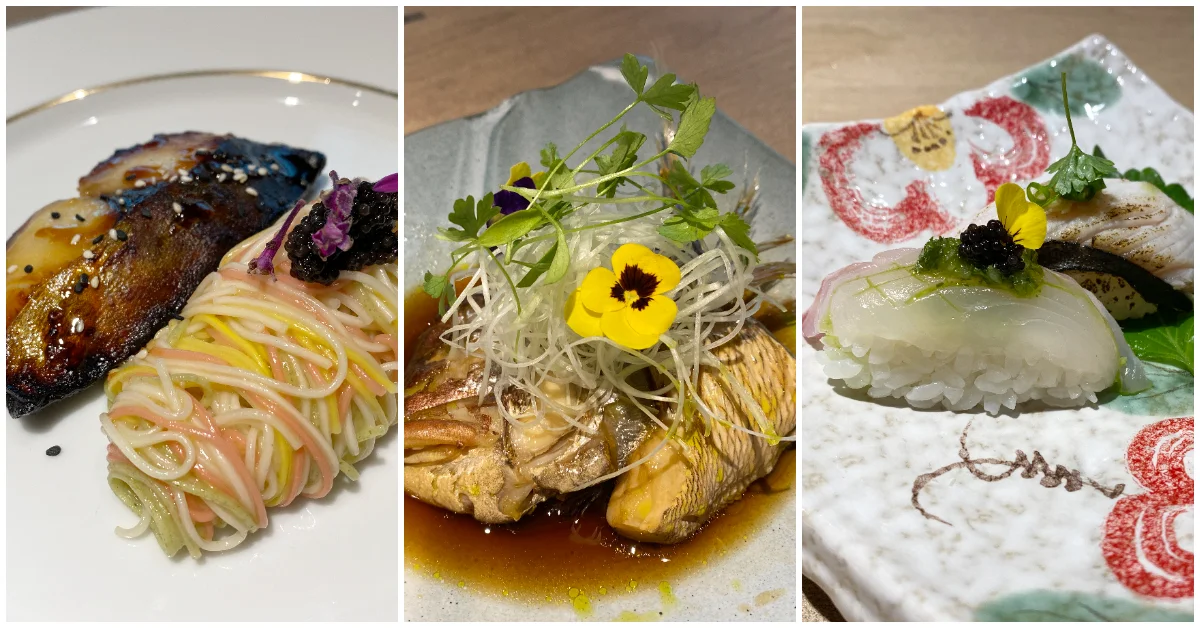
Chefs who specialize in halal omakase often go to great lengths to source the finest halal-certified ingredients, including premium cuts of meat, sustainably sourced seafood, and halal-friendly condiments. They also employ innovative techniques to recreate traditional Japanese flavors while adhering to halal guidelines. This might involve using fruit-based sauces instead of mirin or finding halal-certified soy sauces and vinegars.
Top Halal Omakase Restaurants Around the World
The demand for halal omakase is growing, and several restaurants around the world are now offering this unique dining experience. These establishments cater to Muslim diners who seek to enjoy the artistry of Japanese cuisine without compromising their religious beliefs. Here are some notable halal omakase restaurants:
Restaurant Spotlights: Menus and Chefs
- Kaito (Kuala Lumpur, Malaysia):Renowned for its authentic Japanese flavors and meticulous attention to halal standards. Chef uses premium halal-certified ingredients, creating a memorable omakase experience.
- Junsui (New York, USA): Offers a sophisticated halal omakase experience with a focus on seasonal ingredients and innovative culinary techniques. The chef's expertise shines through in every dish, showcasing the best of Japanese cuisine.
- Honami (Bangkok, Thailand): Provides a luxurious halal omakase experience in an elegant setting. The menu features a variety of dishes, from sushi and sashimi to grilled meats and flavorful soups, all prepared with halal-certified ingredients.
- Ryotei Kisho (Tokyo, Japan): Provides halal omakase kaiseki course based on reservation order.
Customer Reviews and Experiences
Customer reviews often highlight the quality of ingredients, the chef's skill, and the overall dining experience. Many diners praise the attention to detail in ensuring halal compliance, while others appreciate the innovative flavor combinations and artistic presentation of each dish. Reading reviews can provide valuable insights into what to expect from a halal omakase experience, helping you make an informed decision when choosing a restaurant.
Price Points and Reservation Information
Halal omakase experiences can range in price, depending on the restaurant's location, the quality of ingredients, and the complexity of the menu. Prices can range from $80 to $300 or more per person. Reservations are typically required, especially for popular restaurants, and it's advisable to book well in advance. When making a reservation, be sure to specify any dietary restrictions or allergies to ensure that the chef can accommodate your needs.
Creating Your Own Halal Omakase Experience at Home
While dining at a halal omakase restaurant is a treat, you can also create your own version of this experience at home. This allows you to customize the menu to your preferences and dietary needs while enjoying the creativity and artistry of Japanese cuisine. Here's how to get started:
Sourcing Halal-Certified Ingredients
The key to a successful halal omakase experience at home is sourcing high-quality, halal-certified ingredients. This may require some research and planning, but the effort is well worth it. Here are some tips for finding halal ingredients:
- Seafood: Look for sustainably sourced seafood from reputable suppliers. Ensure that the seafood is halal-certified or that the supplier can verify its halal status.
- Meat: Purchase halal-certified meat from a trusted butcher or online retailer.
- Condiments: Check the labels of soy sauce, vinegar, and other condiments to ensure they are halal-certified. Look for halal-friendly alternatives to mirin and sake.
- Vegetables and fruits: Choose fresh, seasonal produce from local farmers markets or grocery stores.
Basic Techniques for Preparing Omakase
Preparing omakase-style dishes requires some basic knowledge of Japanese culinary techniques. Here are a few essential skills to learn:
- Sushi rice preparation: Mastering the art of cooking and seasoning sushi rice is crucial for making nigiri and other sushi dishes.
- Knife skills: Developing sharp knife skills is essential for slicing fish and vegetables with precision.
- Sashimi preparation: Learning how to properly slice and present sashimi is a key element of the omakase experience.
- Sauce making: Creating flavorful sauces and marinades can elevate the taste of your dishes.
There are numerous online resources, cookbooks, and cooking classes available to help you learn these techniques. Practice makes perfect, so don't be afraid to experiment and refine your skills over time.
Sample Menu Ideas for a Home Experience
Here are some sample menu ideas to inspire your halal omakase experience at home:
Remember to adjust the menu to your preferences and dietary needs. You can also add your own creative touches to make the experience even more special. For example, you could try making your own halal-friendly sauces or experimenting with different types of sushi rolls.
Halal omakase offers a unique and enriching dining experience that combines the artistry of Japanese cuisine with the principles of Islamic dietary laws. Whether you choose to dine at a specialized restaurant or create your own halal omakase at home, you can enjoy the flavors and traditions of Japan while adhering to your religious beliefs. As the demand for halal fine dining continues to grow, more restaurants are likely to offer halal omakase, making it easier for Muslim diners to experience this culinary delight. Ultimately, the key to a memorable halal omakase experience is the chef's commitment to quality, creativity, and respect for halal principles.


Messenger

Back to top